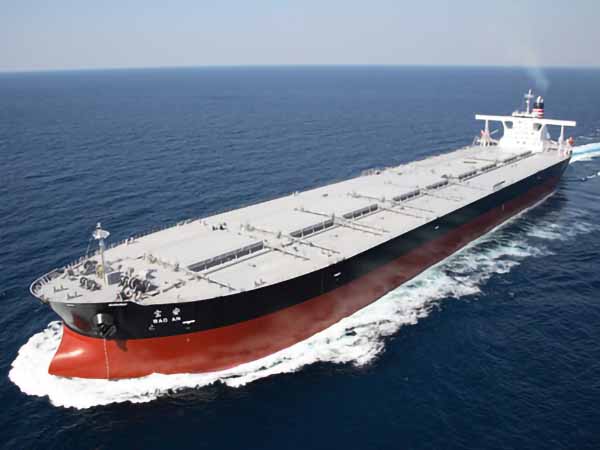
The Application of CCS Grade D Shipbuilding Steel Plates in Civilian Vessels and Offshore Engineering
- May 20, 2026

Knowledge
Chemical composition: C ≤0.21%, Mn 0.70%–1.20%, S, P ≤0.030%, CEV ≤0.38%
Mechanical Properties: Yield strength ≥235 MPa, Tensile strength 400–520 MPa, Impact energy at -20°C ≥34 J
Applicable Areas: Hull structures, decks, bulkheads, etc., suitable for environments at -20°C.
| Welding method | Consumable type | Grade examples |
|---|---|---|
| Manual metal arc welding (SMAW) | General structures | E4303 (J422) |
| Critical/low-temperature structures (low-hydrogen) | E4315, E4316 (J427 / J426) | |
| Submerged Arc Welding (SAW) | Welding Wire | H08A, H08MnA |
| Flux | HJ431, HJ430 (dried at 250°C for 1 hour) | |
| CO₂ Gas Shielded Arc Welding (GMAW/FCAW) | Solid Welding Wire | ER50-6 (H08Mn2SiA) |
| Flux-cored wire | E501T-1 | |
| Shielding gas | CO₂, purity ≥99.5% |
| Plate thickness | Groove type | Angle | Gap | Misalignment |
|---|---|---|---|---|
| < 6 mm | No groove | - | 2 - 3 mm | - |
| 6 - 12 mm | V-groove | 60°±5° | 2 - 4 mm | - |
| ≥12 mm | Double-sided V-groove (X-groove) | - | - | ≤3 mm and ≤1/10 of plate thickness |
Clean the area within 20 mm on either side of the groove to a metallic finish (free of rust, oil and paint).
| Plate Thickness / Ambient Conditions | Minimum Preheating Temperature |
|---|---|
| ≤20 mm, ambient ≥5°C | No preheating |
| >20 - 40 mm | 60 - 80°C |
| >40 mm or ambient <5°C | 80 - 100°C |
Interpass temperature: 80–150°C; continuous multi-pass welding is recommended.
Heating range: ≥100 mm on either side of the weld; temperature measurement points 30–50 mm from the weld.
Low-hydrogen electrodes (E4315/16): 300–350°C × 1–2 h; storage container ≥100°C; remove as required.
Acidic electrodes (E4303): 100°C × 1 h.
Submerged arc flux: 250°C × 1 h.
| Plate thickness (mm) | Electrode diameter (mm) | Current (A) | Voltage (V) | Welding speed (cm/min) |
|---|---|---|---|---|
| 3 - 6 | 3.2 | 90 - 130 | 22 - 26 | 8 - 12 |
| 6 - 12 | 4.0 | 140 - 190 | 24 - 28 | 7 - 10 |
| >12 | 5.0 | 200 - 250 | 26 - 30 | 6 - 9 |
| Plate thickness (mm) | Welding wire diameter (mm) | Current (A) | Voltage (V) | Welding speed (cm/min) |
|---|---|---|---|---|
| 6 - 10 | 4.0 | 380 - 420 | 28 - 32 | 45 - 55 |
| 10 - 20 | 4.0 | 420 - 480 | 30 - 34 | 40 - 50 |
| >20 | 4.0 | 480 - 550 | 32 - 36 | 35 - 45 |
| Plate thickness (mm) | Filler wire diameter (mm) | Current (A) | Voltage (V) | Gas flow rate (L/min) |
|---|---|---|---|---|
| 3 - 6 | 1.2 | 120 - 180 | 20 - 24 | 15 - 20 |
| 6 - 12 | 1.2 | 180 - 240 | 22 - 26 | 20 - 25 |
| >12 | 1.2 | 240 - 300 | 24 - 28 | 25 - 30 |
Tacking: Weld bead length 30–50 mm, spacing 200–300 mm, tack size ≤ 2/3 of the design value.
Welding sequence: Multi-pass, multi-layer, symmetrical welding to control distortion; interrupted welds should be held at temperature and cooled slowly; preheating is required before resuming welding.
Heat input: Control within 15–40 kJ/cm to avoid grain coarsening and a reduction in toughness.
Environmental requirements: When the ambient temperature is < -5°C or the wind speed is > 2 m/s (or > 1 m/s for gas-shielded welding), protective measures must be taken or work must be suspended.
For joints with a thickness >40 mm or high restraint, hydrogen removal treatment at 200–250 °C for 1–2 hours shall be carried out immediately after welding.
Visual inspection (VT): No cracks, porosity, undercut or other defects.
Critical Welds: UT or RT, to be carried out 24 hours after welding (48 hours for thick plates) to detect delayed cracks.
Weld tensile strength ≥400 MPa.
Impact energy at -20°C ≥34 J.
No cracks in the 180° bend test.
| Defect | Cause | Countermeasure |
|---|---|---|
| Porosity | Contaminated groove, impurities/moisture in gas, damp welding consumables | Thorough cleaning, dry gas, baking of welding consumables |
| Cracks | Insufficient preheating/interpass temperature, hydrogen-induced cracking | Strict adherence to preheating/interpass temperatures, use of low-hydrogen welding consumables, post-weld heat treatment to remove hydrogen |
| Slag Inclusion | Insufficient groove angle, excessive welding speed, incomplete slag removal | Adjust groove angle, control welding speed, remove slag between passes |
For critical structures, use E43 series low-hydrogen electrodes with certified matching wire and flux.
Preheating is mandatory for plate thicknesses >20 mm or in low-temperature environments; interpass temperature 80–150°C.
15–40 kJ/cm; employ multi-pass, symmetrical welding.
Critical welds shall undergo UT/RT testing, to be carried out 24 hours after welding.
Customers choose to engage in long-term cooperation with Yuxin Steel not only because of our high-quality products and services, as well as our strong reputation in the international market, but also due to our experienced one-stop raw material supply and further steel processing capabilities!