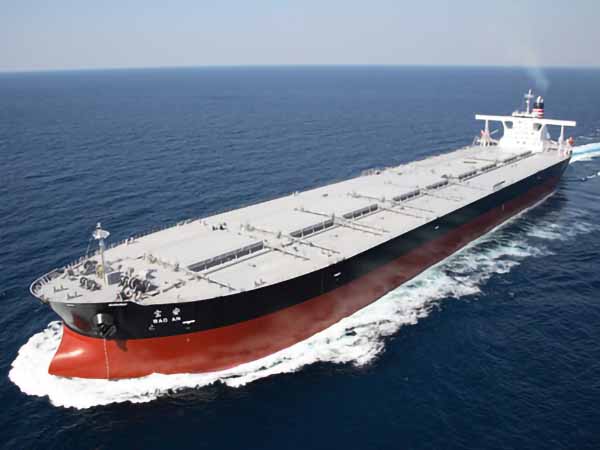
The Application of CCS Grade D Shipbuilding Steel Plates in Civilian Vessels and Offshore Engineering
- May 20, 2026

Knowledge
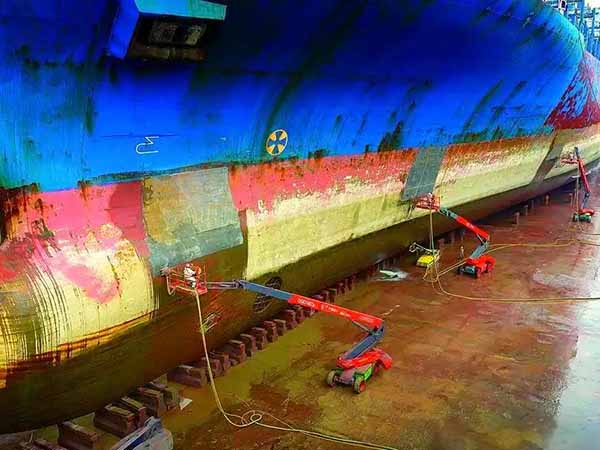
CCS B steel exhibits moderate corrosion resistance. Its low-carbon, low-alloy microstructure is unable to withstand prolonged immersion in high-salinity seawater. Without anti-corrosion measures, pitting corrosion will occur within 3–6 months in a nearshore marine environment. Impurities such as sulphur and phosphorus in the steel further accelerate the corrosion process; therefore, surface preparation is required prior to coating.
The standard surface preparation process for CCS B shipbuilding steel plates includes sandblasting, rust removal, degreasing and surface cleaning:
Remove surface scale and rust, controlling surface roughness to 40–75 μm to enhance the adhesion of the anti-corrosion coating.
Removes oil residues left over from the manufacturing process to prevent coating delamination caused by oil film isolation.
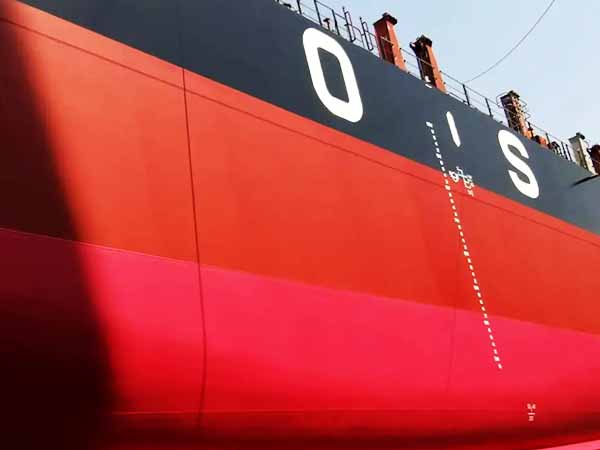
Epoxy marine anti-corrosion primer + marine topcoat. The primer is used to isolate oxygen and moisture, whilst the topcoat resists salt spray and UV erosion.
The use of anti-fouling and anti-corrosion coatings is recommended to prevent the attachment of marine organisms.
Regular inspections and touch-ups should be carried out during service. The aged coating layer must be polished and renewed every 2–3 years to maintain consistent anti-corrosion performance.
Customers choose to engage in long-term cooperation with Yuxin Steel not only because of our high-quality products and services, as well as our strong reputation in the international market, but also due to our experienced one-stop raw material supply and further steel processing capabilities!