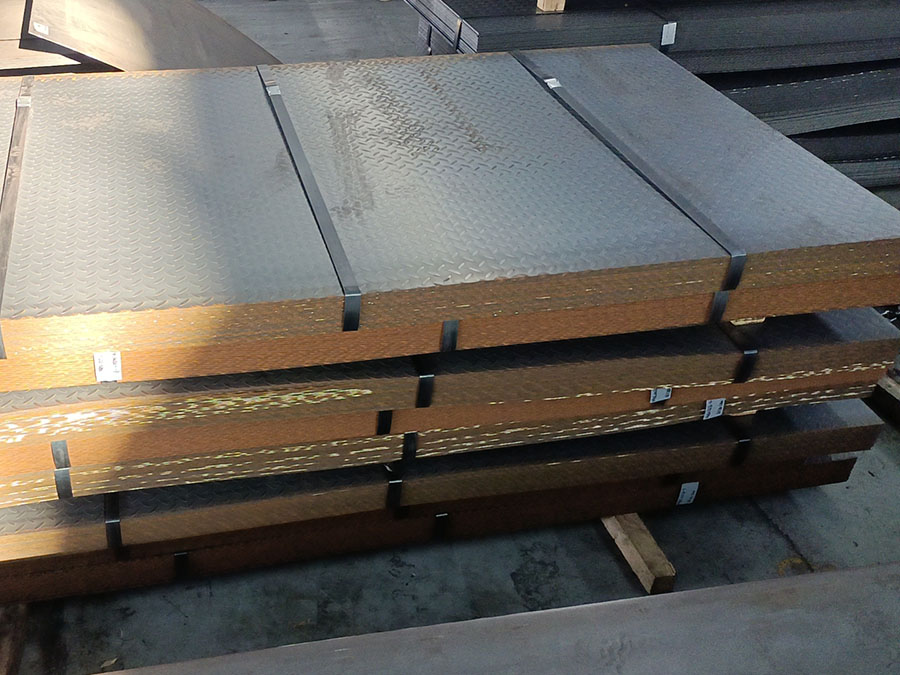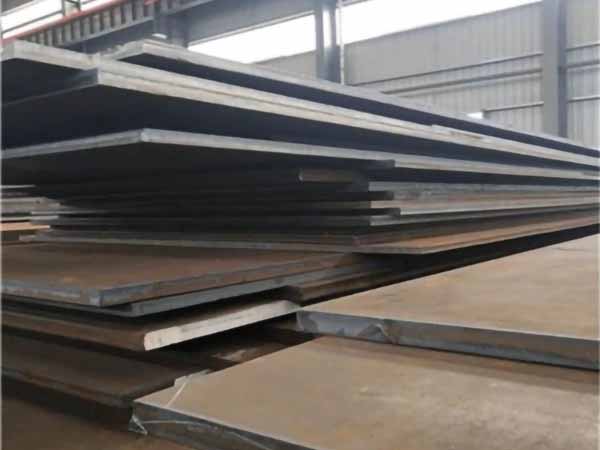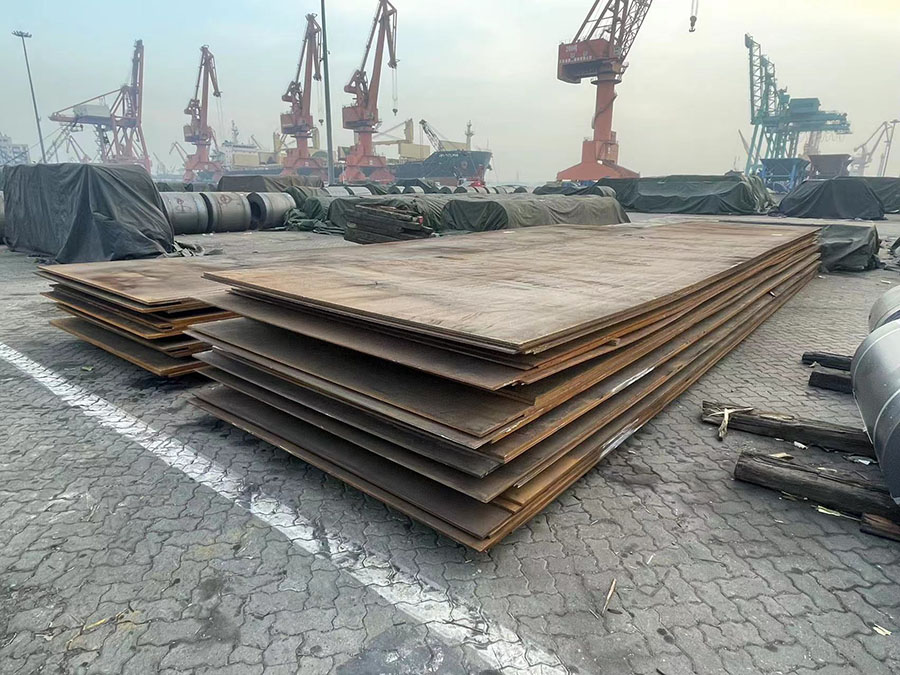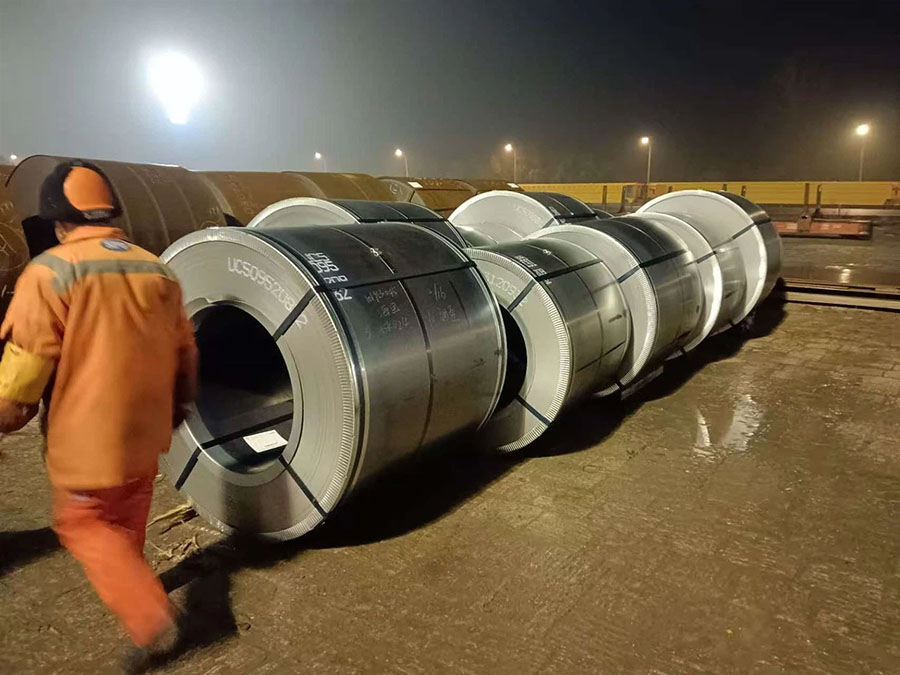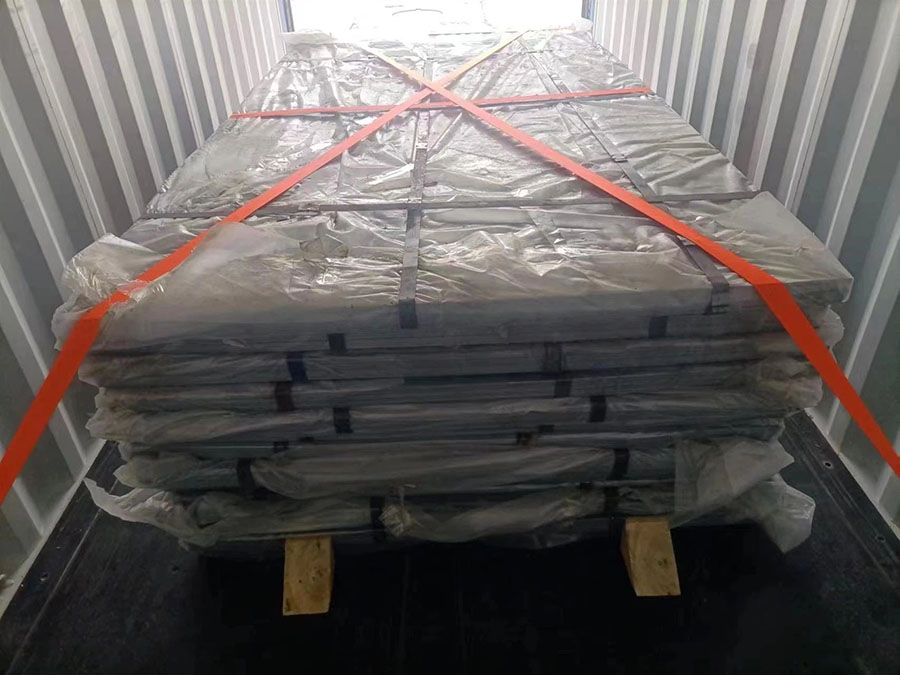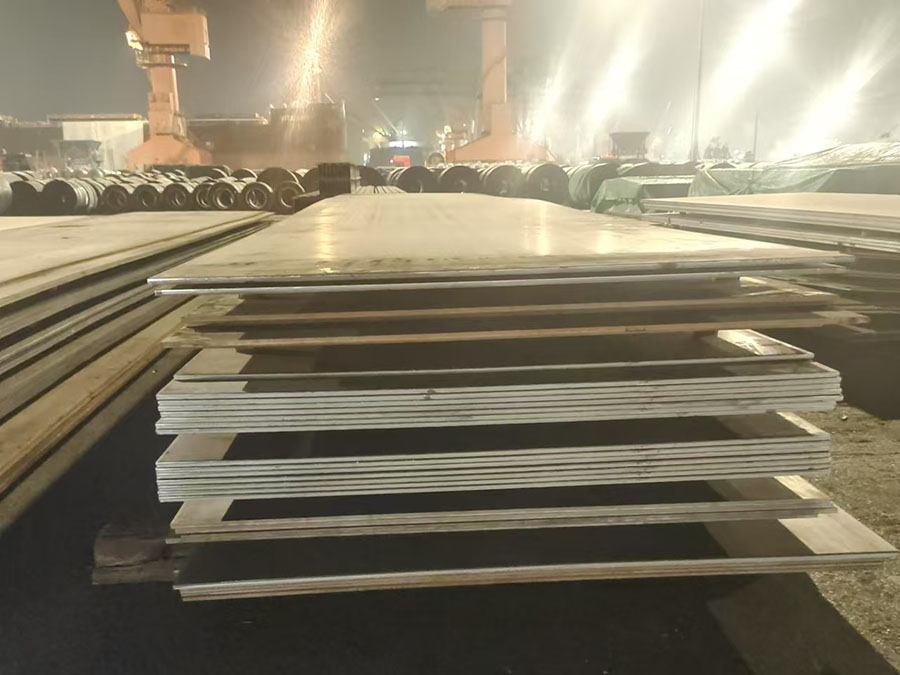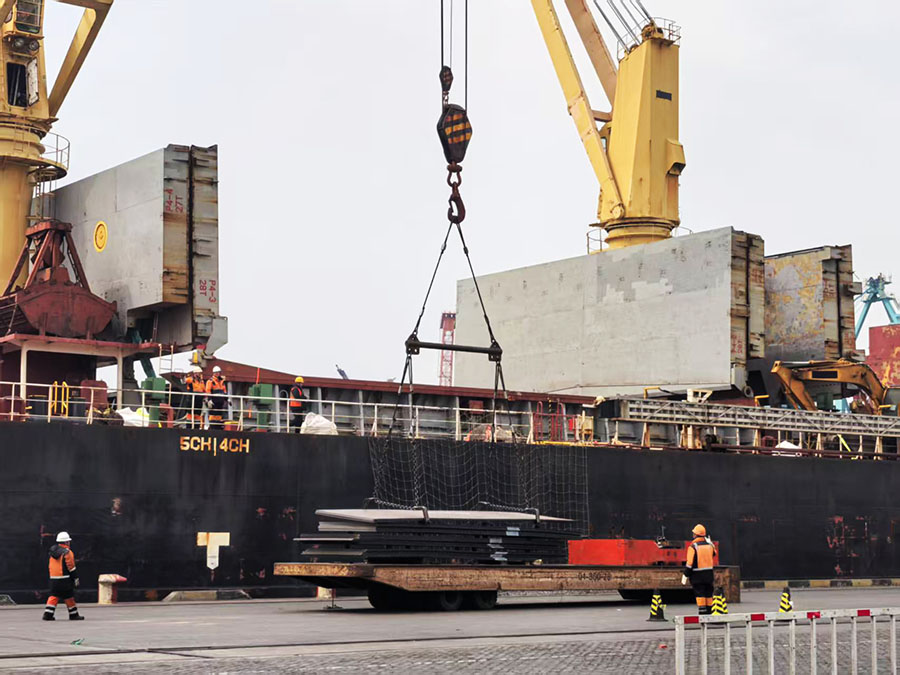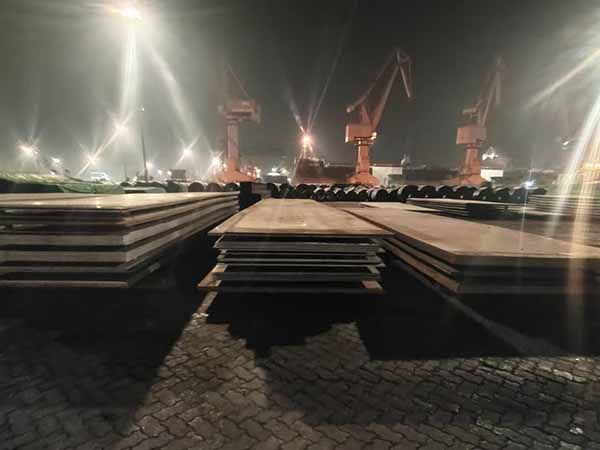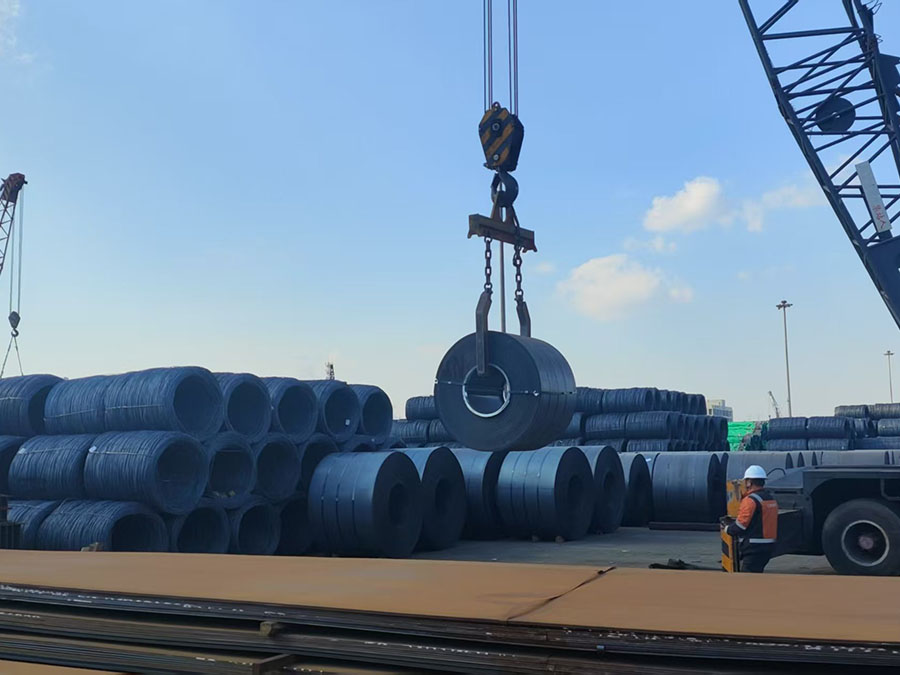
GB/T 700 Q235A steel plate is an ordinary carbon structural steel plate characterized by low cost and good workability, suitable for manufacturing static general structures that do not require high toughness or welding performance.
Standard :
GB/T 700Grade :
Q235AThickness :
3 - 100 mmWidth :
1500 - 2500 mmLength :
3000-12000 mmSpecial thickness, width, and length can be negotiated separately.
We also provide customized processing services.If you have any questions, please contact us.
GB/T 700 Q235A is a widely used and low-cost carbon steel plate, highly suitable for general manufacturing and construction projects where high impact toughness is not a primary design requirement. Its main advantages include low cost, high strength, ease of welding, and processability.
Yuxin Steel supplies GB/T 700 Q235A Carbon Steel Plates in the following specifications:
Thickness: 3 - 100 mm
Width: 1500 - 2500 mm
Length: 3000 - 12000 mm
| Grade | Q235A |
|---|---|
| Standard | GB/T 700: Chinese Standard Code - Carbon Structural Steel |
| Classification | Hot-rolled Structural Steel |
| Delivery Conditions | Hot-rolled |
| Approval By Third Party | ABS, DNV, GL, CCS, LR , RINA, KR, TUV, CE |
| Weldability | Good weldability |
| Machinability | Good machinability (Easily undergoes cold working such as shearing, stamping, and bending.) |
| Surface Quality | Default surface in hot-rolled condition. Additional treatments such as Shot Blasting, Sandblasting, Painting and Galvanized can be required upon request. |
| Quality Control | Provide Certificate of Quality |
| Grade | Q235A | ||||
|---|---|---|---|---|---|
| Element | C | Si | Mn | P | S |
| Content (max, %) | 0.22 | 0.35 | 1.40 | 0.045 | 0.050 |
* Note: The chemical composition of Q235A Carbon Steel Plate is not a delivery condition, and usually only the mechanical properties are guaranteed. However, its actual content generally falls within the above range.
| Grade | Thickness (t) [mm] | Yield Strength (ReH) [min, MPa] | Tensile Strength (Rm) [MPa] | Elongation (A) [min, %] | Impact Energy (KV) [min] |
|---|---|---|---|---|---|
| Q235A | t ≤ 16 | 235 | 370 - 500 | 26 | Not required |
| 16 < t ≤ 40 | 225 | 370 - 500 | 25 | Not required | |
| 40 < t ≤ 60 | 215 | 370 - 500 | 24 | Not required | |
| 60 < t ≤ 100 | 215 | 370 - 500 | 23 | Not required | |
| 100 < t ≤ 150 | 195 | 370 - 500 | 22 | Not required | |
| 150 < t ≤ 200 | 185 | 370 - 500 | 21 | Not required |
* The yield strength of Q235A Carbon steel Plate decreases significantly with increasing thickness.
GB/T 700 Q235A carbon steel plate is used in general structures and engineering applications, and is not suitable for withstanding dynamic loads or critical welded structures.
1. Construction field: Used for manufacturing beams, columns, and purlins in steel structure factory buildings, steel structural frames and supports in civil buildings, as well as embedded parts in reinforced concrete.
2. Mechanical manufacturing: Used for producing mechanical parts subjected to low stress, such as gears, shaft sleeves, flanges, bases, brackets, etc. It can also serve as raw material for equipment housings.
3. Engineering structures: Used for auxiliary bridge structures, power transmission towers, communication towers, container frames, and various temporary steel structural platforms.
4. Pipes and profiles: Extensively used in the production of seamless steel pipes, welded steel pipes, angle steel, channel steel, I-beams, flat steel, and other common steel profiles to meet the infrastructure needs of various industries.
Difference In Quality Grades
| Quality Grade | Impact Test Requirements | Sulfur (S) Content | Phosphorus (P) Content | Applicable Scenarios |
|---|---|---|---|---|
| Q235A | No impact test required | ≤ 0.050% | ≤ 0.045% | Static structures, non-load-bearing structures |
| Q235B | Impact test at room temperature (20°C) | ≤ 0.045% | ≤ 0.045% | General structural components in room temperature environments |
| Q235C | Impact test at 0°C | ≤ 0.040% | ≤ 0.040% | Structural components in slight low-temperature environments |
| Q235D | Impact test at -20°C | ≤ 0.035% | ≤ 0.035% | Structural components in low-temperature environments |
* The core differences between different quality grades of Q235 steel plates lie in the impact test requirements and the content of harmful elements (Phosphorus and Sulfur).
A:
High-strength low-alloy steel plates offer excellent weldability. As their carbon content is typically low (below 0.2%), they present a lower risk of cracking during welding compared to standard high-strength steel plates and generally do not require complex preheating treatments.
A:
The key advantage of high-strength low-alloy steels is weight reduction. As they offer greater strength, thinner sheets can be used to withstand the same loads, thereby reducing the overall weight of the structure; in the automotive sector, this leads to improved fuel efficiency.
A:
High-strength low-alloy steel (HSLA) is a type of steel in which small amounts of alloying elements (such as niobium, vanadium, titanium or copper) are added to enhance its mechanical properties. Compared to traditional carbon steel, it offers higher yield strength and better corrosion resistance whilst maintaining good weldability and formability.
– We offer free samples and bespoke solutions. Please feel free to enquire about our latest prices and volume discounts.
Yuxin Steel provides high-quality steel products to customers in more than 20 countries worldwide.
Contact Info
Would you like to know more about our offers? Please feel free to contact us.