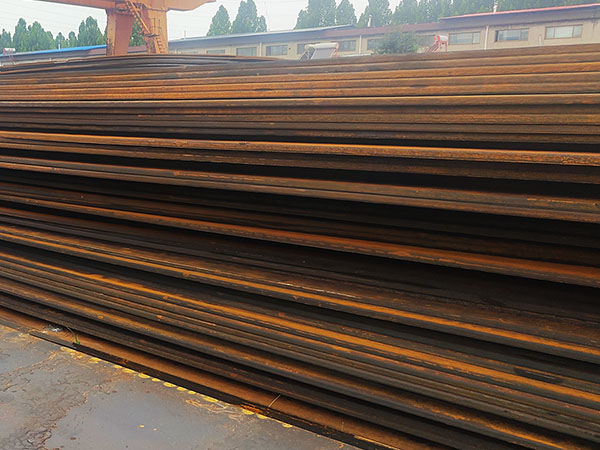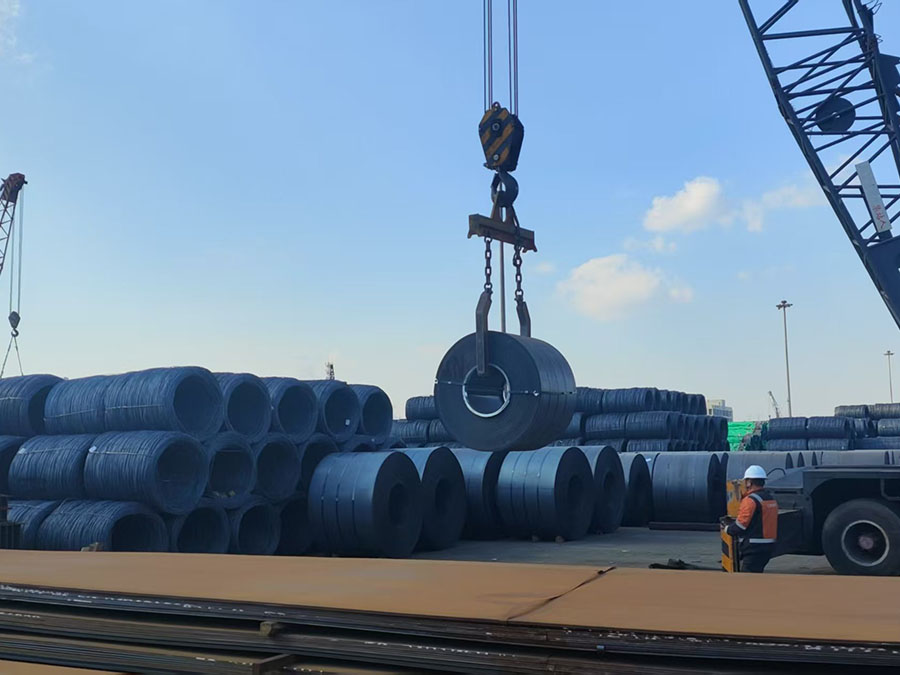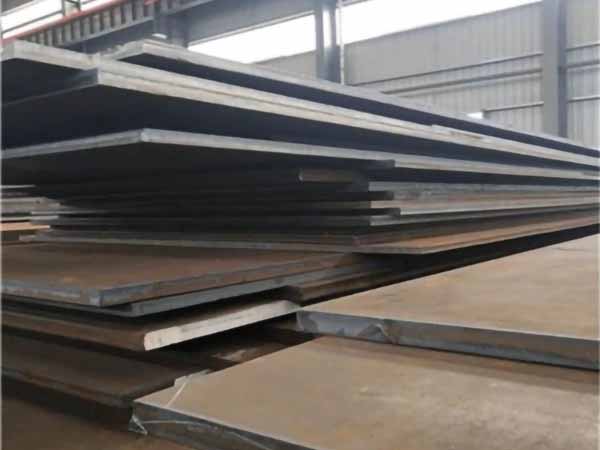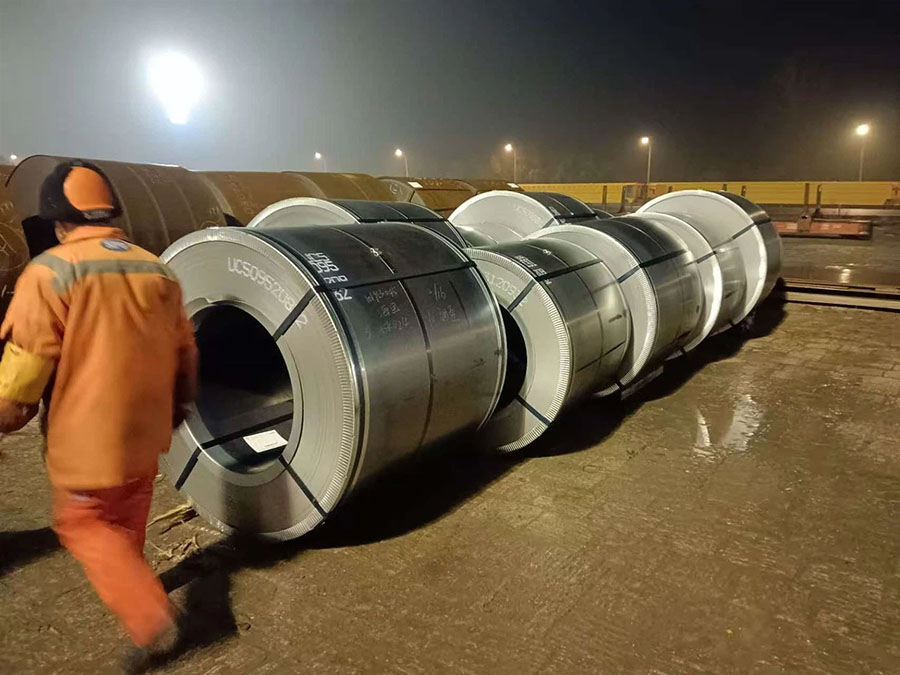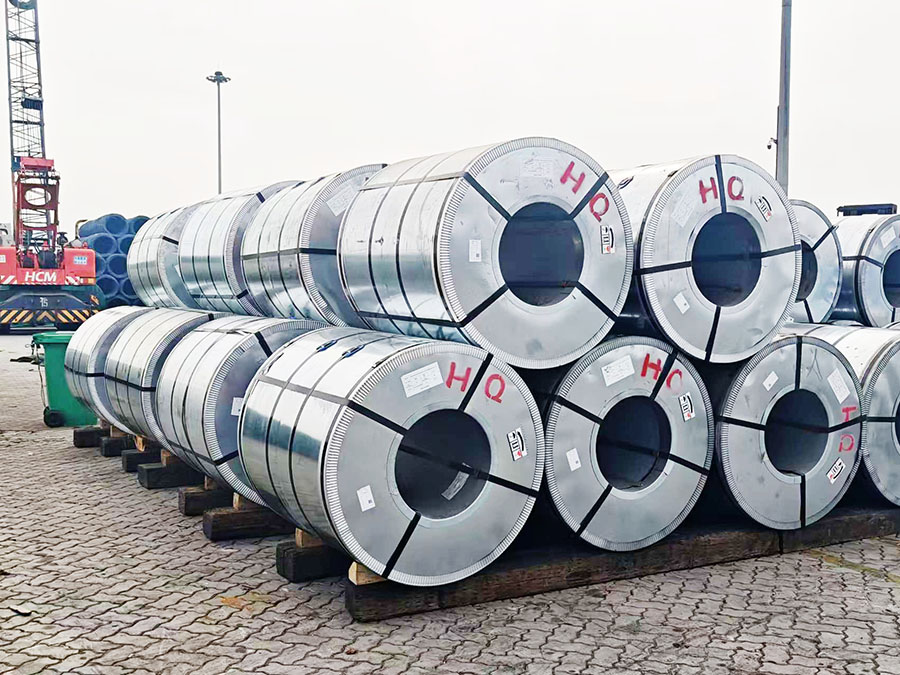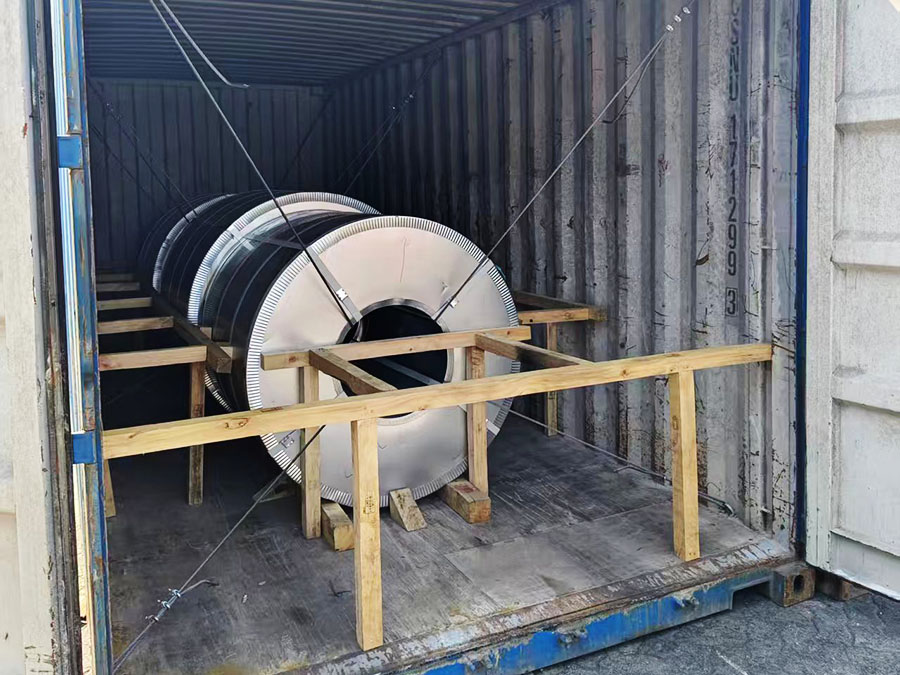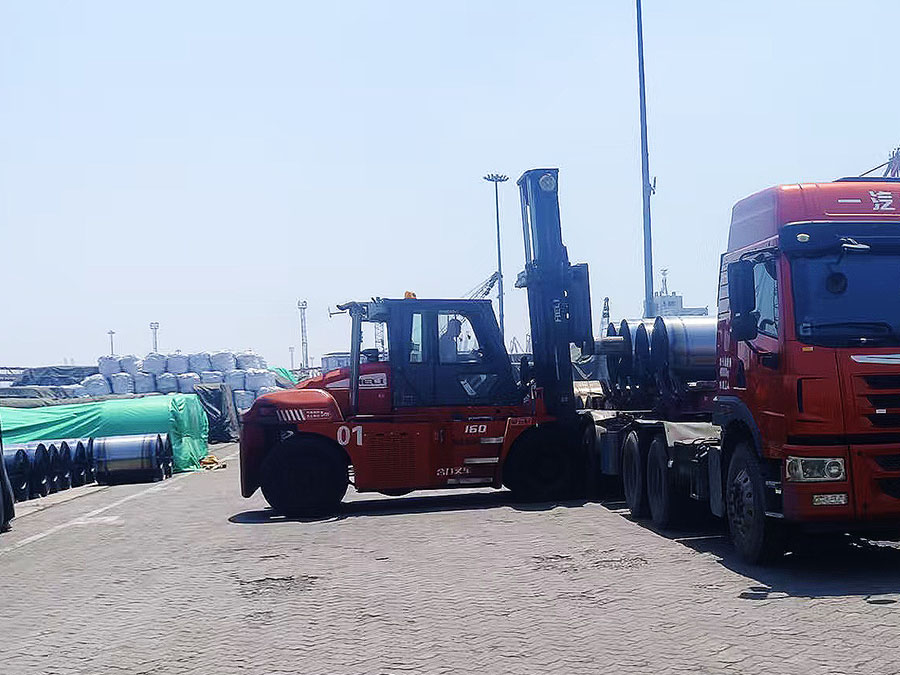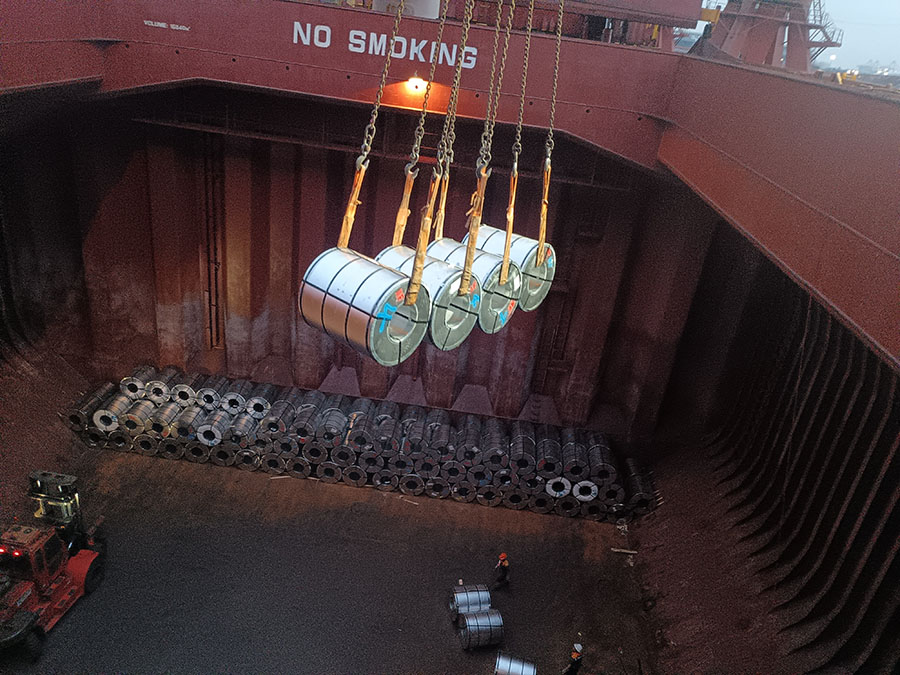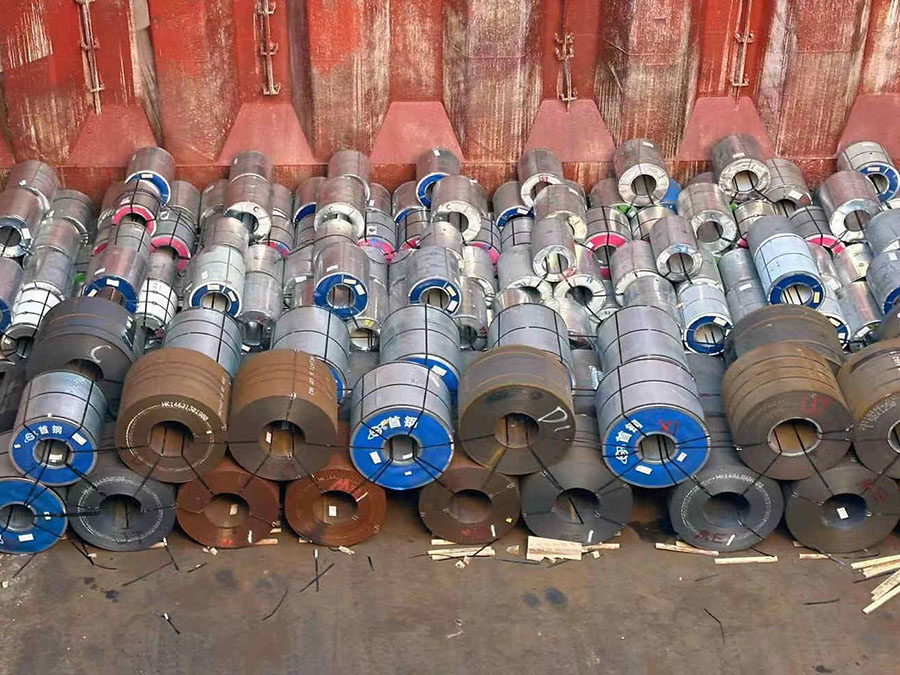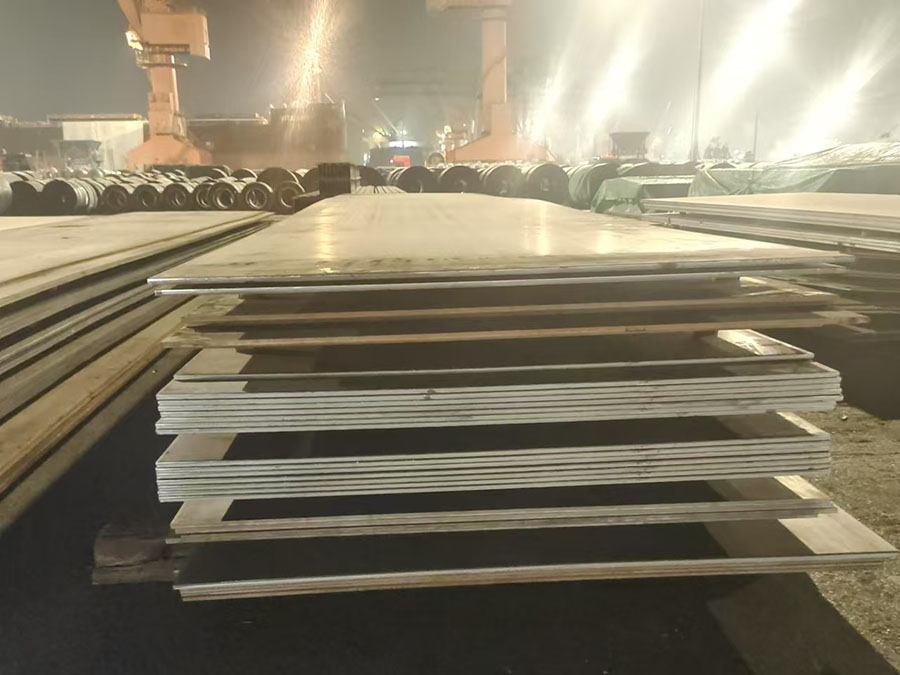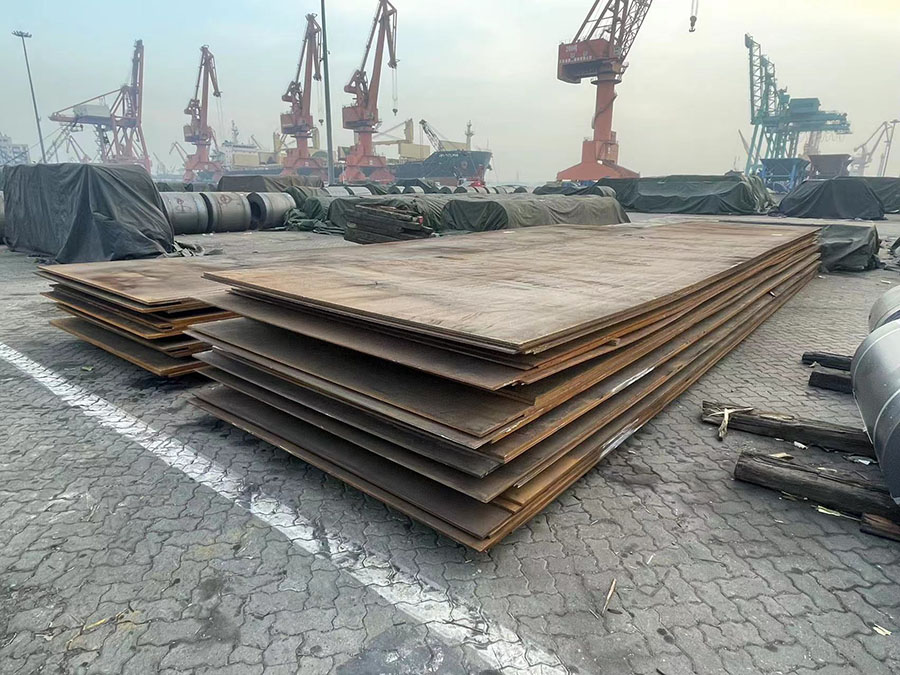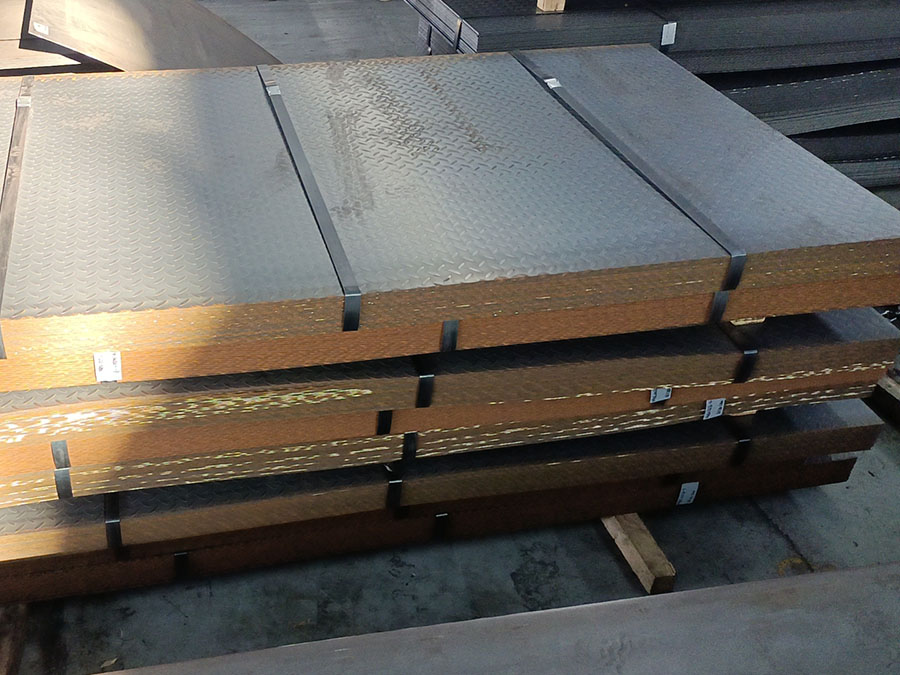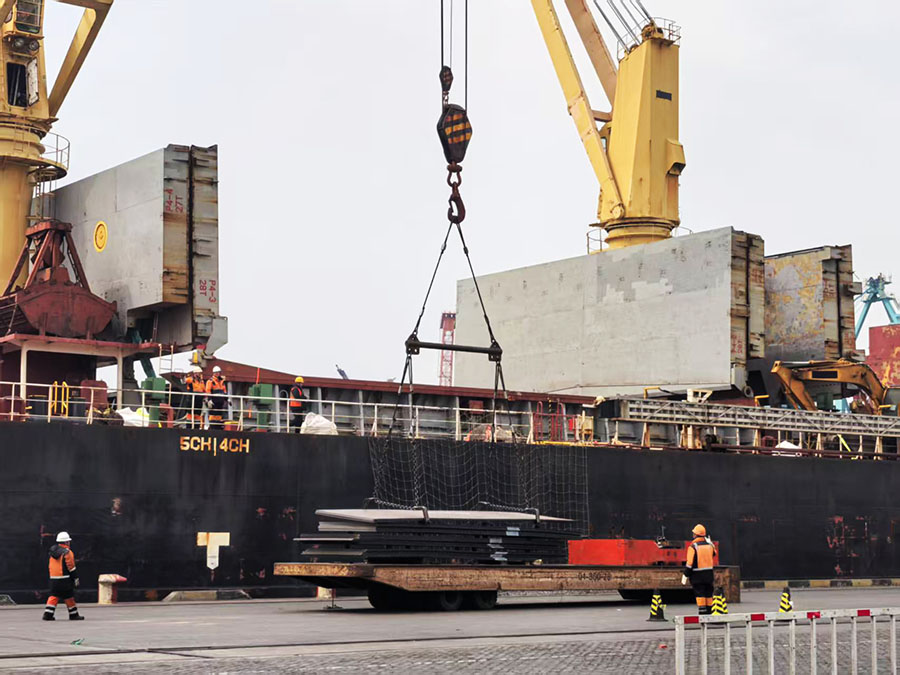
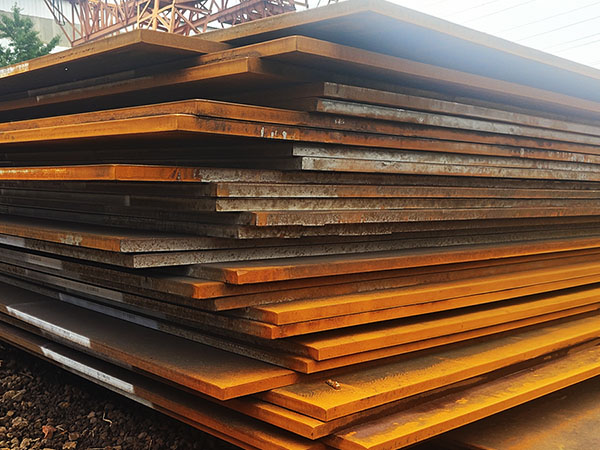
S890QL is a quenched and tempered ultra-high-strength low-alloy structural steel specified in the EN 10025-6 standard, with material number 1.8983. It features excellent load-bearing capacity, good weldability, and low-temperature toughness, and is widely used in engineering machinery, long-span steel structures, lifting and transportation equipment, mining machinery, and energy equipment in cold regions at high latitudes.
Standard :
EN 10025-6Grade :
S890QLThickness :
3.0 - 100.0 mmWidth :
1,500.0 - 2,500.0 mmLength :
3,000.0 - 12,000.0 mm* Specifications and dimensions can be customized.
* Machining services are available.
S890QL high-strength structural steel plate is a quenched and tempered, fine-grained, high-strength structural steel plate specified in the EN 10025-6 standard, with material number 1.8983. It is specifically designed for load-bearing structures in harsh low-temperature environments, combining ultra-high strength, good low-temperature toughness, weldability, and an excellent strength-to-weight ratio. It is suitable for heavy machinery, industrial equipment, and steel structure projects in cold latitudes.
We supply S890QL high-strength steel plates in a full range of specifications, accompanied by original Manufacturer’s Test Certificates (MTCs). We also offer processing services such as custom fabrication of non-standard dimensions, cut-to-length, bending, roll forming, edge milling, shot blasting for rust removal, and anti-corrosion coating.
S: Structural Steel
890: Minimum yield strength (ReH) 890 MPa
Q: Quenched and tempered
L: Low-temperature toughness level (Impact energy ≥ 30J, at -40℃, longitudinal)
| Product Name | S890QL High Strength Structural Steel Plate |
|---|---|
| Standard | EN 10025-6 (Hot rolled products of structural steels - Part 6: Technical delivery conditions for flat products made of high yield strength structural steels in the quenched and tempered condition) |
| Grade | S890QL |
| Material Number | 1.8983 |
| Classification | Ultra-High-Strength Structural Steel |
| Thickness | 3.0 - 100.0 mm |
| Width | 1,500.0 - 2,500.0 mm |
| Length | 3,000.0 - 12,000.0 mm |
| Delivery Conditions | Quenched and Tempered (Q+T) |
| Weldability | Good weldability, but strict process procedures (Pre-heating, Low Hydrogen Welding Materials, Post-Weld Heat Treatment, etc.) must still be followed during welding. The core risks are cold cracking (hydrogen-induced cracking) and toughness degradation in the heat-affected zone (HAZ). |
| Machinability | Cutting can be performed using laser, plasma, or flame cutting, but heat input must be controlled to avoid embrittlement in the heat-affected zone. The bending radius should be ≥5 times the plate thickness, and stress relief treatment is required after cold forming. |
| Surface Treatment | Pickling, shot blasting, sandblasting, oil coating, paint spraying, etc. |
| Quality Control | Provide MTC. Non-destructive testing (e.g., UT ultrasonic testing), re-inspection of mechanical properties and Z-direction property testing (Grades Z15/Z25/Z35) can be added. |
| Certification & Inspection | ISO 9001 Quality Certification, EN 10025-6 Standard Certification, SGS/BV/TÜV Third-Party Inspection. |
| MOQ | 20 tons (small orders can be negotiated). |
| Delivery Time | 15 - 20 days after order confirmation (urgent orders accepted). |
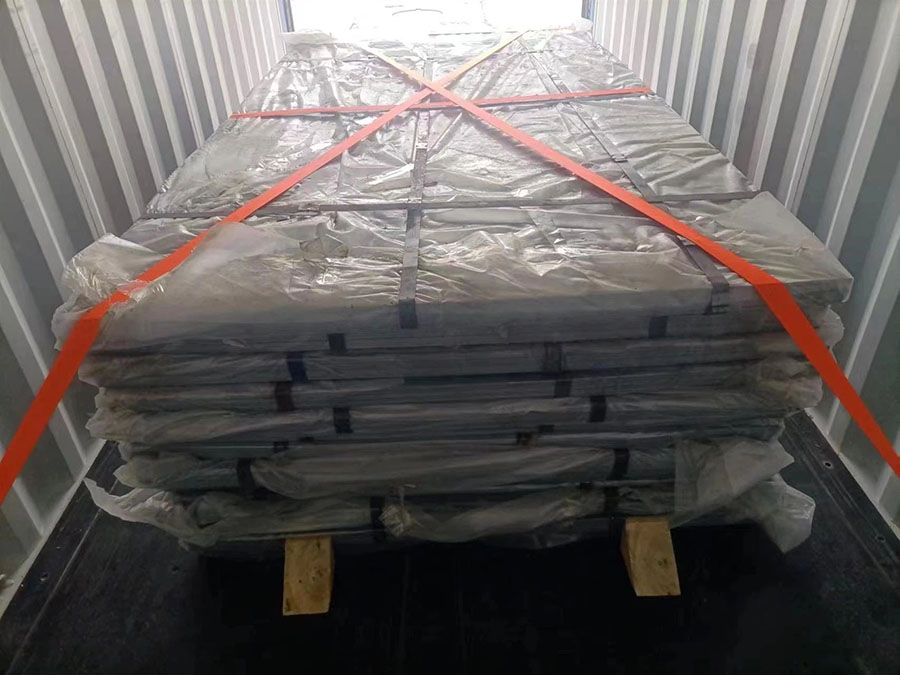
| Packaging | Standard export packaging for sea transport, or as required. |
| Country of origin | China |
| Element | C | Si | Mn | P | S | N | B | Cr | Cu | Mo | Nb | Ni | Ti | V | Zr |
|---|---|---|---|---|---|---|---|---|---|---|---|---|---|---|---|
| Content (max, %) | 0.20 | 0.80 | 1.70 | 0.020 | 0.010 | 0.015 | 0.005 | 1.50 | 0.50 | 0.70 | 0.06 | 2.0 | 0.05 | 0.12 | 0.15 |
Note:
1) P and S are detrimental elements, strictly limited to avoid brittleness;
2) Alloying elements like Cr, Mo, Ni enhance strength and toughness;
3) Microalloying elements V, Nb, Ti refine the grain structure to optimize mechanical properties.
| Thickness (t) [mm] | CEV [max, %] |
|---|---|
| t ≤ 50 | 0.72 |
| 50 < t ≤ 100 | 0.82 |
| 100 < t ≤ 150 | - |
| Thickness (t) [mm] | Yield Strength (ReH) [MPa] | Tensile Strength (Rm) [MPa] | Elongation (A) [%] |
|---|---|---|---|
| 3 ≤ t ≤ 50 | ≥ 890 | 940 - 1100 | ≥ 11 |
| 50 < t ≤ 100 | ≥ 830 | 880 - 1100 | ≥ 11 |
| 100 < t ≤ 150 | - | - | ≥ 11 |
Note: The values vary slightly with thickness, as the cooling rate during quenching differs, affecting the final microstructure.
| Impact Test Temperature | Impact Energy (KV2), longitudinal |
|---|---|
| 0 ℃ | ≥ 50 J |
| - 20 ℃ | ≥ 40 J |
| - 40 ℃ | ≥ 30 J |
| - 60 ℃ | - |
S890QL steel plates, which undergo quenching and tempering, possess outstanding strength properties and can withstand heavy operational loads, making them suitable for engineering equipment with high structural strength requirements.
The high-strength properties of S890QL steel plates make them suitable for weight-sensitive structural designs. By optimizing plate thickness and structural cross-sections, steel consumption can be reduced while still meeting design strength and stiffness requirements.
S890QL steel plates possess good low-temperature toughness (impact energy absorption ≥ 30 J at -40°C), which helps enhance the ability of steel structures to resist brittle fracture in cold environments, under dynamic loads, and in complex operating conditions. They are suitable for construction machinery in cold regions, outdoor lifting equipment, and certain steel structures operating at low temperatures.
S890QL is an ultra-high-strength steel that, through proper control of chemical composition and quenching and tempering processes, possesses weldability suitable for structural fabrication. With scientifically formulated welding procedures, it can be used to manufacture large-scale welded structural components.
S890QL steel plates undergo quenching and tempering treatment to achieve a good balance between strength and toughness, meeting the comprehensive requirements for load-bearing capacity and fracture resistance in high-load structural components.
The high strength of S890QL steel plates helps optimize structural design, reducing plate thickness and material consumption in certain structures, thereby achieving cost optimization over the entire life cycle.
EN 10025-6 S890QL, leveraging its combined advantages of "high strength, high toughness, and weldability," is widely used in engineering scenarios involving heavy loads, low temperatures, and complex stress conditions:
One of the most typical applications for S890QL includes:
telescopic booms for truck cranes, booms for crawler cranes, structural components for tower and mobile cranes, port cranes, offshore lifting equipment, and booms for aerial work platforms.
S890QL is suitable for structural components in construction machinery that are subjected to high stresses and dynamic loads, such as:
boom arms and dippers on large excavators, loader structural components, heavy-duty structures on bulldozers, outriggers on concrete pump trucks, pile-driving machinery, and aerial work platforms.
Mining equipment typically must withstand significant static loads, impact loads, and complex stresses; therefore, S890QL can be used for:
frames of mining dump trucks, structures of large loaders, excavator booms, structural components of mining conveying equipment, frames of heavy-duty crushing equipment, load-bearing components of mining machinery, etc.
S890QL can also be used in transportation structures requiring high strength and low weight, such as:
Heavy-duty truck frames, articulated dump trucks, semi-trailer main beams, specialized transport vehicles, heavy-duty trailers, and load-bearing structures for large-scale transportation equipment.
The low-temperature impact performance of S890QL enables its use in high-strength structures under certain demanding environments, such as:
Offshore cranes, support structures for offshore engineering equipment, port loading and unloading equipment, certain load-bearing structures of offshore platforms, and offshore lifting equipment.
S890QL can be used in certain steel structures requiring high load-bearing capacity, including:
Heavy-duty bridge components, large industrial plant structures, heavy-duty crane beams, long-span steel structures, and large support structures.
In wind power and energy engineering, S890QL can be used in certain high-strength load-bearing structures, such as:
Wind turbine installation equipment, wind turbine maintenance lifting equipment, heavy-duty energy equipment frames, large lifting and transport devices, and certain offshore wind power construction equipment.
Due to its high strength, the following key points should be noted when machining S890QL:
It has moderate weldability (requiring strict process control). Preheating is necessary before welding (preheating temperature: 150–200°C), and slow cooling or post-weld heat treatment (holding at 200–250°C) is required after welding to avoid cracking. Low-hydrogen electrodes (e.g., E11018-G) or gas-shielded welding (MIG/MAG, welding wire ER110S-G) are recommended.
Due to its high hardness, carbide tools (e.g., WC-Co alloy) should be used. Cutting speed should be reduced (recommended 50–100 m/min), and feed rate should be increased to avoid excessive tool wear.
Cold forming is challenging, and it is advisable to perform small deformations at room temperature. For large deformations, hot forming (temperature: 600–800°C) should be adopted, followed by retempering to restore properties.
S890QL corresponds to the following high-strength steel grades in other countries/regions and can be substituted according to project standard requirements:
| Standard System | Corresponding Steel Grade | Yield Strength (MPa) | Low-Temperature Impact Temperature (°C) |
|---|---|---|---|
| European EN10025-6 (Europe) | S890QL | ≥ 890 | - 40 |
| ASTM A514 (United States) | A514 Grade Q | ≥ 690 | - 40 |
| GB/T 16270 (China) | Q890E | ≥ 890 | - 40 |
The steel mill must provide an EN10204-3.1 or 3.2 certification, clearly stating mechanical properties, chemical composition, and non-destructive testing results (e.g., UT inspection).
For critical structures, 100% ultrasonic testing (compliant with EN10160) is recommended to detect internal defects.
Sampling for tensile tests and impact tests can be conducted to verify whether the actual performance meets requirements.
The surface must be free of cracks, scars, folds, and other defects. Minor scratches (depth ≤ 0.5mm) are acceptable.
In summary, EN10025-6 S890QL is a high-performance structural steel. Its core value lies in the "balance between high strength and low-temperature toughness," making it a critical material for heavy-duty engineering and extreme working conditions. However, attention must be paid to the compatibility of processing and welding techniques.
A:
Yes, but the carbon equivalent is relatively high. Thick plates require preheating; follow an approved WPS and select compatible low-hydrogen welding consumables.
A:
All three grades comply with the EN 10025-6 standard and have the same minimum yield strength of 890 MPa. The difference lies in the guaranteed temperature for an impact energy of ≥30 J in the Charpy V-notch impact test:
S890Q: -20°C
S890QL: -40°C
S890QL1: -60°C
In terms of strict control over the chemical composition—specifically phosphorus (P), sulfur (S), and other impurities—S890QL1 > S890QL > S890Q.
A:
We can provide official MTC factory test reports, ISO 9001 quality management system certification, and authoritative third-party inspection reports from SGS, BV, and TÜV. All documents are internationally recognized and can be used to support bidding for projects in cold regions worldwide, engineering acceptance inspections, and customs clearance for cross-border trade.
A:
High-strength low-alloy steel plates offer excellent weldability. As their carbon content is typically low (below 0.2%), they present a lower risk of cracking during welding compared to standard high-strength steel plates and generally do not require complex preheating treatments.
A:
The key advantage of high-strength low-alloy steels is weight reduction. As they offer greater strength, thinner sheets can be used to withstand the same loads, thereby reducing the overall weight of the structure; in the automotive sector, this leads to improved fuel efficiency.
A:
High-strength low-alloy steel (HSLA) is a type of steel in which small amounts of alloying elements (such as niobium, vanadium, titanium or copper) are added to enhance its mechanical properties. Compared to traditional carbon steel, it offers higher yield strength and better corrosion resistance whilst maintaining good weldability and formability.
– We offer free samples and bespoke solutions. Please feel free to enquire about our latest prices and volume discounts.
Yuxin Steel provides high-quality steel products to customers in more than 20 countries worldwide.
Contact Info
Would you like to know more about our offers? Please feel free to contact us.