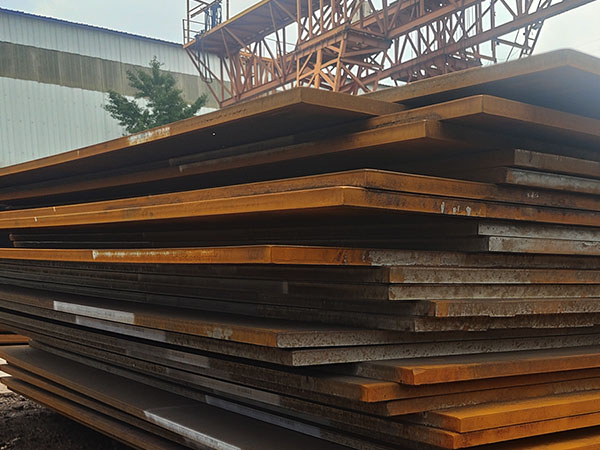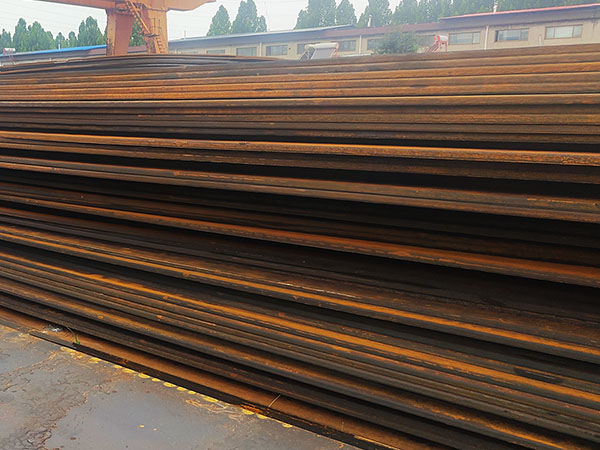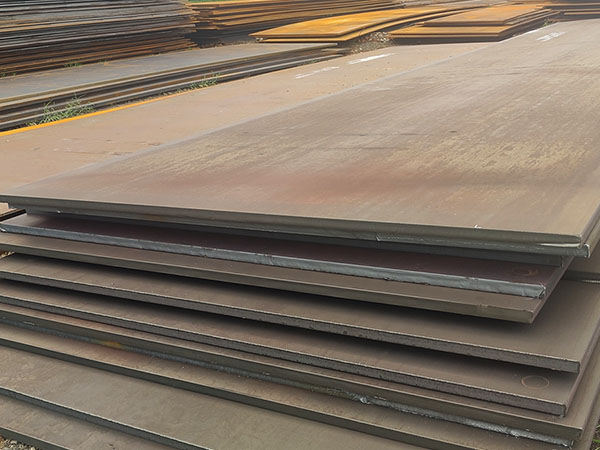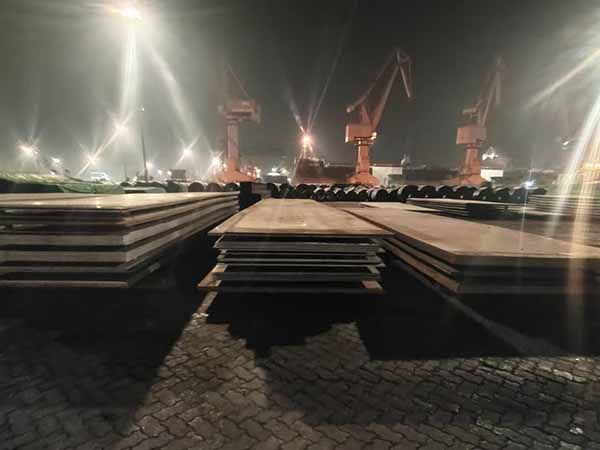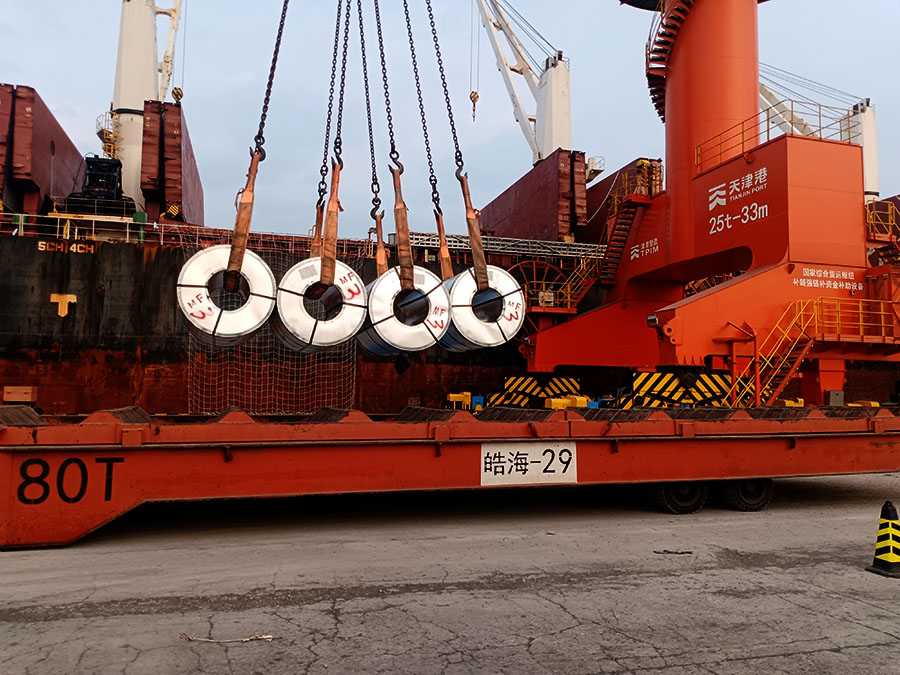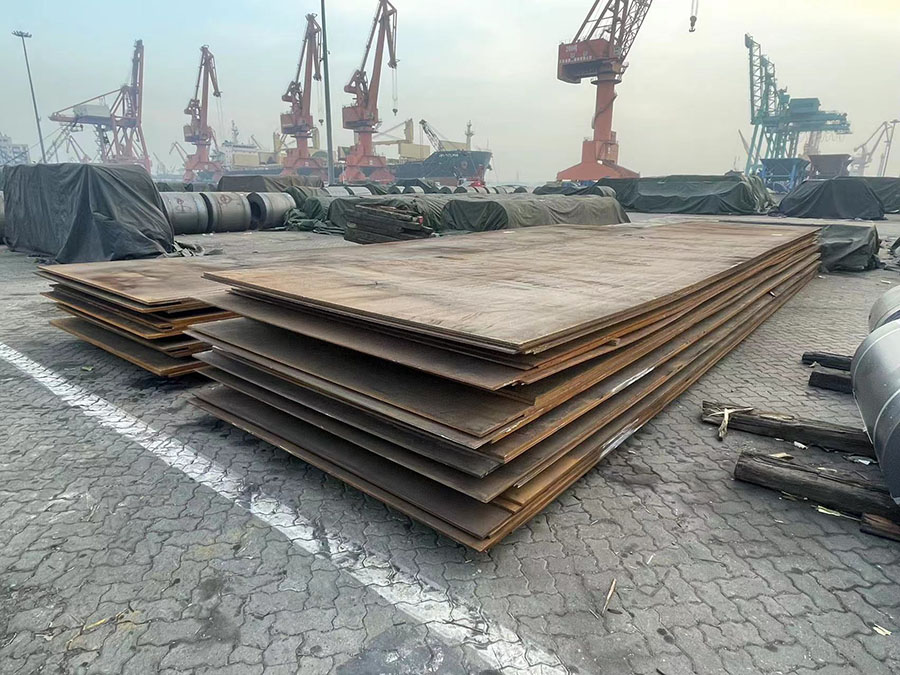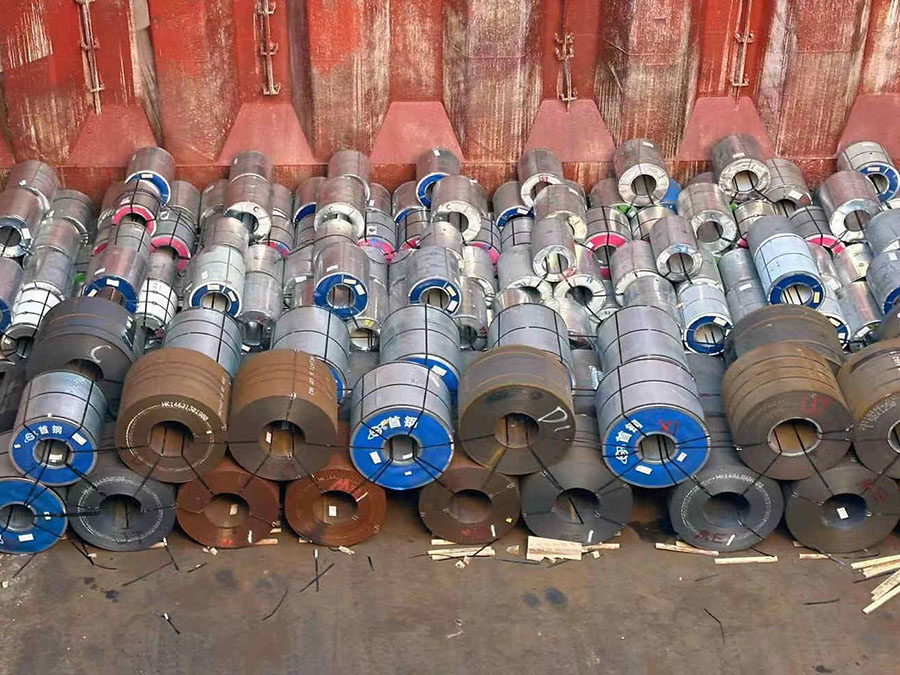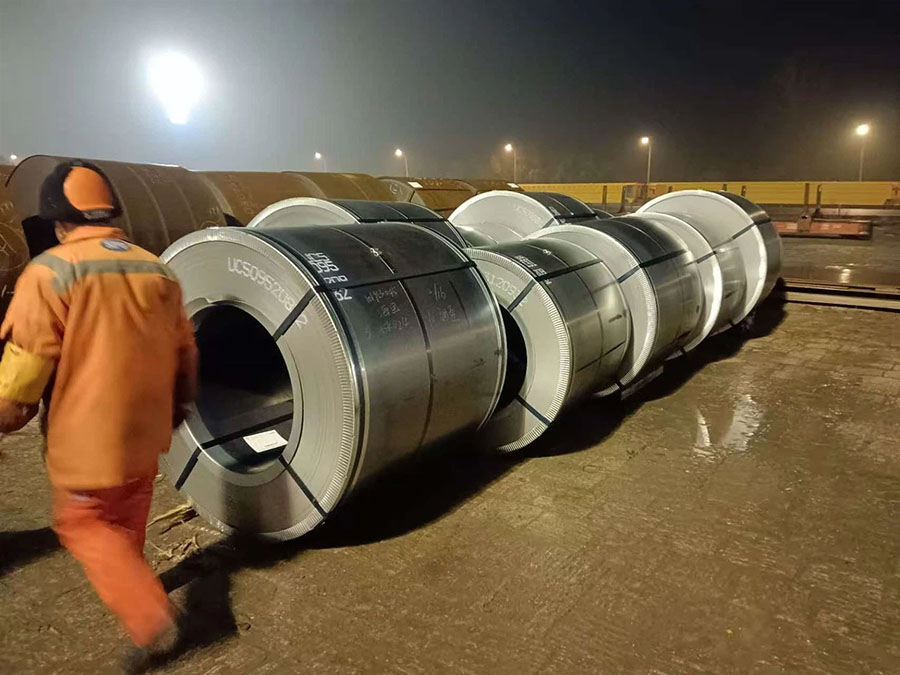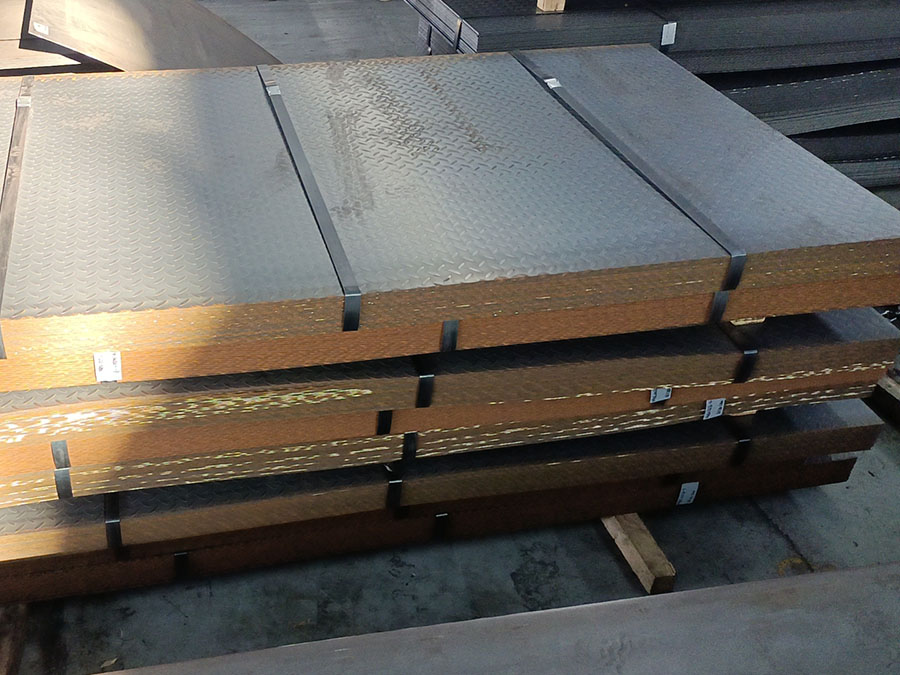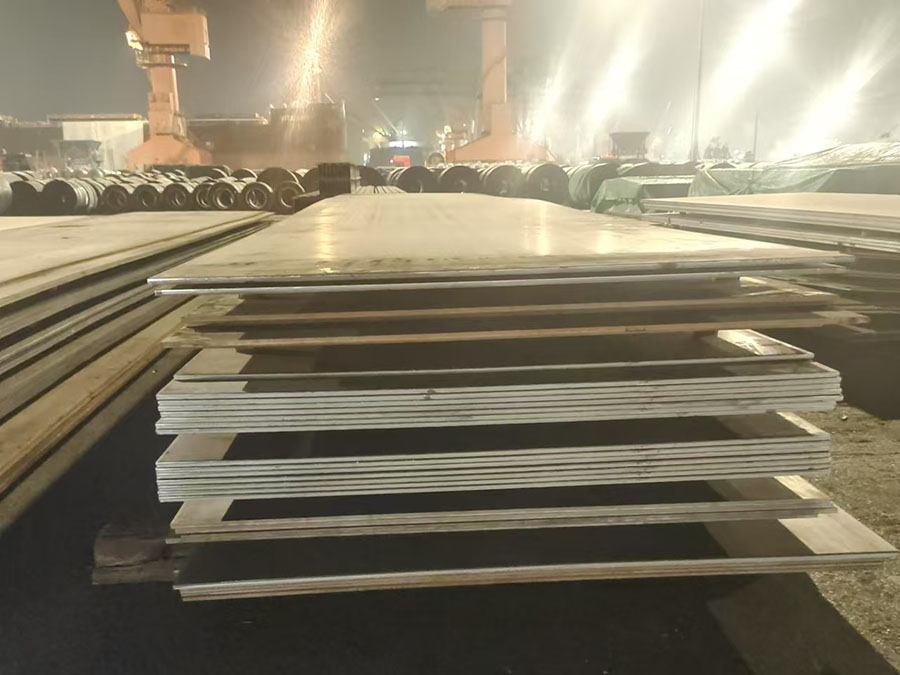
S890Q high-strength structural steel plate is a quenched and tempered, fine-grained, high-strength, low-alloy structural steel that strictly complies with the European standard EN 10025-6. It is widely used in heavy machinery structures, mobile machinery, lifting equipment, and lightweight engineering projects, where it can significantly reduce the structural weight while maintaining high safety and reliability under heavy-load conditions. We supply a full range of S890Q steel plates, accompanied by complete Material Test Certificates (MTCs), and support third-party inspections. We also offer services such as customization of non-standard dimensions, cut-to-length processing, pickling, shot blasting, and anti-corrosion coatings.
Certification :
LR RulesStandard :
EN 10025-6Grade :
S890QThickness :
3.0 - 100.0 mmWidth :
1,500.0 - 2,500.0 mmLength :
3,000.0 - 12,000.0 mm* Specifications and dimensions can be customized.
* Machining services are available.
S890Q high-strength structural steel plate (Material No. 1.8940) is a quenched and tempered (QT) fine-grained, high-strength, low-alloy structural steel as specified in EN 10025-6, supplied in a quenched and tempered condition. Its minimum yield strength is 890 MPa, and its tensile strength ranges from 940 to 1100 MPa.
S890Q high-strength structural steel plate combines ultra-high strength with good weldability, formability, and fatigue resistance, enabling lightweight structural design for heavy-duty components. It is widely used in cranes and lifting equipment, mining and earthmoving machinery, offshore engineering, bridges and heavy structures, transportation, and specialty vehicles.
S: Structural Steel
890: Minimum yield strength (ReH) 890 MPa (for thickness ≤50 mm)
Q: Quenched and tempered
| Product Name | S890Q High Strength Structural Steel Plate |
|---|---|
| Standard | EN 10025-6 (Hot rolled products of structural steels - Part 6: Technical delivery conditions for flat products made of high yield strength structural steels in the quenched and tempered condition) |
| Grade | S890Q |
| Material Number | 1.8940 |
| Classification | Ultra-High-Strength Structural Steel |
| Thickness | 3.0 - 100.0 mm |
| Width | 1,500.0 - 2,500.0 mm |
| Length | 3,000.0 - 12,000.0 mm |
| Delivery Conditions | Quenched and Tempered (Q+T) |
| Weldability | Good weldability, but strict process procedures (Pre-heating, Low Hydrogen Welding Materials, Post-Weld Heat Treatment, etc.) must still be followed during welding. The core risks are cold cracking (hydrogen-induced cracking) and toughness degradation in the heat-affected zone (HAZ). |
| Machinability | Cutting can be performed using laser, plasma, or flame cutting, but heat input must be controlled to avoid embrittlement in the heat-affected zone. The bending radius should be ≥5 times the plate thickness, and stress relief treatment is required after cold forming. |
| Surface Treatment | Pickling, shot blasting, sandblasting, oil coating, paint spraying, etc. |
| Quality Control | Provide MTC. Non-destructive testing (e.g., UT ultrasonic testing), re-inspection of mechanical properties and Z-direction property testing (Grades Z15/Z25/Z35) can be added. |
| Certification & Inspection | ISO 9001 Quality Certification, EN 10025-6 Standard Certification, SGS/BV/TÜV Third-Party Inspection. |
| MOQ | 20 tons (small orders can be negotiated). |
| Delivery Time | 15 - 20 days after order confirmation (urgent orders accepted). |
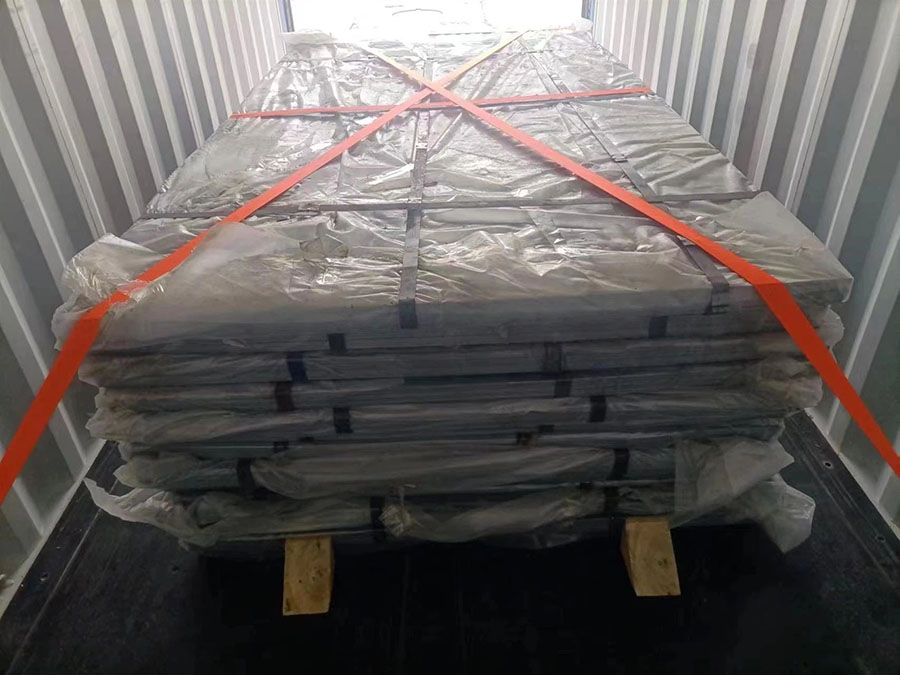
| Packaging | Standard export packaging for sea transport, or as required. |
| Country of origin | China |
| Element | C | Si | Mn | P | S | N | B | Cr | Cu | Mo | Nb | Ni | Ti | V | Zr |
|---|---|---|---|---|---|---|---|---|---|---|---|---|---|---|---|
| Content (max, %) | 0.20 | 0.80 | 1.70 | 0.025 | 0.015 | 0.015 | 0.005 | 1.50 | 0.50 | 0.70 | 0.06 | 2.0 | 0.05 | 0.12 | 0.15 |
1. The chemical composition achieves a balance of high strength and toughness through alloying elements (such as Cr, Mo, Ni) and microalloying elements (Nb, V, Ti), while controlling the content of harmful elements (P, S).
2. Cr and Mo enhance hardenability and strength; Ni improves low-temperature toughness; Nb, V, and Ti refine the grain structure, increasing strength and toughness; low P and S reduce inclusions and decrease brittleness.
| Thickness (t) [mm] | CEV [max, %] |
|---|---|
| t ≤ 50 | 0.72 |
| 50 < t ≤ 100 | 0.82 |
| 100 < t ≤ 150 | - |
| Thickness (t) [mm] | Yield Strength (ReH) [MPa] | Tensile Strength (Rm) [MPa] | Elongation (A) [%] |
|---|---|---|---|
| 3 ≤ t ≤ 50 | ≥ 890 | 940 - 1100 | ≥ 11 |
| 50 < t ≤ 100 | ≥ 830 | 880 - 1100 | ≥ 11 |
| 100 < t ≤ 150 | - | - | ≥ 11 |
Note: The values vary slightly with thickness, as the cooling rate during quenching differs, affecting the final microstructure.
| Impact Test Temperature | Impact Energy (KV2), longitudinal |
|---|---|
| 0 ℃ | ≥ 40 J |
| - 20 ℃ | ≥ 30 J |
| - 40 ℃ | - |
| - 60 ℃ | - |
While meeting the same structural strength requirements, the use of S890Q allows for thinner steel plates, reduces the structure’s dead weight, increases the equipment’s load-bearing capacity, and minimizes steel consumption.
It is particularly suitable for structures that require both lightweight construction and high load-bearing capacity, such as cranes and lifting equipment, mining machinery, construction machinery, heavy-duty transport equipment, high-load steel structures, bridges and large structural components, and offshore engineering equipment.
S890Q possesses good impact toughness, with the following Charpy V-notch impact energy absorption requirements:
0°C: Longitudinal ≥ 40 J, Transverse ≥ 30 J
-20°C: Longitudinal ≥ 30 J, Transverse ≥ 27 J
Therefore, S890Q not only offers high strength but also meets structural safety requirements in certain low-temperature environments.
S890Q steel plates are supplied in a quenched and tempered (QT) condition. This heat treatment process achieves high strength while maintaining a certain level of ductility and toughness, serving as a crucial foundation for S890Q’s application in high-strength structural applications.
S890Q can be cut, formed, and welded; however, due to its high strength, its processing requirements are generally higher than those of ordinary carbon steel. When welding, specialized welding procedures should be developed based on factors such as plate thickness, carbon equivalent, heat input, preheating, and interpass temperatures; welding parameters for ordinary structural steel should not be directly applied.
The high yield strength and tensile strength of S890Q make it suitable for manufacturing structural components subjected to significant static or dynamic loads.
S890Q is one of the key materials used in large mobile cranes, aerial work platforms, and heavy-duty lifting equipment.
Its primary applications include: crane booms, telescoping booms, boom connection components, outriggers, high-stress structures, and load-bearing components of lifting equipment.
By leveraging the high yield strength of S890Q, the thickness of steel plates and the structural weight can be reduced while still meeting load-bearing requirements, thereby enhancing the equipment’s lifting capacity and mobility.
S890Q is suitable for high-load structural components in various types of heavy-duty construction machinery, such as: excavator booms and dippers, loader structural components, bulldozer load-bearing parts, drill rig structures, electric shovels and large construction equipment, as well as heavy-duty construction machinery undercarriages and frames.
For components subjected to impact, bending, and cyclic loads, high-strength steel helps reduce structural weight while maintaining high load-bearing capacity.
Mining equipment typically faces significant static loads and dynamic impacts. S890Q can be used in: frames for mining dump trucks, mining transport equipment, hydraulic supports, load-bearing structures for mining equipment, structural components for crushing, loading, and conveying equipment, and mining drills.
In particular, coal mine hydraulic supports and heavy-duty mining equipment have a high demand for high-strength structural steel.
S890Q can be used in vehicle structures that require both high load-bearing capacity and lightweight design, such as: heavy-duty truck frames, mining dump trucks, engineering transport vehicles, load-bearing beams for trailers and semi-trailers, and dump truck bodies and underbody structures.
Reducing structural weight provides vehicles with greater payload capacity.
S890Q can also be used in certain specialized high-strength steel structures, such as bridges and bridge components, high-load support structures, steel gantries and large-scale supports, offshore engineering structures, large platforms, and support components.
However, due to S890Q’s high strength grade, it is typically selected in actual engineering projects when ordinary structural steel cannot meet load-bearing or weight-reduction requirements, rather than for general building steel structures.
S890Q can also be used in certain high-strength offshore engineering and energy equipment, such as: offshore platform support structures, support components for offshore wind power equipment, offshore lifting equipment, pressure steel pipes for hydroelectric power stations, and load-bearing structures for large-scale energy equipment.
Due to high strength, preheating is required before welding (typically 80–150°C, adjusted based on plate thickness and welding materials) to avoid cold cracks.
Low-hydrogen welding materials (e.g., ER110S-G welding wire, E11018-G electrodes) are recommended to match the base metal strength. Control the welding heat input to prevent toughness reduction due to overheating.
Plasma cutting or laser cutting is acceptable (control heat input to avoid edge embrittlement).
For cold forming (e.g., bending), control the bending radius (not less than 3× plate thickness) to prevent cracking.
If used in corrosive environments (e.g., marine, mining), anti-corrosion treatment is required (e.g., sandblasting + anti-corrosion paint, hot-dip galvanizing). In some cases, weathering steel coatings may be applied.
In summary, EN 10025-6 S890Q is a premium, ultra-high-strength structural steel used in demanding applications where its superior strength-to-weight ratio justifies its higher cost and more complex fabrication requirements.
A:
Yes. All of our S890Q high-strength steel plates come with an EN 10204 3.1 factory test certificate; if an EN 10204 3.2 certificate is required, we can arrange for inspections by third-party inspection agencies such as SGS, BV, or TÜV upon request.
A:
All three grades comply with the EN 10025-6 standard and have the same minimum yield strength of 890 MPa. The difference lies in the guaranteed temperature for an impact energy of ≥30 J in the Charpy V-notch impact test:
S890Q: -20°C
S890QL: -40°C
S890QL1: -60°C
In terms of strict control over the chemical composition—specifically phosphorus (P), sulfur (S), and other impurities—S890QL1 > S890QL > S890Q.
A:
We can provide official MTC factory test reports, ISO 9001 quality management system certification, and authoritative third-party inspection reports from SGS, BV, and TÜV. All documents are internationally recognized and can be used to support bidding for projects in cold regions worldwide, engineering acceptance inspections, and customs clearance for cross-border trade.
A:
High-strength low-alloy steel plates offer excellent weldability. As their carbon content is typically low (below 0.2%), they present a lower risk of cracking during welding compared to standard high-strength steel plates and generally do not require complex preheating treatments.
A:
The key advantage of high-strength low-alloy steels is weight reduction. As they offer greater strength, thinner sheets can be used to withstand the same loads, thereby reducing the overall weight of the structure; in the automotive sector, this leads to improved fuel efficiency.
A:
High-strength low-alloy steel (HSLA) is a type of steel in which small amounts of alloying elements (such as niobium, vanadium, titanium or copper) are added to enhance its mechanical properties. Compared to traditional carbon steel, it offers higher yield strength and better corrosion resistance whilst maintaining good weldability and formability.
– We offer free samples and bespoke solutions. Please feel free to enquire about our latest prices and volume discounts.
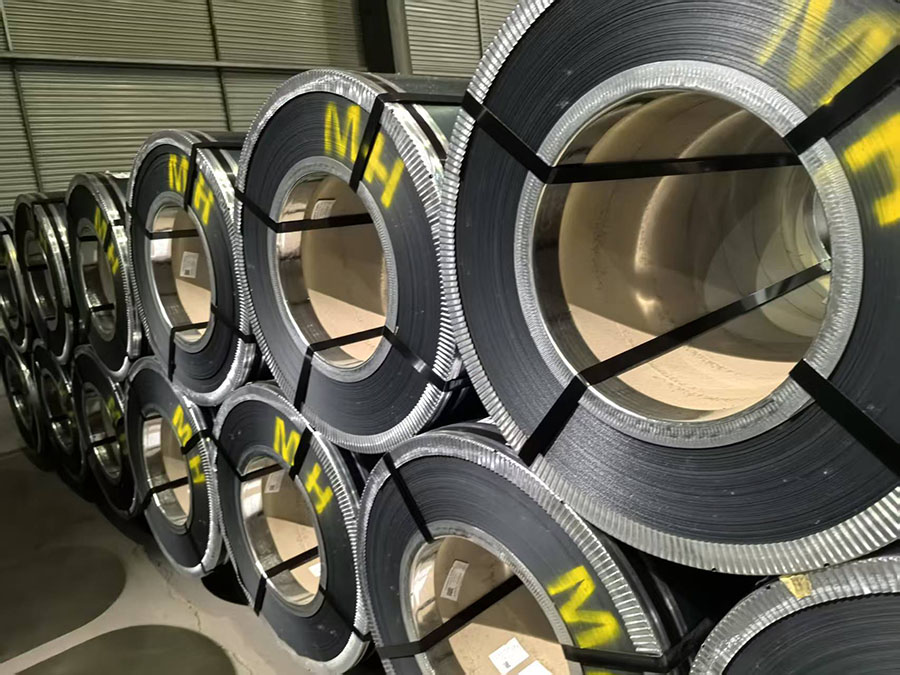
Yuxin Steel provides high-quality steel products to customers in more than 20 countries worldwide.
Contact Info
Would you like to know more about our offers? Please feel free to contact us.