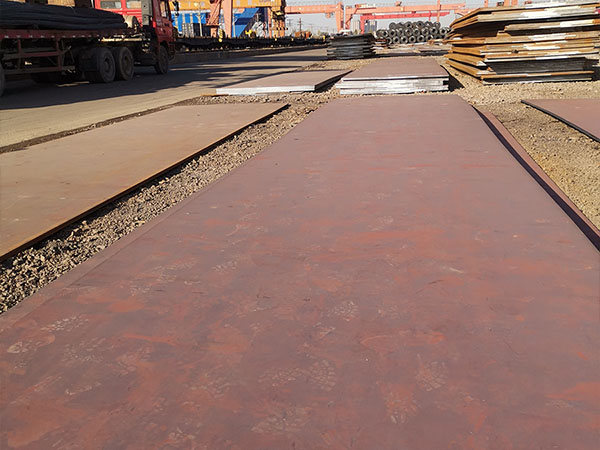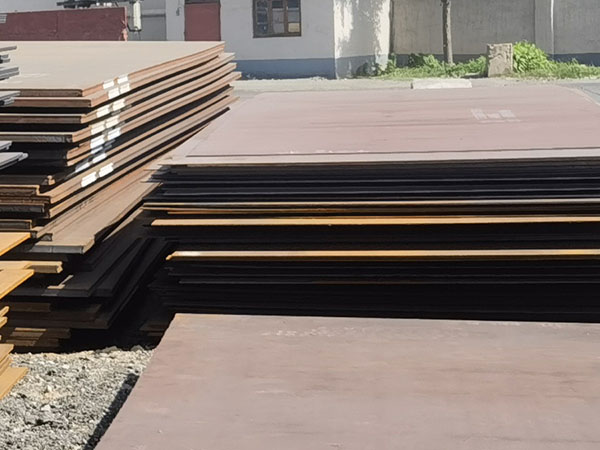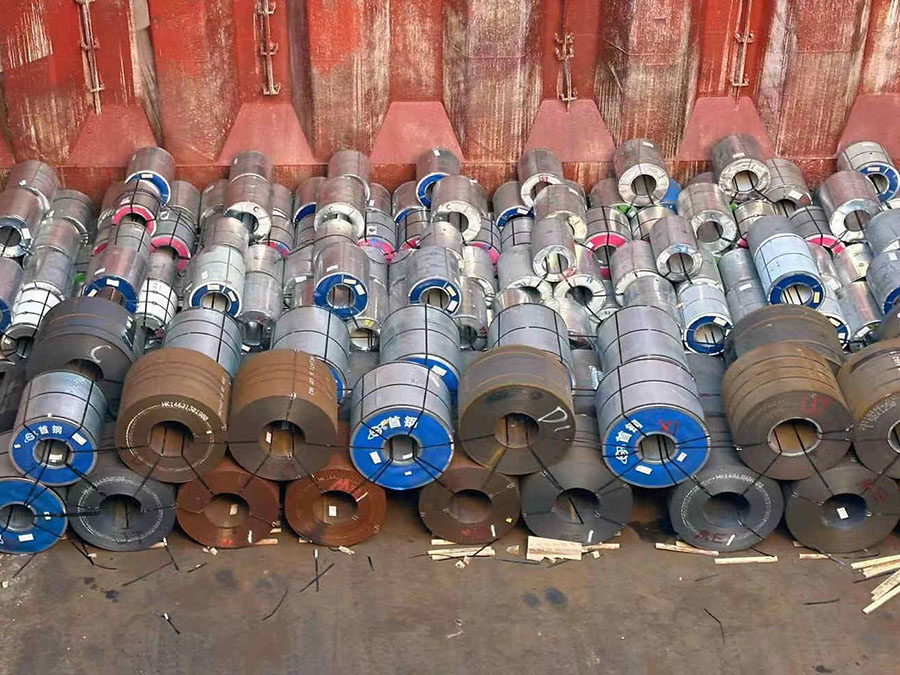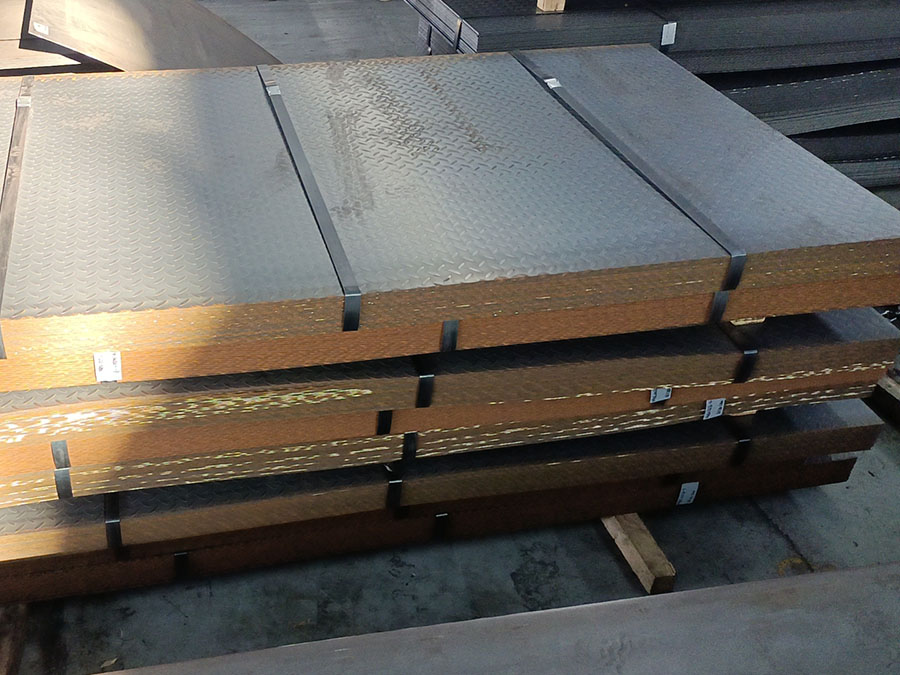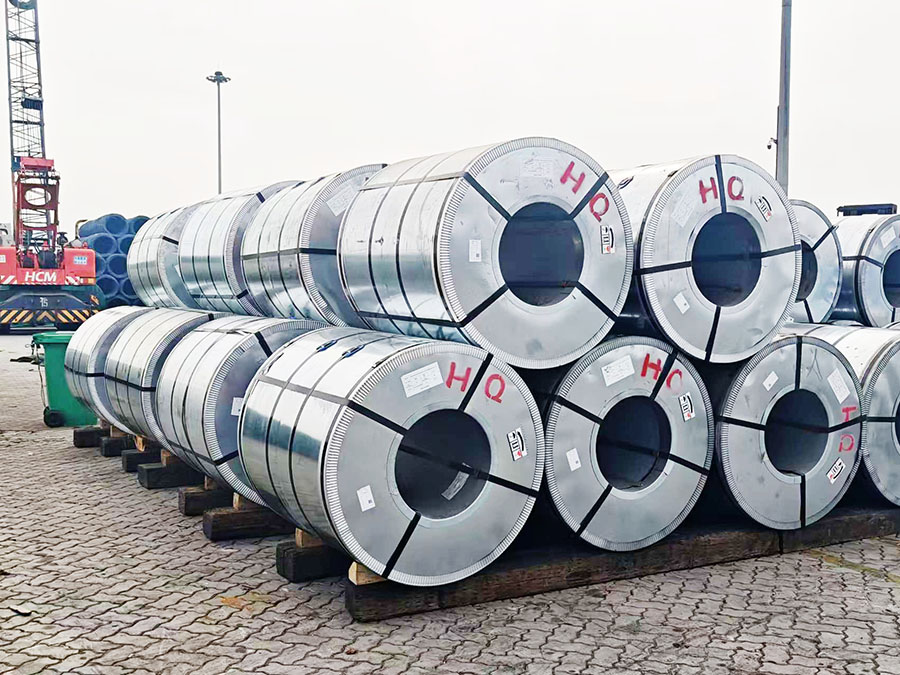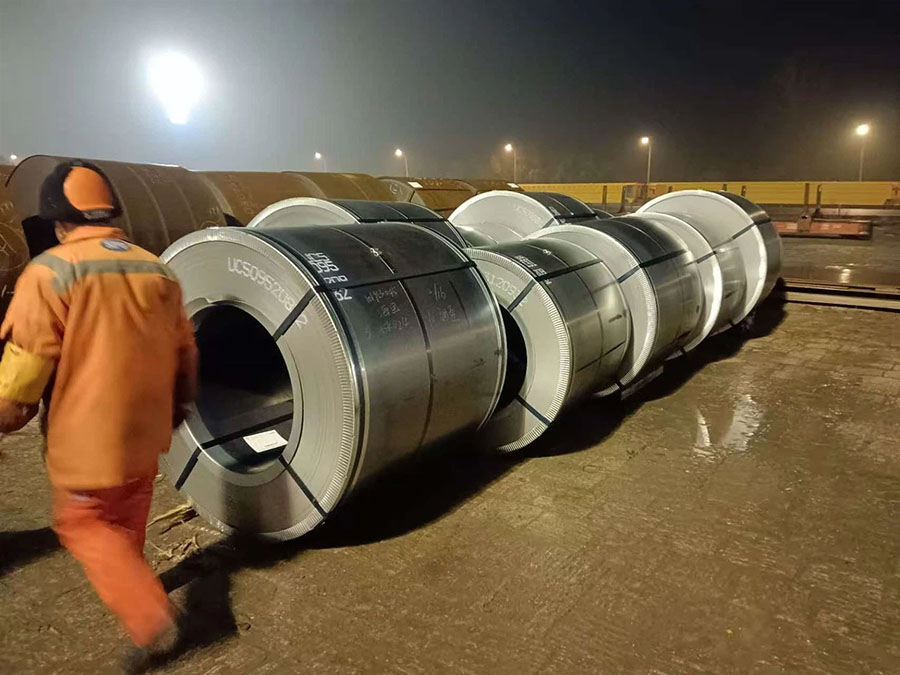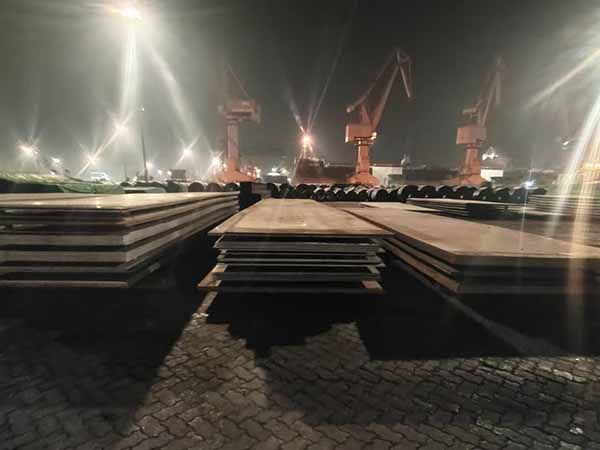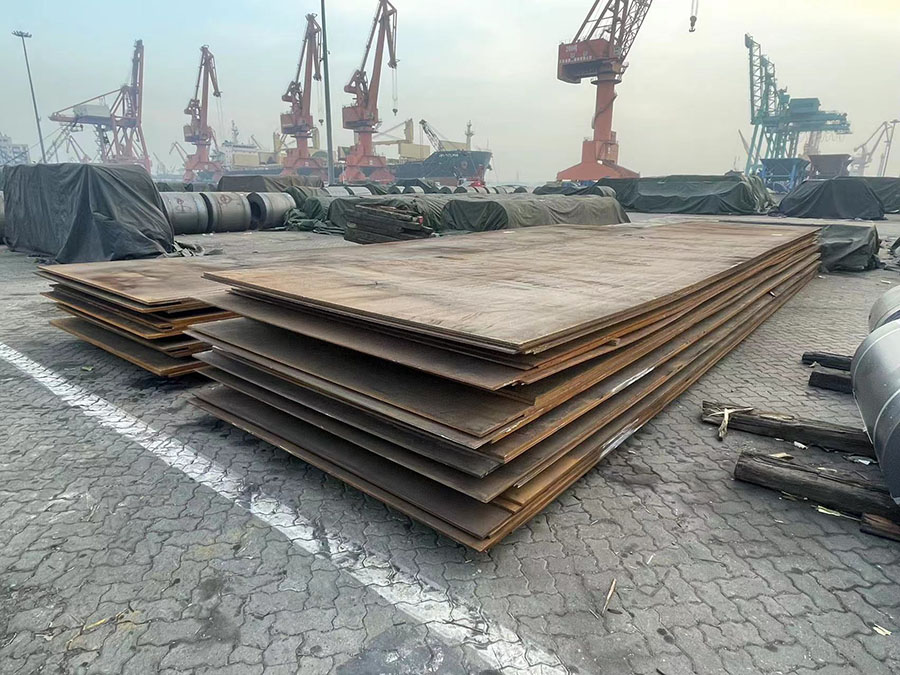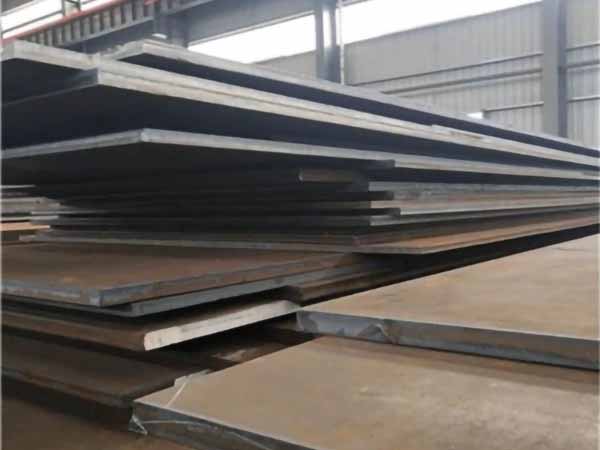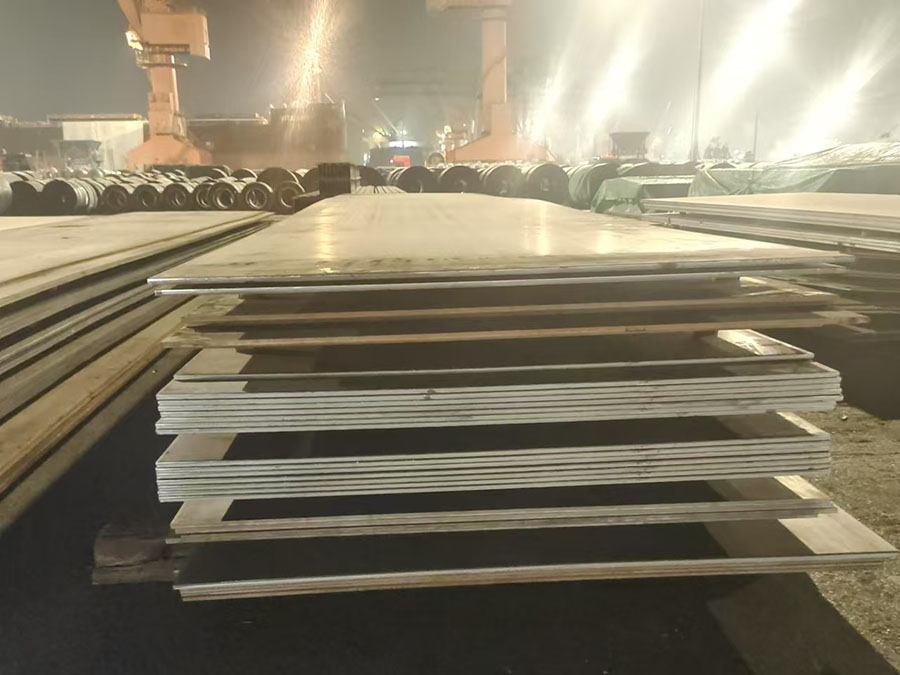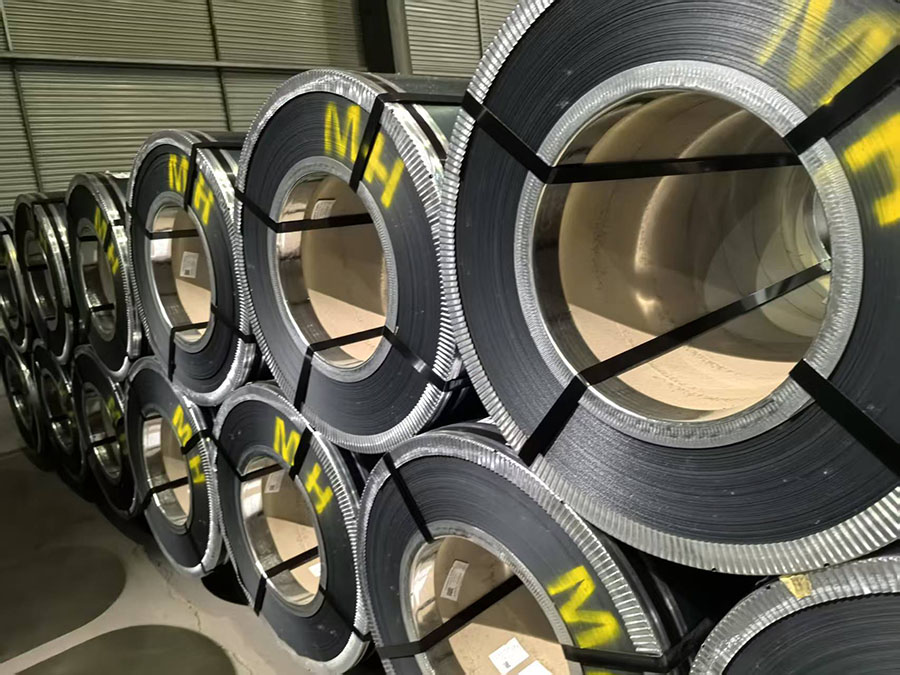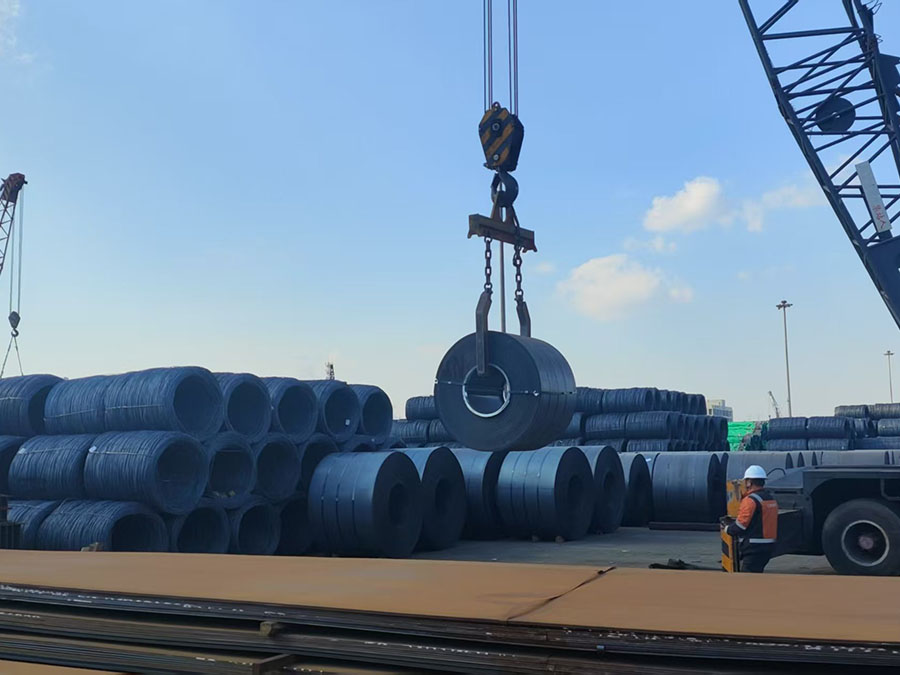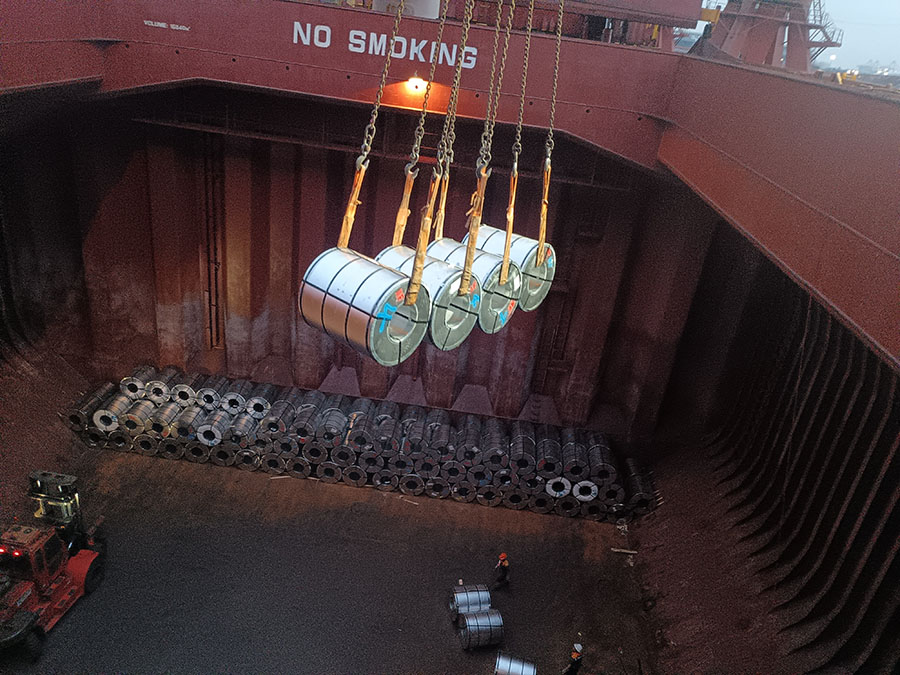
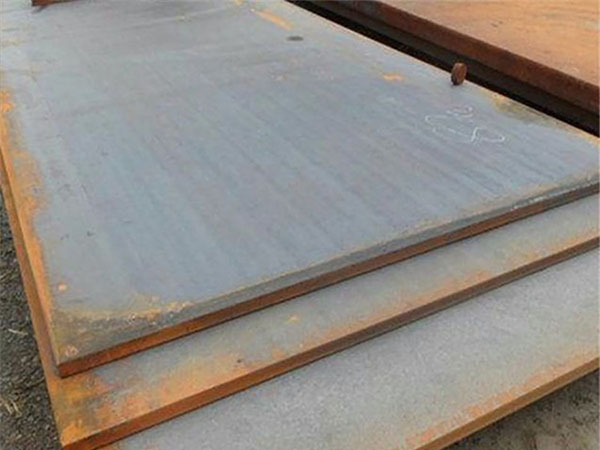
ASTM A573 Grade 65 (A573GR65) is a medium-high strength carbon-manganese-silicon structural steel plate with good impact toughness, primarily used in engineering structures that require high strength and toughness.
Standard :
ASTM A573/A573MGrade :
A573 Grade 65 (A573GR65)Thickness :
0.8 - 30.0 mmWidth :
800.0 - 2500.0 mmLength :
3000.0 - 12000.0 mmSpecial thickness, width, and length can be negotiated separately.
We also provide customized processing services.If you have any questions, please contact us.
ASTM A573 Grade 65 (A573GR65) is a high-performance normalized high-strength carbon-manganese structural plate. Its core advantage lies in maintaining a high yield strength of 240 MPa while offering impact toughness far superior to conventional high-strength steels. This makes it an ideal choice for heavy machinery and critical structures operating in demanding environments, such as low temperatures and under impact loads.
| Grade | A573 Grade 65 (A573GR65) |
|---|---|
| Standard | ASTM A573/A573M: Standard Specification for Structural Carbon Steel Plates of lmproved Toughness |
| Delivery Conditions | Normalized |
| Weldability | Good weldability with a reduced risk of cold cracking. Preheating and post-weld heat treatment (if required) can further improve welding quality. |
| Machinability | Low cutting difficulty, small tool wear, good ductility, easy to shape. |
| Surface Treatment | Pre-treatments such as sandblasting, painting, and galvanizing can be provided to enhance corrosion resistance. |
| Quality Control | Material certificate,tensile testing, chemical composition analysis, ultrasonic testing (UT), etc. |
Key Features and Advantages
1. High Strength: Higher strength than ordinary structural steel (such as A36) and common A572 Gr.50 steel.
2. Excellent Toughness: Normalizing treatment ensures it maintains good impact resistance even in low-temperature environments.
3. Good Weldability: Low carbon equivalent makes it easy to weld without complex preheating and post-heating processes (specific requirements still depend on thickness and joint design).
4. Balanced Comprehensive Performance: Achieves one of the optimal balances among strength, plasticity, toughness, and workability.
| Grade | A573 Grade 65 (A573GR65) | |||||
| Element | C | Si | Mn | P | S | |
| Content (max, %) | thickness ≤ 13 mm | 13 < thickness ≤ 40 mm | ||||
| 0.24 | 0.26 | 0.15 - 0.40 | 0.85 - 1.20 | 0.035 | 0.040 | |
| Grade | Yield Strength (ReH) [min, MPa] | Tensile Strength (Rm) [MPa] | Elongation (A) [min, %] |
|---|---|---|---|
| A573 Grade 65 (A573GR65) | 240 | 450 - 530 | 20 |
Due to its excellent properties, A573 Grade 65 (A573GR65) is commonly used in the manufacturing of heavy-duty equipment, structures, and components that need to withstand certain impact loads.
1. Building structures: Used for main load-bearing components such as beams and columns in high-rise buildings and heavy industrial plants.
2. Bridge engineering: Applied in certain parts of bridges, especially in regions requiring good low-temperature toughness.
3. Engineering machinery equipment: Used in the booms, chassis, and structural components of equipment such as excavators, cranes, and bulldozers.
4. Marine and offshore facilities: Employed in ship superstructures, decks, and certain port machinery.
5. Pressure vessels and storage tanks: Used for manufacturing medium and low-pressure pressure vessels (non-directly fired) and large storage tanks (typically in accordance with ASME standards).
6. Mining machinery: Applied in the frames of mining trucks and the buckets of excavators.
Processing and Welding Considerations
1. Cutting: Can be performed using flame cutting, plasma cutting, or laser cutting.
2. Cold Bending: Exhibits good cold forming properties.
3. Welding:
Although it has good weldability, standard welding specifications must still be followed.
The use of low-hydrogen electrodes is recommended.
For thicker plates or welding in low-temperature environments, appropriate preheating may be required (for example, according to AWS D1.1 specifications, preheating is necessary when the thickness exceeds a certain value).
The welding heat input should be carefully selected to avoid a reduction in toughness in the heat-affected zone.
Comparison with Other Grades:
| Grade | Yield Strength (ReH) [min, MPa] | Tensile Strength (Rm) [MPa] | Elongation (A) [min, %] |
|---|---|---|---|
| A573 Grade 70 (A573GR70) | 290 | 485 - 620 | 18 |
| A573 Grade 65 (A573GR65) | 240 | 450 - 530 | 20 |
| A573 Grade 58 (A573GR58) | 220 | 400 - 490 | 21 |
A:
High-strength low-alloy steel plates offer excellent weldability. As their carbon content is typically low (below 0.2%), they present a lower risk of cracking during welding compared to standard high-strength steel plates and generally do not require complex preheating treatments.
A:
The key advantage of high-strength low-alloy steels is weight reduction. As they offer greater strength, thinner sheets can be used to withstand the same loads, thereby reducing the overall weight of the structure; in the automotive sector, this leads to improved fuel efficiency.
A:
High-strength low-alloy steel (HSLA) is a type of steel in which small amounts of alloying elements (such as niobium, vanadium, titanium or copper) are added to enhance its mechanical properties. Compared to traditional carbon steel, it offers higher yield strength and better corrosion resistance whilst maintaining good weldability and formability.
– We offer free samples and bespoke solutions. Please feel free to enquire about our latest prices and volume discounts.
Yuxin Steel provides high-quality steel products to customers in more than 20 countries worldwide.
Contact Info
Would you like to know more about our offers? Please feel free to contact us.