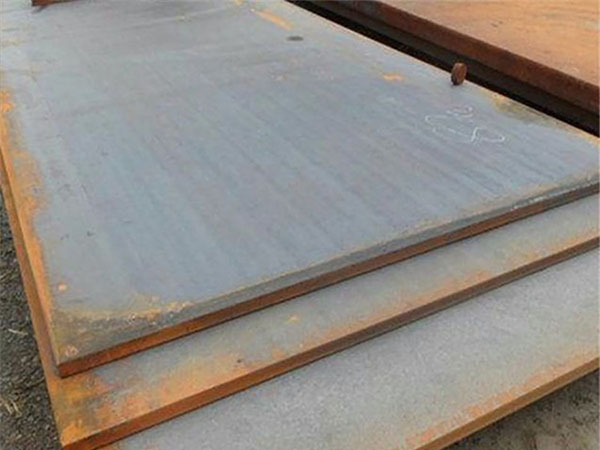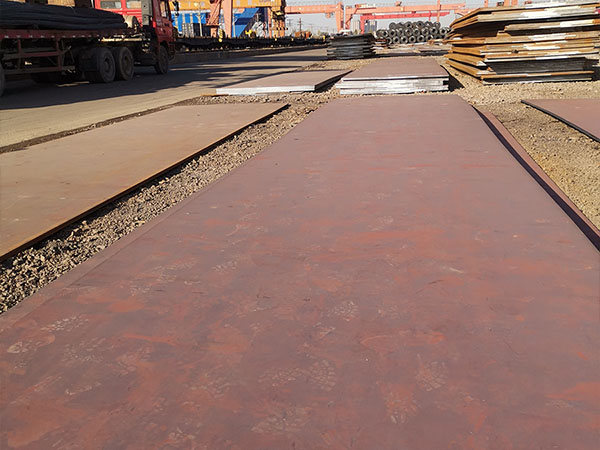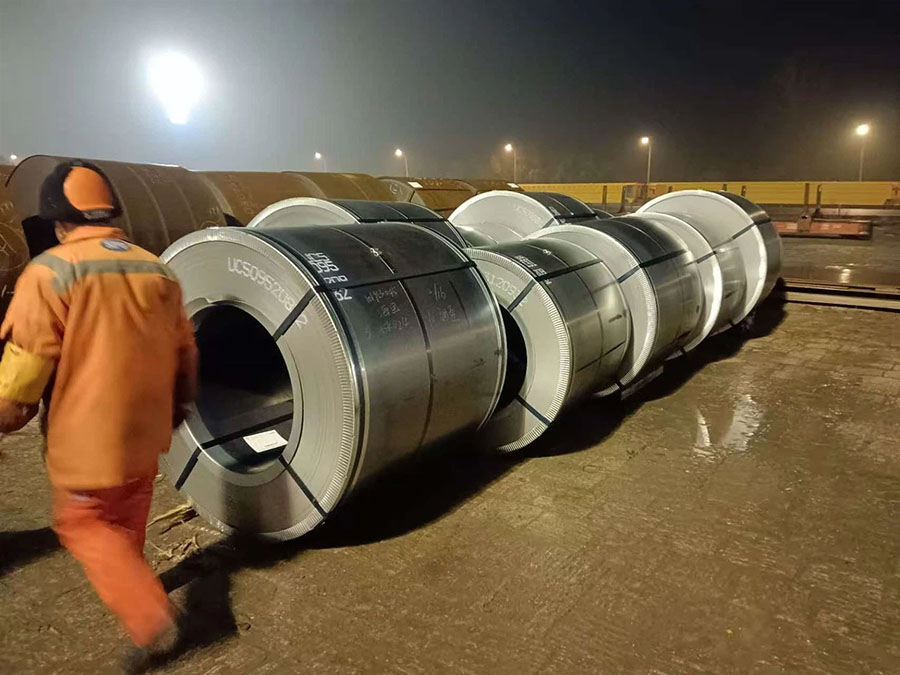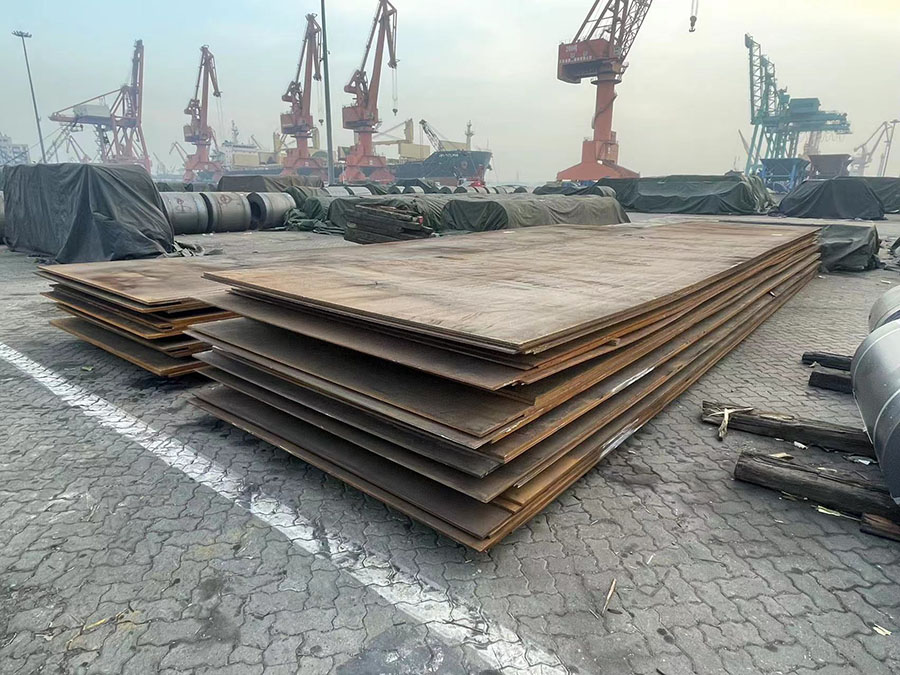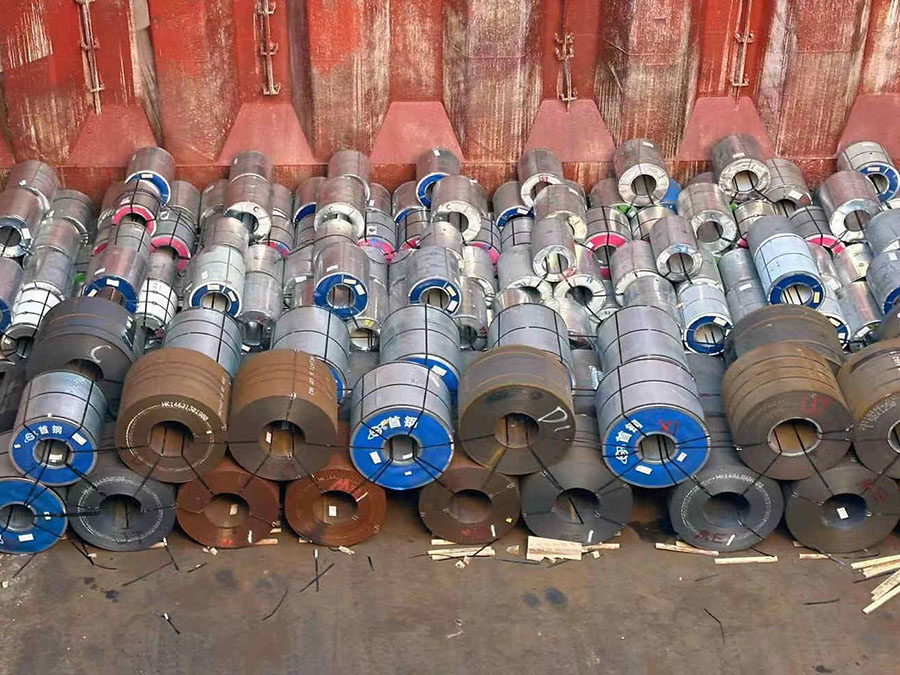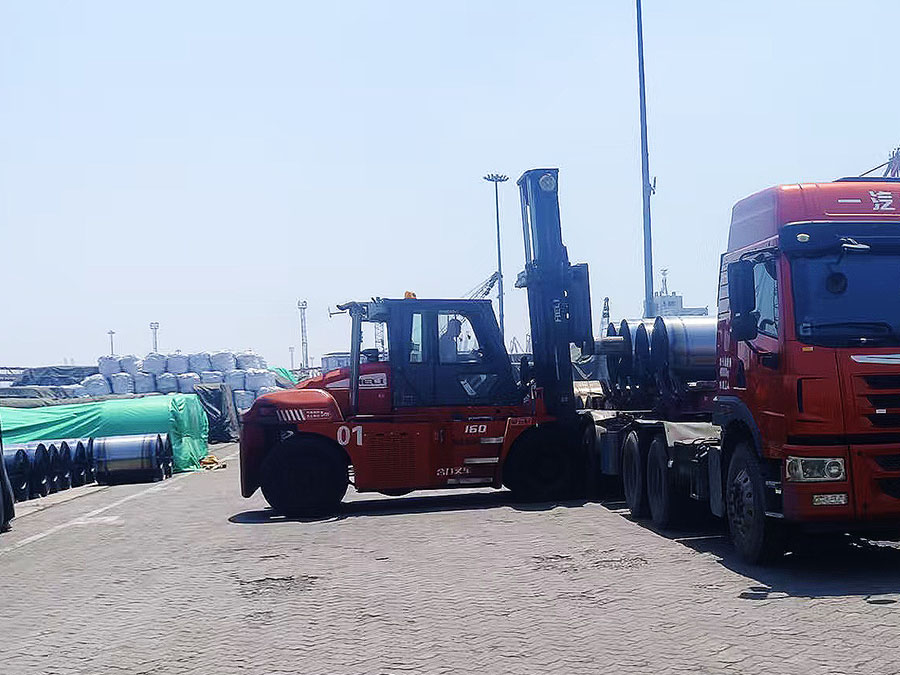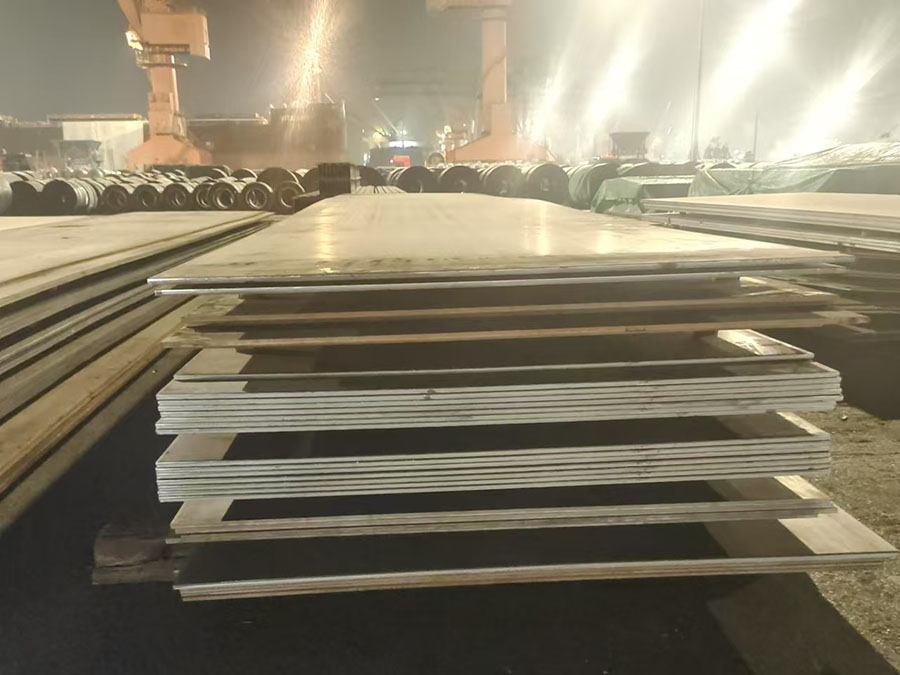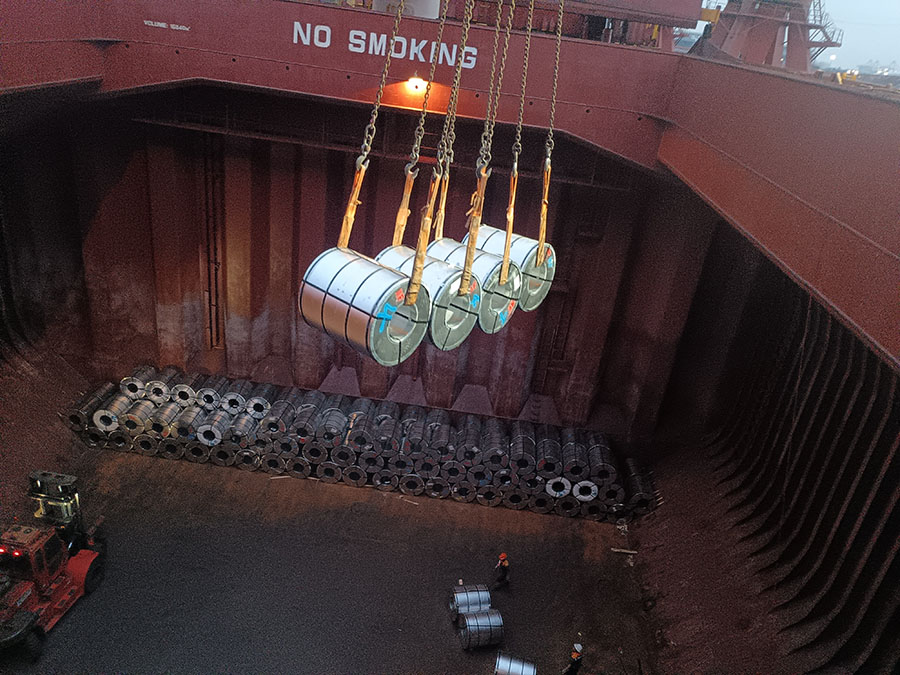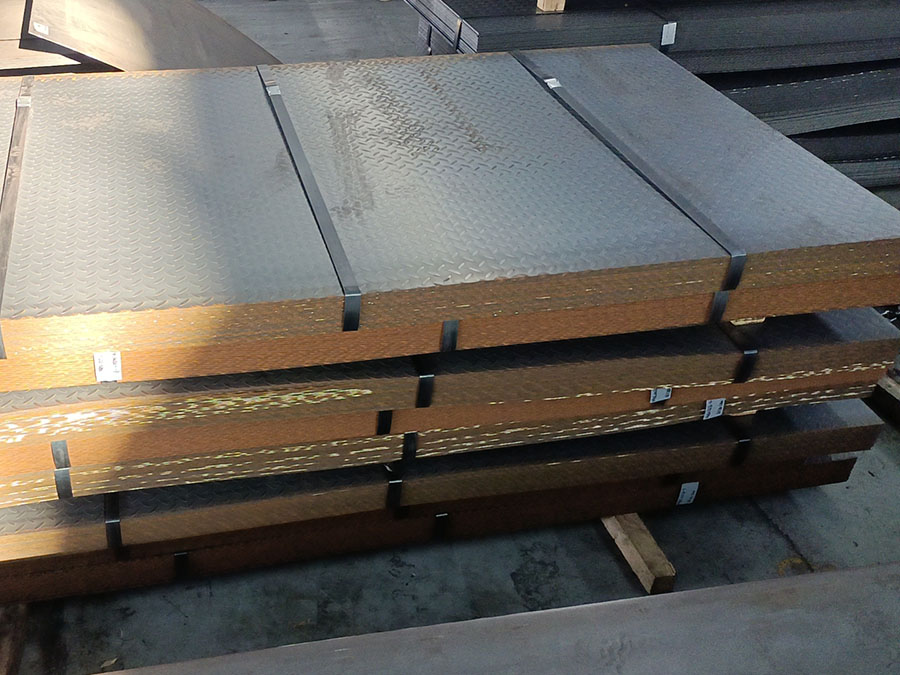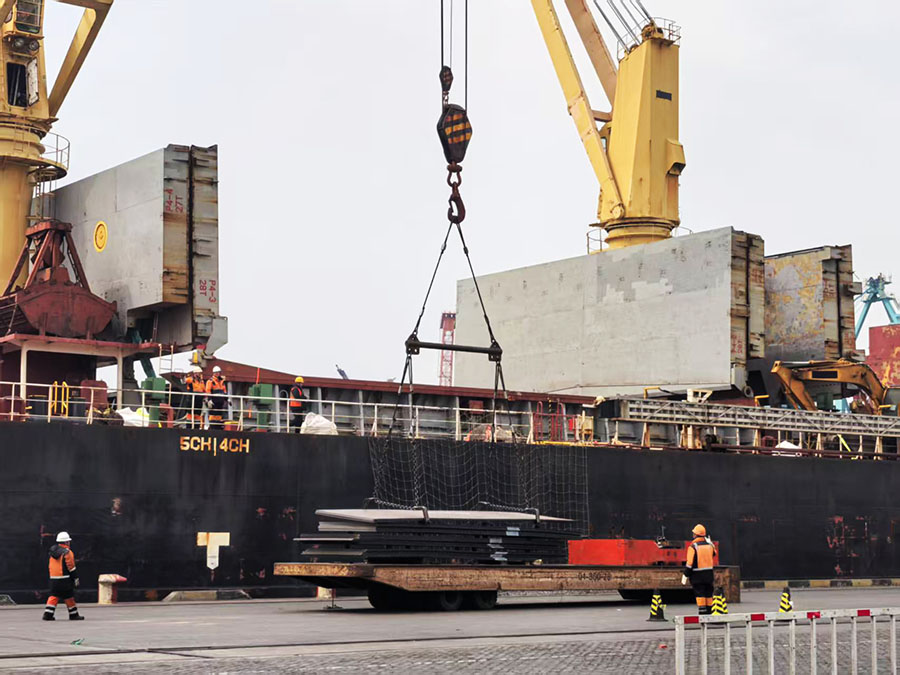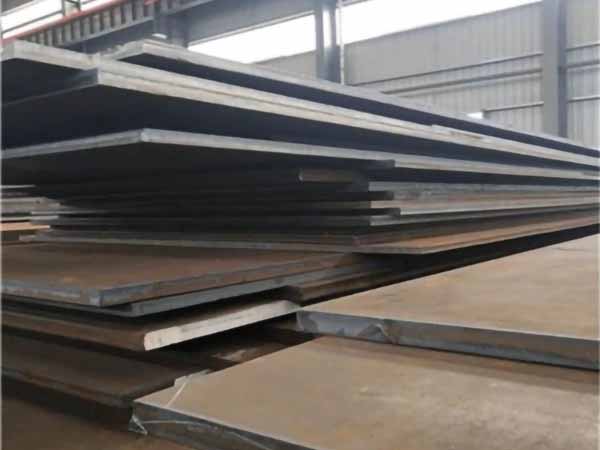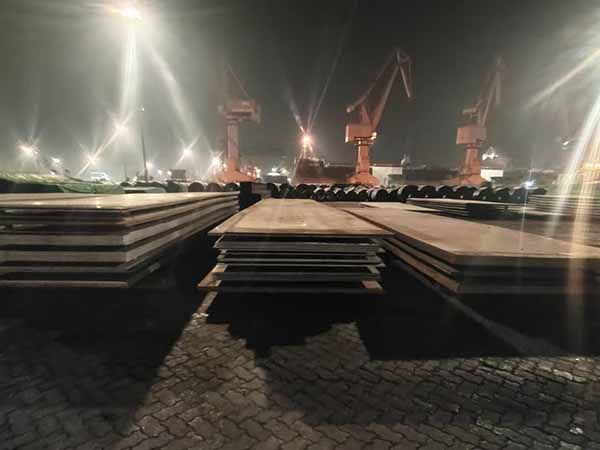
ASTM A573 Grade 58 (A573GR58) steel plate is a structural steel based on a carbon-manganese-silicon alloy system, offering good toughness and weldability. It is widely used in engineering applications that require both strength and weather resistance.
Standard :
ASTM A573/A573MGrade :
A573 Grade 58 (A573GR58)Thickness :
0.8-30.0 mmWidth :
800-2500 mmSpecial thickness, width, and length can be negotiated separately.
We also provide customized processing services.If you have any questions, please contact us.
ASTM A573 Grade 58 (A573GR58) is a structural steel plate known for its balanced performance and high reliability. It achieves an excellent balance between strength, toughness, weldability, and cost.
In practical applications, appropriate thickness specifications should be selected based on specific working conditions, and welding and processing standards must be strictly followed to ensure structural safety and reliability.
This steel plate is ideal where higher toughness and moderate strength are required without needing high-alloy or high-strength materials.
| Grade | A573 Grade 58 (A573GR58) |
|---|---|
| Standard | ASTM A573/A573M: Standard Specification for Structural Carbon Steel Plates of lmproved Toughness |
| Delivery Conditions | Normalized |
| Weldability | Good weldability with a reduced risk of cold cracking. Preheating and post-weld heat treatment (if required) can further improve welding quality. |
| Machinability | Low cutting difficulty, small tool wear, good ductility, easy to shape. |
| Surface Treatment | Pre-treatments such as sandblasting, painting, and galvanizing can be provided to enhance corrosion resistance. |
| Quality Control | Material certificate,tensile testing, chemical composition analysis, ultrasonic testing (UT), etc. |
Key Features and Advantages
1. High Strength: Its yield strength and tensile strength are higher than those of ordinary A36 steel (yield strength 36 ksi), but lower than those of very high-strength alloy steels such as A514.
2. Good Toughness: This grade particularly emphasizes impact toughness at room temperature, making it suitable for structures that may be subjected to impact or vibrational loads.
3. Excellent Weldability: Due to its well-controlled carbon content and carbon equivalent, A573 Gr.58 is generally easy to weld and does not require complex preheating or post-heating procedures (depending on plate thickness and environmental conditions).
4. Cost-Effectiveness: In applications requiring higher strength than A36 but not necessitating the use of expensive high-alloy steels, A573 Gr.58 offers a highly economical and effective solution.
| Grade | A573 Grade 58 (A573GR58) | |||||
| Element | C | Si | Mn | P | S | |
| Content (max, %) | thickness ≤ 13 mm | 13 < thickness ≤ 40 mm | ||||
| 0.23 | 0.23 | 0.10 - 0.35 | 0.60 - 0.90 | 0.035 | 0.040 | |
* Carbon Equivalent of ASTM A573 Grade 58 (A573GR58) Structural Carbon Steel Plate: CEV ≈ 0.35% (Thickness ≤ 30 mm)
Carbon equivalent (CEV) is calculated using the International Institute of Welding (IIW) formula:
CEV = C + Mn/6 + (Cr+Mo+V)/5 + (Ni+Cu)/15
| Grade | Yield Strength (ReH) [min, MPa] | Tensile Strength (Rm) [MPa] | Elongation (A) [min, %] |
|---|---|---|---|
| A573 Grade 58 (A573GR58) | 220 | 400 - 490 | 21 |
A573 Grade 58 (A573GR58) steel plate is widely used in structural components that require good strength and toughness, including:
1. Bridge construction: Particularly for bridge components that require low-temperature toughness.
2. Building structures: Used in high-rise buildings, stadiums, and other structures that need to withstand dynamic loads or are located in cold regions.
3. Heavy equipment: Manufacturing of excavators, cranes, booms, and other equipment.
4. Pressure vessels and storage tanks: Especially those that need to operate in low-temperature environments.
5. Mining machinery: Large structural components that need to withstand impact and vibration.
6. Ship and marine engineering: Certain hull structures or offshore platform components that require high toughness.
Comparison with Other Grades:
| Grade | Yield Strength (ReH) [min, MPa] | Tensile Strength (Rm) [MPa] | Elongation (A) [min, %] |
|---|---|---|---|
| A573 Grade 70 (A573GR70) | 290 | 485 - 620 | 18 |
| A573 Grade 65 (A573GR65) | 240 | 450 - 530 | 20 |
| A573 Grade 58 (A573GR58) | 220 | 400 - 490 | 21 |
A:
High-strength low-alloy steel plates offer excellent weldability. As their carbon content is typically low (below 0.2%), they present a lower risk of cracking during welding compared to standard high-strength steel plates and generally do not require complex preheating treatments.
A:
The key advantage of high-strength low-alloy steels is weight reduction. As they offer greater strength, thinner sheets can be used to withstand the same loads, thereby reducing the overall weight of the structure; in the automotive sector, this leads to improved fuel efficiency.
A:
High-strength low-alloy steel (HSLA) is a type of steel in which small amounts of alloying elements (such as niobium, vanadium, titanium or copper) are added to enhance its mechanical properties. Compared to traditional carbon steel, it offers higher yield strength and better corrosion resistance whilst maintaining good weldability and formability.
– We offer free samples and bespoke solutions. Please feel free to enquire about our latest prices and volume discounts.
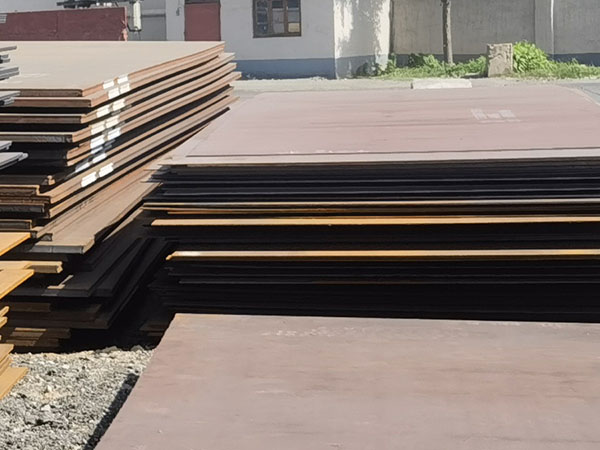
Yuxin Steel provides high-quality steel products to customers in more than 20 countries worldwide.
Contact Info
Would you like to know more about our offers? Please feel free to contact us.