Knowledge
DNV EH36 (NV E36) Material Specification
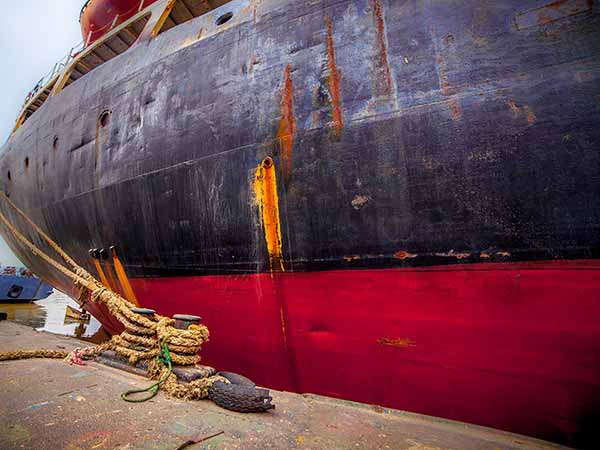
DNV EH36 (NV E36) is a high-strength, cryogenic marine structural steel certified by Det Norske Veritas (DNV), belonging to the high-end Grade 36 marine steel series. This steel grade is specifically designed for polar marine environments, deep-sea offshore platforms, and heavy-duty ship hull structures. Compared to traditional Grade 32 marine steel, it offers higher strength properties, excellent low-temperature toughness, and stable structural durability. As a microalloyed fine-grained steel, DNV EH36 fully complies with DNV marine steel specifications and is widely used in high-standard global offshore engineering projects. This article outlines its chemical composition, mechanical properties, dimensional specifications, and requirements for compliance with standards throughout the entire production process.
- Tags:
- DNV Grade EH36
Weldability of DNV Grade EH32 Shipbuilding Steel Plates
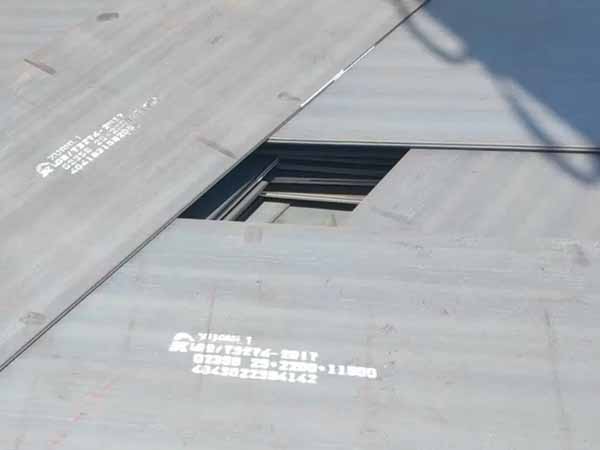
DNV Grade EH32 is a high-strength structural steel for ship hulls with a yield strength of ≥315 MPa and low-temperature impact toughness at -40°C. The steel plates are designed with a low-carbon composition and manufactured using the TMCP (Thermal Mechanical Control Process) controlled rolling and cooling process, offering excellent weldability and low susceptibility to cold cracking, and are compatible with mainstream shipbuilding welding processes. Preheating and special process controls are required only for thick plates and in extremely low-temperature environments to ensure weld quality and structural safety.
- Tags:
- DNV Grade EH32
Engineering Applications of DNV Grade EH32 Shipbuilding Steel Plates in Polar and Deep-Sea Offshore Engineering
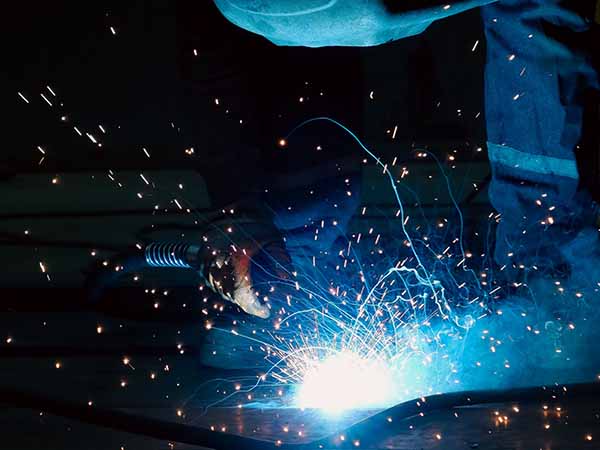
Thanks to its unique impact toughness at ultra-low temperatures of -40°C, stable strength grades, and authoritative DNV certification, DNV Grade EH32 shipbuilding steel plate has become a critical material for high-latitude polar navigation equipment and deep-sea offshore engineering, proving irreplaceable in extremely cold marine environments. The following section outlines the typical applications, structural contributions, and engineering value of DNV Grade EH32 shipbuilding steel plates in various high-standard offshore engineering projects.
- Tags:
- DNV Grade EH32

Key Technical Advantages of DNV EH32 Marine Steel Plates
Quality inspection is a critical step in ensuring that DNV Grade DH36 shipbuilding steel plates comply with international marine engineering standards. DNV has established comprehensive inspection specifications for DH36 steel plates, covering chemical composition, mechanical properties, surface quality, dimensional accuracy, and internal defect detection.
- Tags:
- DNV Grade EH32
Corrosion Mechanisms and Maintenance Strategies for DNV Grade DH36 Shipbuilding Steel Plates
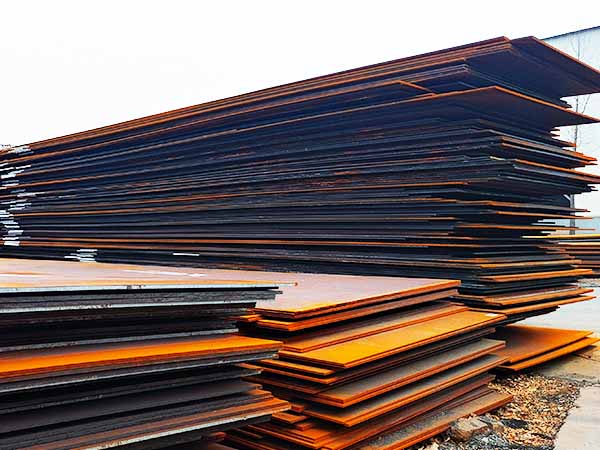
The marine environment is characterized by high salinity, high humidity, and alternating wet and dry conditions—typical corrosion conditions that are the primary factors leading to structural aging and a shortened service life of ships and offshore facilities. DNV Grade DH36 shipbuilding steel plates are designed using microalloying and offer excellent resistance to marine corrosion. This paper systematically explains the corrosion resistance mechanism of these steel plates and summarizes maintenance strategies for long-term service in marine environments.
- Tags:
- DNV Grade DH36