Knowledge
DNV Grade DH36 Quality Inspection Standards and Acceptance Criteria for Shipbuilding Steel Plates
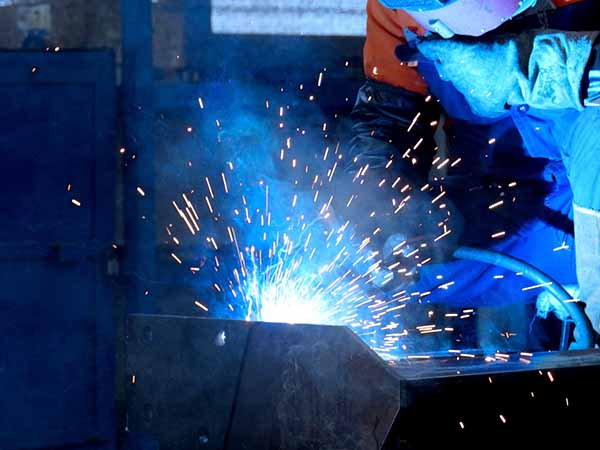
Quality inspection is a critical step in ensuring that DNV Grade DH36 shipbuilding steel plates comply with international marine engineering standards. DNV has established comprehensive inspection specifications for DH36 steel plates, covering chemical composition, mechanical properties, surface quality, dimensional accuracy, and internal defect detection.
- Tags:
- DNV Grade DH36
Advantages of DNV Grade DH36 Shipbuilding Steel Plates in Shipbuilding and Offshore Engineering
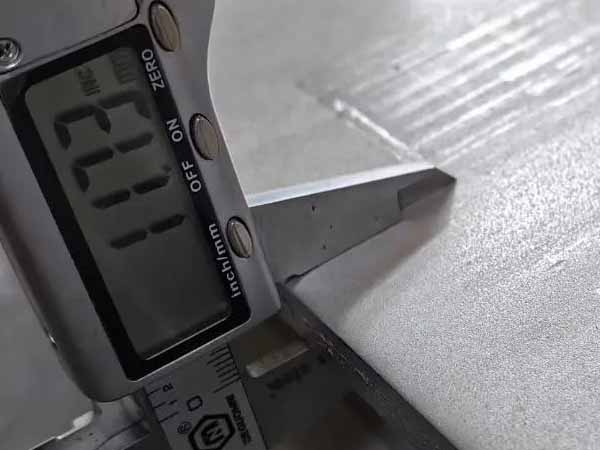
In the fields of modern shipbuilding and offshore engineering, the selection of structural materials directly affects the service life, safety, reliability, and operational economy of the equipment. DNV Grade DH36 shipbuilding steel plates have become the mainstream choice for the structures of large and medium-sized offshore engineering projects and ocean-going vessels due to their high strength, excellent low-temperature toughness, good corrosion resistance, and workability. This article systematically elaborates on the core competitive advantages of DNV Grade DH36 in ship and offshore structures from the following five perspectives.
- Tags:
- DNV Grade DH36
DNV DH32 Marine Steel Plate Processing Techniques: Cutting, Bending, Surface Treatment, and Anti-Corrosion Coating
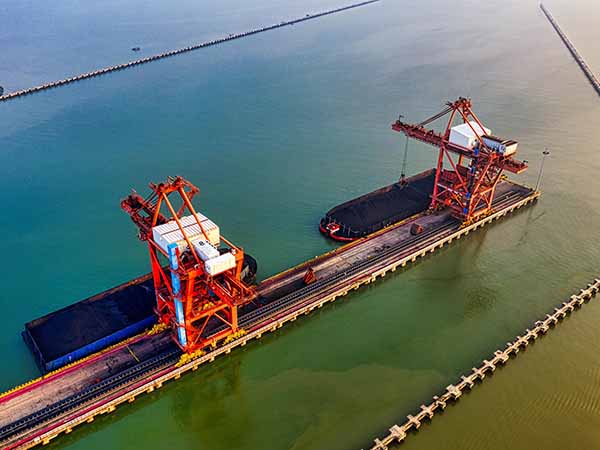
The quality of on-site processing directly affects the installation accuracy and structural service performance of DNV Grade DH32 marine steel plates. Proper process control can effectively prevent material deformation, performance degradation, and surface defects. This paper systematically introduces standardized processing methods for DNV Grade DH32 marine steel plates in shipbuilding construction, covering key processes such as cutting, bending, polishing, and corrosion protection.
- Tags:
- DNV Grade DH32
Low-Temperature Toughness and Adaptability to Marine Environments of DNV Grade DH32 Shipbuilding Steel Plates
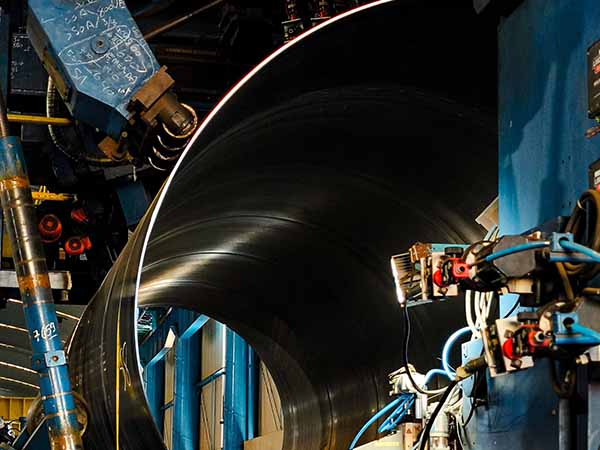
Offshore structures are subjected to complex operating conditions over the long term, including low temperatures, alternating loads, and seawater corrosion. Low-temperature toughness is a key indicator determining the operational safety and service life of steel used in ships and offshore structures. This paper systematically analyzes the low-temperature impact properties, ductile-to-brittle transition characteristics, and suitability for marine environments of DNV Grade DH32 steel plates, and discusses the advantages of this steel grade for use in cold waters and under extreme marine conditions.
- Tags:
- DNV Grade DH32
DNV DH32 Complete Welding Procedure Specification for Marine Steel Plates
Weldability is a key evaluation criterion for marine steel. DNV Grade DH32 marine steel plates offer excellent weldability; however, standardized welding procedures must be followed to prevent weld defects and ensure structural integrity. This article summarizes the welding procedures for DNV Grade DH32 marine steel plates, including the basic welding characteristics of the base material, selection of appropriate welding methods, matching of welding consumables, pre-welding preparation, control of welding process parameters, common defects and their prevention and control, and mandatory DNV compliance requirements.
- Tags:
- DNV Grade DH32