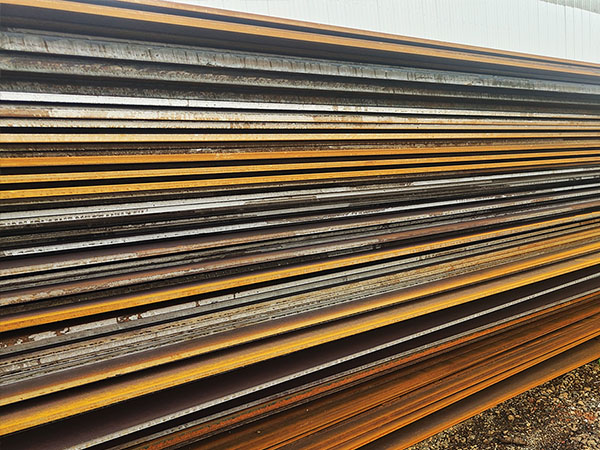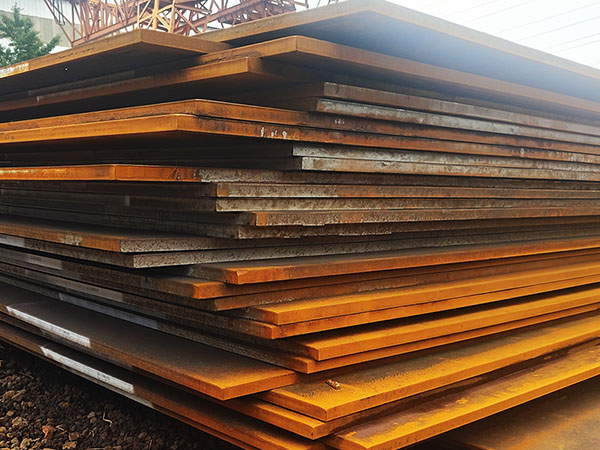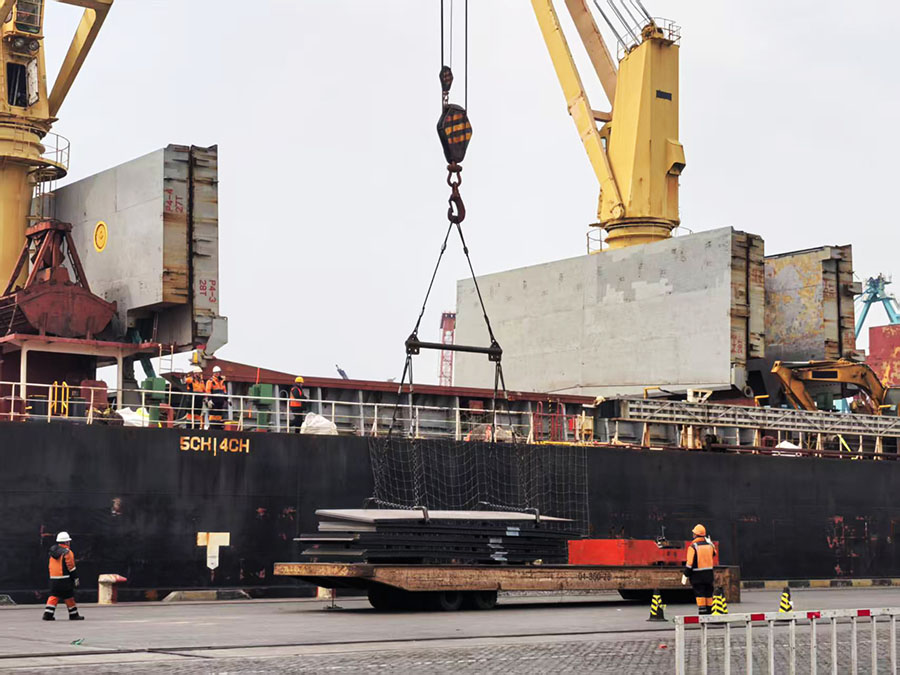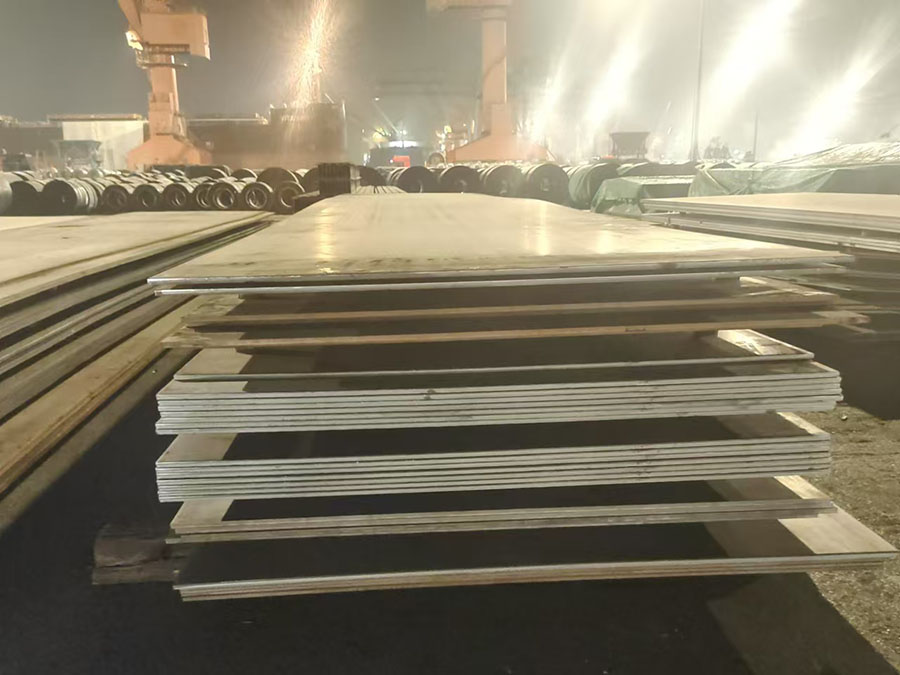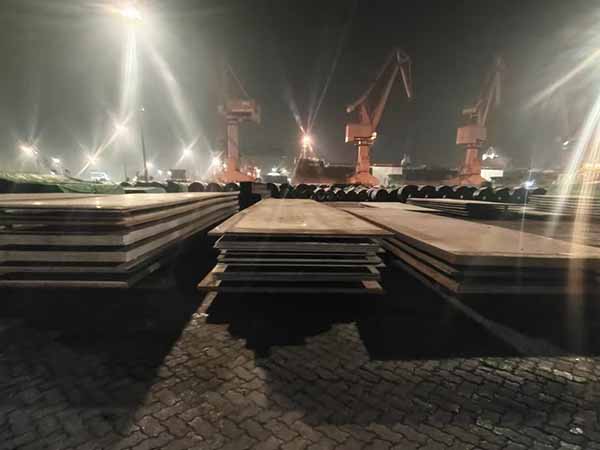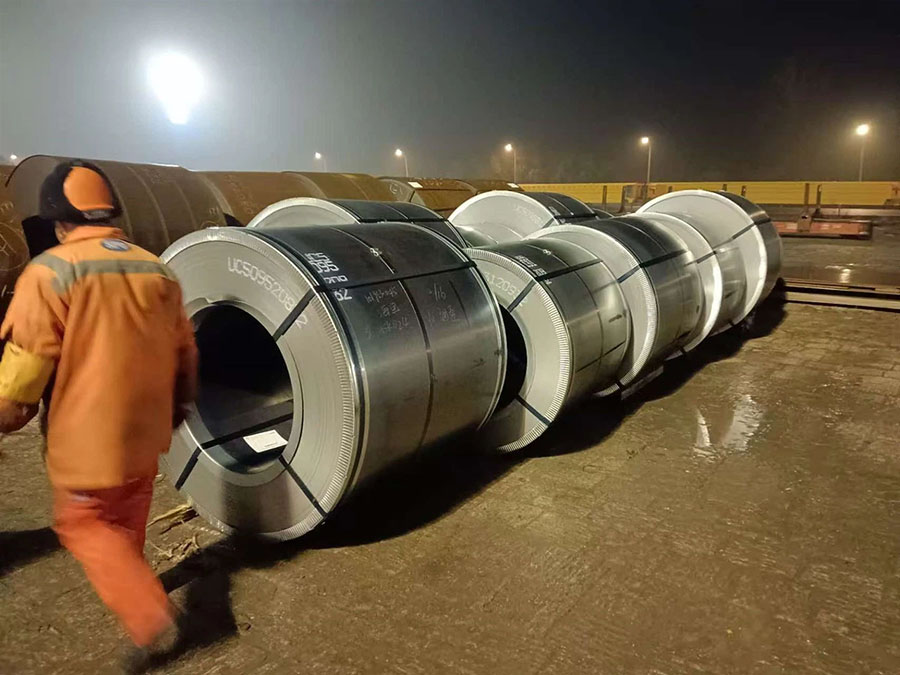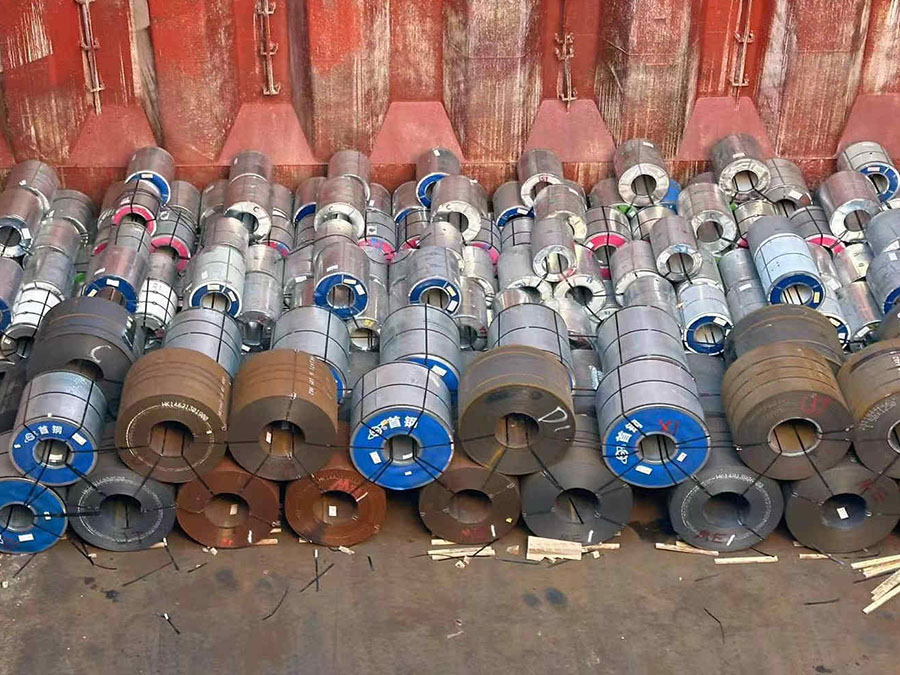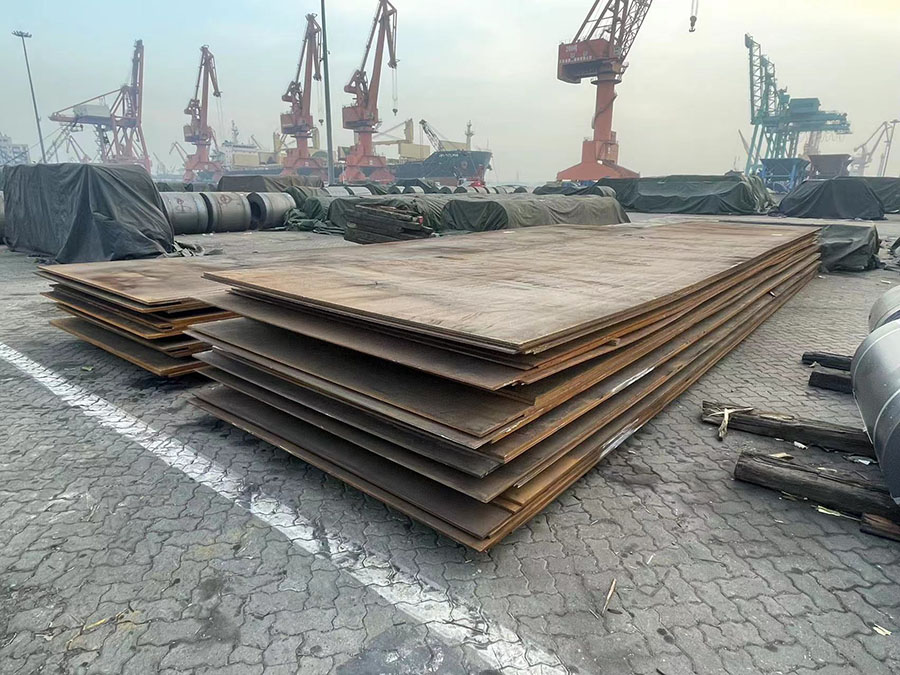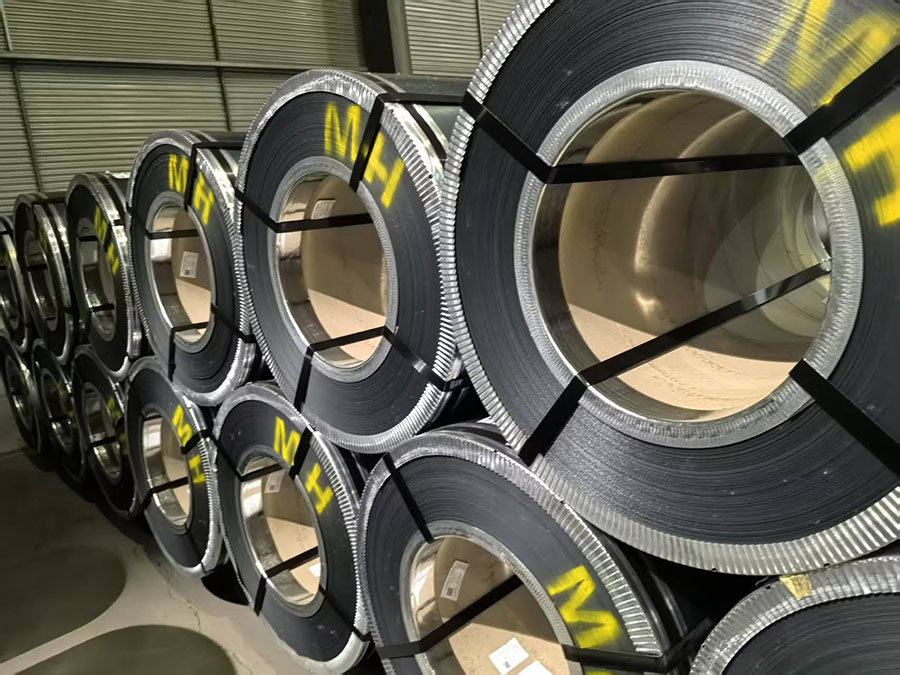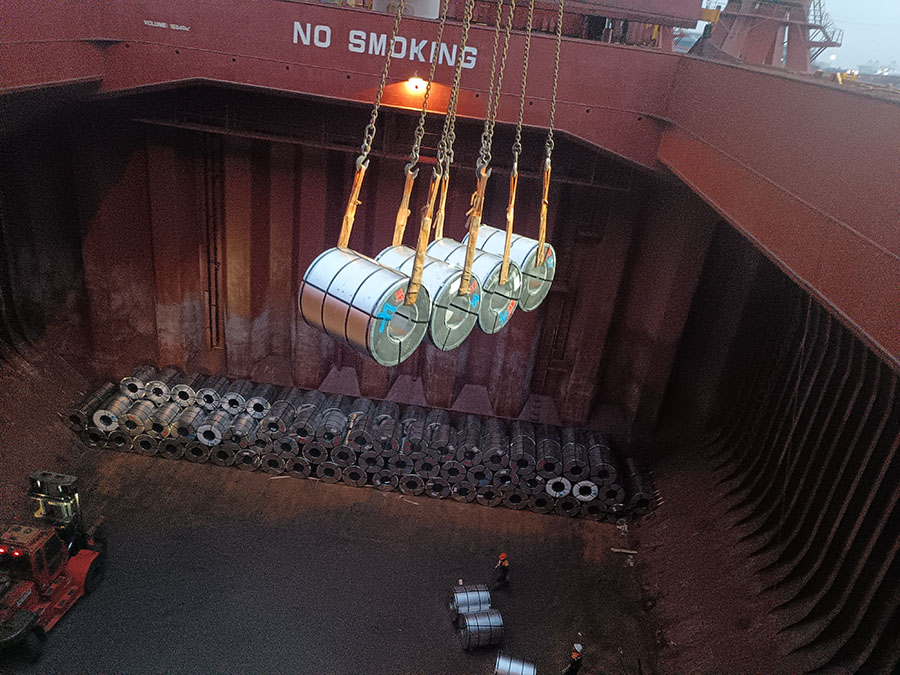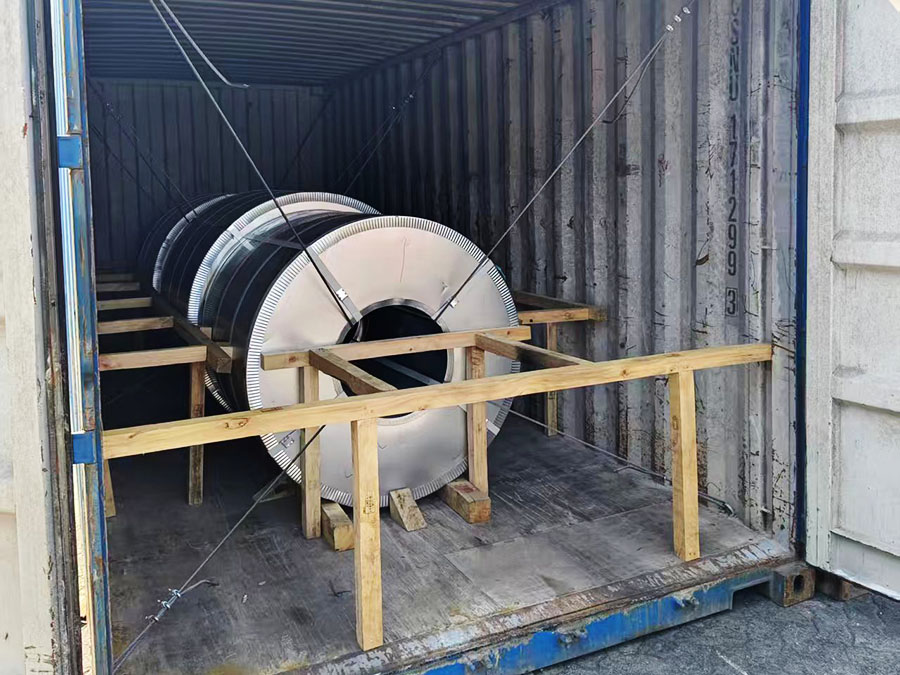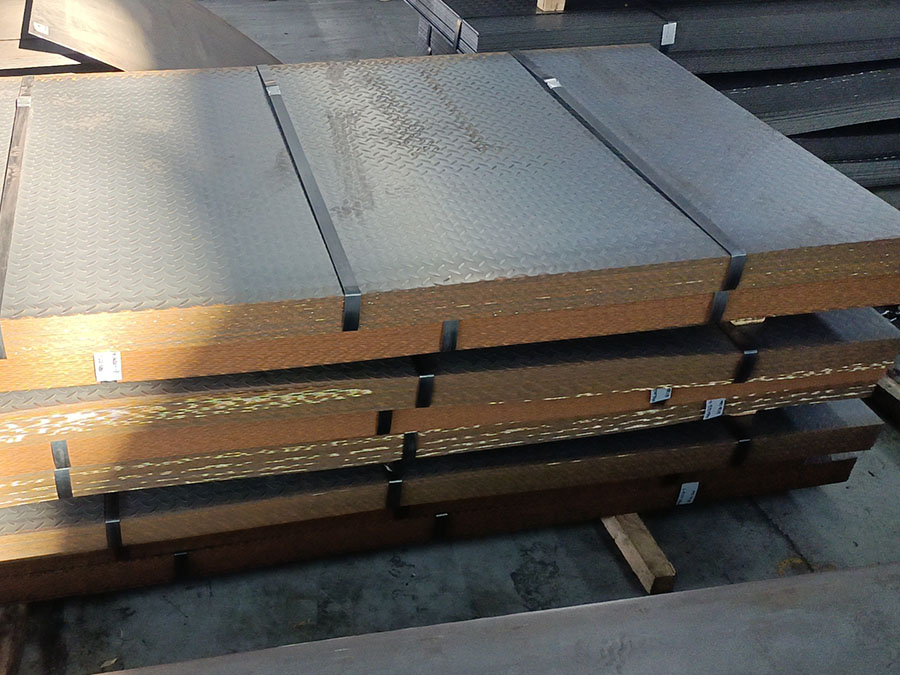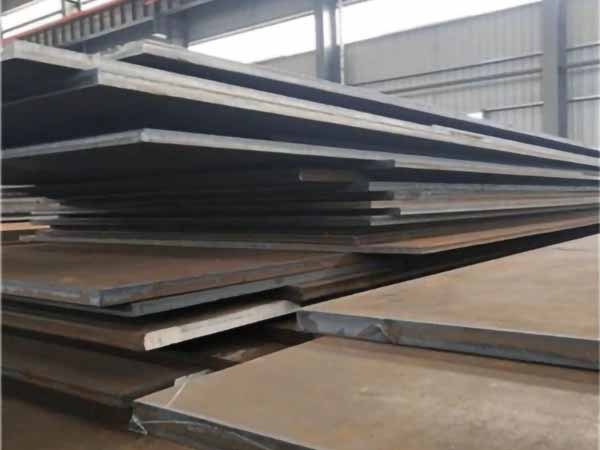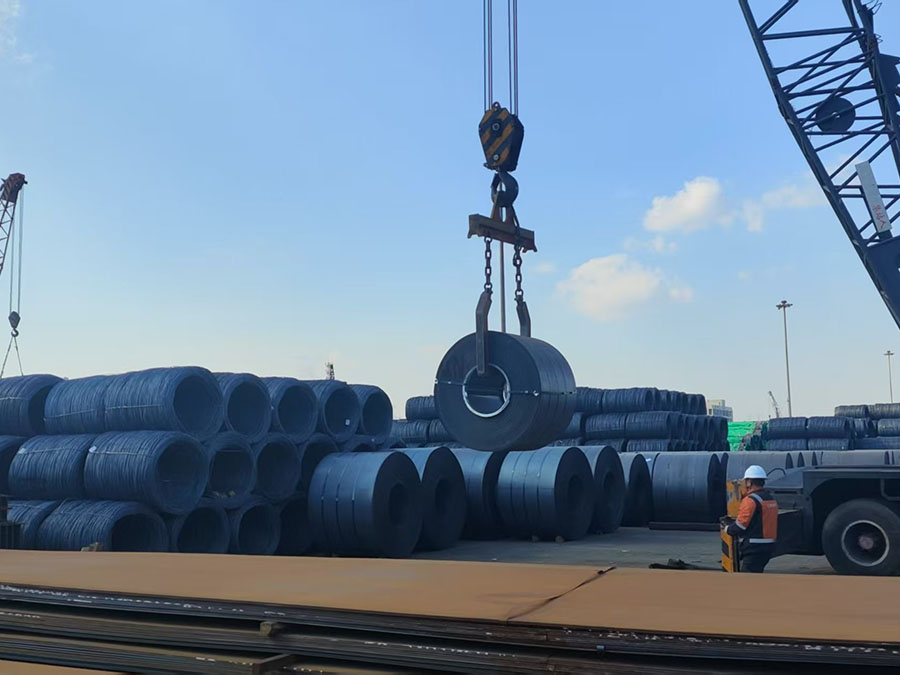
S690Q High Strength Structural Steel Plate is a flat product made of fine-grained, high-strength, low-alloy structural steel that complies with the European standard EN 10025-6. It is typically supplied in a quenched and tempered condition. This steel plate features high strength, good toughness, and high load-bearing capacity, and is widely used in fields such as construction machinery, heavy-duty vehicles, bridges, and large-scale steel structures.
Standard :
EN 10025-6Grade :
S690QThickness :
3.0 - 100.0 mmWidth :
1,500.0 - 2,500.0 mmLength :
3,000.0 - 12,000.0 mm* Specifications and dimensions can be customized.
* Machining services are available.
S690Q high-strength structural steel plate is a fine-grained, high-strength structural steel plate that complies with the European standard EN 10025-6; its material number is 1.8931.
S690Q high-strength structural steel plate is quenched and tempered (Q+T) and features a high yield strength (≥ 690 MPa), good impact toughness (impact energy absorption ≥ 30 J at -20°C), good weldability, and comprehensive mechanical properties suitable for engineering and manufacturing applications.
S690Q high-strength structural steel plates are primarily used in engineering equipment and steel structures that demand high structural strength, load-bearing capacity, and lightweight design, such as heavy-duty construction machinery, lifting equipment, excavators, mining machinery, mining engineering vehicles, high-load steel structures, and heavy-duty load-bearing components.
We supply S690Q high-strength structural steel plates in a full range of specifications, accompanied by Material Test Certificates (MTCs), and support third-party inspections. We also offer services such as custom sizing, precision cutting, acid pickling, shot blasting, and anti-corrosion coatings.
| EN10025-6 | Hot rolled products of structural steels - Part 6: Technical delivery conditions for flat products made of high yield strength structural steels in the quenched and tempered condition |
| S | Structural steel |
| 690 | Yield strength : ≥ 690 MPa |
| Q | Delivery condition: quenched and tempered |
| Product Name | S690Q High Strength Structural Steel Plate |
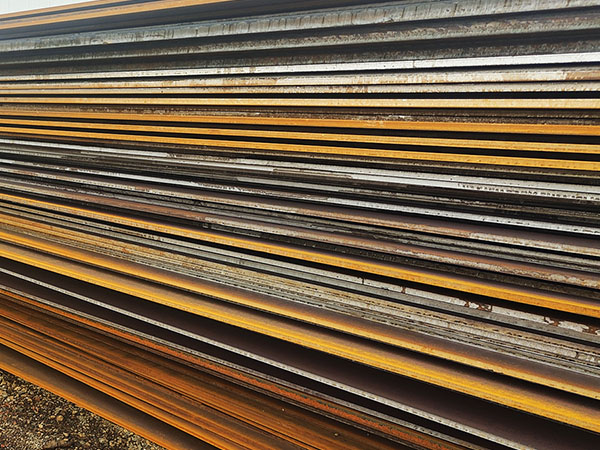
|---|---|
| Standard | EN 10025-6 (Hot rolled products of structural steels - Part 6: Technical delivery conditions for flat products made of high yield strength structural steels in the quenched and tempered condition) |
| Grade | S690Q |
| Material Number | 1.8931 |
| Classification | Ultra-High-Strength Structural Steel |
| Thickness | 3.0 - 100.0 mm |
| Width | 1,500.0 - 2,500.0 mm |
| Length | 3,000.0 - 12,000.0 mm |
| Delivery Conditions | Quenched and Tempered (Q+T) |
| Weldability | Good weldability, but strict process procedures (Pre-heating, Low Hydrogen Welding Materials, Post-Weld Heat Treatment, etc.) must still be followed during welding. The core risks are cold cracking (hydrogen-induced cracking) and toughness degradation in the heat-affected zone (HAZ). |
| Machinability | Cutting can be performed using laser, plasma, or flame cutting, but heat input must be controlled to avoid embrittlement in the heat-affected zone. The bending radius should be ≥5 times the plate thickness, and stress relief treatment is required after cold forming. |
| Surface Treatment | Pickling, shot blasting, sandblasting, oil coating, paint spraying, etc. |
| Quality Control | Provide MTC. Non-destructive testing (e.g., UT ultrasonic testing), re-inspection of mechanical properties and Z-direction property testing (Grades Z15/Z25/Z35) can be added. |
| Certification & Inspection | ISO 9001 Quality Certification, EN 10025-6 Standard Certification, SGS/BV/TÜV Third-Party Inspection. |
| MOQ | 20 tons (small orders can be negotiated). |
| Delivery Time | 15 - 20 days after order confirmation (urgent orders accepted). |
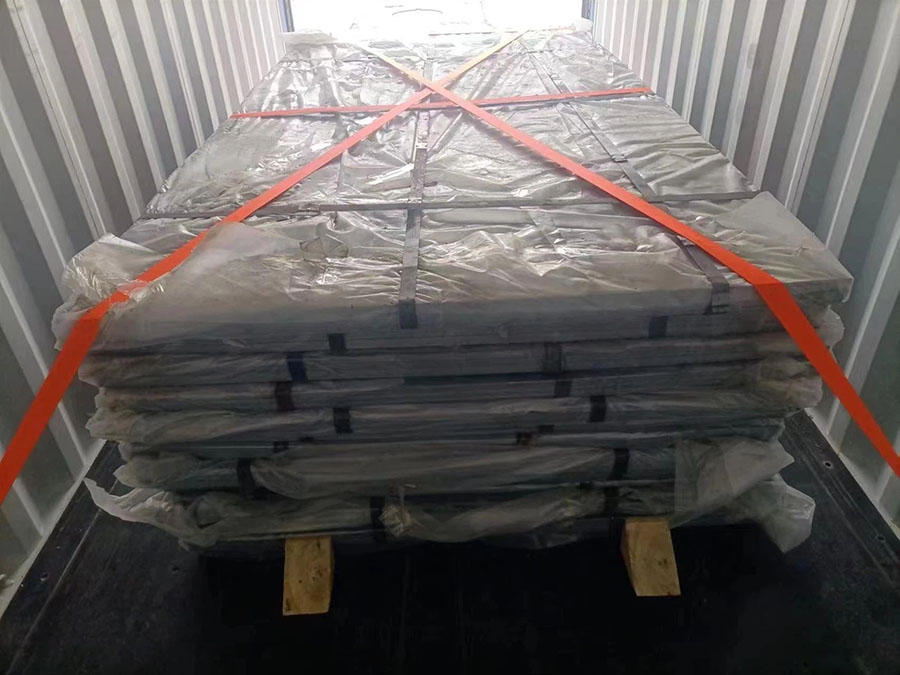
| Packaging | Standard export packaging for sea transport, or as required. |
| Country of origin | China |
| Element | C | Si | Mn | P | S | N | B | Cr | Cu | Mo | Nb | Ni | Ti | V | Zr |
|---|---|---|---|---|---|---|---|---|---|---|---|---|---|---|---|
| Content (max, %) | 0.20 | 0.80 | 1.70 | 0.025 | 0.015 | 0.015 | 0.005 | 1.50 | 0.50 | 0.70 | 0.06 | 2.0 | 0.05 | 0.12 | 0.15 |
1. The chemical composition achieves a balance of high strength and toughness through alloying elements (such as Cr, Mo, Ni) and microalloying elements (Nb, V, Ti), while controlling the content of harmful elements (P, S).
2. Cr and Mo enhance hardenability and strength; Ni improves low-temperature toughness; Nb, V, and Ti refine the grain structure, increasing strength and toughness; low P and S reduce inclusions and decrease brittleness.
| Thickness (t) [mm] | CEV [max, %] |
|---|---|
| t ≤ 50 | 0.65 |
| 50 < t ≤ 100 | 0.77 |
| 100 < t ≤ 150 | 0.83 |
| Thickness (t) [mm] | Yield Strength (ReH) [MPa] | Tensile Strength (Rm) [MPa] | Elongation (A) [%] |
|---|---|---|---|
| 3 ≤ t ≤ 50 | ≥ 690 | 770 - 940 | ≥ 14 |
| 50 < t ≤ 100 | ≥ 650 | 760 - 930 | ≥ 14 |
| 100 < t ≤ 150 | ≥ 630 | 710 - 900 | ≥ 14 |
Thickness influence: When the plate thickness exceeds 16mm, a reasonable reduction in yield strength is allowed (e.g., ReH ≥ 650MPa for thicknesses of 50-100mm). Specific values should be referenced according to the standard or the steel mill’s quality assurance certificate.
| Impact Test Temperature | Impact Energy (KV2), longitudinal |
|---|---|
| 0 ℃ | ≥ 40 J |
| - 20 ℃ | ≥ 30 J |
| - 40 ℃ | - |
| - 60 ℃ | - |
The high strength enables the material to withstand large structural loads, making it suitable for heavy-duty engineering structures.
It allows for a reduction in the thickness or quantity of steel required for certain load-bearing components, thereby lowering the equipment’s dead weight, improving payload utilization, and helping to reduce transportation and operating costs.
The combination of quenching and tempering processes achieves the required balance of strength and toughness, making it suitable for engineering applications with high demands on structural load-bearing capacity and reliability.
It can be used in crane booms, excavator working mechanisms, load-bearing components of mining machinery, heavy-duty transport equipment, and other applications requiring high-strength structural materials, helping to enhance the compactness and load-bearing efficiency of structural designs.
It can be cut, grooved, formed, and welded according to product specifications and process requirements.
Due to its high strength, heat input, preheating temperature, welding materials, and necessary post-welding treatments must be carefully controlled during manufacturing to prevent cold cracks and a decline in the properties of the heat-affected zone.
Suitable for construction machinery, mining equipment, heavy-duty vehicles, lifting and transportation equipment, and certain large-scale steel structures.
Through appropriate material selection and structural optimization, it is possible to reduce material consumption and the full life-cycle cost of equipment while meeting design requirements.
Key application areas for S890QL1 include the telescoping booms of truck cranes, the booms of crawler cranes, port cranes, offshore lifting equipment, and heavy-duty lifting assemblies.
Suitable for load-bearing components in large excavators (boom and dipper), concrete pump truck outriggers, pile-driving machinery, aerial work platforms, and other heavy-duty construction equipment.
Suitable for load-bearing structures of mining dump trucks, structural components of large loaders, frames of mining transport equipment, and support components of heavy machinery.
Suitable for chassis and load-bearing components of heavy-duty trailers, low-bed semi-trailers, special-purpose transport vehicles, and certain heavy-duty vehicles.
Applicable to certain offshore lifting equipment, port loading and unloading machinery, construction machinery for cold regions, and heavy-duty load-bearing structures in low-temperature environments.
Applicable to lifting equipment on wind turbine installation vessels, auxiliary machinery for wind turbine installation, frames for large-scale energy equipment, and heavy-duty maintenance devices.
During procurement, specify thickness, width, length, impact temperature (Q/-20°C or QL/-40°C), surface condition, and additional inspection requirements (such as non-destructive testing and Z-direction properties).
Preheating is required before welding (recommended preheating temperature: 80-150°C, depending on plate thickness) to avoid cold cracks. Stress relief heat treatment (e.g., 600-650°C tempering) can be performed after welding.
Due to high strength, use carbide tools (e.g., WC-Co alloy), reduce cutting speed, and increase feed rate to minimize tool wear.
Ensure the steel mill provides a quality certificate compliant with EN 10204 Type 3.1, confirming compliance with chemical composition, mechanical properties, heat treatment status, and other indicators.
EN 10025-6 S690Q is a premium, ultra-high-strength structural steel offering an exceptional strength-to-weight ratio.
Its use allows for lighter and more efficient designs but demands a high level of expertise and controlled procedures during fabrication, especially welding.
A:
Yes, but due to their high strength, they must be preheated and welded according to appropriate welding procedure specifications (WPS) to prevent cold cracks.
A:
We can provide official MTC factory test reports, ISO 9001 quality management system certification, and authoritative third-party inspection reports from SGS, BV, and TÜV. All documents are internationally recognized and can be used to support bidding for projects in cold regions worldwide, engineering acceptance inspections, and customs clearance for cross-border trade.
A:
High-strength low-alloy steel plates offer excellent weldability. As their carbon content is typically low (below 0.2%), they present a lower risk of cracking during welding compared to standard high-strength steel plates and generally do not require complex preheating treatments.
A:
The key advantage of high-strength low-alloy steels is weight reduction. As they offer greater strength, thinner sheets can be used to withstand the same loads, thereby reducing the overall weight of the structure; in the automotive sector, this leads to improved fuel efficiency.
A:
High-strength low-alloy steel (HSLA) is a type of steel in which small amounts of alloying elements (such as niobium, vanadium, titanium or copper) are added to enhance its mechanical properties. Compared to traditional carbon steel, it offers higher yield strength and better corrosion resistance whilst maintaining good weldability and formability.
– We offer free samples and bespoke solutions. Please feel free to enquire about our latest prices and volume discounts.
Yuxin Steel provides high-quality steel products to customers in more than 20 countries worldwide.
Contact Info
Would you like to know more about our offers? Please feel free to contact us.
You may also send us your contact information. Your phone number and email address will not be made public.