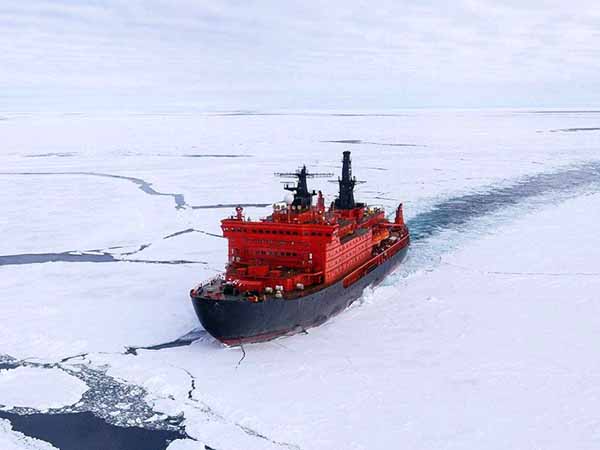
Applications of ABS EH36 Marine Steel Plates – Polar Vessels and Cryogenic Offshore Engineering
- May 11, 2026

Knowledge
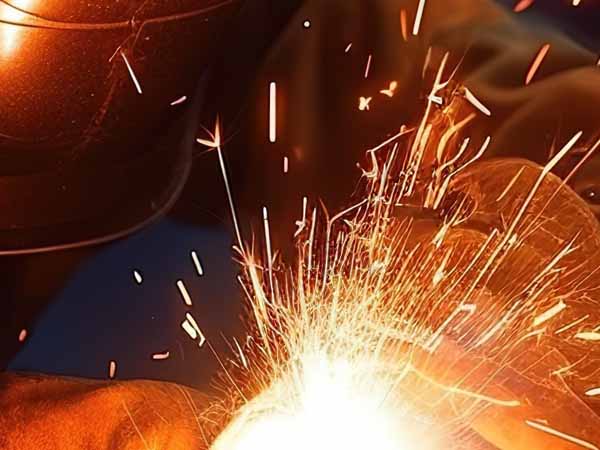
ABS Grade EH36 steel is characterised by high purity and excellent low-temperature toughness; it is a high-strength special-purpose ship plate that is sensitive to low-temperature welding. At polar construction sites, where ambient temperatures are extremely low, improper control of welding consumables, heat input and preheating processes can easily lead to cold cracking and embrittlement of the heat-affected zone. This paper systematically summarises the specialised welding process parameters for EH36 steel in accordance with the ABS Polar Welding Code.
Carbon equivalent (CE) ≤ 0.40%, good low-temperature weldability.
Extremely low impurity content, low tendency for low-temperature embrittlement in welds.
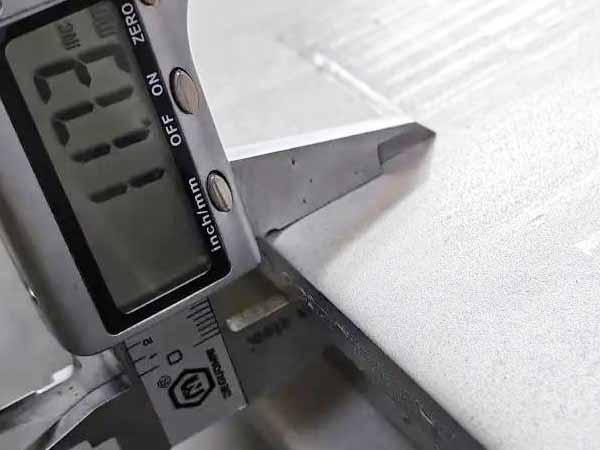
Plates with a thickness > 20 mm exhibit high rigidity; forced preheating is mandatory in low-temperature environments.
Strong grain stability in the heat-affected zone, with a low risk of reduced low-temperature toughness.
| Welding Method | Applicable Scenarios | Recommended Welding Consumables |
|---|---|---|
| Low-hydrogen manual arc welding (SMAW) | Polar field repairs, confined spaces | ABS-certified E7018-1 low-temperature specialised electrode |
| Submerged arc welding (SAW) | Long welds on thick plates | H08MnE low-temperature specialised welding wire |
| MAG gas-shielded welding | Outdoor low-temperature operations | ER70S-G modified low-temperature welding wire, with high-purity shielding gas |
| TIG welding | Precision low-temperature components | Strictly control heat input to ensure low-temperature impact performance of the weld |
Thickness ≤20mm: When ambient temperature is ≥0°C, preheat to 60–80°C.
Thickness 20–65mm: Preheat to 110–140°C.
Thickness >65mm: Preheat to 150–180°C, interpass temperature must be strictly controlled between 120–180°C.
All welding consumables must hold ABS certification for polar environments.
Welding rods must be oven-dried at 350°C for 1.5 hours prior to use.
After drying, they should be stored in insulated containers to prevent moisture absorption causing cold cracks.
| Defect Type | Main Cause | Control Measures |
|---|---|---|
| Cold Cracking | Excessively low ambient temperature, insufficient preheating | Ensure ambient temperature is not lower than –10°C; strictly enforce mandatory preheating |
| Weld Brittleness | Excessive heat input | Use multi-pass welding to control heat input per pass |
| Internal Inclusion | Poor melt pool fluidity at low temperatures | Appropriately increase welding current; maintain a uniform, slow welding speed |
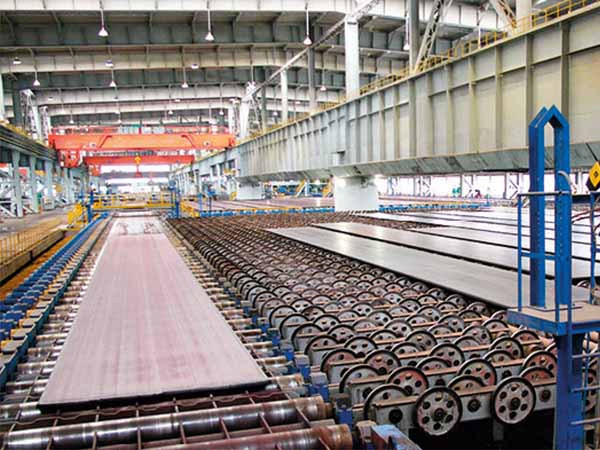
Customers choose to engage in long-term cooperation with Yuxin Steel not only because of our high-quality products and services, as well as our strong reputation in the international market, but also due to our experienced one-stop raw material supply and further steel processing capabilities!