
Knowledge
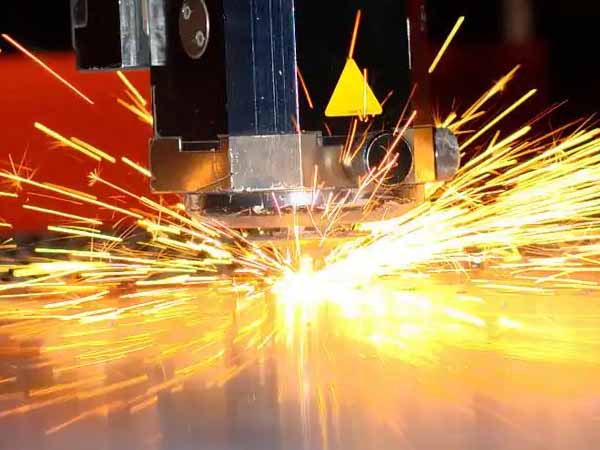
Cutting process for ABS Grade AH36 shipbuilding steel plates
In shipbuilding, tens of thousands of tonnes of ABS Grade AH36 Shipbuilding Steel Plate must be precisely cut into tens of thousands of components of varying shapes, which are then assembled into the ship’s structural sections. The quality of the cutting directly determines the precision of subsequent assembly, the quality of the welding, and the material utilisation rate. For ABS Grade AH36 Shipbuilding Steel Plate, selecting the appropriate cutting process and effectively controlling the heat-affected zone (HAZ) are key to ensuring that the material’s original properties remain intact. We have compiled information on the applications and technical requirements of laser cutting, plasma cutting, waterjet cutting and flame cutting in the processing of AH36, in the hope of providing you with whatever assistance we can. Should you have any queries, please do not hesitate to contact our customer service team; we would be delighted to offer you relevant technical advice.
- Tags:
- ABS Grade AH36
Corrosion protection measures for ABS Grade AH36 marine steel plates in marine environments
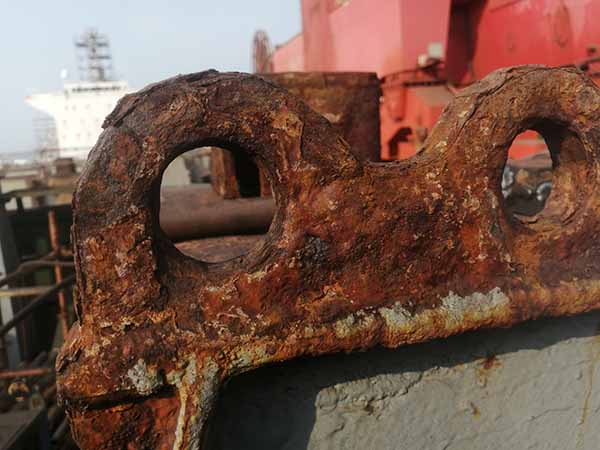
ABS Grade AH36 marine steel plates, when in long-term service in a marine environment, are subjected to multiple corrosive challenges, including salt spray corrosion, seawater immersion, tidal impact and marine biofouling. Corrosion not only reduces the mechanical properties of the steel plates and shortens their service life, but may also lead to structural damage to the vessel and result in safety incidents. Therefore, implementing scientific protective measures is key to ensuring the long-term safe operation of vessels. We have analysed the corrosion resistance mechanisms of ABS Grade AH36 steel plates and the corrosive effects of the marine environment, and have recommended targeted protective measures to provide a technical reference for shipbuilding and operation and maintenance.
- Tags:
- ABS Grade AH36
Welding process for ABS AH36 marine steel plates
Welding is one of the most critical manufacturing processes in shipbuilding. In the case of ABS Grade AH36 shipbuilding steel plate, even if the base material itself possesses excellent mechanical properties, the safety of the entire structure will be significantly compromised if the quality of the welded joints fails to meet standards. As a high-strength shipbuilding steel, the welding process for AH36 requires particular attention to key aspects such as carbon equivalent, preheating temperature, heat input control and post-weld inspection. This article summarises the welding procedures for ABS Grade AH36 Shipbuilding Steel Plates.
- Tags:
- ABS Grade AH36
AH36 vs DH36 vs EH36: How to select the right marine steel plate according to ABS standards?
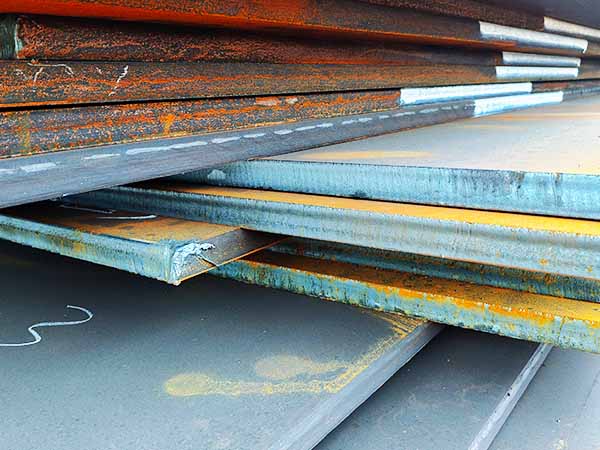
During the design phase of shipbuilding and offshore engineering, the selection of materials is a decision that is critical to safety and has a direct impact on costs. Faced with the various high-strength grades within the ABS Grade Shipbuilding Steel Plate range - AH36, DH36 and EH36. Many engineers ask the same question: what exactly distinguishes them from one another? This article will provide a detailed analysis of how to correctly select the most suitable steel plate grade in accordance with ABS specifications, examining three key aspects: impact temperature, chemical composition and application scenarios.