Cutting process for ABS Grade AH36 shipbuilding steel plates
- May 06, 2026

Knowledge
Regardless of the thermal cutting method employed, when ABS Grade Shipbuilding Steel Plate is locally heated and melted, a region affected by thermal cycling forms near the cut edge, known as the Heat-Affected Zone (HAZ). Within the HAZ, the material may undergo phenomena such as grain coarsening, the formation of a hardened microstructure, or softening; these changes may affect the quality of subsequent welding as well as the fatigue performance of the structure under service conditions.
For ABS Grade AH36 Shipbuilding Steel Plate, controlling the width and hardness of the HAZ is of paramount importance. ABS specifications typically require that the hardness of the cut surface does not exceed HV 350 to ensure that cold cracks are not induced by the hardened edges resulting from cutting. Furthermore, for cut edges requiring critical welds, grinding or machining may be required to remove the hardened layer produced by the cutting process.
Plasma cutting is currently the most widely used method for processing ABS Grade Shipbuilding Steel Plate in shipyards, and is particularly suitable for plates with thicknesses ranging from 6 to 50 mm. The principle involves using a high-temperature plasma arc to melt the steel, whilst a high-velocity gas flow blows away the molten metal.
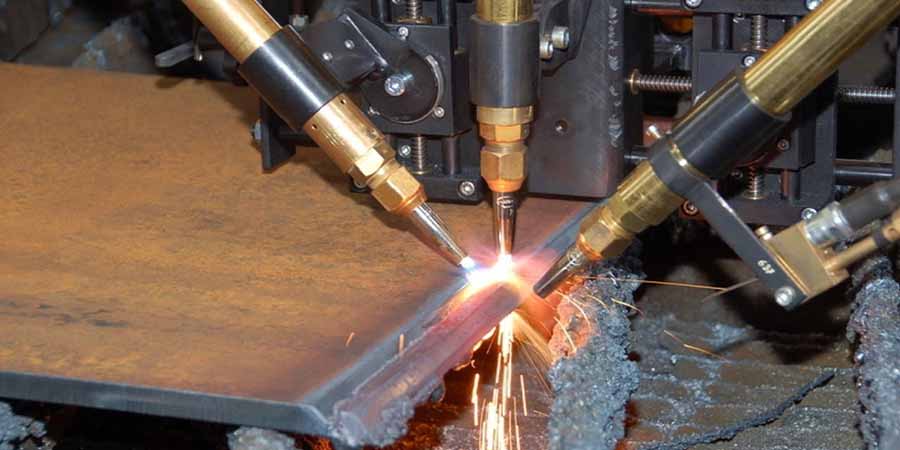
Cutting Surface Flatness: For edges of ABS Grade Shipbuilding Steel Plate intended for subsequent welding, flatness should meet Grade 1 or 2 of the ISO 9013 standard.
Notches and Indentations: Cutting edges should be free from deep notches or undercuts, as these defects can act as stress concentration points.
Slag: Should be easily removable and should not affect subsequent assembly.
For ABS Grade AH36 Shipbuilding Steel Plates exceeding 40 mm in thickness, underwater plasma cutting is recommended, as it effectively reduces the HAZ width and minimises fume emissions. Following cutting, for edges subject to high fatigue loads (such as the corners of hatch coamings), light grinding is recommended to remove approximately 0.5–1 mm of the cut surface layer.
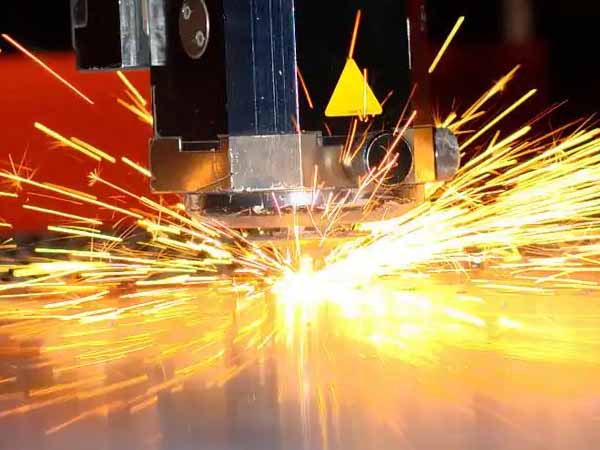
Laser cutting, characterised by its high precision, narrow kerf and minimal HAZ, is finding increasing application in the processing of thin ABS Grade Shipbuilding Steel Plates, particularly for the prefabrication of components for luxury cruise ships, aluminium superstructures and thin-plate hull structures.
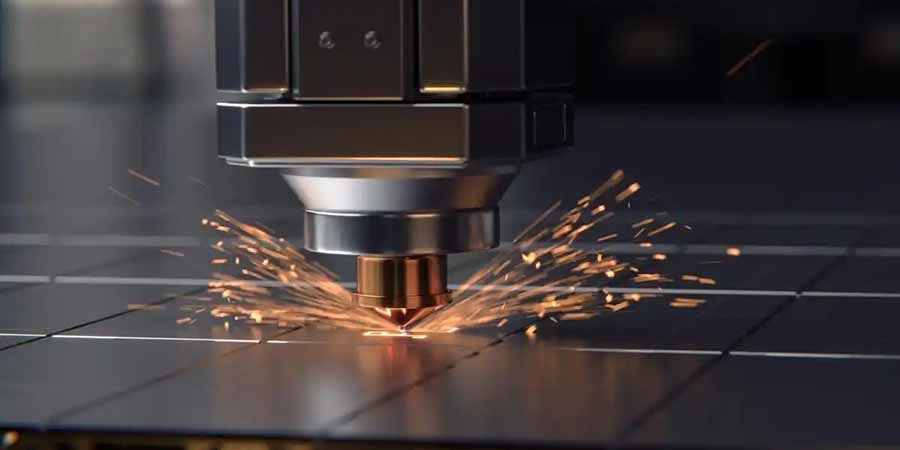
ABS Grade Shipbuilding Steel Plate with a thickness of typically < 20 mm is suitable for laser cutting. For AH36 with a thickness exceeding 25 mm, laser cutting is less efficient and economical than plasma cutting.
Extremely narrow HAZ width: typically < 0.5 mm, with virtually no impact on the material’s original toughness
High degree of automation: Combined with automated loading/unloading systems and nesting software, high-precision cutting without material allowance can be achieved
Minimal thermal deformation: Suitable for cutting complex shapes and small-sized components
When laser cutting ABS Grade AH36 Shipbuilding Steel Plate, a very thin remelted layer (metal that has melted and then solidified) forms near the cut seam. For applications with extremely high requirements (such as fatigue-critical components), it is recommended to lightly grind this layer away.
Flame cutting (oxy-acetylene or oxy-propane cutting) is the oldest thermal cutting method, utilising the combustion reaction between oxygen and iron to cut steel. For ABS Grade Shipbuilding Steel Plates exceeding 50 mm in thickness, flame cutting remains an economical and practical option, requiring a relatively low capital outlay.
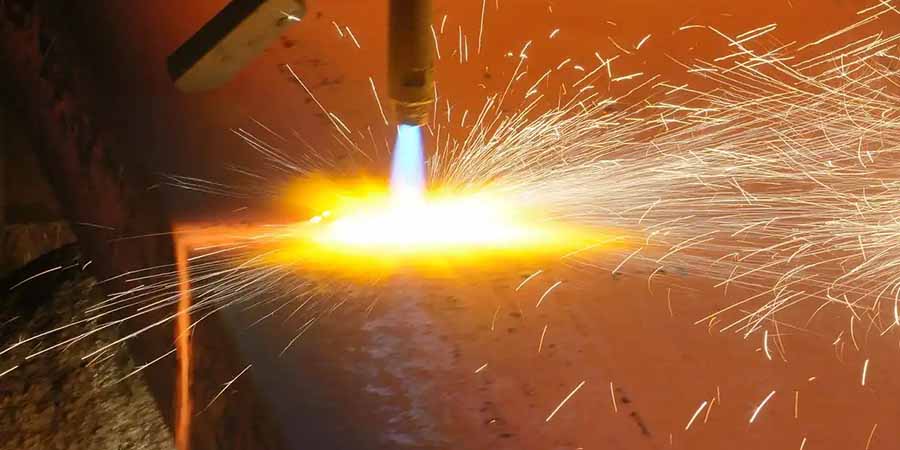
Wider kerf: typically 2–4 mm
Larger HAZ: due to relatively high heat input, the HAZ width may reach 2–5 mm
Risk of thermal deformation: Restraint or pre-bending is required when cutting long strips or thin plates
When cutting ABS Grade Shipbuilding Steel Plate, it is recommended to use propane as the fuel gas, as its moderate flame temperature reduces the risk of upper edge collapse and slag build-up. Following flame cutting, a layer of scale is usually present on the cut surface, which must be thoroughly removed by sandblasting prior to painting.
When cutting ABS Grade Shipbuilding Steel Plate and a heat-affected zone must be absolutely avoided, waterjet cutting is the optimal choice. Waterjet cutting utilises ultra-high-pressure water (> 400 MPa) mixed with abrasive media (such as garnet grit) to erode and cut the steel.
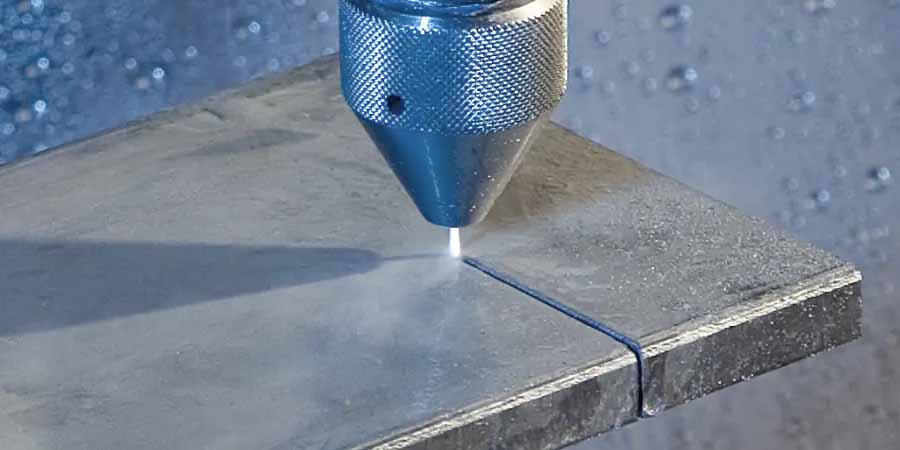
Zero thermal effects: No HAZ, thermal deformation or residual stresses whatsoever
Extremely high precision: Cutting accuracy of up to ±0.1 mm
No material restrictions: Can cut any thickness (commonly AH36 within 100 mm)
Slow cutting speed: For 20 mm thick ABS Grade Shipbuilding Steel Plate, waterjet cutting speeds are approximately 50–150 mm/min, far lower than plasma cutting (1000–2000 mm/min)
High operating costs: High costs associated with abrasive consumption and replacement of high-pressure seals
Scope of application: Primarily used for cutting complex-shaped templates, small-batch high-precision parts, and structures in nuclear/special-purpose vessels where zero tolerance for the heat-affected zone is required
Regardless of the cutting process used, cut parts made from ABS Grade Shipbuilding Steel Plate should undergo the following inspections and treatments before proceeding to the welding stage:
Removal of oxides, slag and oil contamination
Visual inspection for cracks, notches or delamination.
On-site hardness testing of the HAZ where necessary.
Light grinding of edges requiring high-quality welds to remove the hardened layer.
For ABS Grade Shipbuilding Steel Plate components requiring classification society inspection, cut test specimens (such as scrap material used for mechanical property verification) must be clearly marked and retained until the project is completed.
Selecting the appropriate cutting process for processing ABS Grade AH36 Shipbuilding Steel Plate requires balancing precision, efficiency, cost and the impact on material properties. Plasma cutting is the optimal choice for most shipyards; laser cutting excels in the field of high-precision thin-gauge plates; waterjet cutting caters to specific requirements where zero tolerance for the heat-affected zone is essential; and flame cutting still holds its place in the rough machining of thick plates. Regardless of the method employed, understanding and controlling the impact of the HAZ on the mechanical properties of AH36, and carrying out the necessary post-cutting treatments, are fundamental requirements for ensuring the quality of the hull structure. In the next article, we will discuss the procurement guidelines and key technical parameters for AH36 shipbuilding plates.
Customers choose to engage in long-term cooperation with Yuxin Steel not only because of our high-quality products and services, as well as our strong reputation in the international market, but also due to our experienced one-stop raw material supply and further steel processing capabilities!