Knowledge
Dimensional tolerances for ABS Grade D shipbuilding plates
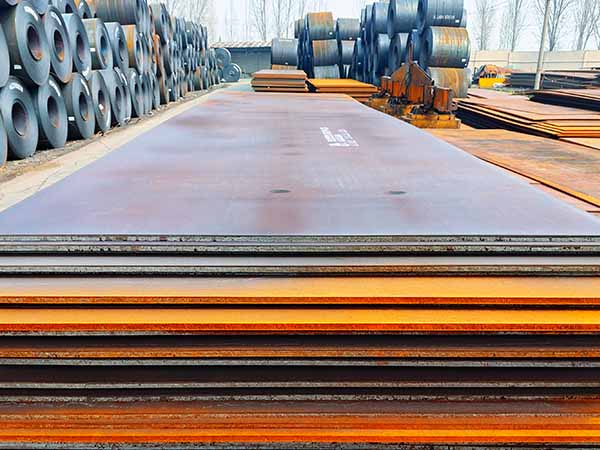
The dimensional tolerances of ABS Grade D shipbuilding steel plates have a direct impact on assembly accuracy in shipbuilding and must strictly comply with ABS standards, including thickness tolerance, width tolerance, length tolerance, flatness tolerance.
- Tags:
- ABS Grade D
Welding Procedures and Precautions for ABS Grade D Marine Steel Plates
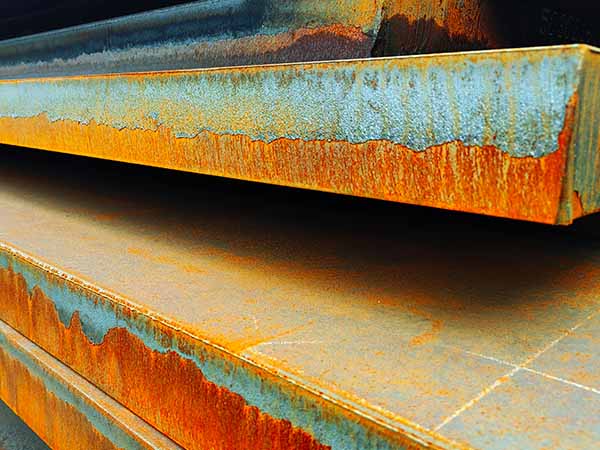
Welding is a core process in shipbuilding. As the primary material for ship hull structures, the welding quality of ABS Grade D marine steel plates directly affects the structural safety and service life of the vessel. This steel plate possesses specific chemical compositions and mechanical properties; welding processes must be adapted to these material characteristics to prevent defects such as cracks, lack of fusion and slag inclusions, and to ensure that the performance of the welded joint matches that of the base material. This article systematically introduces the applicable welding methods, process parameters, pre-treatment and post-welding treatment points for ABS Grade D marine steel plates. It also combines common welding defects with remedial measures to provide technical guidance for welding operations in shipbuilding.
- Tags:
- ABS Grade D
Production Process and Quality Control of ABS Grade D Marine Steel Plates
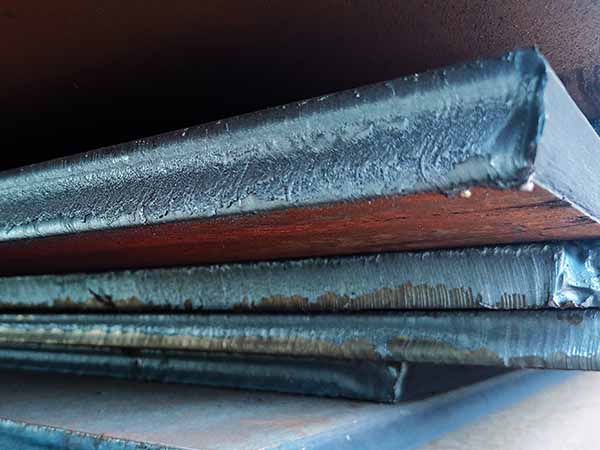
The production process of ABS Grade D marine steel plates directly determines their performance stability and quality reliability. As a key structural material in shipbuilding, the production process must strictly adhere to ABS specifications and relevant international standards. From raw material selection, smelting and rolling to heat treatment and inspection, every stage requires precise control to avoid issues such as compositional deviations, substandard performance and surface defects. This article systematically outlines the core production processes for ABS Grade D steel plates and breaks down the key quality control points at each stage, providing a technical reference for manufacturers and purchasers to ensure the material meets the stringent requirements of shipbuilding.
- Tags:
- ABS Grade D

Detailed Analysis of the Chemical Composition and Mechanical Properties of ABS Grade D Marine Steel Plates
The performance advantages of ABS Grade D marine steel plates stem from precise control of chemical composition and stringent mechanical property requirements. As a key material for ship hull structures, its chemical composition determines its strength, toughness, weldability and corrosion resistance, whilst its mechanical properties ensure it can withstand complex operating conditions such as loads, low temperatures and impact during service. This paper analyses the chemical composition, mechanical property parameters and testing standards of this steel plate, providing a technical reference for material acceptance and performance evaluation.
- Tags:
- ABS Grade D
ABS Grade D Shipbuilding Steel Plate: Key Characteristics and Applications
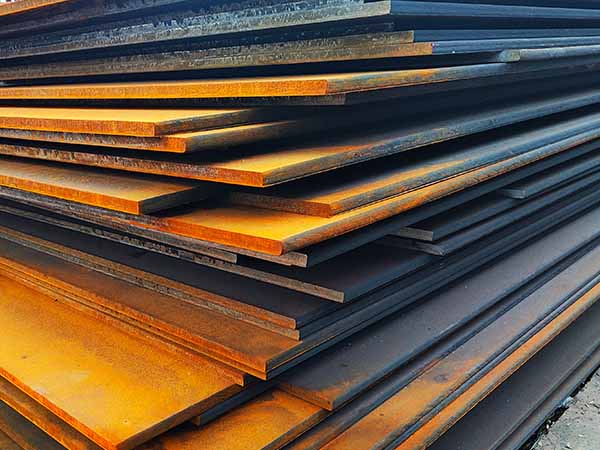
ABS Grade D Shipbuilding Steel Plate is a general-strength hull structural steel certified by the American Bureau of Shipping (ABS), specifically designed for critical structural components of vessels operating in cold waters. Thanks to its excellent low-temperature impact toughness and comprehensive mechanical properties, this steel plate has become one of the mainstream materials of choice for the construction of ocean-going vessels and offshore support facilities. The following provides a systematic analysis from four perspectives: core material characteristics, mechanical properties, certification standards and applicable scenarios.
- Tags:
- ABS Grade D