ABS Grade AH32 High-Strength Marine Steel Corrosion Protecti...
- Apr 28, 2026

Knowledge
Low-carbon, high-manganese (C ≤ 0.18%, Mn 0.90% - 1.60%), containing Nb and V, microalloyed. Yield strength ≥315 MPa, tensile strength 450 - 570 MPa, impact energy at 0°C ≥31 J.
Seawater: Moderate corrosion resistance, but high risk of pitting corrosion.
Chloride ions: Sensitive to SCC; high-chloride environments should be avoided.
Weld Heat-Affected Zone (HAZ): Grain coarsening; corrosion rate increases by 30% - 50%.
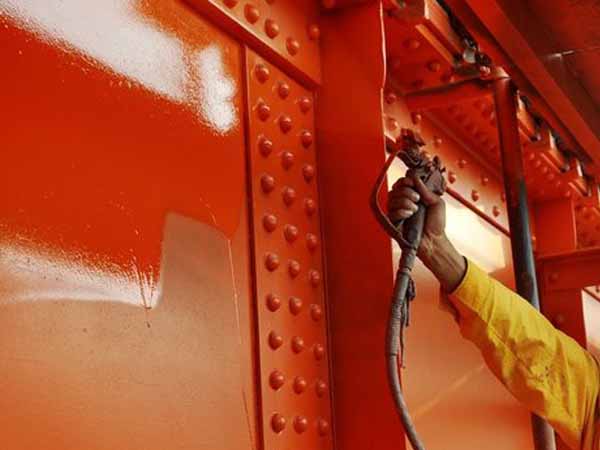
Primer: Epoxy zinc-rich (60 - 80 μm, zinc content ≥80%), sacrificial anodes + shielding.
Intermediate coat: Epoxy micaceous iron oxide (80 - 100 μm), providing resistance to penetration and ageing.
Topcoat: Polyurethane / fluorocarbon (60 - 80 μm), resistant to salt spray and UV radiation.
Edge / weld fillet radii R ≥ 3 mm to prevent sharp-edge corrosion.
Seal all dead corners where water may accumulate.
Option A: Thermal spray metal (recommended)
Material: Aluminium-zinc alloy (Al-15Zn), thickness 250 - 300 μm.
Sealing: Epoxy sealer (20 - 30 μm), to seal pores.
Advantages: Abrasion-resistant, service life ≥15 years, compliant with AH32.
Option B: Heavy-duty anti-corrosion coating
System: Epoxy glass flake (300 - 400 μm) + modified epoxy wear-resistant topcoat.
Suitable for: New structures; lower cost than thermal spraying.
Combined coating and sacrificial anode system
Coating: Epoxy coal tar (250 - 300 μm), resistant to wet-dry cycling.
Anodes: Aluminium alloy sacrificial anodes (potential -1.05 to -1.10 V vs CSE), spaced 1.5 - 2.0 m apart.
Primarily cathodic protection, supplemented by coating
Coating: Epoxy thick-film paint (200 - 250 μm), to reduce the required protection current.
Sacrificial anodes: Zinc alloy (Zn-Al-Cd), current density 20 - 30 mA/m², service life 3 - 5 years.
Impressed current cathodic protection (ICCP, large structures):
Auxiliary anodes (platinum, titanium) + reference electrode (Ag, AgCl).
Potential control: -0.85 to -1.00 V, to avoid hydrogen embrittlement caused by overprotection.
Coating + sacrificial anodes
Coating: coal tar epoxy, polyethylene jacket (300 - 500 μm)
Anode: Magnesium alloy (potential -1.50 to -1.70 V); high drive voltage, suitable for low-resistivity soils.
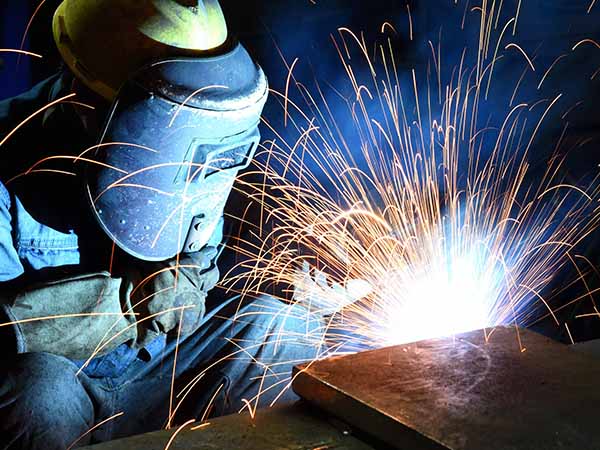
Use low-hydrogen E70 series electrodes (e.g. E7015-G) to reduce HAZ hardness and suppress SCC.
Post-welding dehydrogenation treatment: 200 - 250 °C × 1 h.
When connecting AH32 to stainless steel or copper alloys, use FRP or rubber insulating washers; a potential difference >0.2 V poses a significant risk.
Fasteners: Hot-dip galvanised bolts + stainless steel nuts, or full non-metallic isolation.
All platforms and decks shall have a gradient of ≥2% and drainage holes to prevent water accumulation.
Avoid narrow gaps and recesses; ensure full penetration and continuous welding of welds; intermittent welding is prohibited.
Use fillet transitions and thickened plates in high-stress areas to reduce the risk of SCC.
Coatings: Inspect every 6 months; repair damage ≤5% immediately; repaint the entire surface if damage exceeds 10%.
Cathodic protection: Measure the potential monthly; adjust the current or replace the anode if the deviation exceeds ±50 mV.
Ballast water: Deoxygenation treatment + corrosion inhibitor
Cleaning: Regular high-pressure fresh water flushing to remove salt spray and marine biofouling.
| Zone | Recommended Scheme | Key Parameters | Expected Service Life |
|---|---|---|---|
| Atmospheric Zone | Epoxy zinc-rich + MIO + Polyurethane | 220 μm | 8 - 10 years |
| Splash Zone | Aluminum-zinc thermal spray + Sealer | 280 μm | 15 - 20 years |
| Tidal Zone | Coal tar epoxy + Aluminum anode | 280 μm | 10 - 12 years |
| Immersed Zone | High-build epoxy + Zinc anode / ICCP | 250 μm | 8 - 15 years |
The use of standard carbon steel anti-corrosion schemes (e.g. red lead paint alone) is prohibited, as AH32 exhibits higher susceptibility to pitting corrosion.
Over-protection (potential < -1.10 V): High-strength steel is prone to hydrogen embrittlement cracking; precise potential control is required for ICCP.
Chloride ion residue: Surface preparation to Sa2.5 grade prior to application, with salt content < 50 mg/m².
Marine corrosion protection for ABS AH32 requires a zone-specific, precision-based approach. Centred on thermal spray metallisation or heavy-duty anti-corrosion coatings combined with cathodic protection, and supported by weld quality control, structural optimisation and regular maintenance, this approach can achieve long-term protection lasting 10 - 20 years, striking a balance between safety, cost and service life.
Customers choose to engage in long-term cooperation with Yuxin Steel not only because of our high-quality products and services, as well as our strong reputation in the international market, but also due to our experienced one-stop raw material supply and further steel processing capabilities!