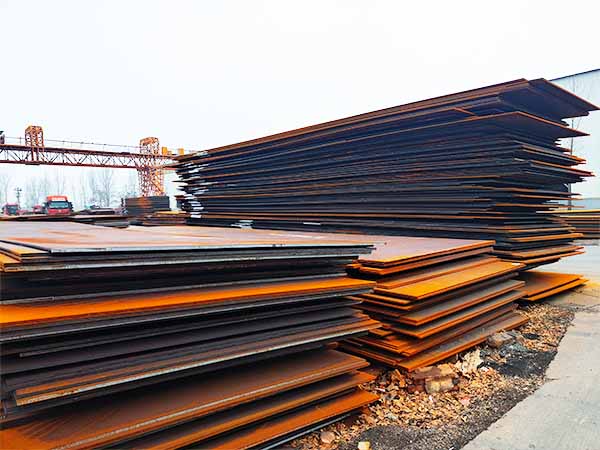
Properties of ABS Grade AH32 shipbuilding steel plates
- Apr 28, 2026

Knowledge
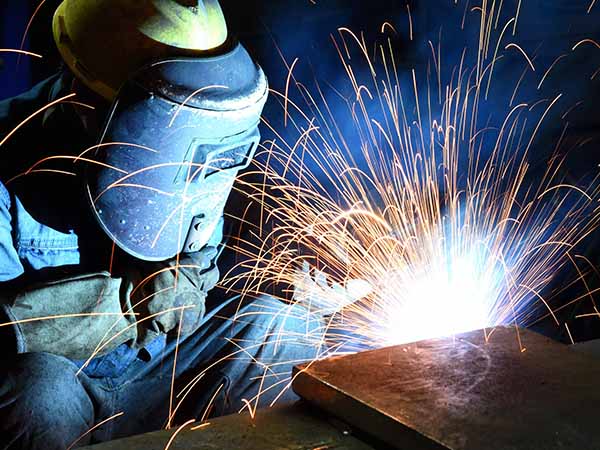
Due to its low carbon equivalent design, ABS AH32 steel offers excellent weldability and is suitable for the following mainstream shipbuilding welding processes, meeting the requirements of various construction scenarios:
Manual Metal Arc Welding (SMAW)
Gas Metal Arc Welding (GMAW)
Submerged Arc Welding (SAW)
Flux-Cored Arc Welding (FCAW)
Welding materials should be matched to the properties of the base metal. The recommended selections are as follows:
| Welding Process | Recommended Welding Consumables |
|---|---|
| Shielded Metal Arc Welding (SMAW) | E5015 (J507) electrode |
| Gas Metal Arc Welding (GMAW) | ER70S-6 solid wire |
| Submerged Arc Welding (SAW) | H08MnA wire + HJ431 flux |
| Flux-Cored Arc Welding (FCAW) | E71T-1 flux-cored wire |
The above selections ensure that the strength and toughness of the weld meet the requirements of the specifications.
Steel plate thickness < 30 mm: No preheating is required in ambient temperatures (≥0°C).
Steel plate thickness ≥ 30 mm or ambient temperature < 0°C: Preheating temperature should be controlled between 60–100°C, and interpass temperature should be maintained at ≤150°C.
Note: Avoid excessively high preheating temperatures, which may cause grain coarsening in the heat-affected zone.
| Defect Type | Prevention and Control Measures |
|---|---|
| Cold crack | Control preheating temperature, reduce hydrogen content in the weld, select low-hydrogen welding materials |
| Heat-affected zone embrittlement | Control welding heat input, avoid excessively rapid cooling |
| Incomplete penetration, porosity, slag inclusion, etc. | Conduct visual inspection and non-destructive testing (e.g., UT, MT) after welding, strictly follow process parameters and operation specifications |
The welding procedure must be approved by a classification society (e.g. ABS, CCS, DNV, etc.).
Welders must hold valid qualification certificates to work on site.
For large-scale welds on thick plates, post-weld stress-relief heat treatment is recommended to ensure the long-term stability of the ship structure’s weld quality.
Customers choose to engage in long-term cooperation with Yuxin Steel not only because of our high-quality products and services, as well as our strong reputation in the international market, but also due to our experienced one-stop raw material supply and further steel processing capabilities!