Differences Between DNV Grades AH36, DH36, and EH36
- Jun 18, 2026

Knowledge
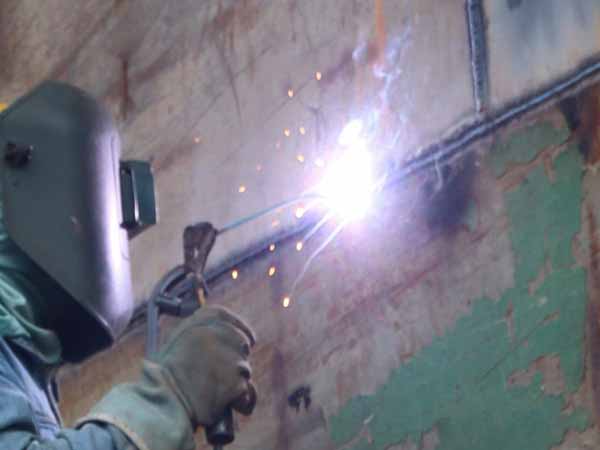
ABS EH32 shipbuilding steel plates possess good inherent weldability due to their low carbon content. The welding consumables selected must comply with ABS certification standards:
Manual arc welding: Low-hydrogen carbon-manganese electrodes are recommended.
Submerged arc welding: Use solid welding wire with matching strength.
Note: Avoid using high-carbon welding consumables to prevent brittleness in the welded joint.
Preheating temperature: For plate thicknesses ≥20 mm, preheat to 60°C–100°C to eliminate welding stresses.
Welding current: 180–260 A (adjust according to wire diameter).
Interpass temperature: Maintain below 150°C to prevent grain coarsening.
Post-welding treatment: Cool slowly to avoid cracking caused by thermal stress.
Cutting methods: Oxy-fuel or plasma cutting may be used.
Post-cutting treatment: Remove the oxide layer from the cut edges to prevent welding defects.
Bending:
Thin plates (<16 mm): Cold bending is permitted.
Thick plates: Hot bending is required to prevent surface cracking.
Bending angle: Must comply with ABS marine steel fabrication specifications to avoid excessive deformation.
Upon completion of welding, the welded joints shall undergo:
Non-destructive testing: Ultrasonic testing (UT) and radiographic testing (RT) to identify defects such as porosity, cracks and inclusions.
Low-Temperature Impact Test: To be carried out on critical welded areas to ensure the toughness of the joint is not lower than that of the base material, thereby meeting marine structural safety standards.
| Common Defects | Remedies |
|---|---|
| Cold Cracking | Strictly control preheating temperature and appropriately reduce welding speed. |
| Edge Oxidation | Grind the cut edges prior to welding and use shielding gas to minimise oxidation. |
| Hydrogen Cracking (High-Humidity Marine Environments) | Dry the welding materials prior to use. |
Customers choose to engage in long-term cooperation with Yuxin Steel not only because of our high-quality products and services, as well as our strong reputation in the international market, but also due to our experienced one-stop raw material supply and further steel processing capabilities!