Knowledge
Quality Inspection of ABS EH32 Marine Steel Plates
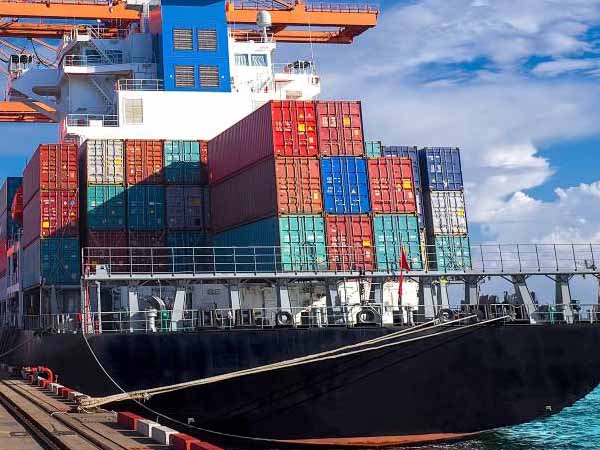
The American Bureau of Shipping (ABS) is an internationally recognised and authoritative marine classification society. All ABS Grade EH32 shipbuilding steel plates must undergo factory certification and batch inspection. Only steel manufacturers holding ABS production certification are permitted to produce certified EH32 products. This certification serves as a key entry credential for the global marine engineering market. The core of quality inspection for ABS EH32 marine steel plates involves five key areas in accordance with ABS specifications: chemical composition, mechanical properties, non-destructive testing, dimensions and appearance, and document review. The focus lies on low-temperature impact toughness at -40°C and the pass rate for internal flaw detection.
- Tags:
- ABS Grade EH32
Welding and Processing Techniques for ABS Grade EH32 Shipbuilding Steel Plates
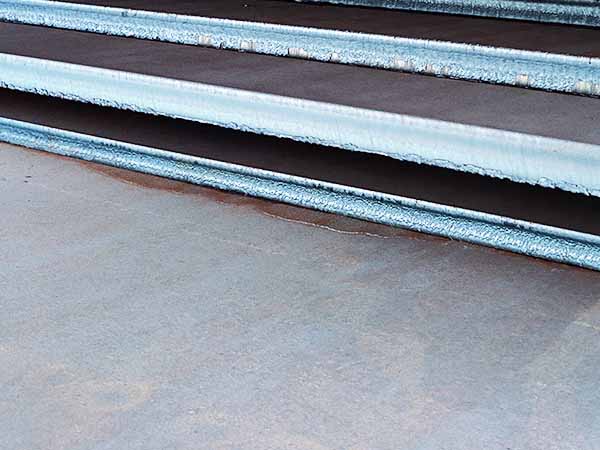
As ABS Grade EH32 shipbuilding steel plates are used in the construction of vessels and offshore structures operating in cold-water environments, the welding and fabrication processes involved are subject to extremely stringent requirements. If the processes are not carried out correctly, the material is highly susceptible to brittle fracture at low temperatures, which can seriously compromise the safety of the hull or offshore structure and may even lead to accidents.
- Tags:
- ABS Grade EH32
Main applications of ABS Grade EH32 shipbuilding steel plates
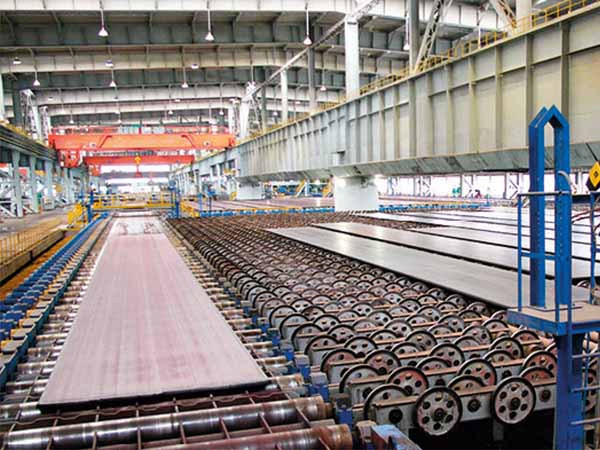
Thanks to its high strength, low-temperature toughness at -40°C and excellent weldability, ABS Grade DH32 shipbuilding steel plate has become a key structural material for ocean-going vessels and offshore engineering, being used in core structures such as decks, bulkheads, hulls and platform columns.
- Tags:
- ABS Grade EH32
Comparison of Properties and Selection of ABS AH32 / DH32 / EH32 High-Strength Shipbuilding Steel Plates
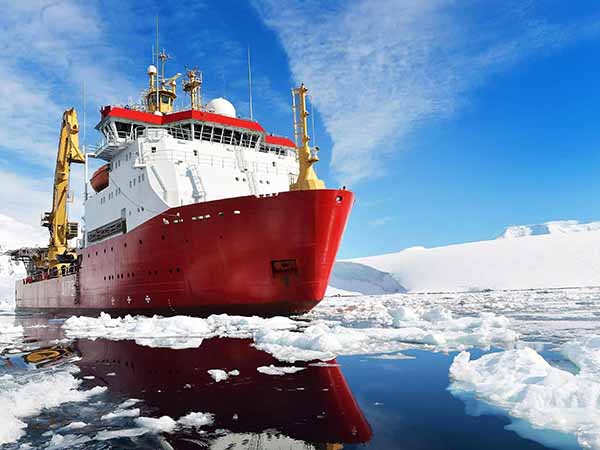
AH32, DH32 and EH32 are all 315 MPa-grade high-strength shipbuilding steel plates certified by ABS. Their chemical composition, strength and elongation are essentially identical; the key difference lies in their low-temperature impact toughness temperatures (0°C / -20°C / -40°C), which determine their suitability for specific environments. DH32 offers the best value for money and is suitable for the vast majority of ocean-going vessels; EH32 is used in extremely cold waters; AH32 is used in warmer waters or for non-low-temperature structures.