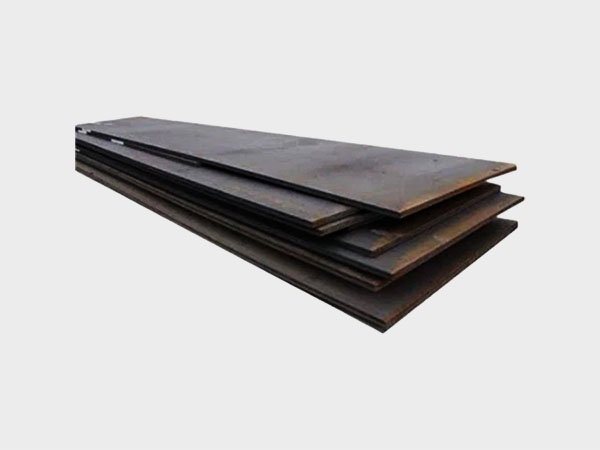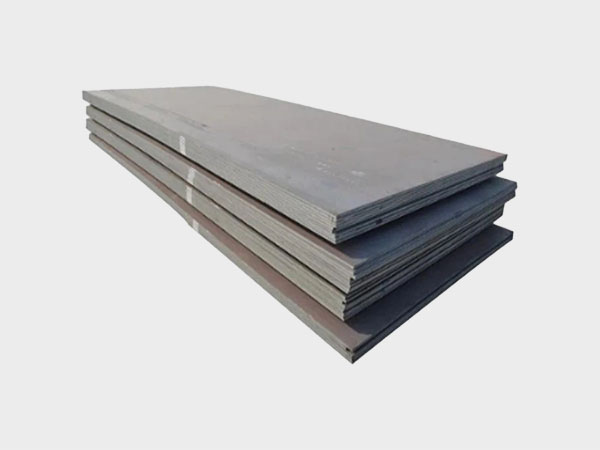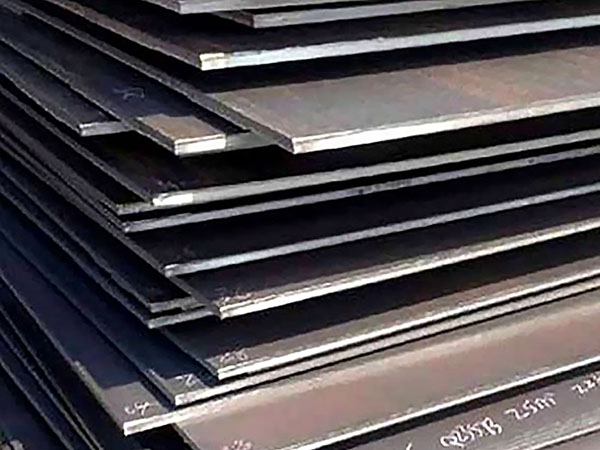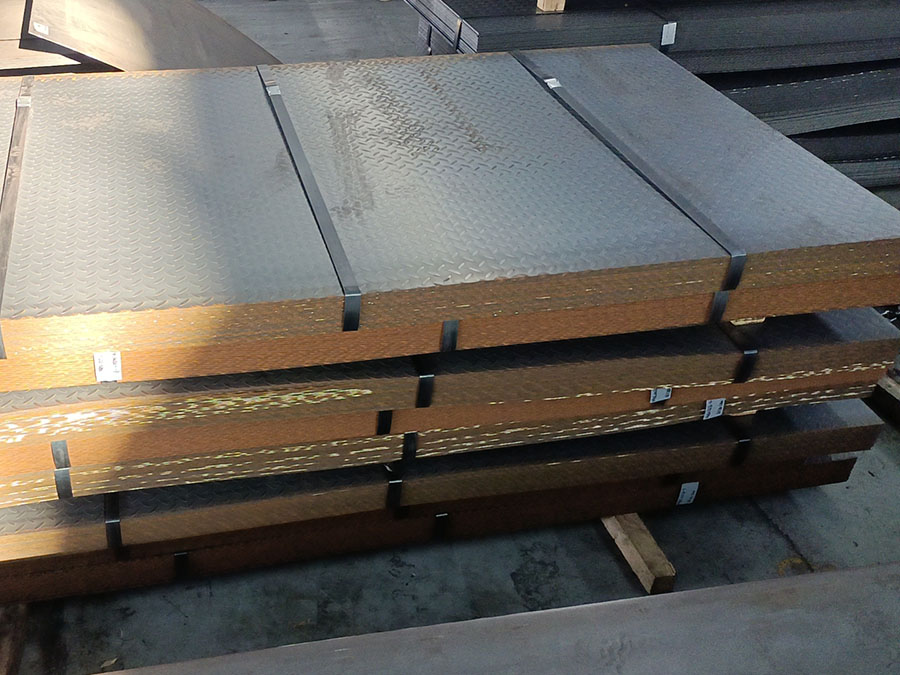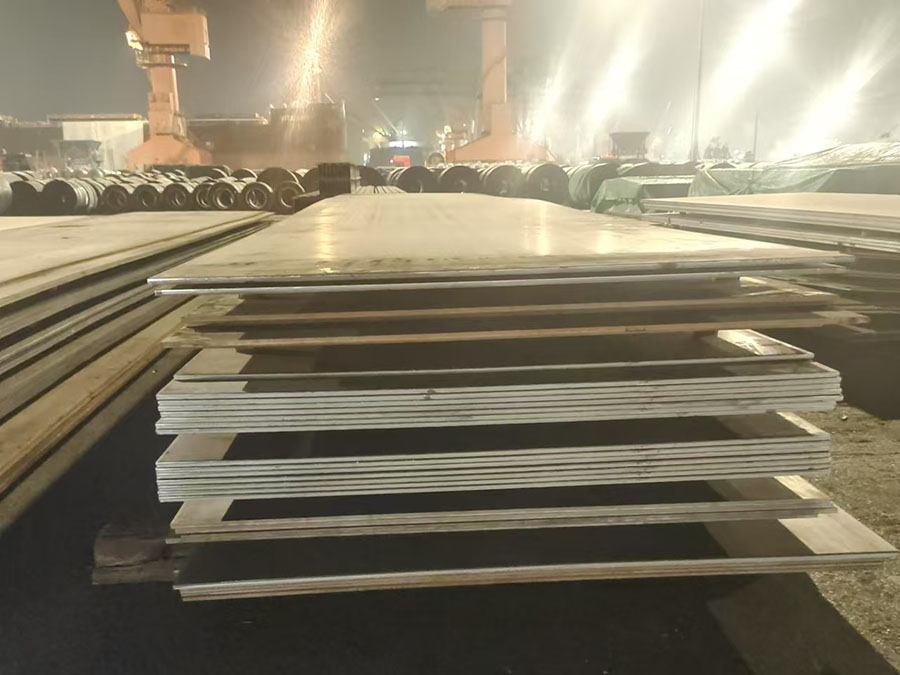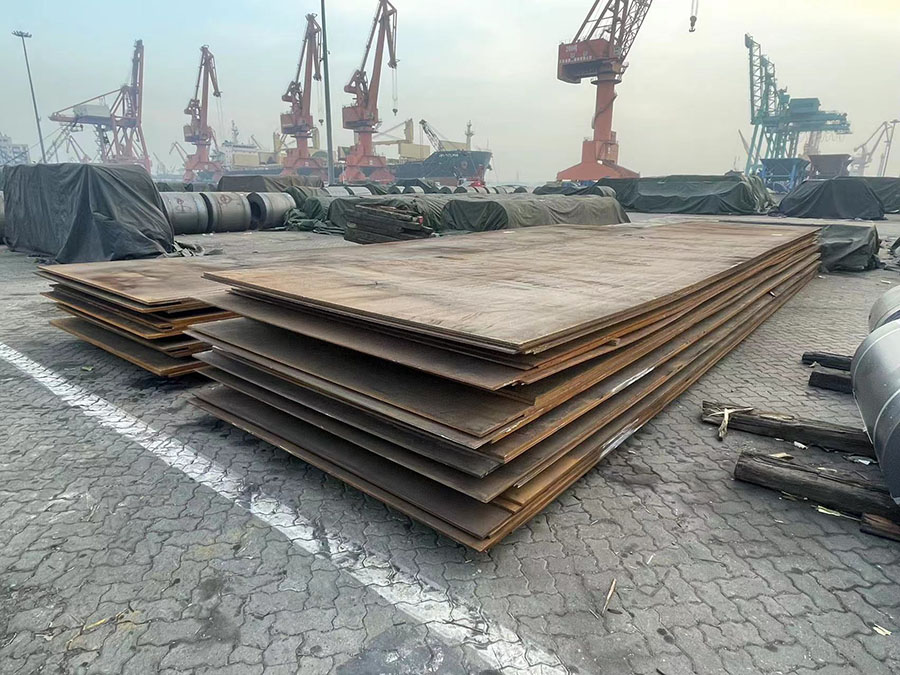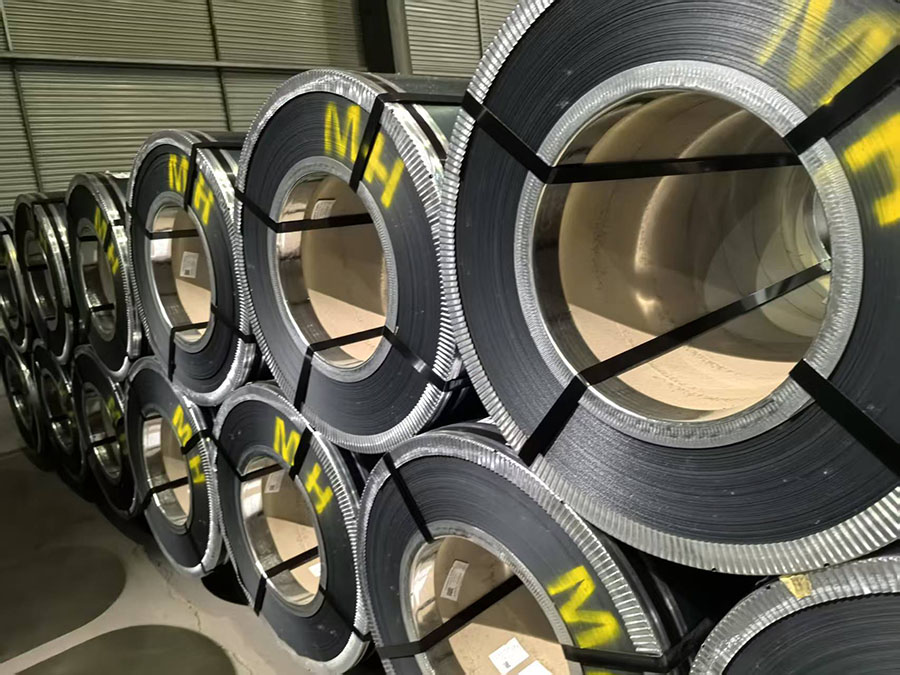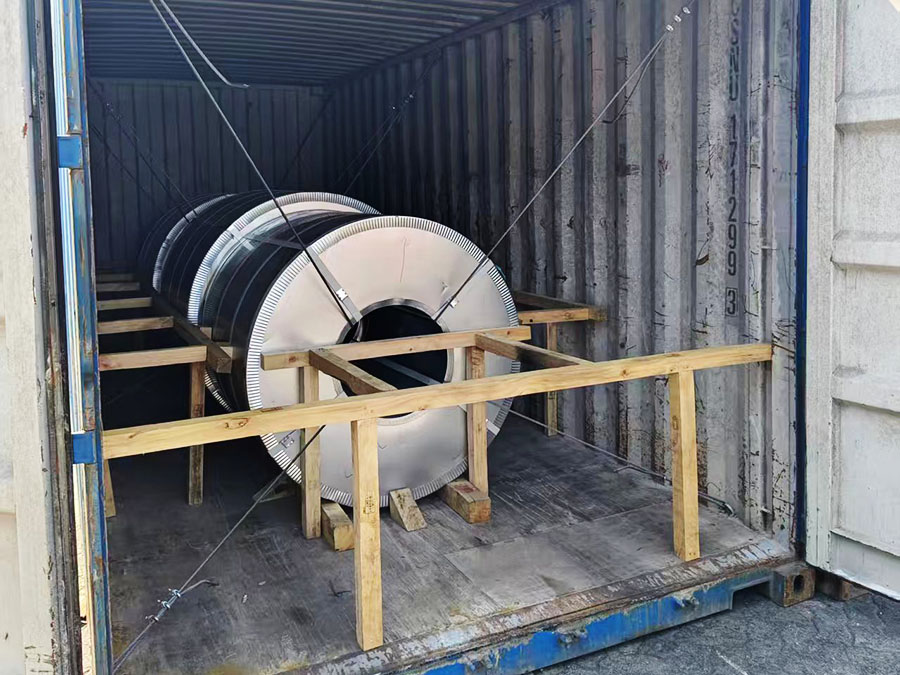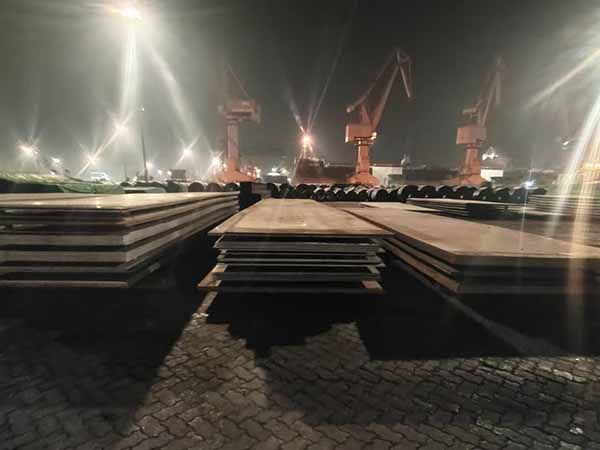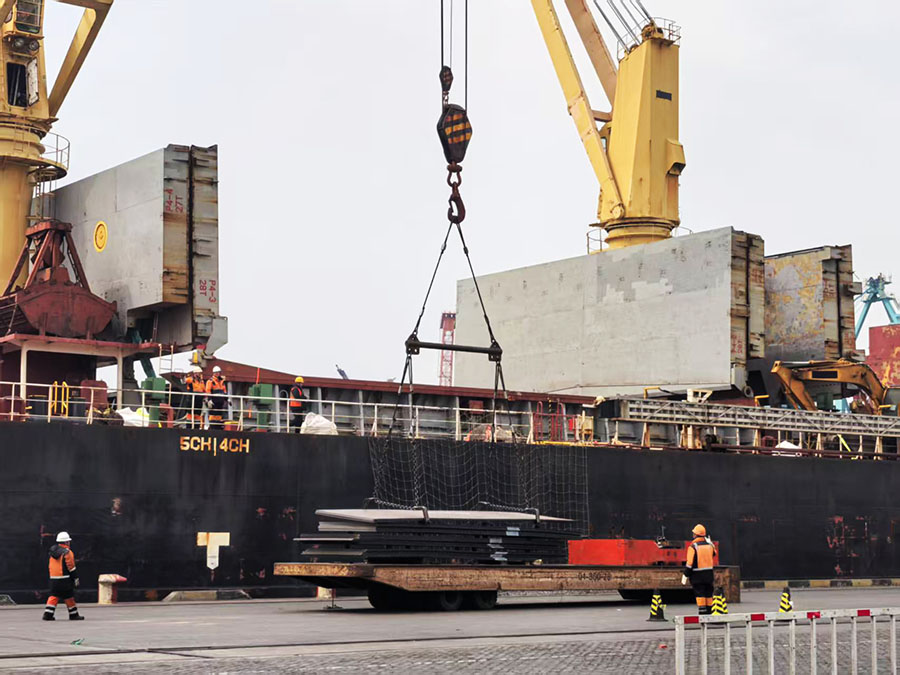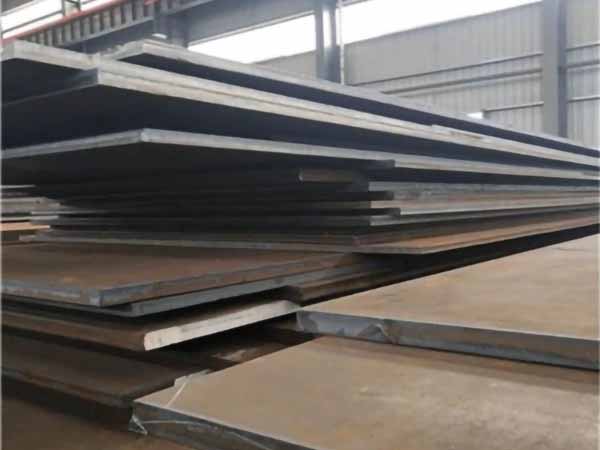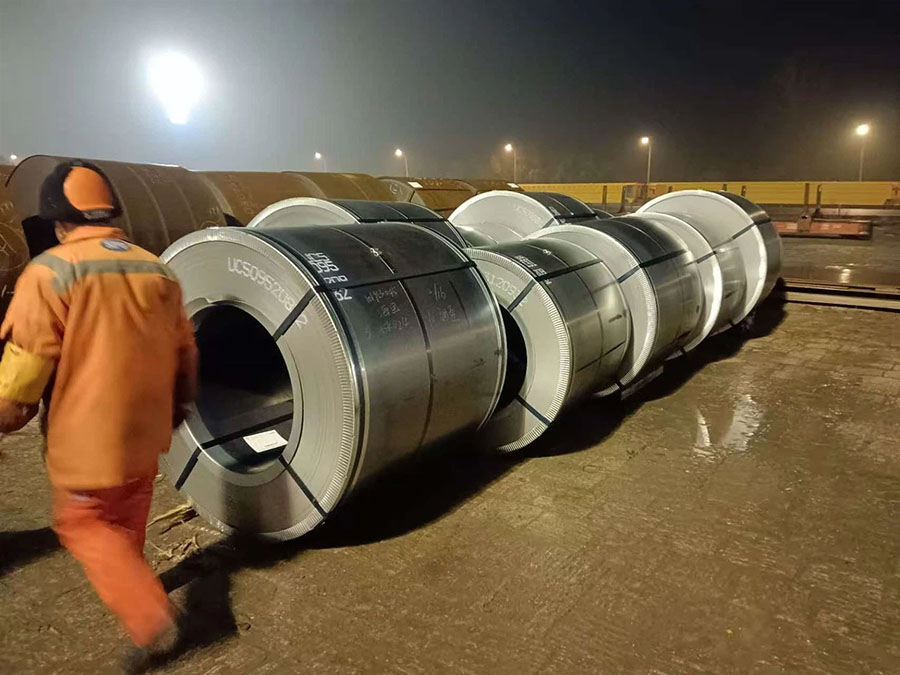
EN 10028-3 P275NL2 Boiler And Pressure Vessel Steel Plate is a fine-grained weldable structural steel specified in the European standard (EN) for boilers and pressure vessels, with good mechanical properties and weldability.
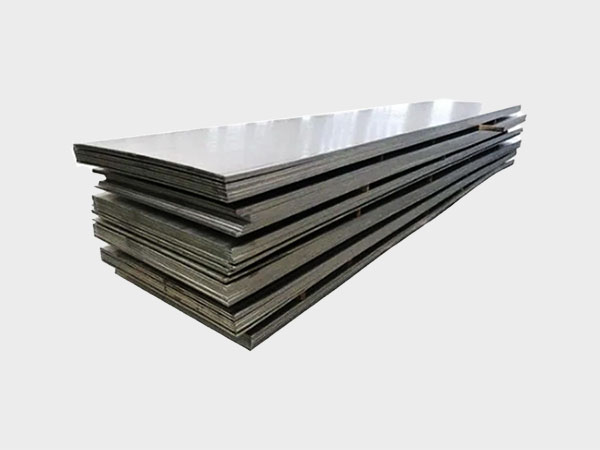
Standard :
EN 10028-3Grade :
P275NL2Thickness :
6.0-300.0 mmWidth :
1500-4050 mmLength :
3000-15000 mmSpecial thickness, width, and length can be negotiated separately.
We also provide customized processing services.If you have any questions, please contact us.
EN10028-3 P275NL2 Boiler And Pressure Vessel Steel Plate is a low-temperature pressure vessel steel with balanced comprehensive performance. Its design and production strictly adhere to European standards, ensuring safety and reliability under complex working conditions such as high pressure and low temperature.
Features and Advantages
High Strength: With a yield strength of over 275 MPa, it can withstand heavy loads and stress, meeting the requirements of boilers and pressure vessels in high-pressure applications.
Corrosion Resistance: The addition of alloying elements such as chromium and copper provides enhanced corrosion resistance, enabling it to withstand common corrosive media and extend equipment service life.
Low-Temperature Toughness: As a special low-temperature quality-grade steel, it maintains excellent mechanical properties, particularly impact toughness, in cryogenic environments. This effectively prevents brittle fracture, ensuring safe operation in cold regions or low-temperature conditions.
Weldability: With low carbon equivalent and well-balanced alloying elements, it offers excellent weldability. Various common welding methods can be applied, producing welded joints with high strength and toughness, facilitating assembly and fabrication.
Workability: It exhibits good cold-forming properties, allowing bending, stamping, and other cold-working operations at room temperature. This makes it suitable for manufacturing complex-shaped components and simplifies production processes.
| Grade | EN10028-3 P275NL2 | |||||
| Element | C | Si | Mn | P | S | Al |
| Content(%) | ≤0.20 | ≤0.40 | ≤1.20 | ≤0.025 | ≤0.010 | ≥0.020 |
| Grade | Yield Strength(MPa) | Tensile Strength(MPa) | Elongation (%) | Impact Energy (KV) |
| EN10028-3 P275NL2 | ≥275 | 410-560 | ≥22 | ≥27 J at -50°C |
Pressure vessels & boilers (e.g., storage tanks, reactors)
Components for low-temperature environments (e.g., LNG tanks, cryogenic applications)
Welded constructions requiring good impact toughness
A:
We provide one-stop value-added processing services, including precision cutting, bending, drilling, beveling, surface derusting, shot blasting, anti-corrosion treatment, and heat treatment, to meet all custom manufacturing and installation requirements for high-standard offshore engineering projects.
A:
Yes. All of our LR Grade AH36 shipbuilding steel plates fully support third-party inspections by internationally recognized organizations such as SGS and BV. They come with complete official LR certification and original factory test certificates, ensuring comprehensive quality traceability.
A:
LR Grade AH36 shipbuilding steel plate is a high-strength hull structural steel certified by Lloyd’s Register (LR). It is primarily used in ultra-large ocean-going vessels, deep-sea offshore platforms, heavy-duty offshore engineering facilities, and high-load-bearing ship structures, and serves as a core load-bearing material for high-grade offshore engineering projects.
A:
Yes. This product fully complies with the relevant marine steel standards of major classification societies such as CCS, ABS, BV, and DNV. We can provide dual or multiple classification society joint certifications based on customer requirements to meet marine engineering acceptance standards in different countries or regions.
A:
Both are high-strength hull structural steels certified by Lloyd’s Register (LR). The key difference lies in their yield strength grades: LR AH32 has a minimum yield strength of 315 MPa, while LR AH36 has a minimum yield strength of 355 MPa.
Therefore, LR AH32 is suitable for conventional-tonnage vessels and general offshore engineering projects, offering better cost-effectiveness; LR AH36, on the other hand, is intended for applications requiring higher strength, such as ultra-large vessels and high-load-bearing offshore structures.
A:
Yes. All of our LR Grade AH32 shipbuilding steel plates support inspections by internationally recognized third-party organizations such as SGS, BV, and DNV. They come with complete official LR certification and original mill test certificates, ensuring full quality traceability.
A:
We offer one-stop value-added processing services, including precision cutting, bending, drilling, beveling, surface derusting, shot blasting, anti-corrosion treatment, and heat treatment, to meet all custom manufacturing and installation requirements for offshore engineering projects.
A:
LR Grade AH32 shipbuilding steel plate offers excellent overall weldability, stable material properties, and a low carbon equivalent. It is suitable for all conventional shipbuilding welding processes and does not require complex preheating or special protective measures.
Standard marine welding operating procedures ensure consistent weld quality, effectively reduce construction difficulties, and improve project efficiency.
A:
LR Grade AH32 shipbuilding steel plate is primarily used in the construction of commercial vessels, conventional offshore platforms, coastal marine infrastructure, and the maintenance of marine equipment. It is suitable for various marine engineering applications that require high strength and stable overall structural performance.
A:
The weldability is good, and the carbon equivalent (CEV) is typically controlled at ≤ 0.40% (depending on the specific thickness).
For thicknesses of 40 mm or less, preheating is generally not required at ambient temperatures (≥0°C), but low-hydrogen electrodes must be used.
For plates thicker than 40 mm or highly constrained joints, preheating to 50°C–100°C is recommended to reduce the cooling rate and prevent cold cracks.
Important Note: Welding consumables approved by the classification society and compatible with LR Grade E must be used.
A:
The basic strength parameters of the two grades are the same; the key difference lies in low-temperature impact resistance and application scenarios.
LR Grade D must pass an impact test at -20°C and is suitable for conventional cold-water regions; LR Grade E must pass an impact test at -40°C and offers superior low-temperature toughness and resistance to brittle fracture, making it suitable for polar and extremely cold marine environments.
A:
LR Grade E shipbuilding steel plate is a high-performance, ordinary-strength marine structural steel plate with exceptional impact toughness at ultra-low temperatures of -40°C. It is primarily used in polar icebreakers, polar research vessels, ultra-cold ocean-going vessels, extremely cold offshore structures, and high-end marine infrastructure requiring resistance to brittleness at extremely low temperatures. It serves as an upgraded replacement for LR Grade D shipbuilding steel plate in polar and extremely cold marine environments.
A:
The standard delivery conditions for LR Grade D shipbuilding steel plates are as follows:
1) Hot-rolled (HR): Suitable for thin plates with a thickness of ≤12 mm; this is the standard supply condition.
2) Thermomechanically Controlled Process (TMCP): The primary delivery condition for medium- and thick plates; grain refinement ensures compliance with impact toughness requirements at -20°C without the need for additional heat treatment.
3) Normalized (N): Suitable for thick plates with a thickness of ≥50 mm; used for critical components with stringent low-temperature toughness requirements.
All delivery conditions must pass LR third-party inspection prior to shipment.
A:
We provide one-stop value-added processing services, including precision cutting, bending, drilling, beveling, surface derusting, shot blasting, anti-corrosion treatment, and heat treatment, to meet all custom manufacturing and installation requirements for extreme-low-temperature offshore engineering projects.
A:
Yes. All of our LR Grade D shipbuilding steel plates are fully compatible with inspections by internationally recognized third-party organizations such as SGS, BV, and DNV. They come with complete official LR certification and original factory test reports, ensuring comprehensive quality traceability.
– We offer free samples and bespoke solutions. Please feel free to enquire about our latest prices and volume discounts.
Yuxin Steel provides high-quality steel products to customers in more than 20 countries worldwide.
Contact Info
Would you like to know more about our offers? Please feel free to contact us.