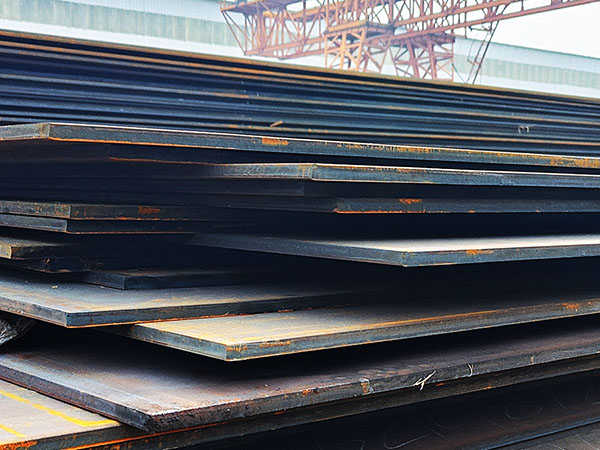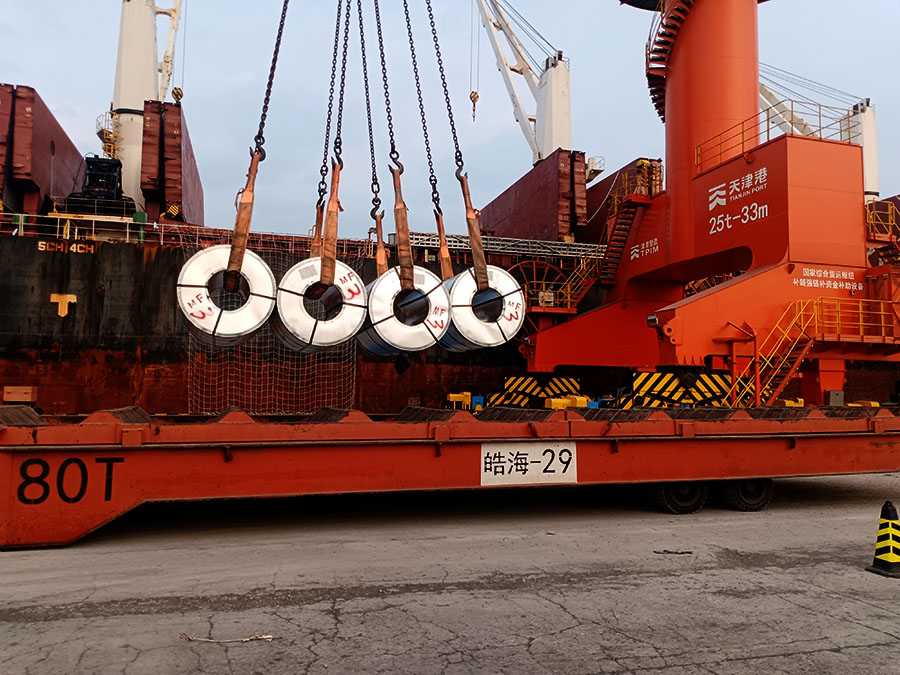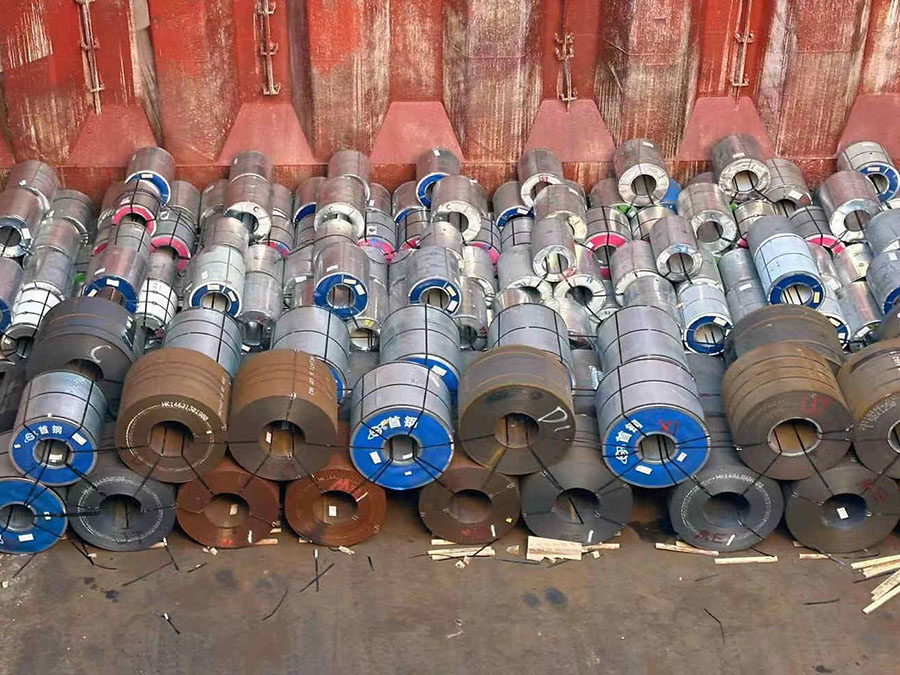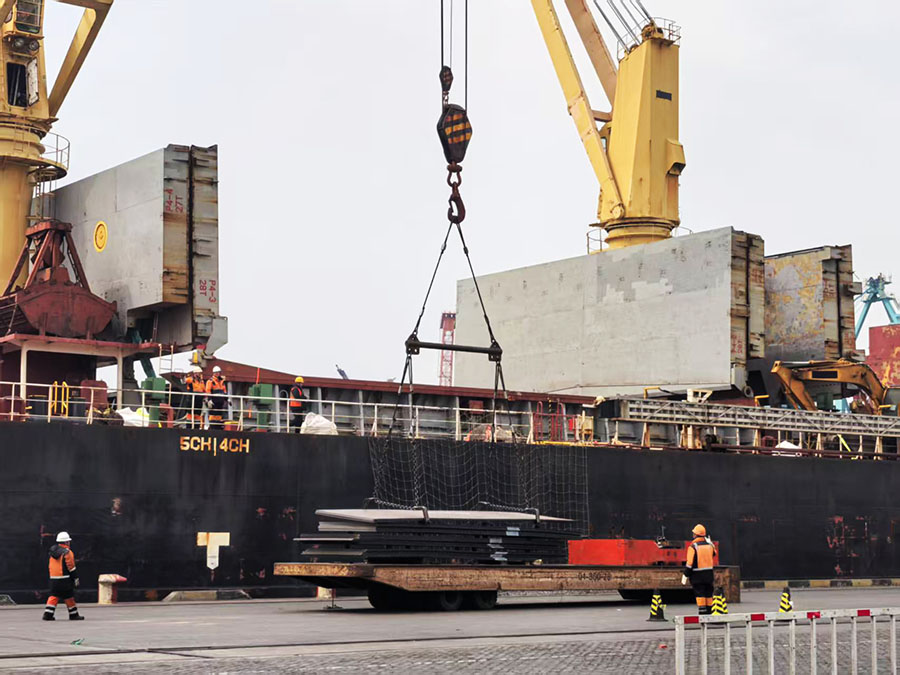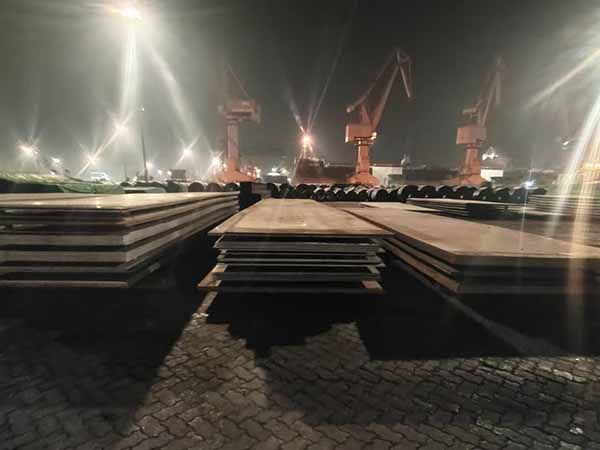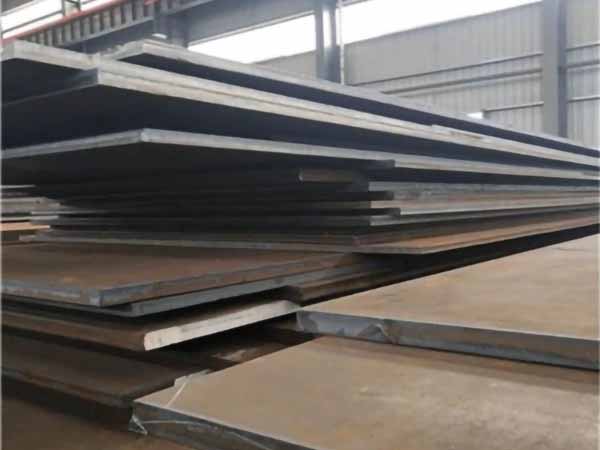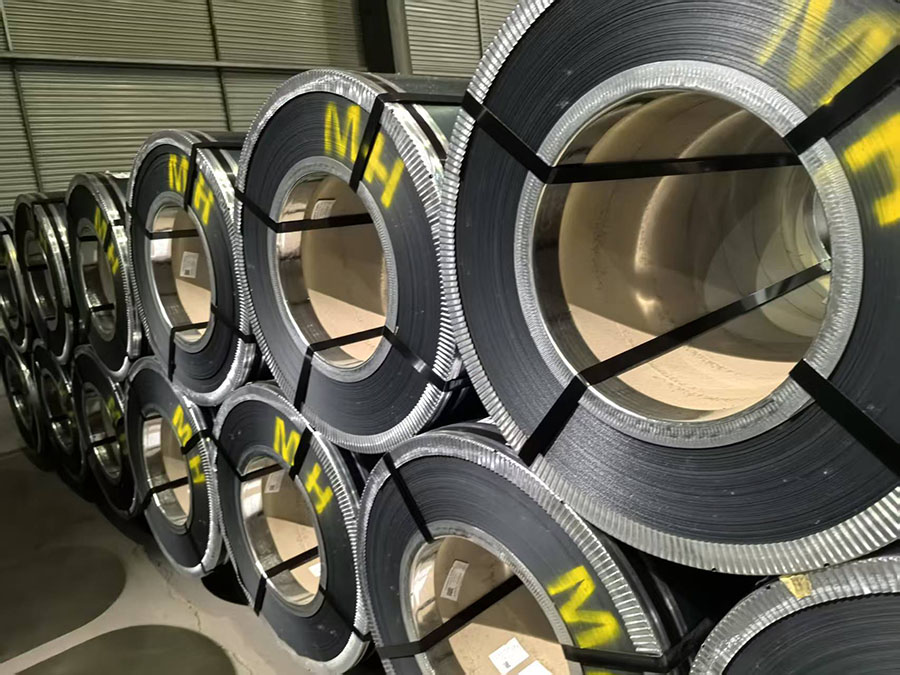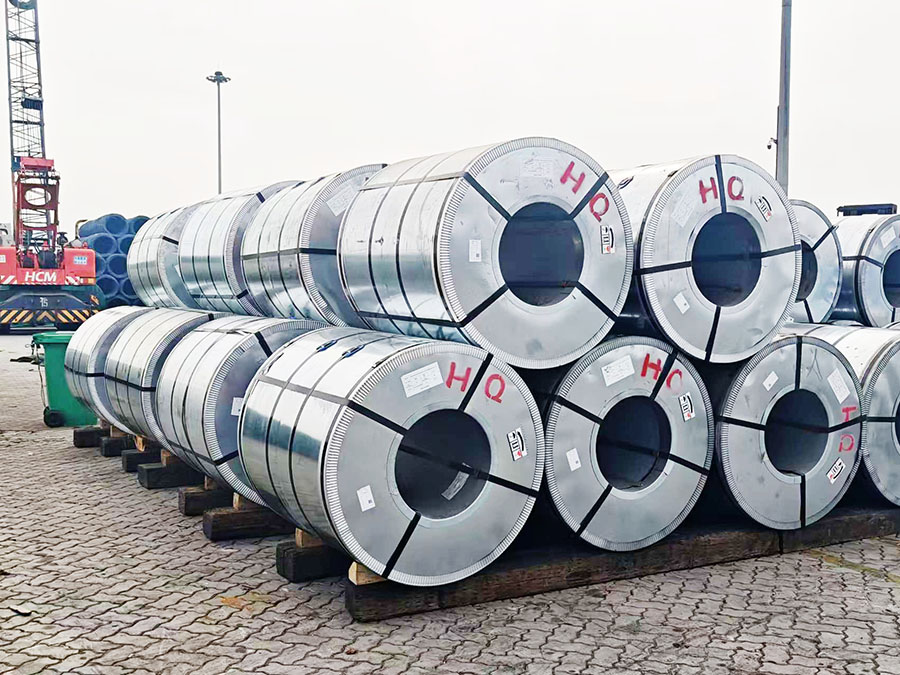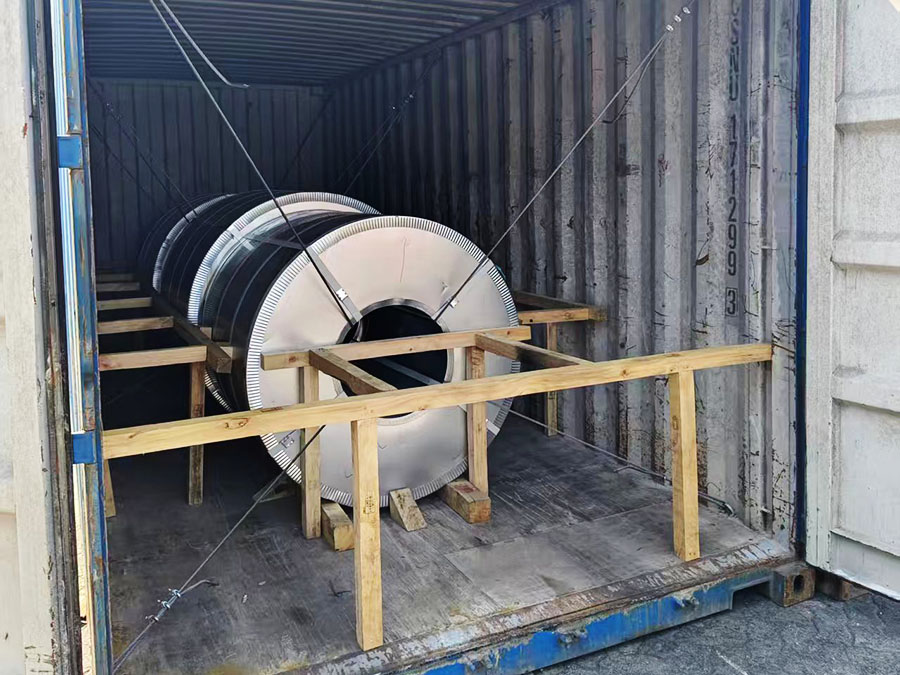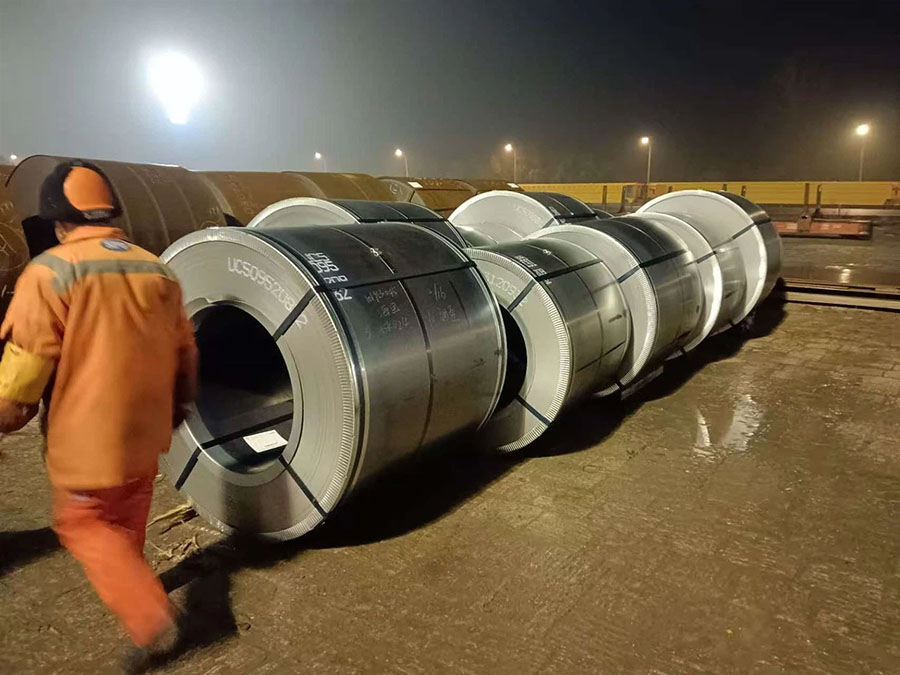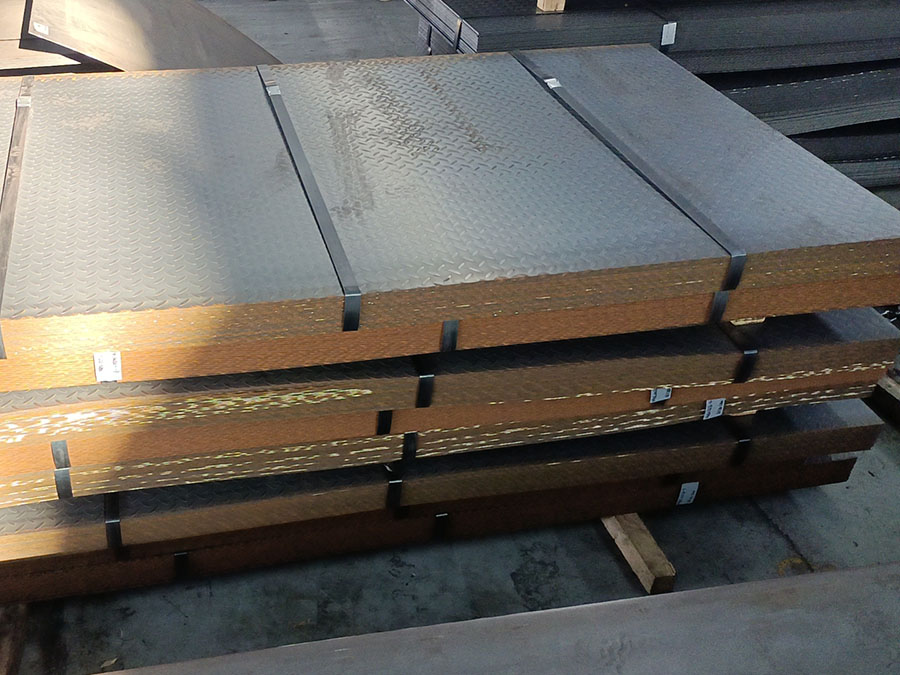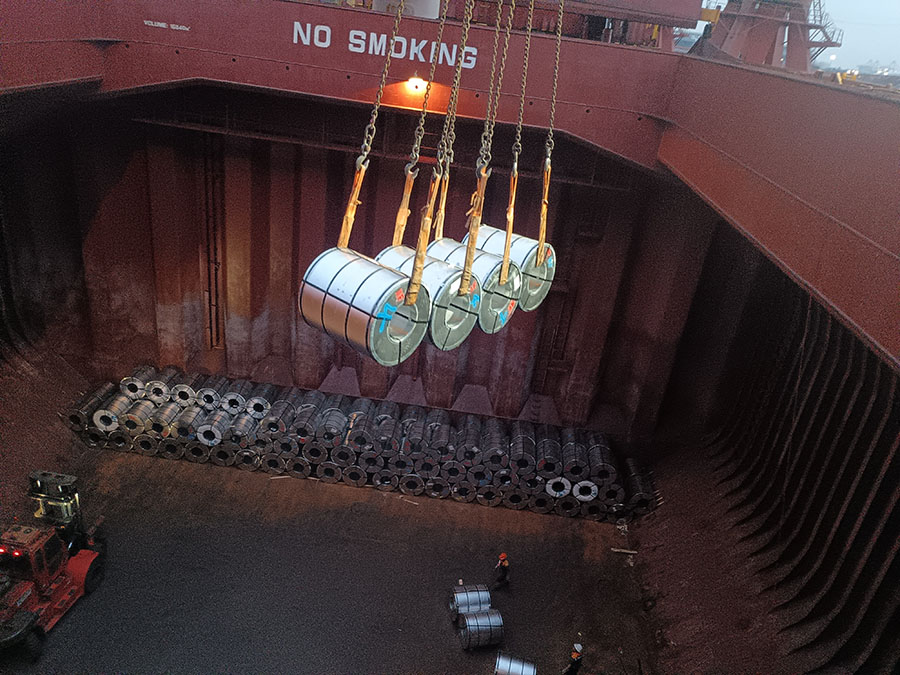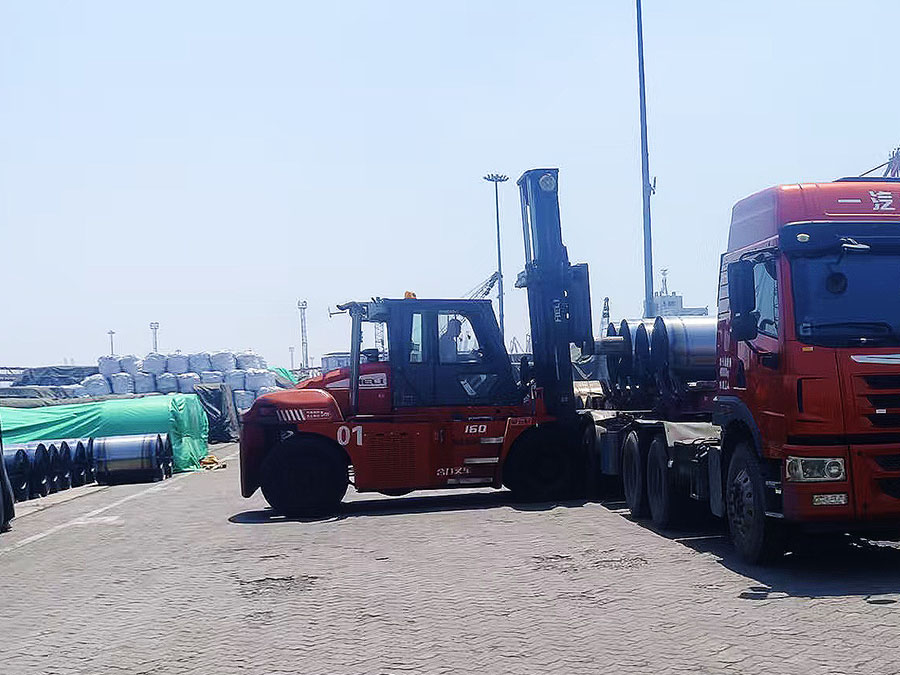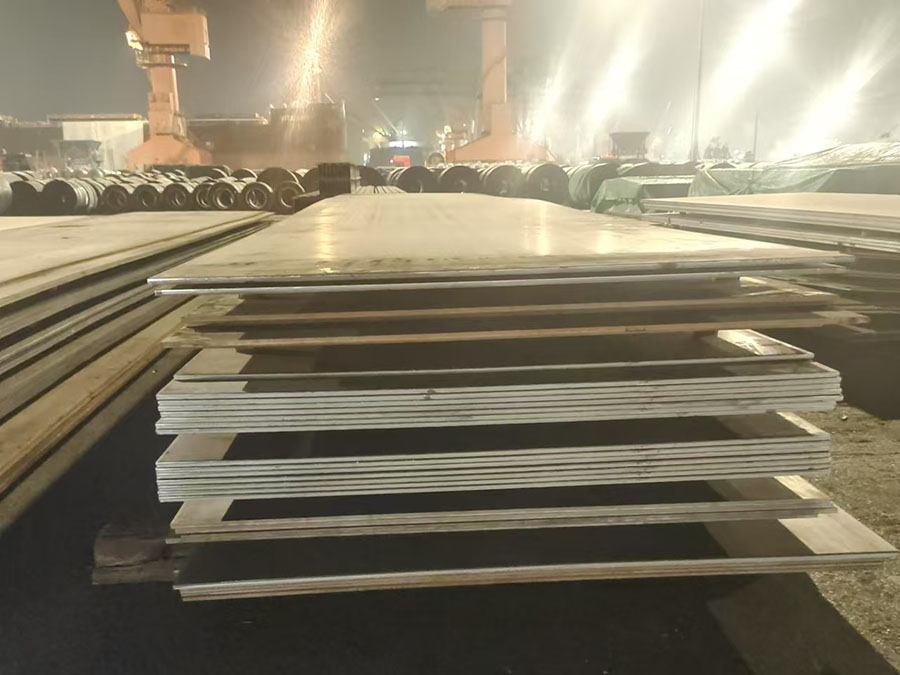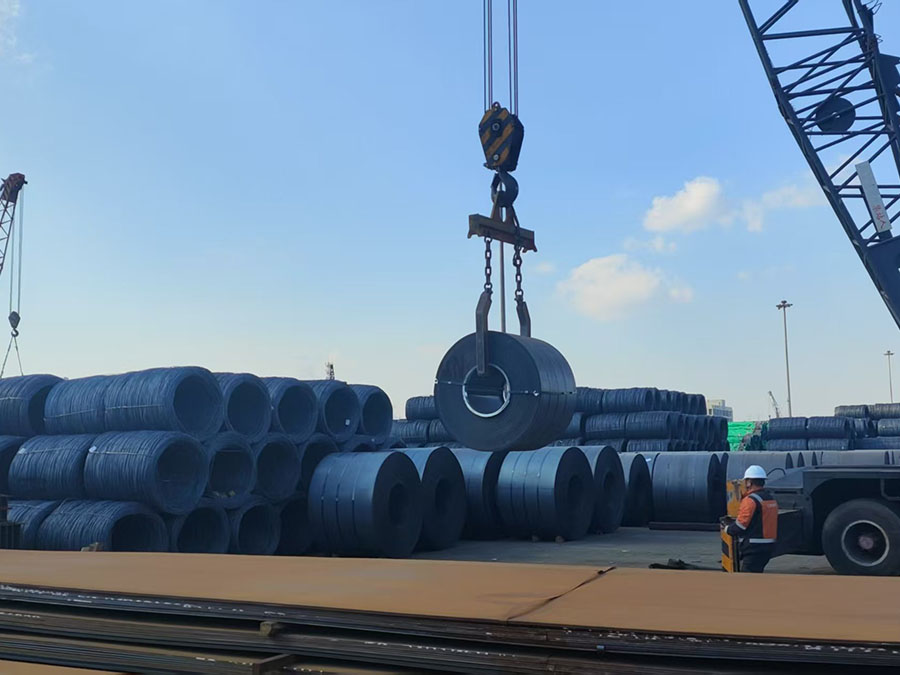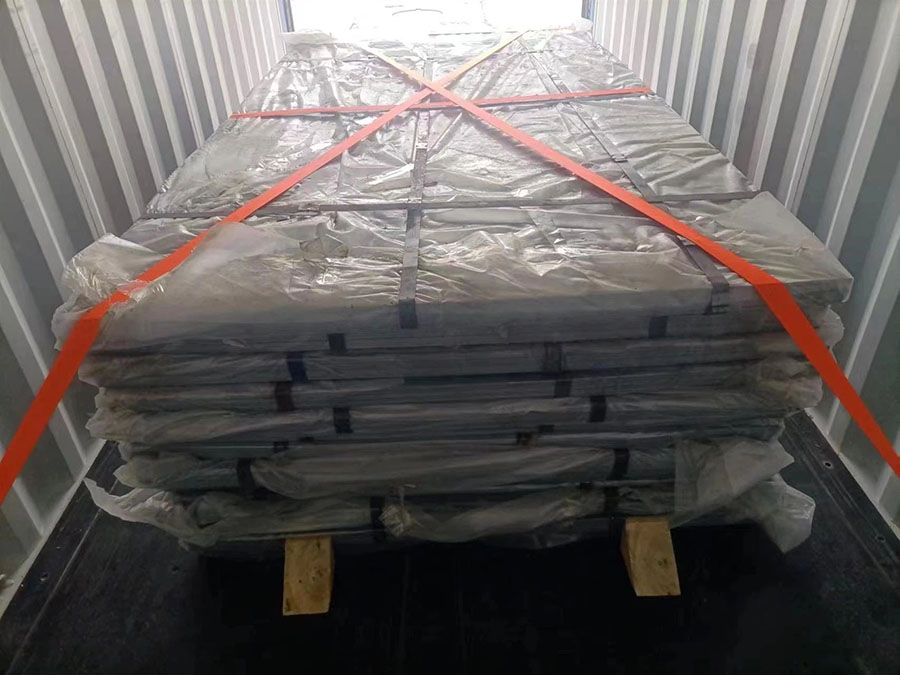
StE500 is a low-alloy, high-strength, fine-grained structural steel (material number 1.8907) conforming to the German standard DIN 17102. Its core characteristics are high strength, good low-temperature toughness, and excellent weldability. It is widely used in steel structure engineering and construction machinery that require high load-bearing capacity but involve welding processes.
Standard :
DIN 17102Grade :
StE500Thickness :
0.8 - 30.0 mmWidth :
800 - 2500 mmLength :
3000 - 12000 mmSpecial thickness, width, and length can be negotiated separately.
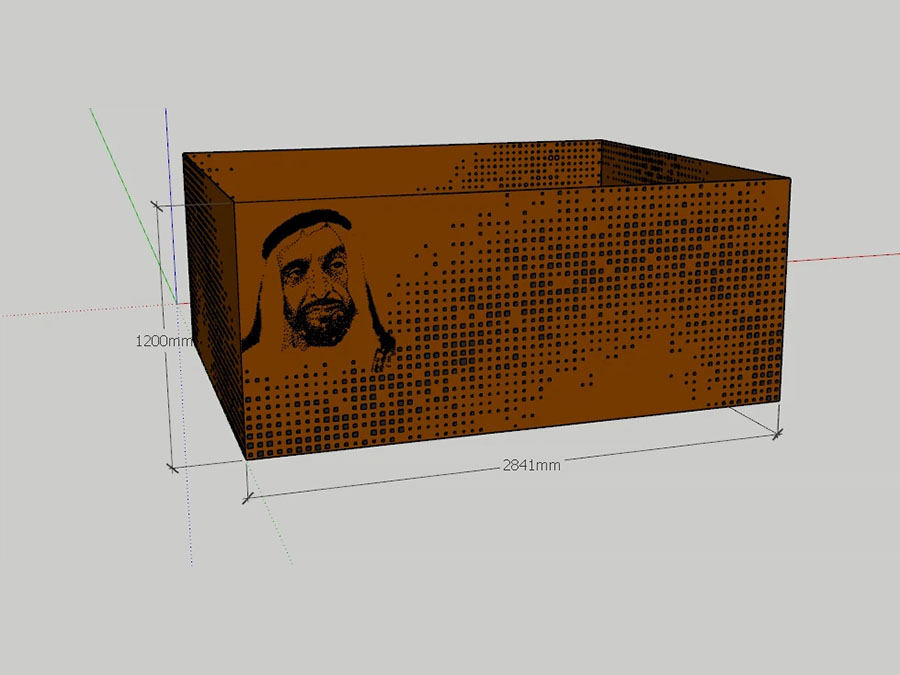
We also provide customized processing services.If you have any questions, please contact us.
DIN 17102 StE500 is a fine-grained, high-strength structural steel with a yield strength greater than 500 MPa. It is widely used in engineering structures and construction machinery requiring high strength, good weldability, and low-temperature toughness.
| Grade | StE500 |
|---|---|
| Standard | DIN 17102 : Weldable Normalized Fine Grain Structural Steels |
| Material Number | 1.8907 |
| Classification | High-strength low-alloy structural steel |
| Delivery Conditions | Hot-rolled, Normalized, TMCP, Normalized + Tempered. |
| Surface Conditions | Generally provided as natural surface state, can be processed as required, such as sandblasting, pickling, etc. |
| Weldability | Excellent |
| Machinability | It has good cold formability and is suitable for processing such as rolling, bending, and stamping. |
| Quality Control | Provide Mill Test Certificate. If required, Ultrasonic testing (UT), Charpy V-notch impact test, Z-direction property test (Grades Z15/Z25/Z35) can be added. |
1. High Strength: Compared to ordinary carbon structural steel (such as S235JR), StE500 has higher yield strength and tensile strength, allowing for greater loads in designs while achieving lightweight structures.
2. Fine-Grain Strengthening: Through grain refinement treatment with alloying elements, the steel combines high strength with good low-temperature toughness, weldability, and cold bending performance.
3. Good Weldability: This steel grade is specifically designed for welded structures, has a low carbon equivalent (CEV), low susceptibility to cold cracking, low requirements for welding preheating temperature, and is less prone to post-weld cracking.
| Grade | StE500 | ||||||||||||||
|---|---|---|---|---|---|---|---|---|---|---|---|---|---|---|---|
| Element | C | Si | Mn | P | S | N | Al (min) | Cr | Cu | Mo | Ni | Nb | Ti | V | Nb+Ti+V |
| Content (max, %) | 0.21 | 0.10 - 0.60 | 1.00 - 1.70 | 0.035 | 0.030 | 0.20 | 0.20 | 0.30 | 0.20 | 0.10 | 1.00 | 0.05 | 0.22 | 0.22 | |
* Calculate using the standard formula recommended by the International Institute of Welding (IIW): CE = C + Mn/6 + (Cr+Mo+V)/5 + (Ni+Cu)/15.
| Grade | Thickness (t) [mm] | Yield Strength (ReH) [min, MPa] | Tensile Strength (Rm) [MPa] | Elongation (A) [min, %] | Mandrel Diameter for Bend Test |
|---|---|---|---|---|---|
| StE500 | t ≤ 16 | 500 | 610 - 780 | 18 | Longitudinal: 3a Transverse: 4a |
| 16 < t ≤ 35 | 480 | 610 - 780 | |||
| 35 < t ≤ 50 | 470 | 610 - 780 | |||
| 50 < t ≤ 60 | 460 | 610 - 780 | |||
| 50 < t ≤ 70 | 450 | 610 - 780 | |||
| 70 < t ≤ 85 | 440 | 600 - 770 | |||
| 85 < t ≤ 100 | 430 | 590 - 760 | |||
| 100 < t ≤ 125 | 420 | 580 - 750 | |||
| 125 < t ≤ 150 | 410 | 570 - 740 |
| Steel grades of the fiowing series | Test piece direction | Requirements regarding impact energy for impact tests on ISO V-notch test pieces | ||||||||
|---|---|---|---|---|---|---|---|---|---|---|
| -60 ℃ | -50 ℃ | -40 ℃ | -30 ℃ | -20 ℃ | -10 ℃ | 0 ℃ | 10 ℃ | 20 ℃ | ||
| Basic series and high temperature | Longitudinal | - | - | - | - | 39 | 43 | 47 | 51 | 55 |
| Transverse | - | - | - | - | 21 | 24 | 31 | 31 | 31 | |
| Low temperature series | Longitudinal | - | 27 | 31 | 39 | 47 | 51 | 55 | 59 | 63 |
| Transverse | - | 16 | 20 | 24 | 27 | 31 | 31 | 35 | 39 | |
| Special low temperature series | Longitudinal | 25 | 30 | 40 | 50 | 65 | 80 | 90 | 95 | 100 |
| Transverse | 20 | 27 | 30 | 35 | 45 | 60 | 70 | 75 | 80 | |
StE500 structural steel plates are the core application area. Due to their significantly higher strength than ordinary carbon structural steel, cross-sectional dimensions and self-weight can be reduced under the same load.
High-rise buildings: Used for beams, columns, and load-bearing frames.
Large-span structures: Such as roof trusses in stadiums, exhibition centers, and airport terminals.
Industrial plants: Crane beams, roof trusses, and support systems for heavy-duty workshops.
Highway and railway bridges: Especially plate girder bridges and box girder bridges requiring welding. Fine-grained steel has good toughness and fatigue resistance, can withstand dynamic loads, and has good weldability, facilitating on-site assembly.
Crane booms: Require high strength to reduce self-weight and sufficient lifting capacity.
Gantry cranes and bridge cranes: Main beam structures.
Conveying equipment: Supports for heavy-duty conveyor belts, etc.
Low- and Medium-Pressure Vessels: Tanks used for storing gases or liquids, especially large welded oil and gas storage tanks. Fine-grained steel can reduce wall thickness while maintaining strength, thus lowering material costs and welding workload.
Boiler Components: This type of steel is commonly used for pressure-bearing components operating at normal or medium temperatures.
Commercial Vehicle Chassis: Truck beams, semi-trailer frames.
Construction Machinery Structural Components: Excavator booms and sticks, loader frames, dump truck floor plates, etc. It is wear-resistant, impact-resistant, and easy to weld and repair.
Offshore Platforms: Jacket frames, deck modules, etc. Fine-grained steel plates are characterized by high notch toughness at low temperatures.
Port Machinery: Quay cranes (container cranes), etc.
Transmission Towers: Especially high-voltage, long-span transmission towers require high-strength steel to reduce tower weight and wind resistance.
Wind Turbine Towers: The towers of wind turbines are constructed from thick rolled and welded plates, requiring high material strength and weldability.
| Parameter | StE500 (DIN 17102) | Q500 (GB/T 1591, Grade D typical) | S500QL (EN 10025-6, Quenched and Tempered) |
|---|---|---|---|
| Standard & Type | German former standard, fine-grained high-strength structural steel, primarily controlled-rolled/normalized | Chinese national standard low-alloy high-strength steel, Q500C/D/E, controlled-rolled/normalized; Q500E can meet low-temperature requirements | European standard quenched and tempered (Q+T) high-strength steel, 'L' indicates -40°C low-temperature impact guarantee |
| Delivery Condition | Hot-rolled, controlled-rolled (TMCP), normalized, normalized + tempered | Hot-rolled, controlled-rolled, normalized; thicker plates can be quenched and tempered as required | Must be quenched and tempered (Q+T) |
| Yield Strength Re (MPa, typical ≤50mm) | 520–670 (typically ≥500, decreases with plate thickness) | ≤16mm: ≥500; 16–40mm: ≥480; 40–63mm: ≥470 | ≤50mm: ≥500; 50–100mm: ≥480; 100–150mm: ≥440 |
| Tensile Strength Rm (MPa) | 630–780 | 610–770 (thin); 590–750 (thick) | 590–770 (≤100mm); 540–720 (>100mm) |
| Elongation A (%) | ≥18 (thin) ~ 20 (thick) | ≥17 | ≥17 |
| Impact Energy (Akv) | By agreement: -20°C ≥34J; default: room temperature | Q500D: -20°C ≥34J; Q500E: -40°C ≥34J | Mandatory: -40°C, longitudinal ≥30J, transverse ≥27J |
| Carbon Equivalent Ceq | Low, ≤0.42, good weldability | Low, ≤0.42, good weldability | Slightly higher, requires controlled welding procedures and low-hydrogen consumables |
| Typical Chemical Comp. (C max) | ≤0.21% | ≤0.18% | ≤0.22% |
| Applicable Temperature Range | General conditions, -20°C requires agreement | Q500D: -20°C; Q500E: -40°C | -40°C guaranteed, suitable for cold regions / low-temperature equipment |
| Application Scenarios | Automotive frames, construction machinery structures, general steel structures | Industrial buildings, bridges, equipment structures, vehicles; Q500E used for wind power, low-temperature vessels | Offshore platforms, wind turbine towers, low-temperature bridges, pressure vessels, high-stress structures |
| Weldability | Excellent, low preheating temperature required (100–150°C for thick plates) | Excellent, standard low-hydrogen consumables, preheating for thick plates | Good, but thick plates must be preheated (120–180°C) and cooled slowly after welding to avoid cracks |
A:
High-strength low-alloy steel plates offer excellent weldability. As their carbon content is typically low (below 0.2%), they present a lower risk of cracking during welding compared to standard high-strength steel plates and generally do not require complex preheating treatments.
A:
The key advantage of high-strength low-alloy steels is weight reduction. As they offer greater strength, thinner sheets can be used to withstand the same loads, thereby reducing the overall weight of the structure; in the automotive sector, this leads to improved fuel efficiency.
A:
High-strength low-alloy steel (HSLA) is a type of steel in which small amounts of alloying elements (such as niobium, vanadium, titanium or copper) are added to enhance its mechanical properties. Compared to traditional carbon steel, it offers higher yield strength and better corrosion resistance whilst maintaining good weldability and formability.
– We offer free samples and bespoke solutions. Please feel free to enquire about our latest prices and volume discounts.
Yuxin Steel provides high-quality steel products to customers in more than 20 countries worldwide.
Contact Info
Would you like to know more about our offers? Please feel free to contact us.