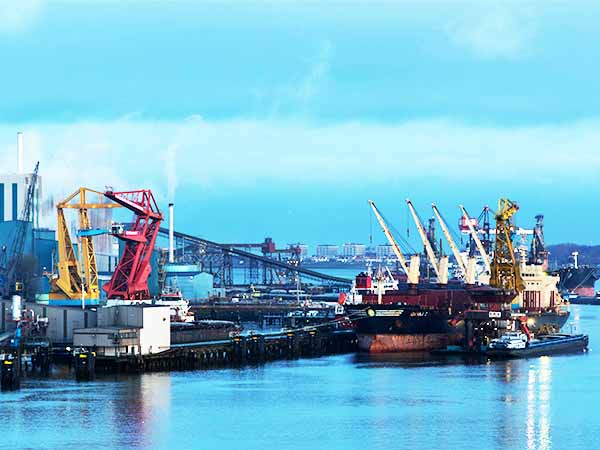
Blog
Welding and Processing Techniques for ABS Grade EH32 Shipbuilding Steel Plates
As ABS Grade EH32 shipbuilding steel plates are used in the construction of vessels and offshore structures operating in cold-water environments, the welding and fabrication processes involved are subject to extremely stringent requirements. If the processes are not carried out correctly, the material is highly susceptible to brittle fracture at low temperatures, which can seriously compromise the safety of the hull or offshore structure and may even lead to accidents.
- Tags:
- ABS Grade EH32
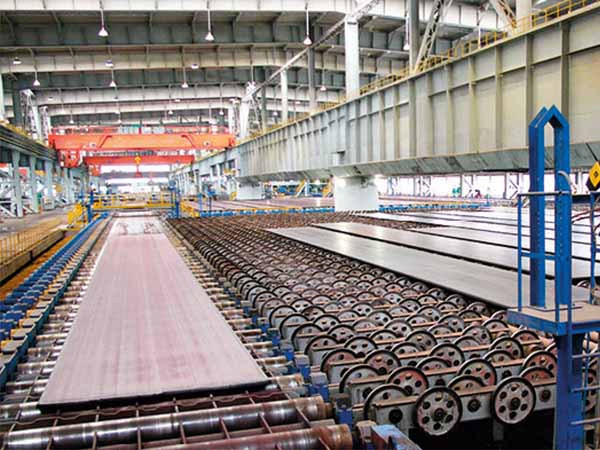
Main applications of ABS Grade EH32 shipbuilding steel plates
Thanks to its high strength, low-temperature toughness at -40°C and excellent weldability, ABS Grade DH32 shipbuilding steel plate has become a key structural material for ocean-going vessels and offshore engineering, being used in core structures such as decks, bulkheads, hulls and platform columns.
- Tags:
- ABS Grade EH32

We offer a bespoke service for ABS Grade DH36 marine steel plates
Projects such as ocean-going vessels, offshore wind farms and deep-sea drilling platforms often require non-standard structures, and standardised, off-the-shelf plates are often unsuitable for these specific construction conditions. We offer comprehensive customised processing of ABS Grade DH36 shipbuilding steel plates, covering services such as non-standard dimensions, surface corrosion protection, heat treatment and prefabrication, providing a one-stop solution to meet the technical requirements of high-end offshore engineering projects. Below, we outline our detailed customisation solutions.
- Tags:
- ABS Grade DH36
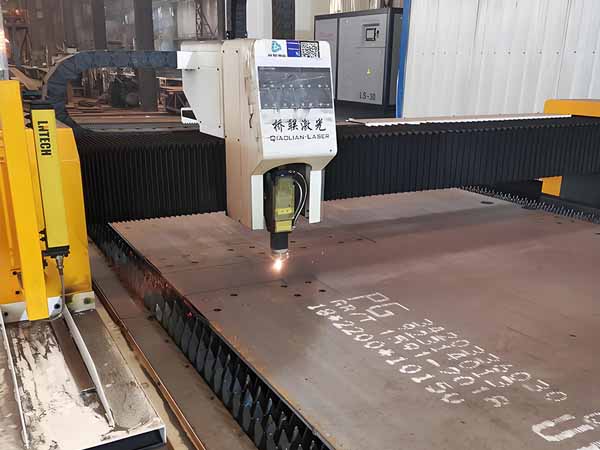
Welding Procedure Specification for ABS Grade DH36 Shipbuilding Steel Plates
ABS Grade DH36 shipbuilding steel plate has a carbon equivalent of ≤0.40% and offers excellent weldability. However, due to its high strength, thick plates are prone to cold cracking and a reduction in toughness in the heat-affected zone (HAZ) during welding. Strict adherence to ABS welding codes, the use of certified welding consumables, and appropriate control of heat input are key to ensuring weld strength and meeting ship safety standards.
- Tags:
- ABS Grade DH36
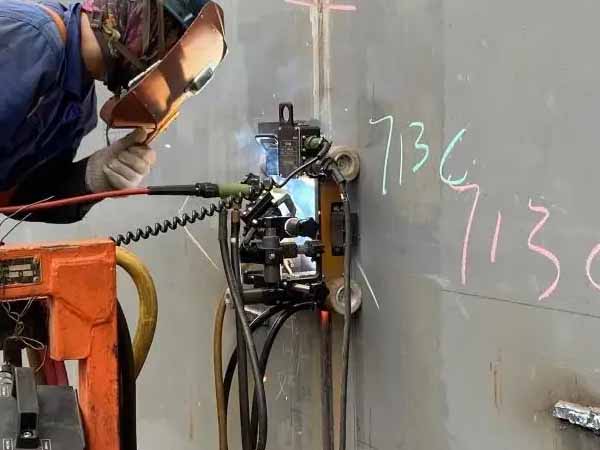
Applications of ABS DH36 Shipbuilding Steel Plates – Shipbuilding and Offshore Engineering
With a minimum yield strength of 355 MPa, low-temperature toughness at -20°C, and excellent fatigue and corrosion resistance, ABS Grade DH36 shipbuilding steel plates have become a key material in high-end marine engineering sectors such as heavy-duty vessels, offshore wind power and deep-sea drilling platforms, and are widely used in medium-to-high-load marine structures.
- Tags:
- ABS Grade DH36