Blog
Weldability of CCS Grade B Shipbuilding Steel Plates
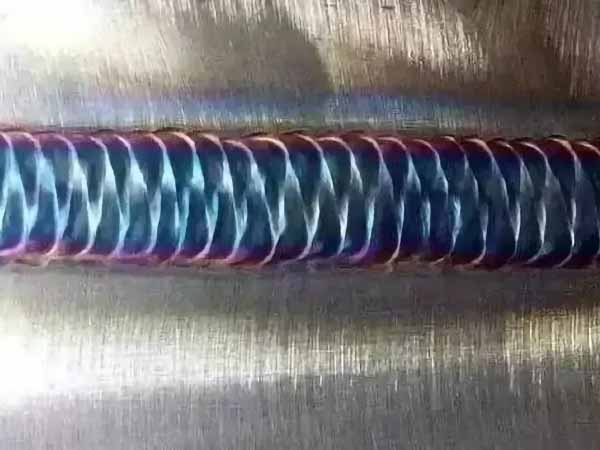
CCS Grade B shipbuilding steel plates are highly suited to the requirements of shipyards thanks to their excellent weldability. Standardised welding procedures and construction management can effectively reduce defect rates and extend the service life of the hull structure. It is recommended that shipbuilders develop tailored welding plans based on plate thickness and the operating conditions of the waters in which the vessel will be deployed, in order to maximise the material’s engineering value.
- Tags:
- CCS Grade B
Corrosion Resistance of CCS Grade A Shipbuilding Steel Plates in Marine Environments and Coating Solutions
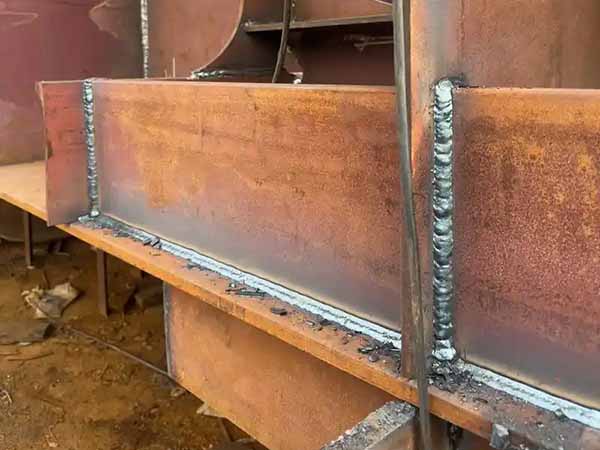
CCS Grade A is a normal-strength structural steel plate for ship hulls. It possesses only moderate resistance to seawater corrosion, with a corrosion rate significantly higher than that of weathering steel and high-strength marine steel plates. Consequently, in marine environments, this steel grade must rely on a combined protective system comprising coatings and cathodic protection to ensure long-term, reliable service. This paper analyses the corrosion resistance of CCS Grade A shipbuilding steel plates in marine environments and systematically reviews the corresponding coating protection solutions.
- Tags:
- CCS Grade A
Differences between and Selection of CCS Grade A, B, D and E Normal-Strength Marine Steel Plates
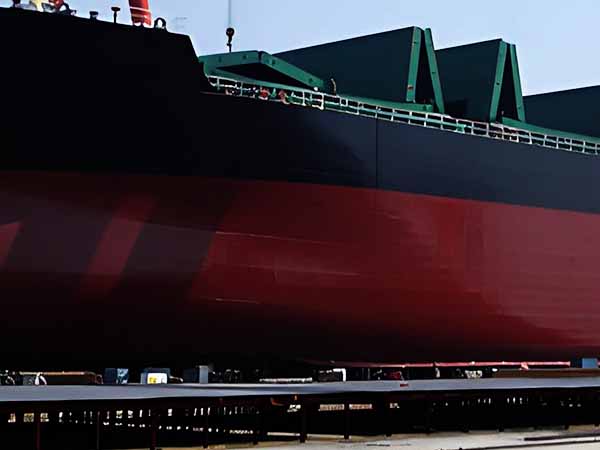
Normal-strength CCS shipbuilding steel plates are classified into four grades: A, B, D and E. All have a yield strength of ≥235 MPa; the sole key distinction lies in the impact test temperature, which directly determines their suitability for specific maritime regions, procurement prices and construction environments. Below is a summary of the main differences between these grades, along with recommendations for procurement and selection.
- Tags:
- CCS Grade A
CCS Grade A Shipbuilding Steel Plate Dimensions and Tolerances
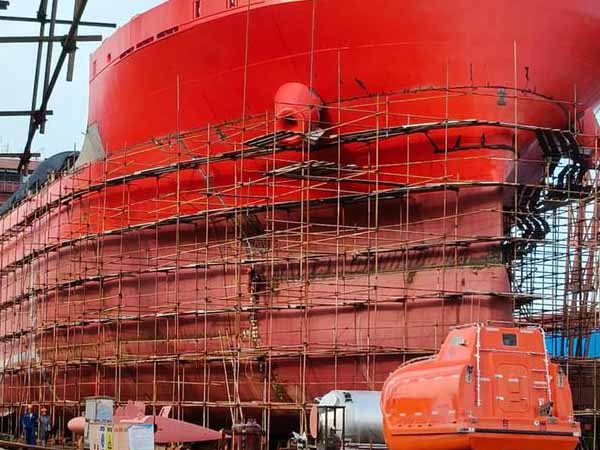
CCS Grade A is a general-strength hull structural steel plate certified by the China Classification Society (CCS), complying with the GB/T 712-2022 standard and the CCS Specifications for Marine Steel. CCS Grade A shipbuilding steel plates are classified as 235 MPa grade general-strength hull structural steel. They are characterised by their low cost, excellent ductility and ease of fabrication, and are widely used in bulk carriers, barges, workboats and simple offshore structures. This article provides a detailed overview of the standard dimensions, tolerance ranges and custom fabrication services available for CCS Grade A shipbuilding steel plates, with the aim of offering a selection guide for purchasers.
- Tags:
- CCS Grade A
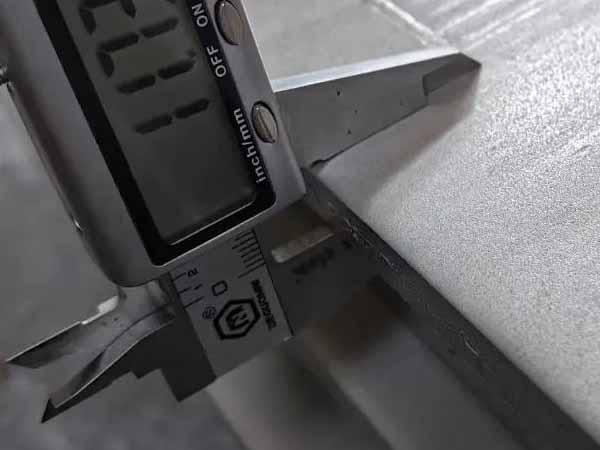
Welding of CCS Grade A Shipbuilding Steel Plates
CCS Grade A is a general-purpose structural steel for ship hulls certified by the China Classification Society (CCS). It has a yield strength of ≥235 MPa and a tensile strength of 400 - 520 MPa. It has no low-temperature impact requirements, a low carbon equivalent and good weldability, making it suitable for inland waterway and coastal vessels, as well as non-critical structures. Key points for welding CCS Grade A shipbuilding steel plates: No preheating required for thin plates, appropriate welding consumables, low-hydrogen welding consumables for critical joints, and CCS process approval.
- Tags:
- CCS Grade A