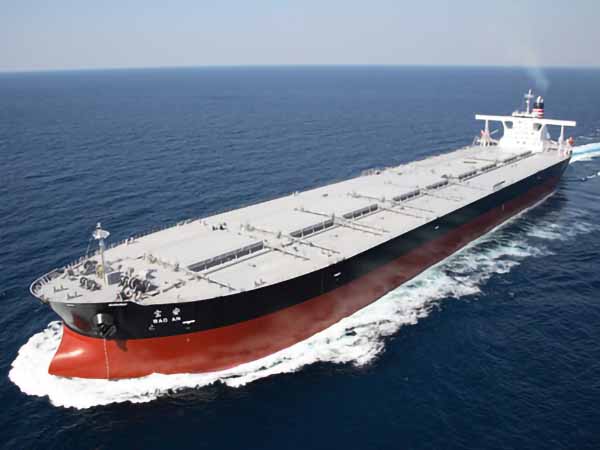
The Application of CCS Grade D Shipbuilding Steel Plates in Civilian Vessels and Offshore Engineering
- May 20, 2026

Knowledge
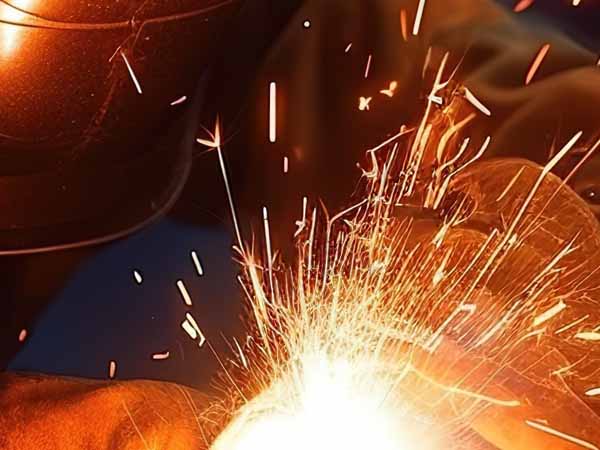
Weldability is a key performance indicator for marine steel plates, directly affecting ship assembly efficiency and structural safety. CCS Class B shipbuilding steel plates are characterised by low carbon equivalent (≤0.38%), low sulphur and phosphorus impurity content, and a uniform grain structure, resulting in excellent overall welding performance. These steel plates are suitable for a variety of mainstream welding processes in the shipbuilding industry and are not prone to cold cracking or hot brittleness during welding. This paper systematically analyses the welding mechanisms, applicable processes and standardised guidelines for on-site construction.
Low carbon content: Reduces the tendency for welding hardening; for thin to medium plates with a thickness of ≤50 mm, no preheating is required under ambient conditions.
Optimal Manganese-to-Silicon Ratio: Optimises the fluidity of the weld metal, reducing defects such as slag inclusions.
Stable Mechanical Properties: Ensures that the tensile strength and toughness of the welded joint match those of the base material, thereby avoiding stress concentration in the weld zone.
Strict Impurity Control: Effectively prevents hydrogen-induced cracking in marine humid environments.
CCS B shipbuilding steel plates are compatible with welding techniques commonly used in the shipbuilding industry, including:
Manual arc welding (SMAW)
Gas metal arc welding (GMAW)
Flux-cored arc welding (FCAW)
Submerged arc welding (SAW)
Process recommendations:
Thick plates >50 mm: Submerged arc welding is recommended to improve welding efficiency and weld bead quality.
Complex structural areas such as hull corners and deck edges: Use Shielded Metal Arc Welding (SMAW) to facilitate flexible operation.
Material requirements: All welding consumables must be CCS-certified to ensure joints comply with maritime safety regulations.
Remove surface rust, oil and scale, and keep the welding area clean and dry.
The ambient temperature during construction should not be lower than -5°C.
Plates with a thickness exceeding 80 mm must undergo localised preheating to a temperature of 60°C to 100°C to relieve welding stresses.
Implement measures for gradual cooling to prevent internal micro-cracks caused by excessive cooling rates.
Critical welds must undergo non-destructive testing (e.g. ultrasonic testing) to comply with CCS hull inspection standards.
Customers choose to engage in long-term cooperation with Yuxin Steel not only because of our high-quality products and services, as well as our strong reputation in the international market, but also due to our experienced one-stop raw material supply and further steel processing capabilities!