Blog
Surface anti-corrosion treatment for CCS Grade D shipbuilding steel plates
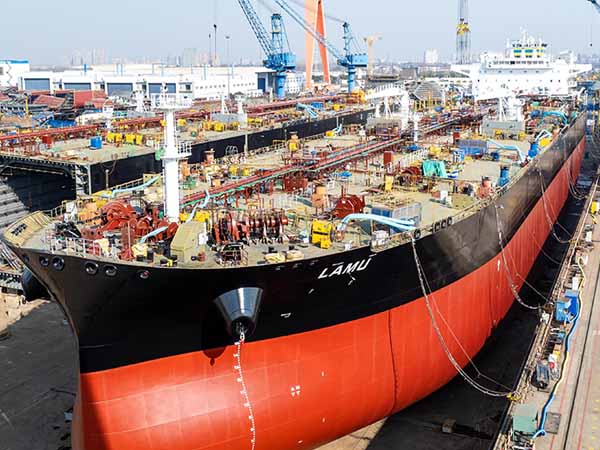
The marine environment, with its high levels of salt spray, seawater and humid air, is highly conducive to the electrochemical corrosion of carbon steel. During prolonged service at sea, unprotected CCS Grade D steel plates are prone to surface rust, pitting and structural thinning, which not only shortens their service life but also jeopardises the safety of the vessel. Consequently, the standardised anti-corrosion treatment of Grade D steel plates prior to ship assembly is an essential part of the manufacturing process.
- Tags:
- CCS Grade D
Welding Procedures for CCS Grade D Shipbuilding Steel Plates
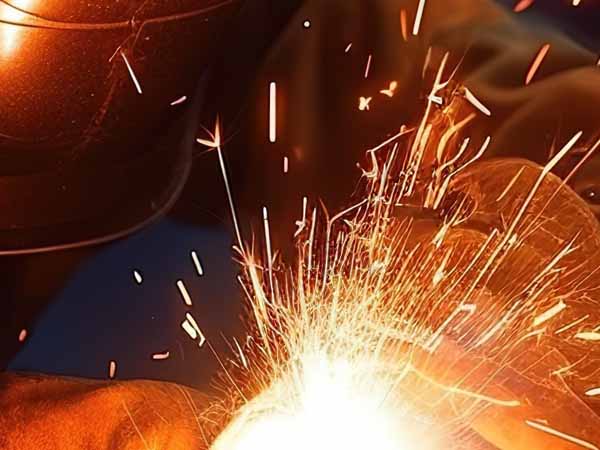
CCS Grade D is a normal-strength structural steel for ship hulls, with a yield strength of ≥235 MPa, an impact energy absorption of ≥34 J at –20 °C, and good weldability. Key aspects of the welding process include: the use of low-hydrogen welding consumables, appropriate heat input, preheating for thick plates or in low-temperature environments, and control of interpass temperatures, in accordance with the CCS ‘Specifications for Materials and Welding’. The following is a reference for the welding process for CCS Grade D shipbuilding steel plates.
- Tags:
- CCS Grade D
Storage, Transport and Inventory Management of CCS Grade B Shipbuilding Steel Plates
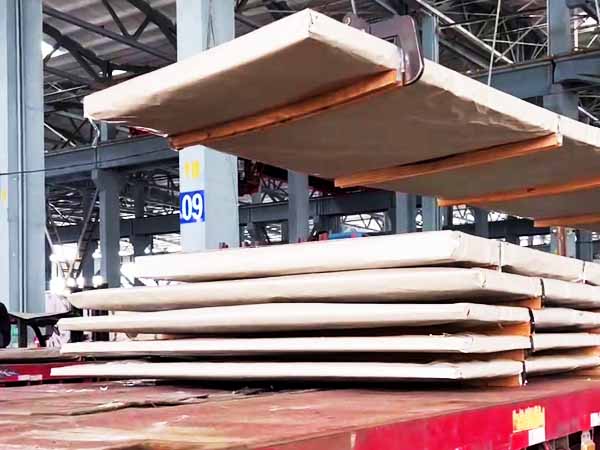
Improper storage and transport may cause surface rust, deformation and stress damage to CCS Grade B shipbuilding steel plates, thereby reducing their workability and potentially rendering them unfit for acceptance by the shipyard. Therefore, implementing scientific and standardised inventory management is crucial to maintaining the inherent properties of marine steel.
- Tags:
- CCS Grade B
Optimisation of the Corrosion Resistance and Surface Anti-Corrosion Treatment of CCS Grade B Shipbuilding Steel Plates
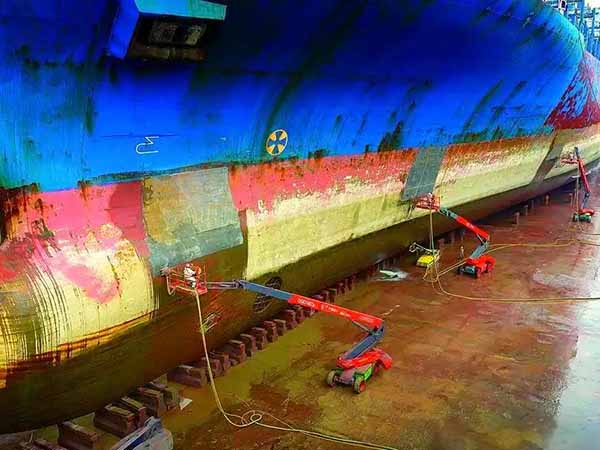
Marine salt spray, seawater erosion and microbial corrosion are the primary factors causing corrosion of ship hull steel. Like standard carbon steel used in shipbuilding, CCS Grade B steel does not possess inherent corrosion resistance; standardised surface treatment and anti-corrosion coating techniques are therefore essential to extend its service life.
- Tags:
- CCS Grade B
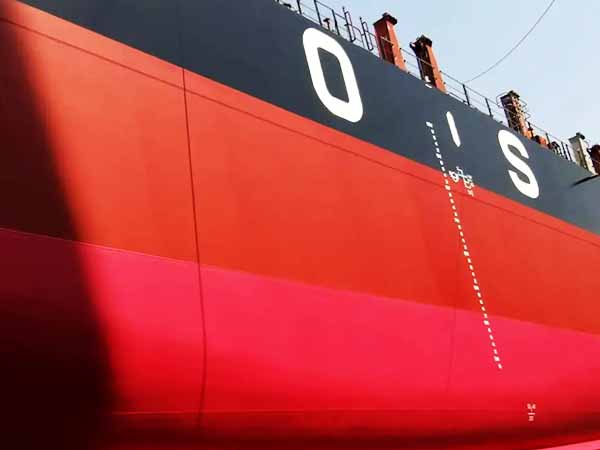
Key Applications of CCS Grade B Shipbuilding Steel Plates: Hull Structures and Offshore Engineering
Although CCS B shipbuilding steel plates are not commonly used in areas of shipbuilding that require high-strength steel, they are a general-purpose material in the shipbuilding and offshore engineering sectors. We have summarised the typical applications of CCS B shipbuilding steel plates in hull structures and offshore engineering for your reference.
- Tags:
- CCS Grade B