Blog
Corrosion Protection Technology for CCS AH36 Shipbuilding Steel Plates in Marine Environments
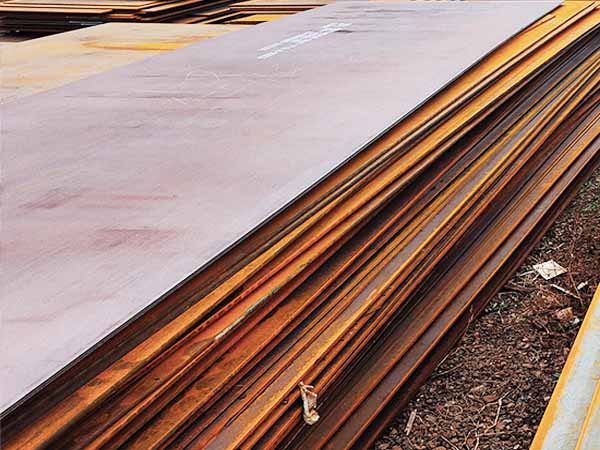
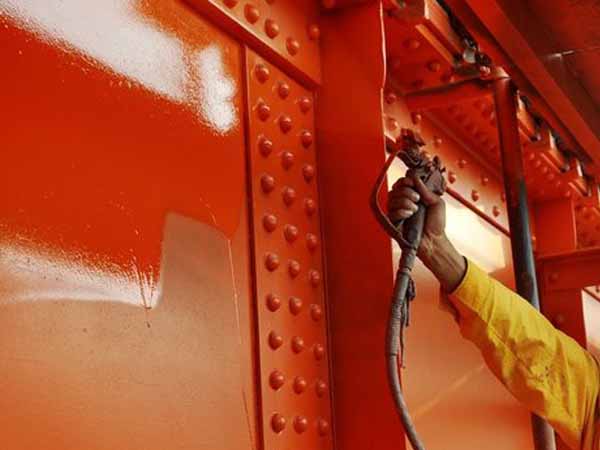
CCS AH36 shipbuilding steel plate is a high-strength structural steel plate certified by the China Classification Society, with a yield strength of ≥355 MPa. It is widely used in the construction of large merchant vessels, bulk carriers, oil tankers and offshore engineering equipment. In complex and harsh marine environments, corrosion is one of the primary causes of structural failure in CCS AH36, making it essential to establish a scientifically sound and effective anti-corrosion system covering the entire life cycle.
Differences Between CCS AH36, DH36 and EH36 Shipbuilding Plates
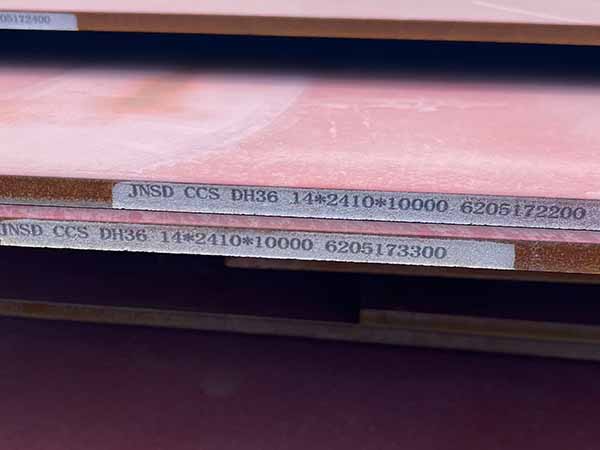
CCS AH36, DH36 and EH36 are all 360 MPa-grade high-strength hull structural steels certified by the China Classification Society (CCS), and comply with the GB/T 712-2022 standard ‘Structural Steel for Ships and Offshore Structures’. The three grades have identical basic mechanical properties, such as yield strength, tensile strength and elongation; the key distinction lies in low-temperature impact toughness, which in turn leads to differences in chemical composition, production processes, application scenarios and cost.
Main Applications of CCS Grade AH36 Shipbuilding Steel Plates in the Shipbuilding and Offshore Engineering Industries
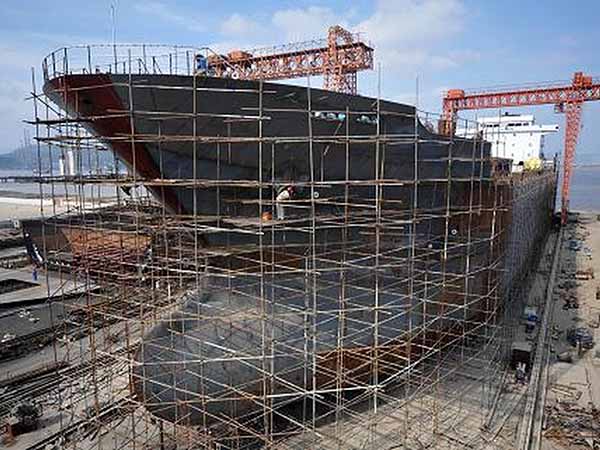
CCS Grade AH36 shipbuilding plate is a high-strength steel certified by the China Classification Society (CCS) for use in shipbuilding and offshore engineering. It is widely used in hull construction, offshore oil and gas platforms, offshore support facilities and port engineering. Thanks to its excellent strength, toughness and suitability for marine environments, CCS Grade AH36 shipbuilding plate has become one of the key steels used in large and medium-sized offshore engineering projects.
- Tags:
- CCS Grade AH36
Welding Process for CCS Grade AH32 Shipbuilding Steel Plates
CCS AH32 is a high-strength, low-alloy structural steel for shipbuilding and offshore engineering, with a yield strength of ≥315 MPa and a carbon equivalent of ≤0.40%, offering good weldability. Key welding points: low-hydrogen welding consumables, appropriate preheating and interpass temperature control, multi-pass welding, strict control of heat input, and post-weld inspection to prevent cold cracks and embrittlement.
- Tags:
- CCS Grade AH32
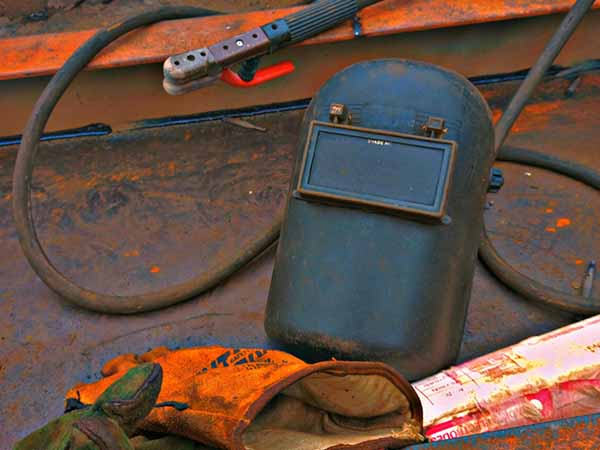
The differences between the CCS AH32, DH32 and EH32
CCS AH32, DH32 and EH32 are all high-strength marine structural steels with a yield strength of ≥315 MPa; the key differences between them lie in their alloy composition, low-temperature impact toughness and delivery condition.