The Application of CCS Grade D Shipbuilding Steel Plates in Civilian Vessels and Offshore Engineering
- May 20, 2026

Knowledge
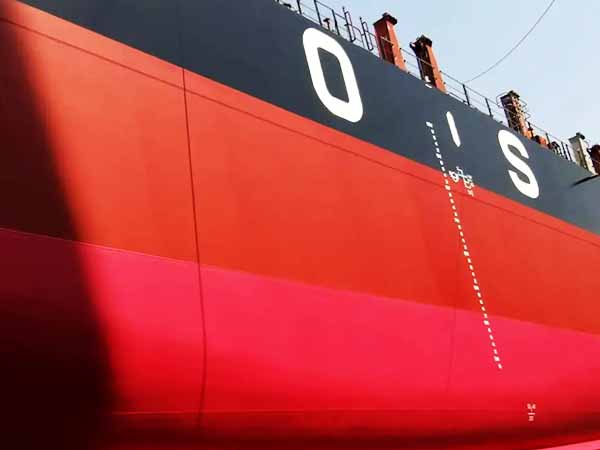
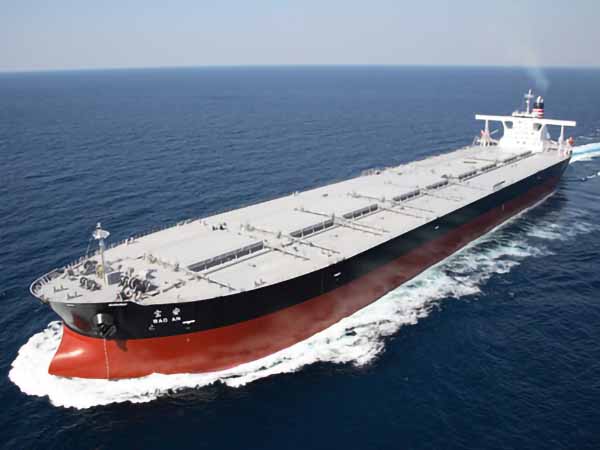
In merchant ship construction, CCS B shipbuilding steel plates are most commonly used for outer plates outside the midship section of the hull. According to China Classification Society (CCS) regulations, for vessels over 100 metres in length, high-strength steel is typically used for the main deck, whilst CCS B steel plates may be used extensively for outer plates on the sides of the hull, which are not subject to high stresses.
Taking the stem of the hull as an example, CCS B shipbuilding steel plates with a thickness of 25–35 mm are commonly used in the curved transition areas. This area requires steel plates with good cold-forming properties, and the elongation of ≥22% in Grade B steel fully meets the requirements for curved surface fabrication.
Bulkhead structures represent another major application area for CCS Grade B shipbuilding steel plates. Whether in the transverse bulkheads of bulk carriers or the longitudinal bulkheads of oil tankers, CCS Grade B shipbuilding steel plates are widely used in the manufacture of bulkhead plates. Particularly in the pressing process for trough-shaped bulkheads, the steel must withstand cold bending deformation with wave crests reaching several metres in height. The excellent ductility and stable yield strength (≥235 MPa) of CCS Grade B shipbuilding steel make it the material of choice for such cold-formed components.
In the superstructure sector, CCS Grade B shipbuilding steel plates are virtually the standard of choice. Typical applications include non-load-bearing structures such as crew accommodation, bulkheads beneath the bridge, and external plates of funnels. Whilst these areas do not contribute to the hull’s overall longitudinal strength, they demand high levels of corrosion resistance and surface finish. The use of CCS Grade B steel plates ensures a service life of over 10 years without major repairs, whilst effectively controlling the ship’s light weight.
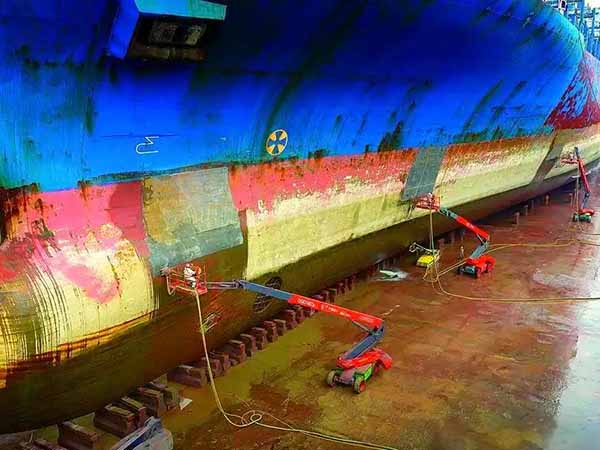
In addition to newbuilds, CCS Grade B shipbuilding steel plates are also of significant value in the ship repair and conversion market. For instance, when hull plating requires patching or replacement due to localised corrosion, shipyards often prefer to use Grade B plates to replace ageing Grade A steel plates.
Industry statistics indicate that, as Grade A plates do not have mandatory impact toughness requirements, repaired sections of the outer plating on older vessels are prone to brittle cracking when sailing in temperate waters during winter. Using CCS Grade B shipbuilding plates for repairs, even for small-scale replacements, can improve the low-temperature crack resistance of the repaired area by one grade.
In non-maritime offshore engineering projects, such as the support structures for accommodation modules on dock barges, floating bridges and offshore drilling platforms, CCS Grade B shipbuilding steel plates are also a cost-effective choice.
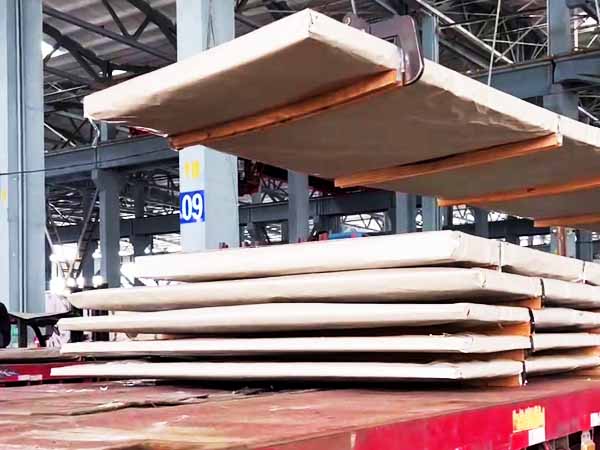
Whether in shipyards’ steel procurement plans or spare parts inventory management, CCS Grade B Shipbuilding Steel Plate should be a key material of focus.
Customers choose to engage in long-term cooperation with Yuxin Steel not only because of our high-quality products and services, as well as our strong reputation in the international market, but also due to our experienced one-stop raw material supply and further steel processing capabilities!