Differences Between DNV Grades AH36, DH36, and EH36
- Jun 18, 2026

Knowledge
1. Chemical Composition
Low-carbon, low-impurity formulation with low susceptibility to cold cracking.
2. Low-Temperature Toughness
Excellent low-temperature toughness at -20°C; the heat-affected zone is not prone to embrittlement.
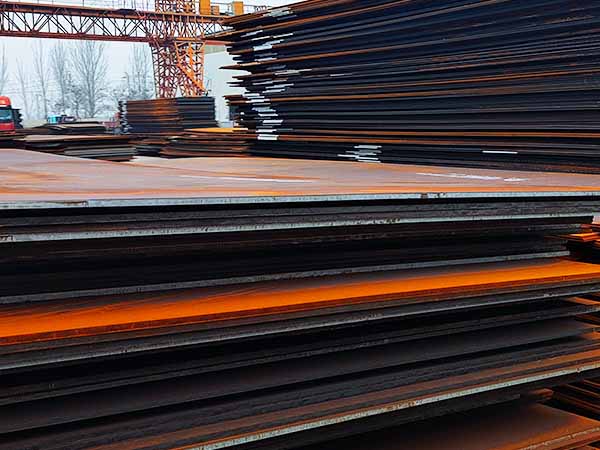
3. Thick Plate Characteristics
Plates with a thickness greater than 25 mm exhibit high rigidity; preheating and temperature control are required during welding to prevent interlaminar tearing.
| Welding Method | Applications | Recommended Consumables |
|---|---|---|
| Manual Metal Arc Welding (SMAW) | All-position welding; suitable for confined spaces and irregularly shaped components | ABS-certified E7018 low-hydrogen electrodes |
| Submerged Arc Welding (SAW) | Long weld joints on medium-to-thick plates; high efficiency and low defect rate | H08MnA welding wire + specialised flux |
| CO₂ Gas Metal Arc Welding (GMAW) | Semi-automatic operation, minimal distortion, suitable for joining thin deck plates | ER70S-6 welding wire |
| Laser Welding | High-precision thin-plate processing, minimal heat-affected zone, used for precision components | Specialised welding wire matched to the base material |
1. Preheating Temperature and Interpass Temperature
| Plate Thickness | Preheating Temperature | Interpass Temperature |
|---|---|---|
| ≤25 mm | No preheating required at ambient temperatures ≥5°C | ≤200°C |
| 25–60 mm | 100–130°C | ≤200°C |
| >60 mm | 130–160°C | ≤200°C |
2. Requirements for Welding Consumables
1) Certification Requirements
All welding consumables must hold ABS classification society certification.
2) Drying Requirements
Low-hydrogen electrodes must be dried at 150°C for 1 hour prior to use. The use of damp electrodes is strictly prohibited to prevent porosity and cracking.
3) Storage Requirements
Welding consumables should be stored in a sealed container in a dry environment.
| Defect Type | Main Cause | Remedial Measures |
|---|---|---|
| Cold Cracks | Insufficient preheating, damp welding consumables | Strictly adhere to preheating standards; dry welding consumables and store them in sealed containers |
| Porosity | Oil/contaminants in the groove, impure shielding gas | Thoroughly clean the groove before welding; use shielding gas with a purity of ≥99.9% |
| Slag Inclusion | Welding current too low, incomplete interpass slag removal | Optimise current parameters; thoroughly remove slag after each pass |
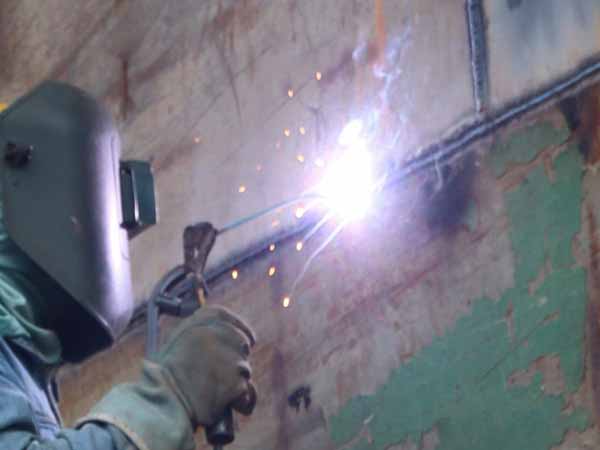
The key to welding ABS Grade DH36 ship plates lies in:
1. Strictly controlling preheating and interpass temperatures (particularly for thick plates);
2. Using ABS-certified specialised welding consumables and ensuring they are properly dried;
3. Pre-welding cleaning and interpass slag removal must not be overlooked.
Adhering to the above welding procedures can effectively prevent defects such as cold cracks, porosity and slag inclusion, ensuring that weld quality meets shipbuilding safety standards.
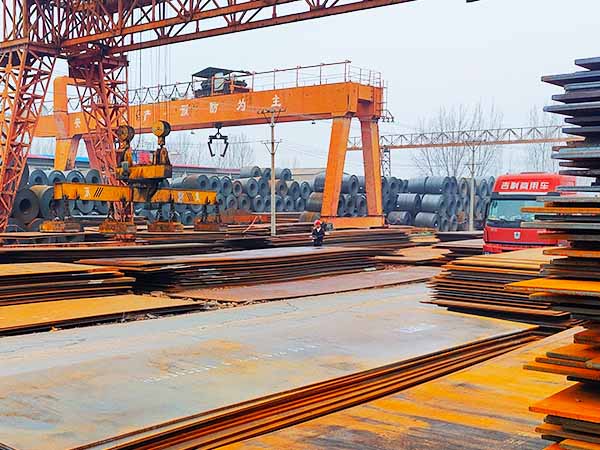
Customers choose to engage in long-term cooperation with Yuxin Steel not only because of our high-quality products and services, as well as our strong reputation in the international market, but also due to our experienced one-stop raw material supply and further steel processing capabilities!