
Knowledge
We offer a bespoke service for ABS Grade DH36 marine steel plates
Projects such as ocean-going vessels, offshore wind farms and deep-sea drilling platforms often require non-standard structures, and standardised, off-the-shelf plates are often unsuitable for these specific construction conditions. We offer comprehensive customised processing of ABS Grade DH36 shipbuilding steel plates, covering services such as non-standard dimensions, surface corrosion protection, heat treatment and prefabrication, providing a one-stop solution to meet the technical requirements of high-end offshore engineering projects. Below, we outline our detailed customisation solutions.
- Tags:
- ABS Grade DH36
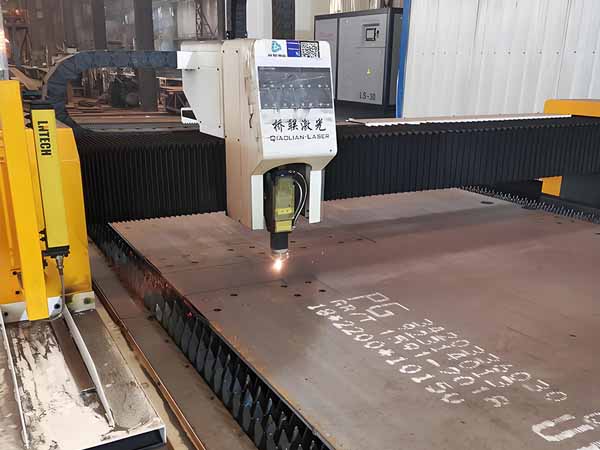
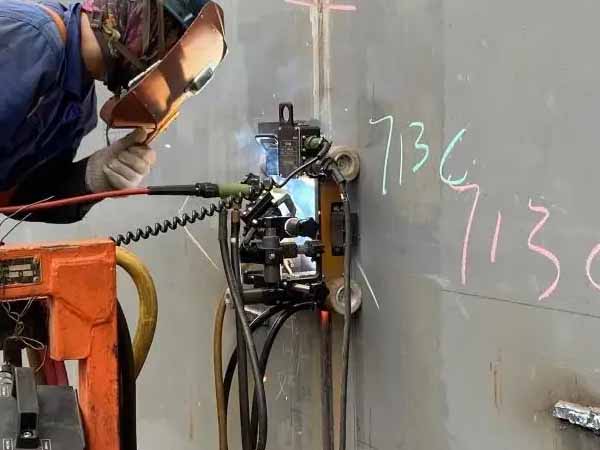
Welding Procedure Specification for ABS Grade DH36 Shipbuilding Steel Plates
ABS Grade DH36 shipbuilding steel plate has a carbon equivalent of ≤0.40% and offers excellent weldability. However, due to its high strength, thick plates are prone to cold cracking and a reduction in toughness in the heat-affected zone (HAZ) during welding. Strict adherence to ABS welding codes, the use of certified welding consumables, and appropriate control of heat input are key to ensuring weld strength and meeting ship safety standards.
- Tags:
- ABS Grade DH36
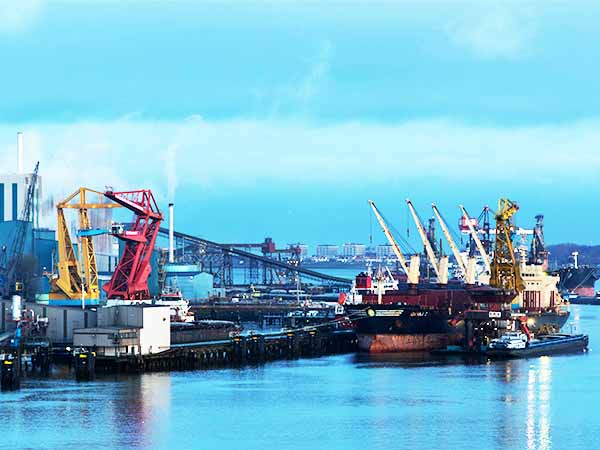
Applications of ABS DH36 Shipbuilding Steel Plates – Shipbuilding and Offshore Engineering
With a minimum yield strength of 355 MPa, low-temperature toughness at -20°C, and excellent fatigue and corrosion resistance, ABS Grade DH36 shipbuilding steel plates have become a key material in high-end marine engineering sectors such as heavy-duty vessels, offshore wind power and deep-sea drilling platforms, and are widely used in medium-to-high-load marine structures.
- Tags:
- ABS Grade DH36
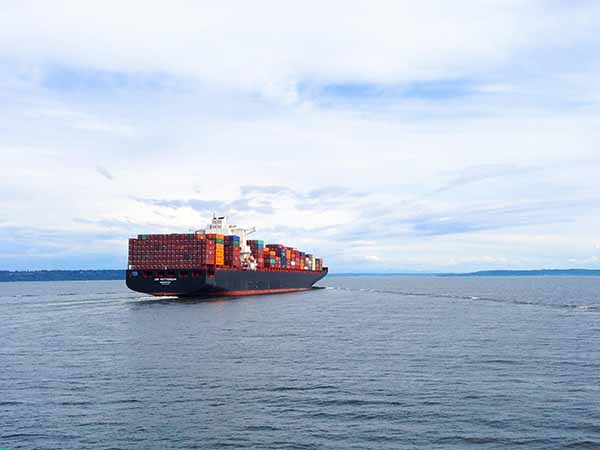
Market Trends for ABS Grade DH36 Marine Steel Plates – Analysis of Industry Demand and Price Trends
With the global shipbuilding industry recovering and the offshore wind power sector booming, demand for high-strength marine steel continues to rise. As a leading high-strength, low-temperature ship plate, ABS Grade DH36 is widely used in ocean-going vessels, offshore wind power and deep-sea platforms, and is a popular product in the international steel trade.
- Tags:
- ABS Grade DH36
AH36 vs DH36 vs EH36: How to select the right marine steel plate according to ABS standards?
During the design phase of shipbuilding and offshore engineering, the selection of materials is a decision that is critical to safety and has a direct impact on costs. Faced with the various high-strength grades within the ABS Grade Shipbuilding Steel Plate range - AH36, DH36 and EH36. Many engineers ask the same question: what exactly distinguishes them from one another? This article will provide a detailed analysis of how to correctly select the most suitable steel plate grade in accordance with ABS specifications, examining three key aspects: impact temperature, chemical composition and application scenarios.