
Knowledge
Applications of ABS EH36 Marine Steel Plates - Polar Vessels and Cryogenic Offshore Engineering
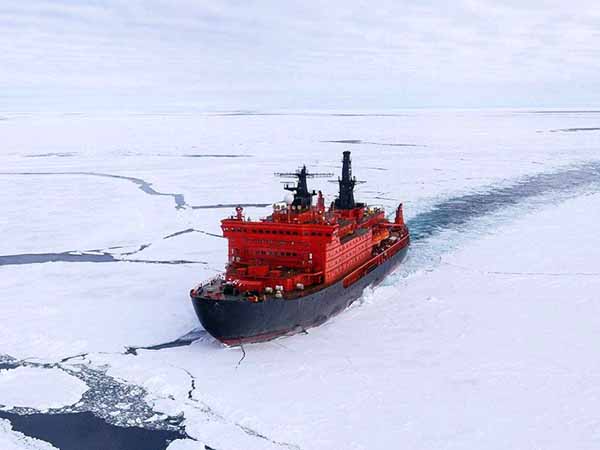
With its exceptional low-temperature toughness at -40°C and a minimum yield strength of 355 MPa, ABS EH36 marine steel plate is currently the material of choice for projects in cold waters worldwide. It is widely used in merchant vessels operating on Arctic routes, specialised icebreakers, offshore wind farms in cold regions, Arctic drilling platforms and construction machinery for high-latitude ports. This article provides a detailed overview of its applications to assist you with your material procurement.
- Tags:
- ABS Grade EH36
Welding Process for ABS Grade EH36 Shipbuilding Steel Plates
In shipbuilding, the quality of welded joints is often critical to structural safety. In the case of high-strength steel plates such as ABS Grade EH36, if the welding process is inappropriate, grain coarsening in the heat-affected zone can lead to a sharp decline in low-temperature impact toughness or the formation of cold cracks. The welding process for ABS Grade EH36 shipbuilding steel plates is summarised below.
- Tags:
- ABS Grade EH36

Dimensional Tolerances and Custom Machining Services for ABS Grade EH36 Marine Steel Plates
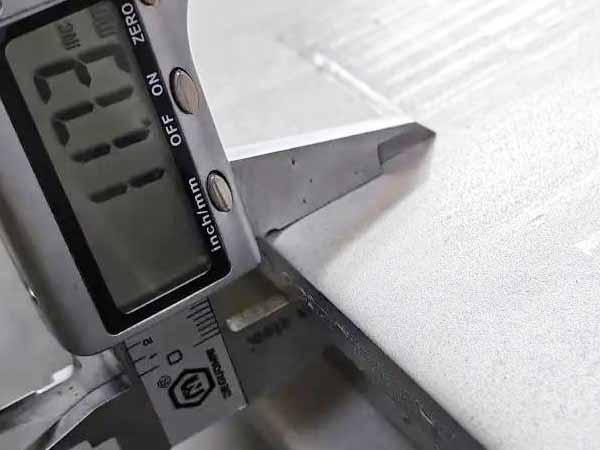
ABS Grade EH36 is an American Bureau of Shipping (ABS)-certified 355 MPa ultra-low-temperature high-strength marine steel plate, commonly used in vessels operating on Arctic routes, icebreakers, offshore platforms in extremely cold waters, and high-stress load-bearing structures in deep-sea environments. This article outlines the dimensional tolerance specifications and custom processing services for ABS Grade EH36 marine steel plates, providing a reference for overseas procurement professionals and shipyard engineers when selecting materials.
- Tags:
- ABS Grade EH36
AH36 vs DH36 vs EH36: How to select the right marine steel plate according to ABS standards?
During the design phase of shipbuilding and offshore engineering, the selection of materials is a decision that is critical to safety and has a direct impact on costs. Faced with the various high-strength grades within the ABS Grade Shipbuilding Steel Plate range - AH36, DH36 and EH36. Many engineers ask the same question: what exactly distinguishes them from one another? This article will provide a detailed analysis of how to correctly select the most suitable steel plate grade in accordance with ABS specifications, examining three key aspects: impact temperature, chemical composition and application scenarios.