Blog
Market Trends for ABS Grade DH36 Marine Steel Plates – Analysis of Industry Demand and Price Trends
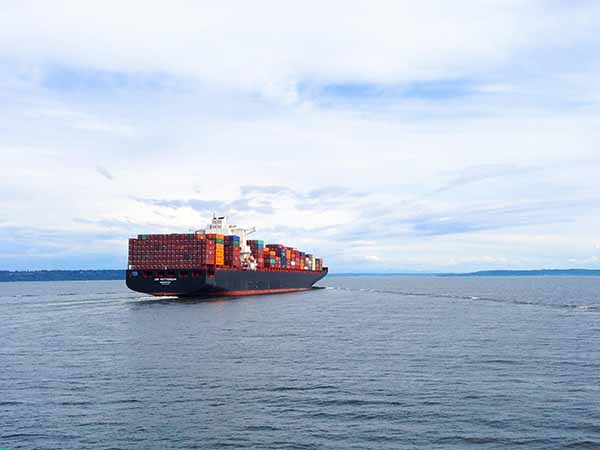
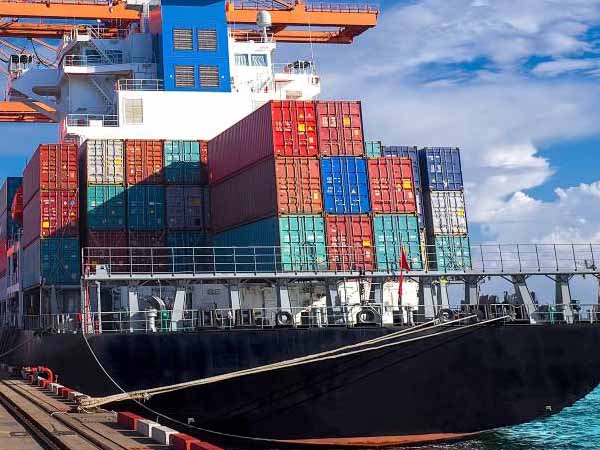
With the global shipbuilding industry recovering and the offshore wind power sector booming, demand for high-strength marine steel continues to rise. As a leading high-strength, low-temperature ship plate, ABS Grade DH36 is widely used in ocean-going vessels, offshore wind power and deep-sea platforms, and is a popular product in the international steel trade.
- Tags:
- ABS Grade DH36
Comparison of Properties and Selection of ABS AH32 / DH32 / EH32 High-Strength Shipbuilding Steel Plates
AH32, DH32 and EH32 are all 315 MPa-grade high-strength shipbuilding steel plates certified by ABS. Their chemical composition, strength and elongation are essentially identical; the key difference lies in their low-temperature impact toughness temperatures (0°C / -20°C / -40°C), which determine their suitability for specific environments. DH32 offers the best value for money and is suitable for the vast majority of ocean-going vessels; EH32 is used in extremely cold waters; AH32 is used in warmer waters or for non-low-temperature structures.
ABS Grade DH32 Marine Steel Plate Tolerance Standards and Quality Control
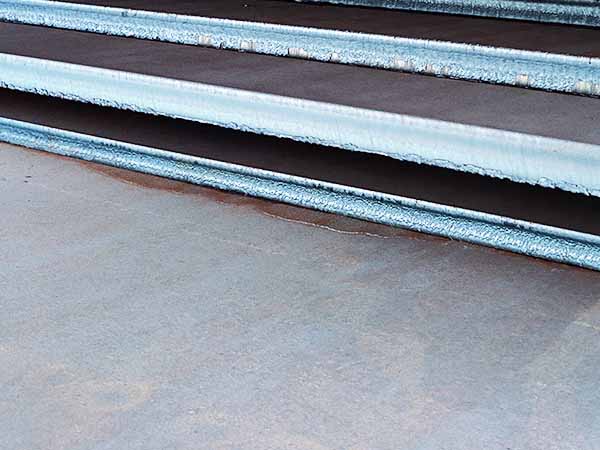
The dimensional tolerances of ABS Grade DH32 marine steel plates are crucial to ensuring the accuracy of plate assembly, the quality of welding, and structural safety. The tolerance standards for ABS Grade DH32 shipbuilding steel plates are rigorous yet practical, and directly determine both shipbuilding efficiency and structural safety. When procuring these plates, it is essential to clarify the tolerance requirements, specify the inspection standards, and request a complete set of ABS certification documents.
- Tags:
- ABS Grade DH32
Practical Guide to Welding ABS DH32 Shipbuilding Steel Plates: Electrode Selection and Preheating
Welding is the primary joining method in shipbuilding, and the quality of welded joints directly determines the structural integrity of the vessel. Although ABS Grade DH32 shipbuilding steel plates possess good weldability, achieving defect-free welds that comply with specifications still requires strict control over the selection of welding consumables, heat input control and preheating procedures.
- Tags:
- ABS Grade DH32
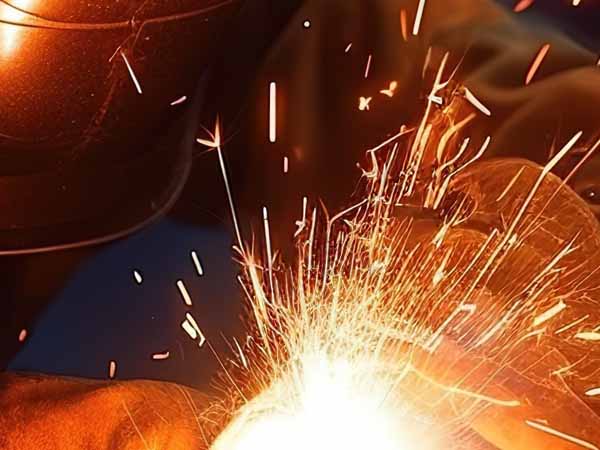
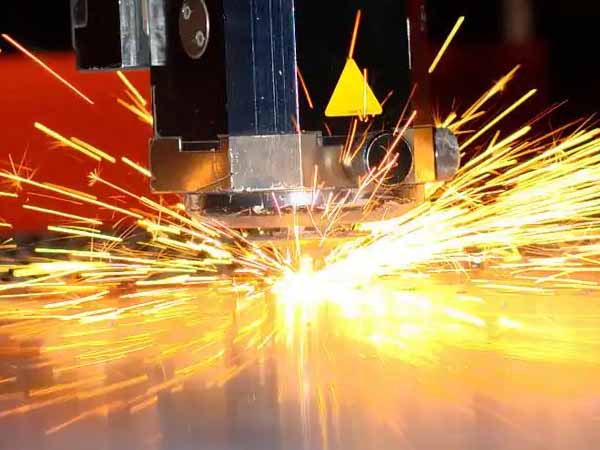
Cutting process for ABS Grade AH36 shipbuilding steel plates
In shipbuilding, tens of thousands of tonnes of ABS Grade AH36 Shipbuilding Steel Plate must be precisely cut into tens of thousands of components of varying shapes, which are then assembled into the ship’s structural sections. The quality of the cutting directly determines the precision of subsequent assembly, the quality of the welding, and the material utilisation rate. For ABS Grade AH36 Shipbuilding Steel Plate, selecting the appropriate cutting process and effectively controlling the heat-affected zone (HAZ) are key to ensuring that the material’s original properties remain intact. We have compiled information on the applications and technical requirements of laser cutting, plasma cutting, waterjet cutting and flame cutting in the processing of AH36, in the hope of providing you with whatever assistance we can. Should you have any queries, please do not hesitate to contact our customer service team; we would be delighted to offer you relevant technical advice.
- Tags:
- ABS Grade AH36