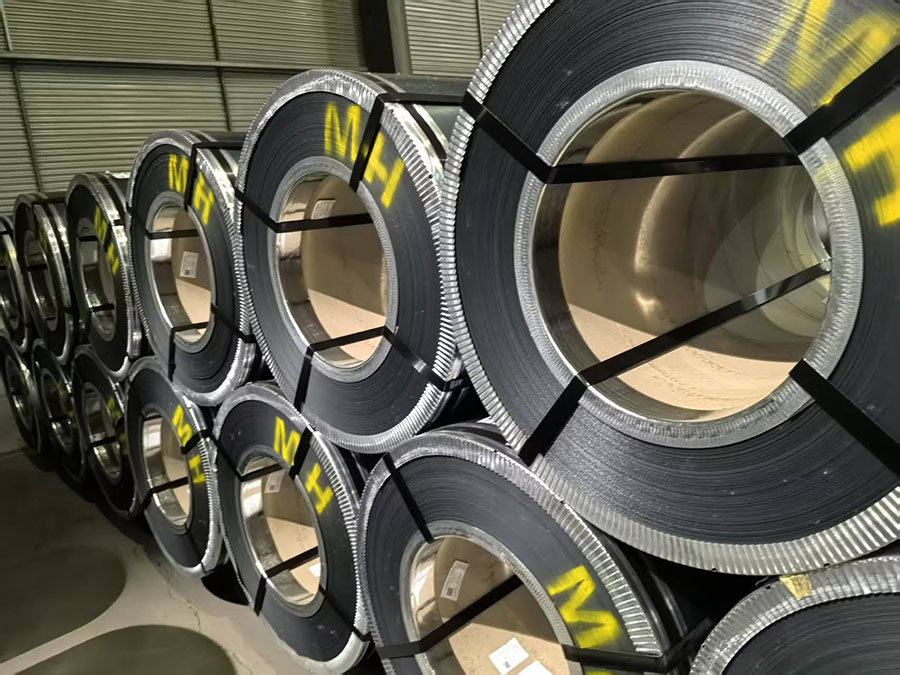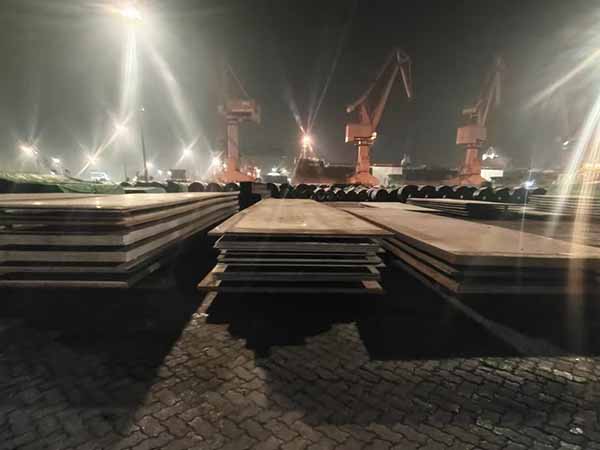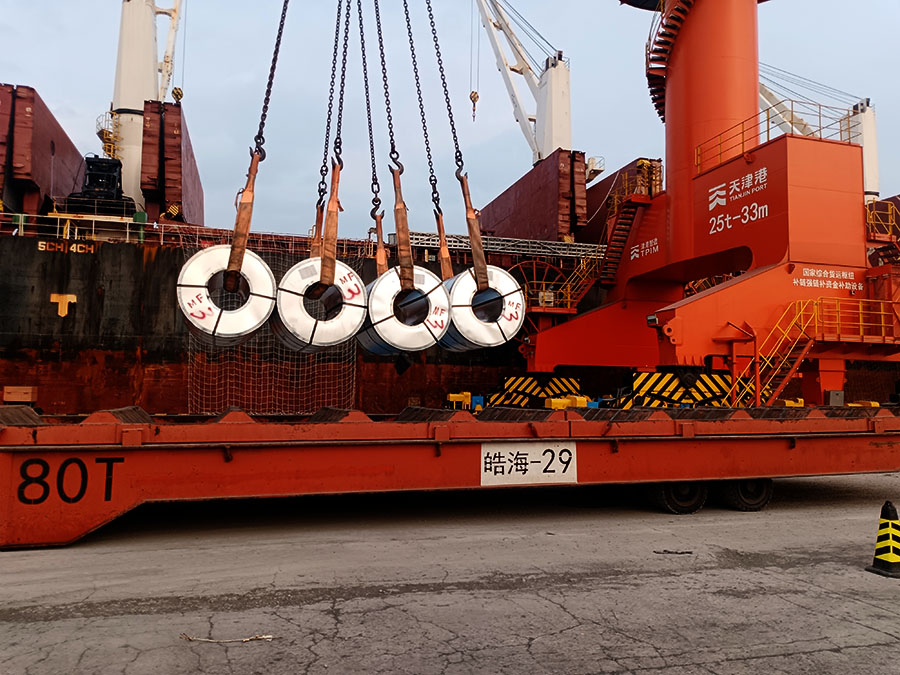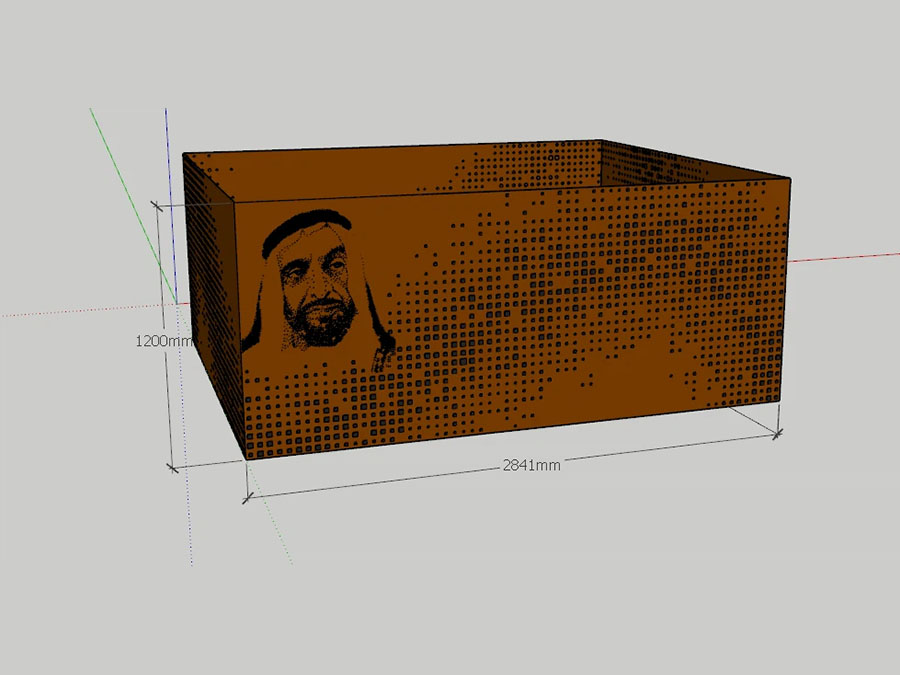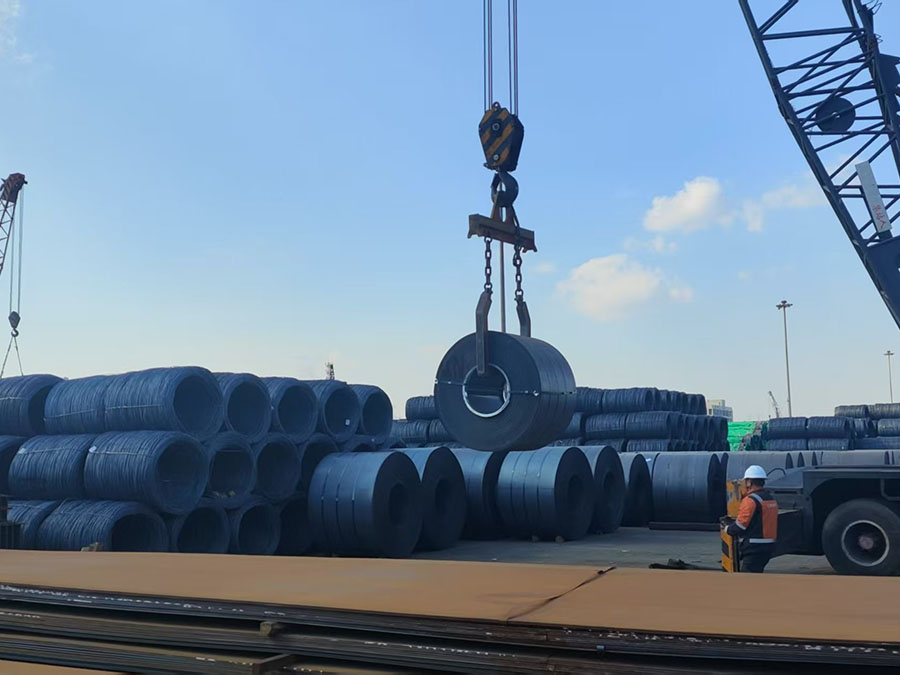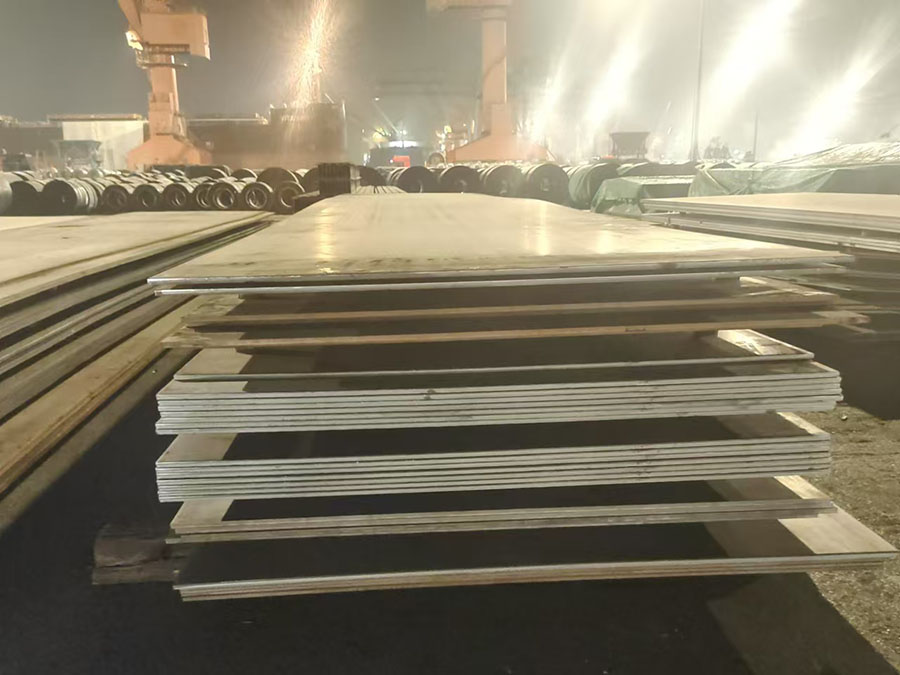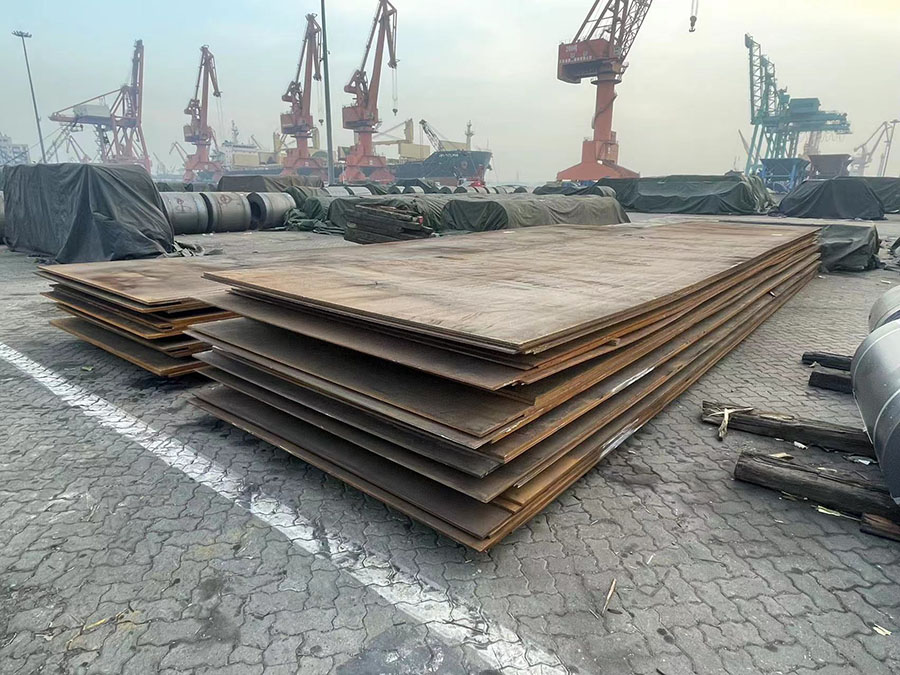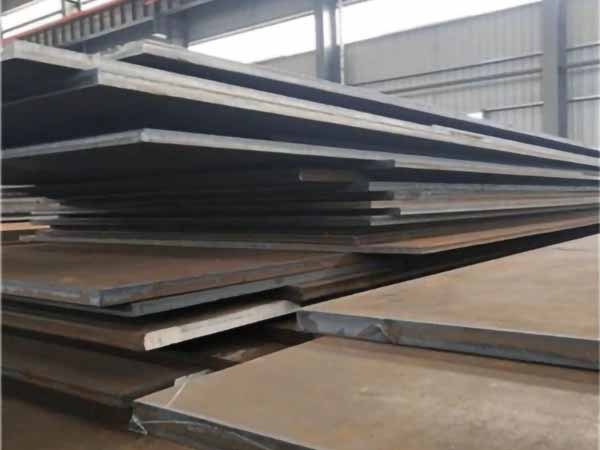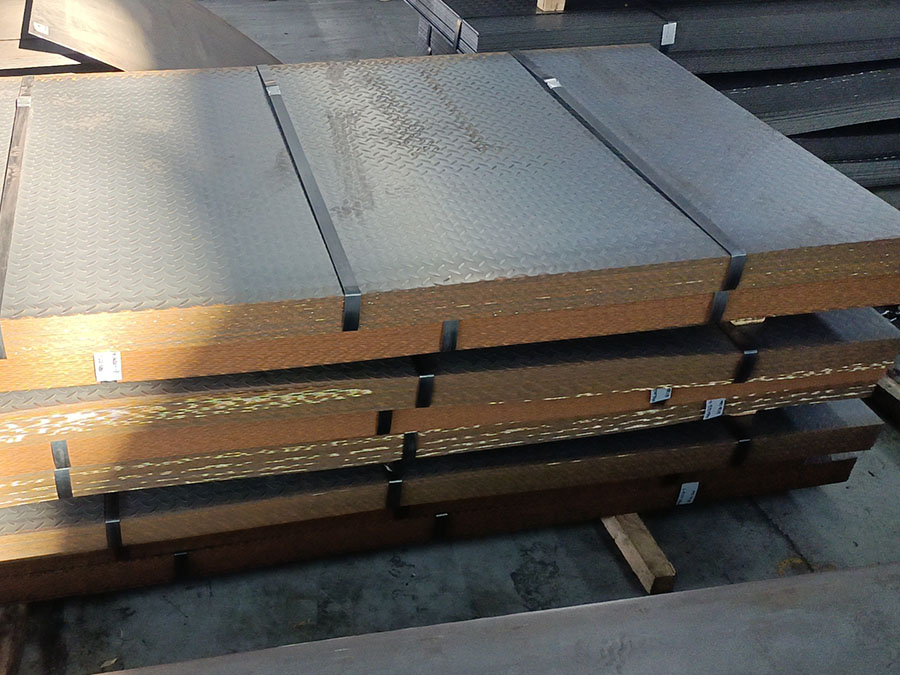
ASTM A588 Grade A (A588GRA) is a low-alloy high-strength weathering steel plate according to the American standard, known for its strong resistance to atmospheric corrosion. It can be used outdoors for extended periods without the need for painting.
Standard :
ASTM A588/A588MGrade :
A588 Grade A (A588GRA)Thickness :
6.0 - 200.0 mmWidth :
1,500.0 - 4,050.0 mmLength :
3,000.0 - 15,000.0 mm* Specifications and dimensions can be customized.
* Machining services are available.
ASTM A588 Grade A weathering steel plate is a high-strength, low-alloy steel plate resistant to atmospheric corrosion, as specified by the ASTM standard, and belongs to the classic Corten steel series.
This steel grade was developed to address the issues common to ordinary steel—such as susceptibility to rust in outdoor environments, short service life, and high maintenance costs. Through microalloying, it forms a dense, stable, and self-healing protective rust layer after prolonged exposure to the natural environment. This layer effectively isolates the steel from air and moisture, inhibiting further oxidation and corrosion, thereby eliminating the need for periodic painting and maintenance.
ASTM A588 Grade A weathering steel plates combine high strength with excellent weather resistance. In most outdoor applications, they require no coating, significantly reducing long-term maintenance, painting, and replacement costs compared to traditional corrosion-resistant steels.
ASTM A588 Grade A weathering steel plates are widely used in bridge construction, building curtain walls, outdoor structural facilities, and industrial corrosion protection projects worldwide. They are compatible with various fabrication processes, including welding, cutting, bending, and drilling, making them the preferred material for long-term outdoor structural engineering projects that balance environmental sustainability and cost-effectiveness.
| Product Name | ASTM A588 Grade A Weathering Steel Plate |
|---|---|
| Standard | ASTM A588/A588M: Standard Specification for High-Strength Low-Alloy Structural Steel, up to 50 ksi [345 MPa] Minimum Yield Point, with Atmospheric Corrosion Resistance |
| Grade | A588 Grade A (A588GRA) |
| Thickness | 6.0 - 200.0 mm |
| Width | 1,500.0 - 4,050.0 mm |
| Length | 3,000.0 - 15,000.0 mm |
| Delivery Conditions | Hot Rolled (HR), Normalized (N), Thermo-Mechanical Controll Process (TMCP) |
| Surface Quality | The surface shall not have harmful defects such as cracks, seams, folds, blisters, inclusions, and laminations. Minor defects that do not affect usability, such as thin layers of iron oxide scale, light scratches, and indentations, are permitted. Surface treatment (e.g., sandblasting, pickling, etc.) can be customized according to requirements. |
| Weldability | Good weldability, but it is necessary to use matching weathering steel welding materials to ensure that the weld area has equivalent corrosion resistance. |
| Machinability | Suitable for all conventional cutting methods (mechanical cutting, flame cutting, laser cutting, etc.), with good cold and hot workability (good plasticity, low deformation resistance, and less prone to cracking after processing). |
| Quality Control | Provide the material certificate. If required, Charpy V-notch impact test, and Z-direction property test (Grades Z15/Z25/Z35) can be added. |
| MOQ | 10 tons |
| Delivery Time | 15 - 20 days after order confirmation. |
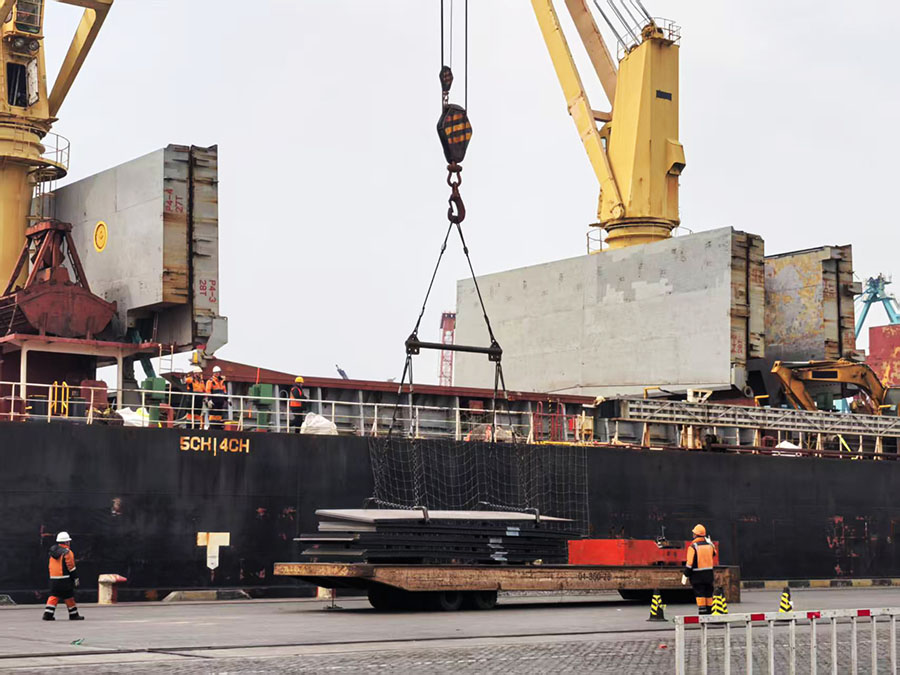
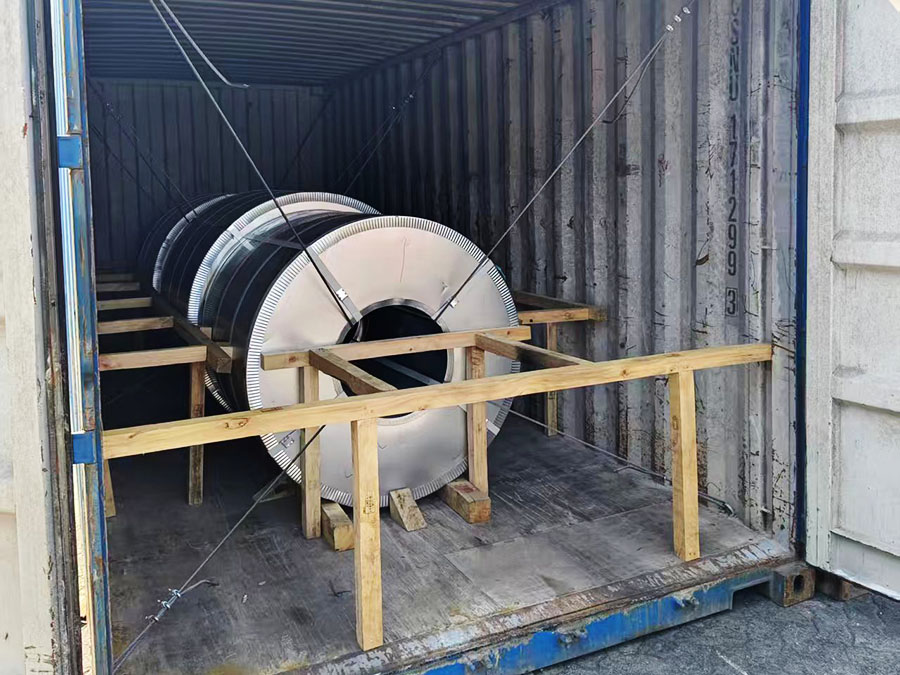
| Packaging | Standard export packaging for sea transport, or as required. |
| Country of origin | China |
| Grade | A588 Grade A (A588GRA) | ||||||||||
|---|---|---|---|---|---|---|---|---|---|---|---|
| Element | C | Si | Mn | P | S | Ni | Cr | Cu | V | Mo | Nb |
| Content (max, %) | 0.19 | 0.30 - 0.65 | 0.80 - 1.25 | 0.030 | 0.030 | 0.40 | 0.40 - 0.65 | 0.25 - 0.40 | 0.02 - 0.10 | - | - |
Calculate using the International Institute of Welding (IIW) formula: CEV = C + Mn/6 + (Cr+Mo+V)/5 + (Ni+Cu)/15
| Grade | Thickness (t) [mm] | Tensile Strength [min, MPa] | Yield Point [min, MPa] | Elongation in 200mm [min, %] | Elongation in 50mm [min, %] |
|---|---|---|---|---|---|
| A588 Grade A (A588GRA) | t ≤ 100 | 485 | 345 | 18 | 21 |
| 100 < t ≤ 125 | 460 | 315 | - | 21 | |
| 125 < t ≤ 200 | 435 | 290 | - | 21 |
With a minimum yield strength of 345 MPa, it surpasses conventional A36 steel, allowing for the use of thinner and lighter components under the same load.
Its corrosion resistance is 4-6 times that of ordinary carbon structural steel (such as A36). It protects the internal steel from further corrosion by forming a dense, adherent oxide layer on the surface.
In most environments, it can be used without paint. Its unique, evolving rusted appearance itself serves as a design element.
No periodic repainting is needed, resulting in low lifecycle costs.
It offers good weldability. When welding, matching weathering steel electrodes must be used to avoid reducing the corrosion resistance of the joint.
ASTM A588 Grade A (A588GRA) Weathering Steel Plate (Corten Steel Plate) is widely used in applications requiring high strength, corrosion resistance, and/or specific aesthetic effects:
When exposed to air and moisture, the steel initially rusts like ordinary steel, producing a yellowish-brown rust liquid.
In alternating dry and wet environments, the alloy elements within (such as Cu, Cr, P, etc.) promote the formation of an amorphous, dense, and highly adherent oxide layer on the substrate surface. This protective rust layer prevents oxygen and moisture from penetrating further into the steel.
After several months of natural weathering, the rust layer stabilizes, and its color gradually transitions to dark brown, purplish-brown, or reddish-brown, forming a unique and artistically pleasing protective skin. This process is referred to as the formation of a "Patina."
Before a stable rust layer forms, the runoff of rust-colored water may stain surrounding concrete, stone, or glass. The design should account for drainage and anti-staining measures.
In persistently humid, salt-spray environments (such as coastal areas) or under strong chemical exposure, its corrosion resistance can be significantly reduced, and protective coatings may be required.
When in contact with other metals (such as aluminum or stainless steel), it may cause electrochemical corrosion, necessitating isolation measures.
The initial material cost is higher than that of ordinary carbon steel.
ASTM A588/A588M includes four grades: A, B, C, and K, each with its own focus.
| Grade | Main Characteristics | Applicable Scenarios |
|---|---|---|
| Grade A | Basic weathering resistance, lower cost | General building structures |
| Grade B | Slightly higher strength, good ductility | Structural components requiring forming |
| Grade C | Optimal overall performance | Important structures such as bridges and high-rise buildings |
| Grade K | Higher niobium content, good low-temperature toughness | Thin sheet structures for cold regions or requiring welding |
A:
Inland, dry environments: 50+ years (maintenance-free); industrial/suburban environments: 30–50 years; coastal areas with low salt spray: 15–25 years (additional corrosion protection required in areas with high salt spray).
A:
Use with caution. In environments with high salt spray levels or high chloride ion concentrations, the rust layer on standard weathering steel is easily penetrated, accelerating corrosion and potentially leading to pitting or perforation.
A:
It has good welding properties and can be welded using conventional processes such as manual arc welding and gas shielded arc welding.
A:
In normal atmospheric conditions (urban or rural), painting is not required; a stable passivation layer will form after 6–18 months of exposure, providing a corrosion resistance lifespan of 80–100 years.
High-humidity / highly corrosive environments (coastal areas, industrial acid rain, salt spray zones): It is recommended to apply a thin coat of weathering primer initially or to carry out regular maintenance to prevent the early loss of the rust layer.
Concealed / damp, poorly ventilated areas: Waterproofing and anti-corrosion coating must be applied to prevent localised rusting from worsening.
A:
The rate at which the oxidation layer forms depends on climatic conditions. In outdoor environments with significant fluctuations between dry and wet conditions, it typically takes between six months and two years for a stable, dark brown protective layer to form. During the initial stage, rust streaks may form, so care should be taken to protect the surrounding building surfaces.
– We offer free samples and bespoke solutions. Please feel free to enquire about our latest prices and volume discounts.
Yuxin Steel provides high-quality steel products to customers in more than 20 countries worldwide.
Contact Info
Would you like to know more about our offers? Please feel free to contact us.
You may also send us your contact information. Your phone number and email address will not be made public.