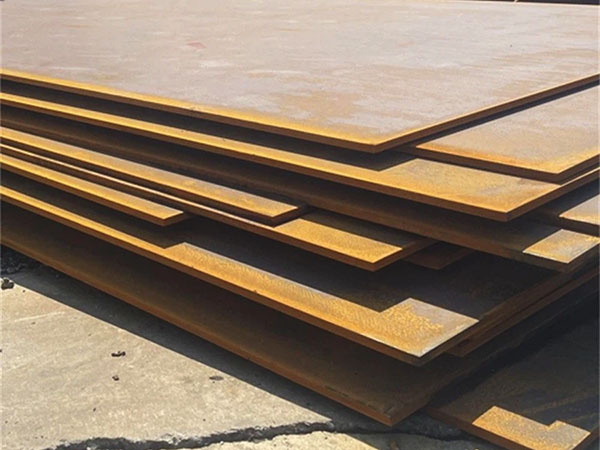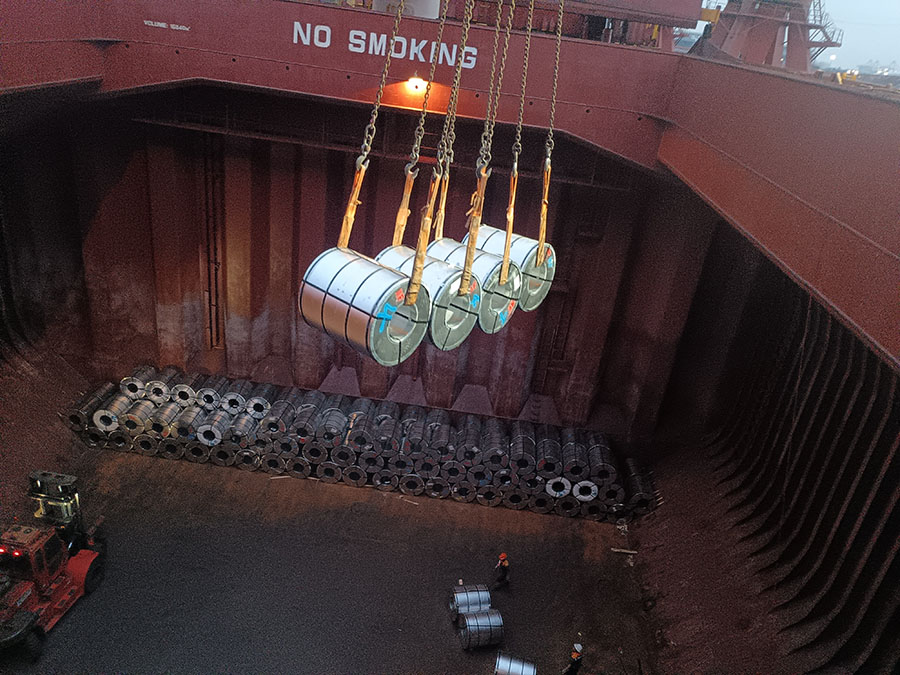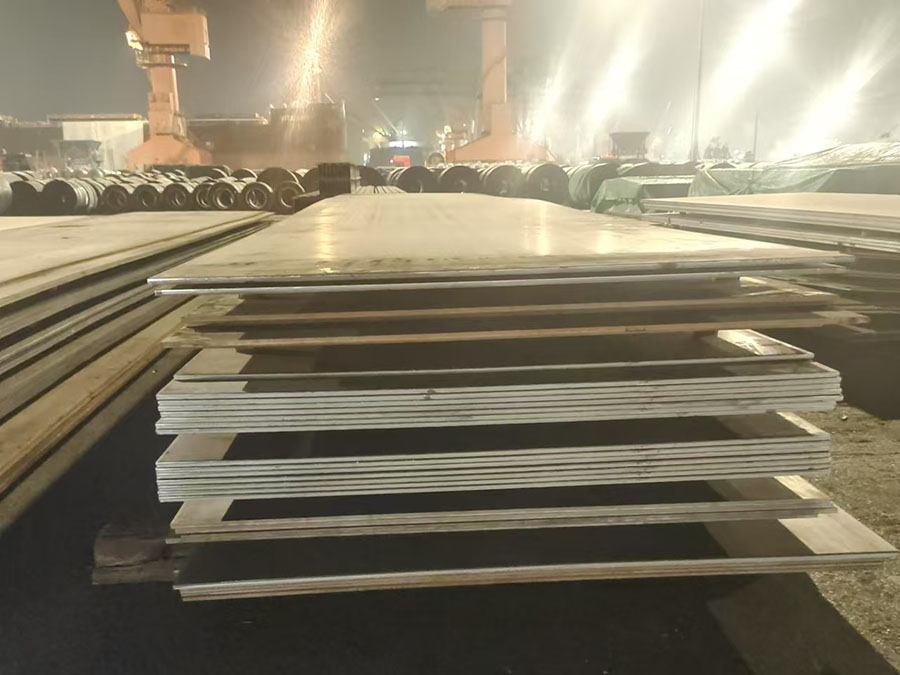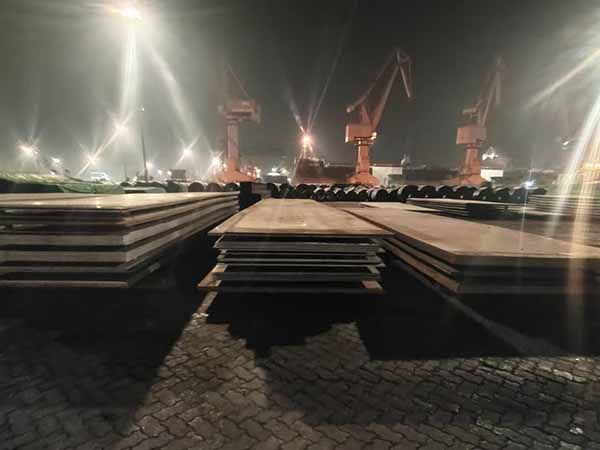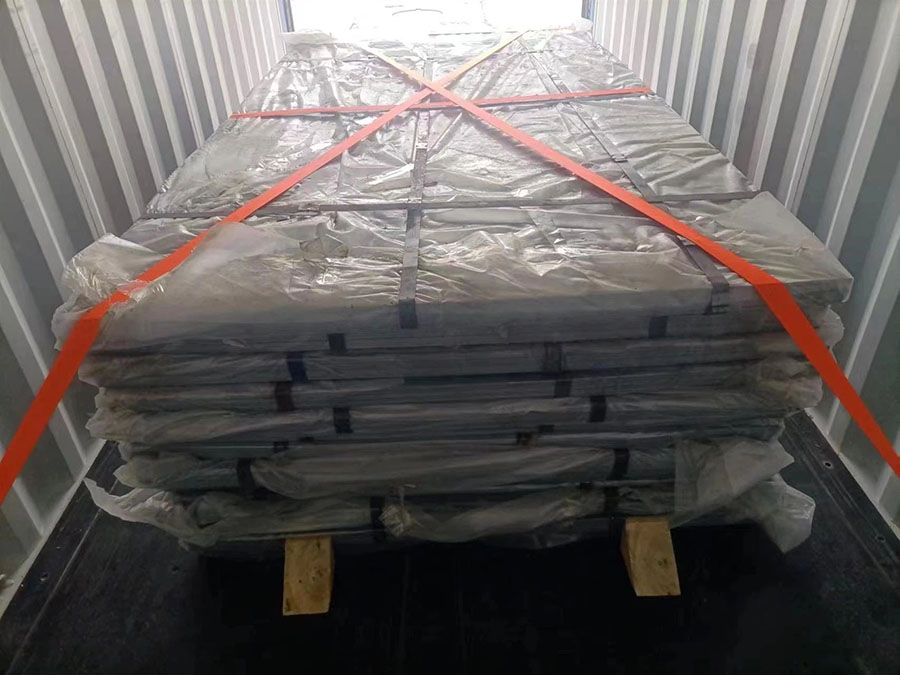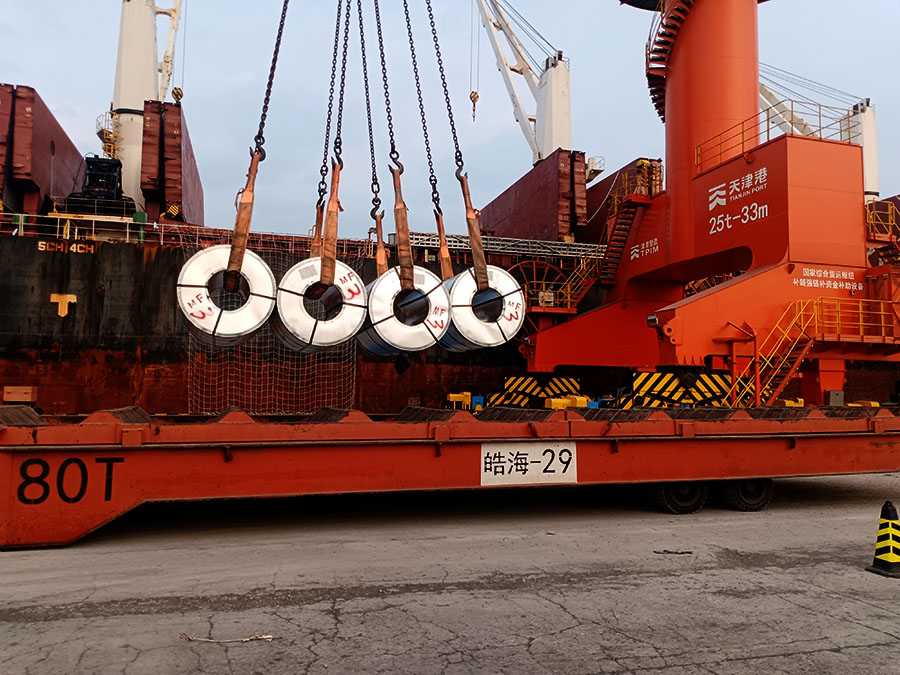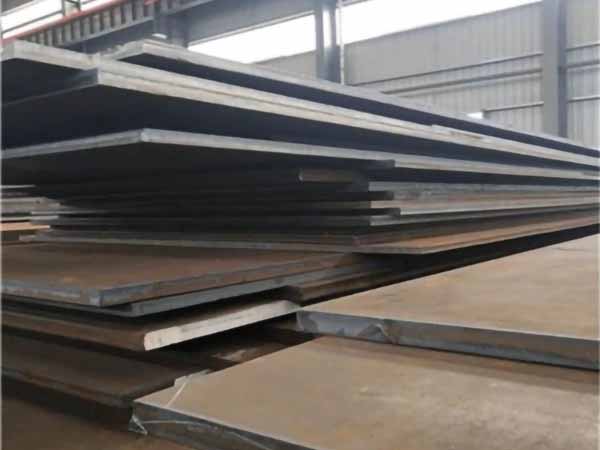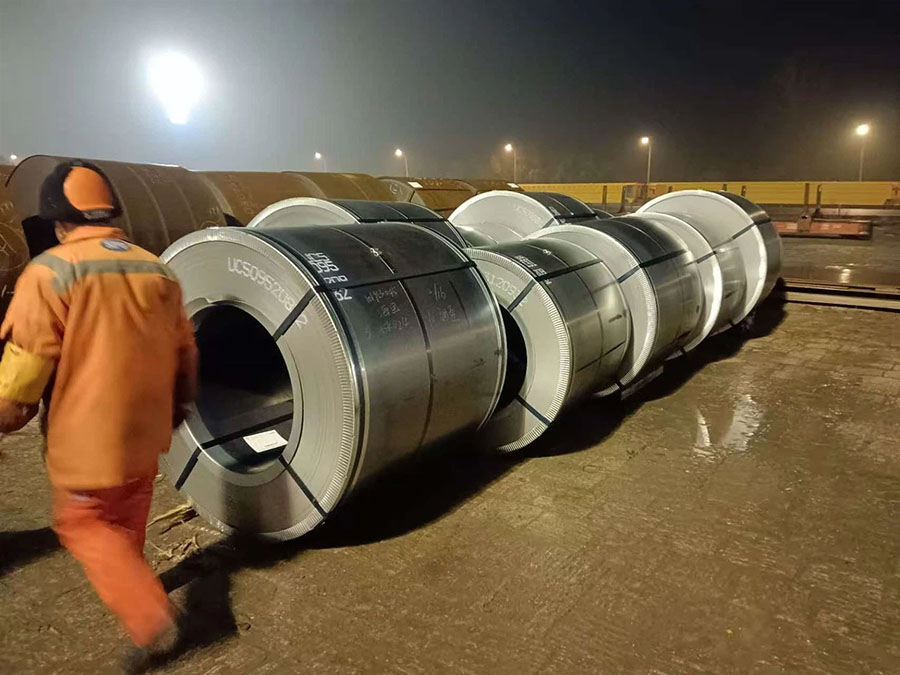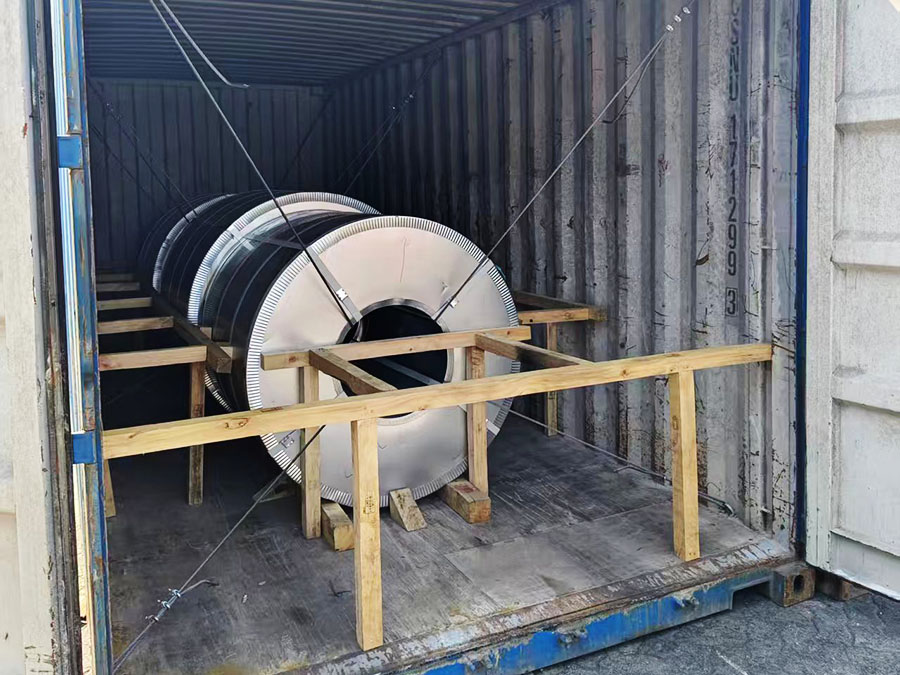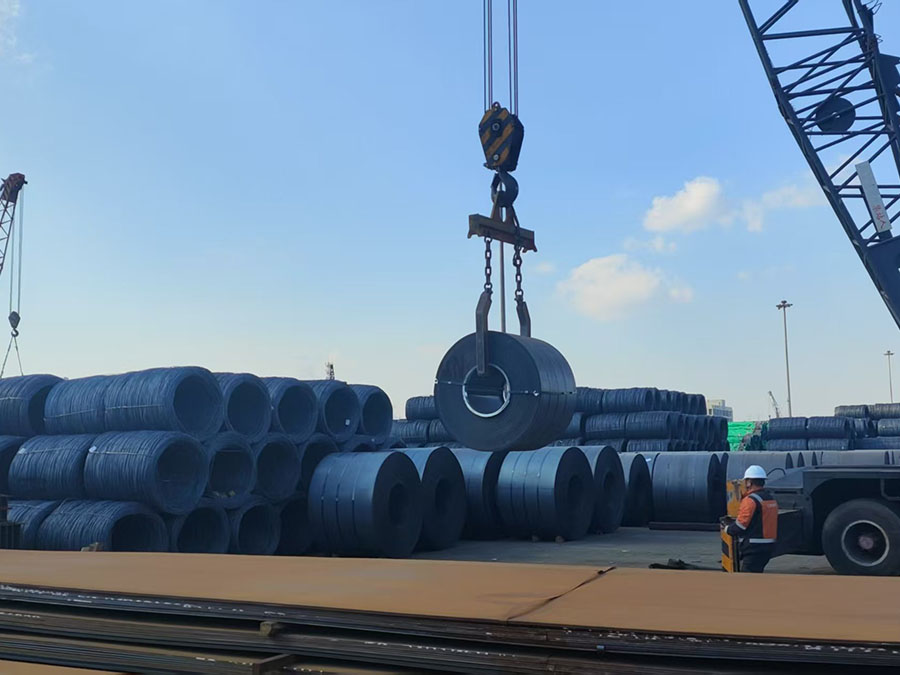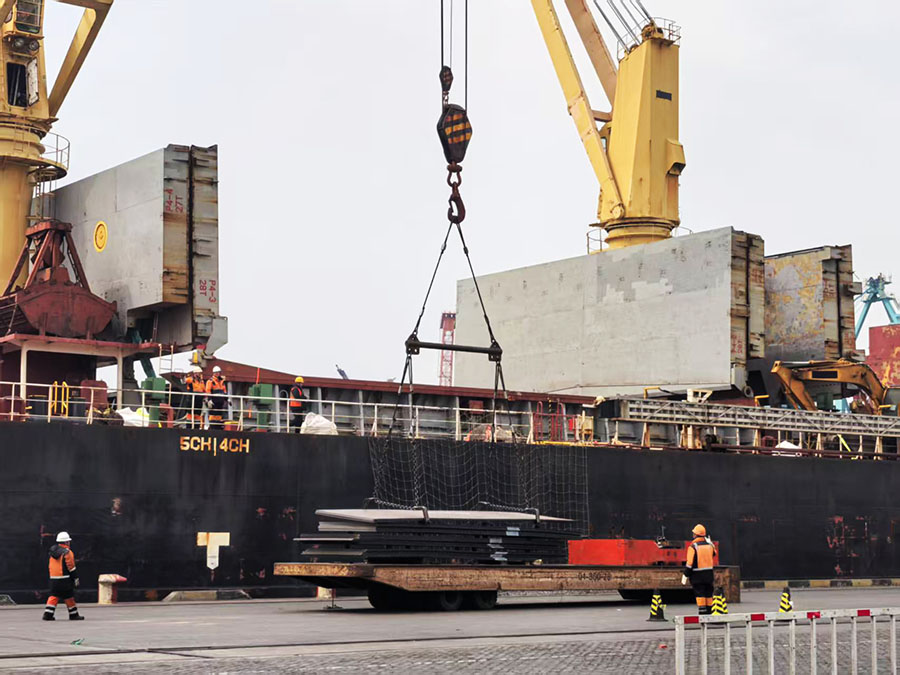
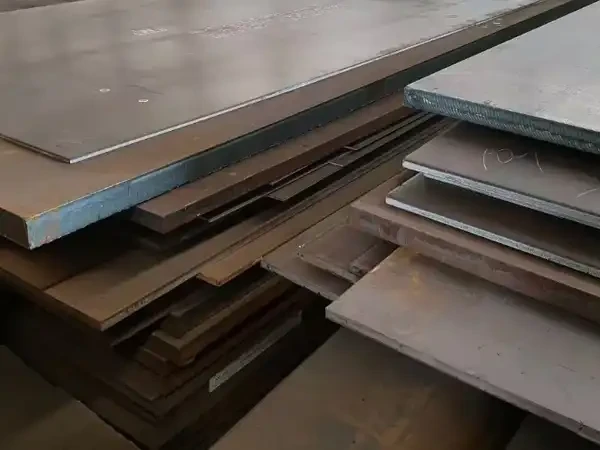
ASTM A516 Grade 70(A516GR70) Boiler and Pressure Vessel Steel Plate have high strength, good toughness, and weldability, and can withstand working conditions under high temperature and pressure.
Standard :
ASTM A516/A516MGrade :
A516 Grade 70 (A516GR70)Thickness :
6.0-300 mmWidth :
1500-4050 mmLength :
3000-15000 mmSpecial thickness, width, and length can be negotiated separately.
We also provide customized processing services.If you have any questions, please contact us.
ASTM A516 Grade 70 is a standard specification established by the American Society for Testing and Materials (ASTM International) for pressure vessel plates, carbon steel, for moderate and lower-temperature service. It is one of the most commonly used carbon steels for constructing pressure vessels, boilers, and other critical equipment in the power generation, oil and gas, and petrochemical industries. Its key characteristics are excellent notch toughness and weldability.
ASTM: American Society for Testing and Materials (ASTM International). The organization that sets the standard.
A516: The specific designation for "Pressure Vessel Plates, Carbon Steel, for Moderate- and Lower-Temperature Service."
Grade 70: Indicates the minimum yield strength of the material is 70 ksi (kilo-pounds per square inch). Other common grades in the A516 standard are 55, 60, and 65.
1.High strength: Have high strength and can withstand working conditions under high temperature and pressure.
2.Good Weldability: The relatively low carbon content makes it easy to weld using all common methods without pre-heating (for thinner sections) or requiring complex post-weld heat treatment procedures.
3.Excellent Notch Toughness: It performs well at lower temperatures, resisting brittle fracture. This is often verified by Charpy V-Notch (CVN) impact testing at specified temperatures (e.g., -50°F / -45°C for normalized plates).
4.Cost-Effective: It is a widely produced and available grade, making it more economical than low-temperature alloys or stainless steels.
| Grade | A516 Grade 70 |
|---|---|
| Standard | ASTM A516/A516M-25: Standard Specification for Pressure Vessel Plates, Carbon Steel, for Moderate and Lower-Temperature Service |
| Dimension range | Thickness: 6.0 - 300 mm, Width: 1500 - 4050 mm, Length: 3000 - 15000 mm |
| Surface Conditions | Natural, Sandblasting, Pickling, Oiling, Painting, etc. |
| Delivery Conditions | Normalized |
| Quality Control | All products undergo rigorous inspection and testing before leaving the factory, and factory test certificates are provided. Non-destructive testing (ultrasonic testing), Charpy V-notch impact testing, Z-axis performance testing (Z15/Z25/Z35 grade), and third-party testing (e.g., SGS) can be added according to the order. |
| Weldability | Excellent weldability. Care must be taken regarding preheating, selection of welding materials, interpass temperature control, and post-weld heat treatment to prevent cold cracking during welding and ensure low-temperature toughness. |
| Place of Origin | China |
| Grade | A516 Grade 70 | ||||
|---|---|---|---|---|---|
| Element | C | Mn | Si | P | S |
| Content (%) | ≤ 0.27 | 0.85-1.20 | 0.15-0.40 | ≤ 0.025 | ≤ 0.025 |
| Thickness (mm) | ≤ 50 | > 50 |
|---|---|---|
| Typical CEV (wt %) | ≤ 0.43 | ≤ 0.45 |
A516 Grade 70(A516GR70) is commonly used in welded structures, and its carbon equivalent is a very important indicator that directly affects the material's weldability.
Formula for calculating carbon equivalent (IIW): CEV = C + Mn/6 + (Cr + Mo + V)/5 + (Ni + Cu)/15
| Property | Standard Value | Practical Significance |
|---|---|---|
| Tensile Strength (MPa) | 485–620 | Resistance to fracture; higher values may reduce ductility. |
| Yield Strength (MPa) | ≥260 (thickness ≤50mm) | Critical stress for plastic deformation; affects vessel wall thickness design. |
| Elongation (%) | ≥17 (50mm gauge length) | Measures ductility; higher values indicate better deformation capacity. |
| Charpy V-Notch Impact | ≥20J @ -46°C | Low-temperature toughness; essential for cryogenic applications. |
Applications of ASTM A516 Grade 70(A516GR70) Boiler and Pressure Vessel Steel Plate:
It is widely used in the manufacture of various boilers, pressure vessels, and other equipment, mainly including the following aspects:
Be used to manufacture various power station boilers, such as coal-fired boilers, gas-fired boilers, circulating fluidized bed boilers, etc.
Be used to manufacture various chemical equipment, such as reaction kettles, evaporators, separators, etc.
Be used to manufacture various oil and gas transmission pipelines, oil and gas storage tanks, and other equipment.
The performance of ASTM A516 Grade 70 relies on a strict manufacturing process, with key steps including:
Typically carried out using a Basic Oxygen Furnace (BOF) or Electric Arc Furnace (EAF) to ensure uniform chemical composition and low levels of harmful elements.
Hot rolling is employed, with controlled rolling temperatures (such as through Thermo-Mechanical Controlled Process, TMCP) to refine the grain structure, enhancing toughness and strength.
Normalizing is required by the standard: The steel plate is heated above the critical point (approximately 870-910°C), held at temperature, and then air-cooled. This refines the grain structure, homogenizes the microstructure, and ensures stable mechanical properties.
For thick plates (usually >50mm), additional tempering may be necessary to reduce internal stresses.
Testing must comply with ASTM A609 standards. Common methods include:
1) Ultrasonic Testing (UT) for detecting internal defects.
2) Magnetic Particle Testing (MT) or Liquid Penetrant Testing (PT) for detecting surface defects.
3) The extent of testing (e.g., 100% UT or sampling UT) must be determined based on design requirements.
Before use, the steel plate needs to be cleaned to remove surface oil stains and impurities to avoid affecting the service life of the steel plate.
When welding the steel plate, pay attention to the welding temperature and welding time to avoid problems such as cracks in the weld.
When processing the steel plate, use appropriate processing technology and equipment to avoid damaging the steel plate.
When storing the steel plate, avoid moisture, direct sunlight, etc., to avoid affecting the quality of the steel plate.
The key grades of ASTM A516 (55/60/65/70) are primarily distinguished by their tensile strength:
| Grade | Tensile Strength (MPa) | Yield Strength (MPa) | Key Use Case |
| A516 Grade 55(A516GR55) | 380-515 | ≥ 205 | Low-pressure applications |
| A516 Grade 60(A516GR60) | 415-550 | ≥ 220 | Intermediate pressure |
| A516 Grade 65(A516GR65) | 450-585 | ≥ 240 | Higher pressure |
| A516 Grade 70(A516GR70) | 485-620 | ≥ 260 | High-pressure & low-temp |
ASTM A516 Grade 70 is a benchmark carbon-manganese steel plate for medium to low-temperature pressure vessels. Its core advantages include "moderate strength, excellent weldability, and reliable low-temperature toughness," while being more cost-effective than alloy steel plates. During selection, it is essential to specify supplementary requirements based on actual working conditions (pressure, temperature, medium) and procure the material through official channels to ensure the authenticity of quality certifications.
A:
Yes, provided that HIC/SCC (hydrogen-induced cracking/stress corrosion cracking) testing is carried out.
A:
Thickness ≤50 mm: Not mandatory, but recommended for critical welds.
Thickness >50 mm or for use in hydrogen sulphide or wet corrosion environments: Post-weld heat treatment is mandatory to eliminate residual welding stresses and prevent hydrogen-induced cracking.
A:
Yes, A516Gr70 steel plates are suitable for the manufacture of LNG, LPG and liquid nitrogen storage tanks, but must undergo impact testing at -40°C/-46°C as required.
A:
Yes, the standard mandates that they be supplied in a normalised condition.
Normalising: Heating to 30–50°C above Ac3, followed by air cooling, to refine the grain structure, relieve internal stresses and significantly improve low-temperature toughness.
Hot-rolled or controlled-rolled conditions cannot consistently meet impact requirements and are not a substitute for normalisation.
A:
Standard Safe Temperature Range: -29°C to 343°C
This is the range recommended for long-term stable operation in engineering design. Within this temperature range, the mechanical properties of the material (such as strength and toughness) can be reliably guaranteed.
Extreme Temperature Limits: -46°C to 538°C
Lower Temperature Limit (-46°C): By using steel plates supplied in the normalised condition (commonly referred to as Gr.70N), the material can meet impact toughness requirements down to -46°C.
Upper Temperature Limit (538°C): According to ASME codes, the maximum permissible service temperature for this material in non-corrosive environments is 538°C.
– We offer free samples and bespoke solutions. Please feel free to enquire about our latest prices and volume discounts.
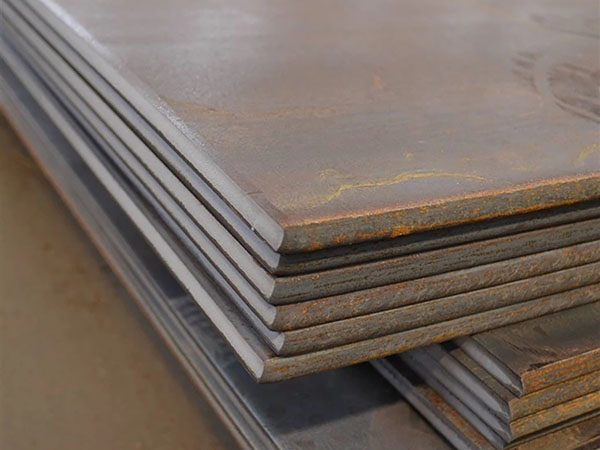
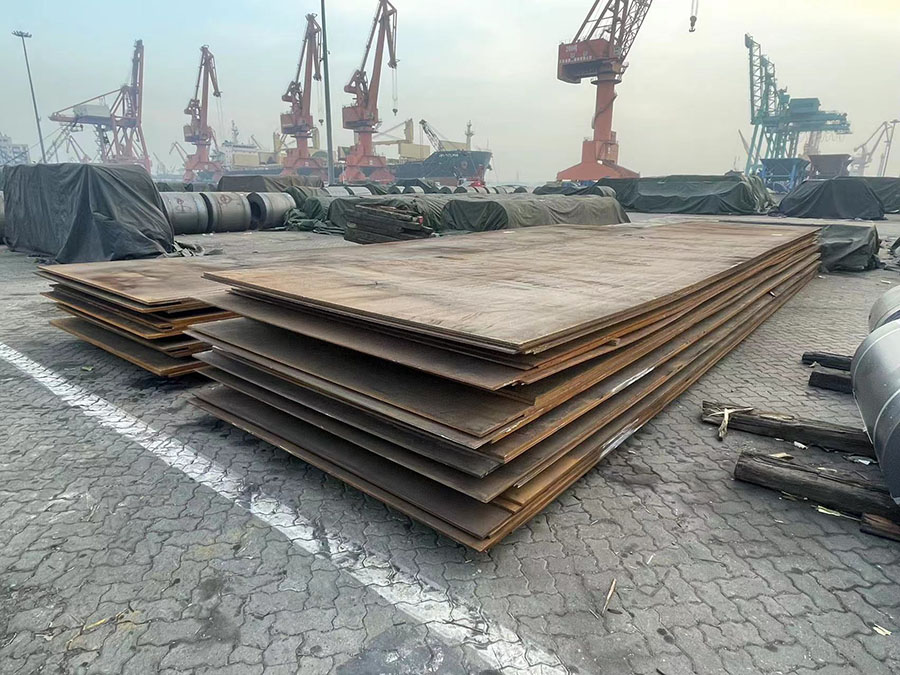
Yuxin Steel provides high-quality steel products to customers in more than 20 countries worldwide.
Contact Info
Would you like to know more about our offers? Please feel free to contact us.