
Knowledge
Applications and Advantages of BV Grade DH36 Shipbuilding Steel in Cold-Water Regions
BV Grade DH36 shipbuilding steel combines -20°C-grade low-temperature toughness, 355 MPa-grade high strength, excellent low-temperature weldability, and global certification from Bureau Veritas (BV). It is the ideal material choice for large commercial vessels and high-load offshore engineering equipment operating in cold temperate regions (-20°C to 0°C).
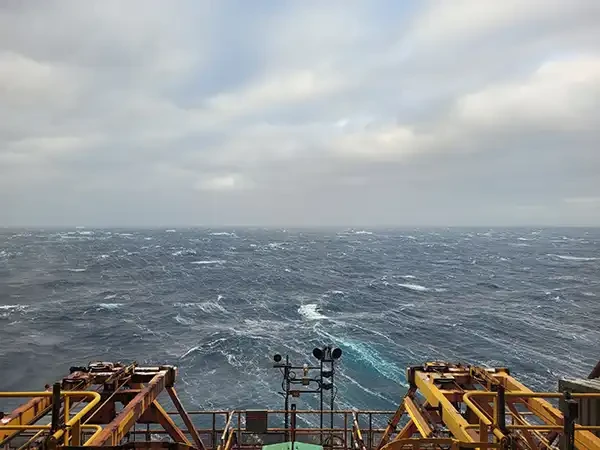
Characteristics of BV Grade DH36 Shipbuilding Steel Plates
BV Grade DH36 shipbuilding steel plates offers high strength and load-bearing capacity, excellent impact toughness at -20°C, outstanding low-temperature weldability, and adaptability to marine environments. It effectively addresses the multiple challenges faced by large vessels in cold regions and high-load offshore engineering projects—including seasonal low temperatures, cold snaps, high-frequency alternating dynamic loads, and long-term corrosion from cold seawater—and has become the mainstream core steel grade in the fields of large-scale shipbuilding and offshore engineering in cold and temperate regions.

Complete Technical Specifications for BV Grade DH36 Shipbuilding Steel Plates
BV DH36 shipbuilding steel plate is specifically designed for operations in cold waters at mid-latitudes, where vessels are frequently exposed to cold waves and subjected to high-load conditions. It offers excellent resistance to seawater corrosion, weldability, and fatigue strength, and fully complies with BV’s latest specifications for the manufacture and inspection of marine steel. The product is widely used in high-load commercial ship hull structures, offshore platforms, offshore engineering support facilities, and auxiliary structures in cold regions. This article provides a detailed explanation of its complete technical specifications.
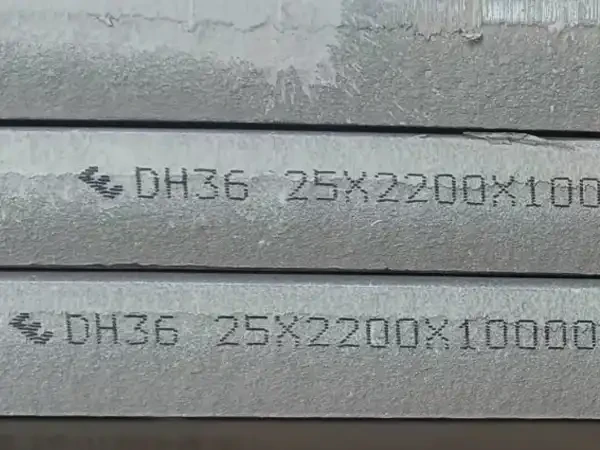
Applications and Advantages of BV Grade DH32 Shipbuilding Steel Plates in Cold-Water Regions
BV Grade DH32 shipbuilding steel plates, with their consistent low-temperature toughness at -20°C, reliable high-strength load-bearing performance, excellent low-temperature weldability, and global BV certification, have become a core structural material for commercial shipbuilding and offshore engineering in cold and temperate regions. The following is an analysis of their applications and advantages in cold-water regions.
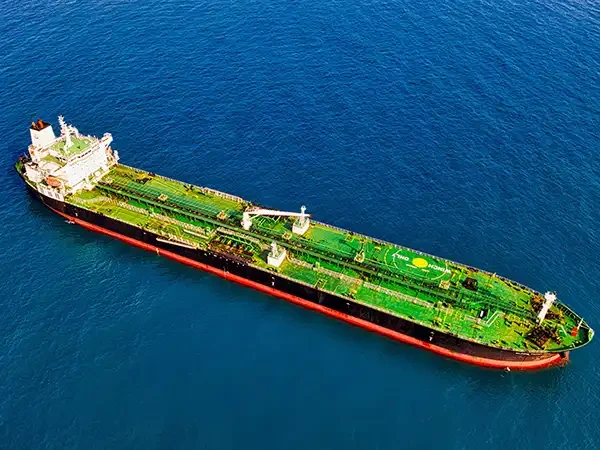
Characteristics of BV Grade DH32 Shipbuilding Steel Plates
BV Grade DH32 is a high-strength structural steel plate for ship hulls certified by Bureau Veritas (BV). Its key characteristics include high strength, good low-temperature toughness at -20°C, excellent weldability, and good formability. It is the mainstream base material for shipbuilding and offshore engineering in cold-temperature regions worldwide. Its key characteristics are reflected in the following aspects.