Knowledge
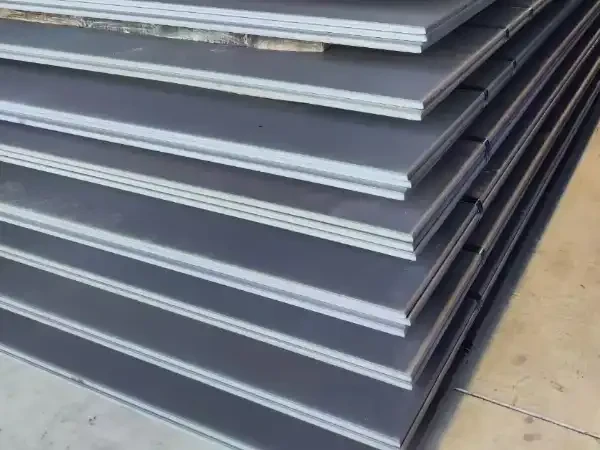
The Difference Between 304 and 316 Stainless Steel
304 and 316 are the two most widely used austenitic stainless steel grades globally and are commonly adopted across numerous industries due to their stable performance and manageable costs. This article provides a systematic comparison of these two grades across four dimensions—chemical composition, mechanical properties, corrosion resistance, and application scenarios—to serve as a basis for accurate material selection.
- Tags:
- Stainless Steel

Typical Applications of Bulb Flat Bar in Marine Engineering
Thanks to its lightweight and high-strength structural properties, bulb flat bar is widely used in shipbuilding, offshore engineering, port facilities, and heavy industrial structures, serving as a key structural component for reinforcing ship structures and providing load-bearing support.
- Tags:
- Bulb Flat Bar
Specifications and Dimensions of Bulb Flat Bar
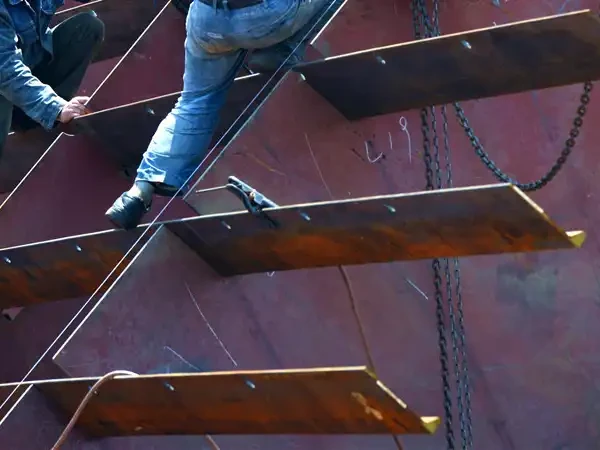
Accurate specification selection is the foundation for the safe and proper use of bulb flat bar. The production and application of bulb flat bar comply with unified international standards such as ASTM A131, EN 10067, and GB/T 9945, which provide a comprehensive set of specifications covering dimensions, steel grades, mechanical properties, and dimensional tolerances, and meet the inspection and certification requirements of major classification societies such as ABS, LR, BV, DNV, and CCS.
- Tags:
- Bulb Flat Bar
What Is Bulb Flat Bar?
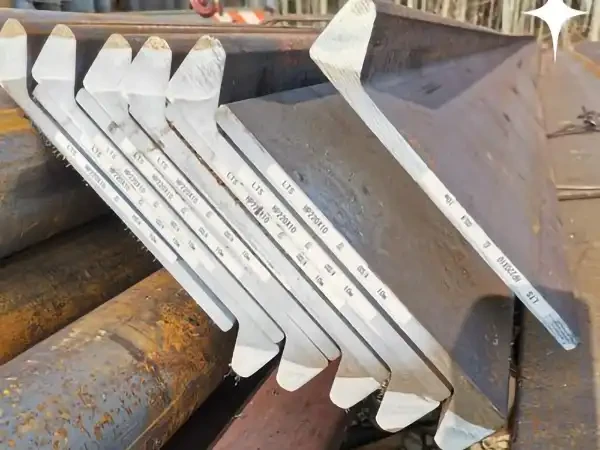
Bulb flat bar is widely used in ship hull frames, deck stiffeners, offshore wind turbine support structures, offshore platform components, and industrial building structural frames. Its unique cross-sectional geometry makes it the preferred stiffening profile in marine engineering, offering superior performance compared to ordinary flat steel and other traditional steel sections.
- Tags:
- Bulb Flat Bar

Characteristics and Advantages of BV Grade EH36 Marine Structural Steel Plates
BV Grade EH36 is a BV-certified, high-strength cryogenic marine steel that combines high yield strength, low-temperature toughness at -40°C, excellent cryogenic weldability, and resistance to deep-sea corrosion fatigue. It effectively addresses safety challenges in high-load-bearing structures for polar marine engineering and serves as the mainstream structural steel for heavy-duty polar shipbuilding and cryogenic deep-sea engineering projects worldwide.