Knowledge
Characteristics and Advantages of S355J0W Weathering Steel Plates
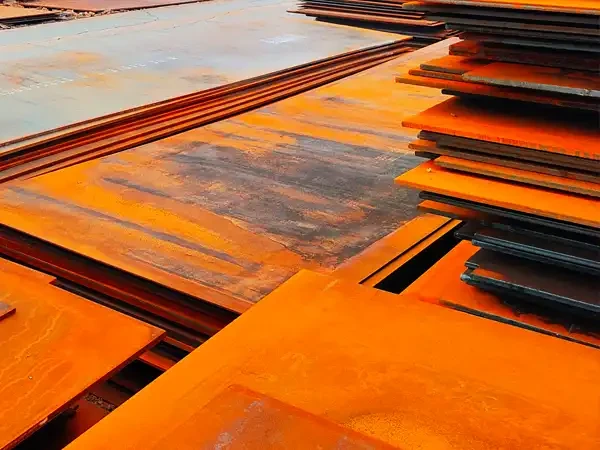
The key characteristics and advantages of S355J0W weathering steel plate stem from its unique self-protective weathering mechanism, high load-bearing strength, low maintenance costs, and excellent adaptability to construction. Compared to ordinary carbon steel, which requires frequent anti-corrosion maintenance, and high-end weathering steel with significant performance redundancy, S355J0W strikes an effective balance between extending the service life of outdoor steel structures and controlling overall costs, and has therefore gained widespread recognition in the global outdoor infrastructure sector.
Technical Specifications for S355J0W Weathering Steel Plate
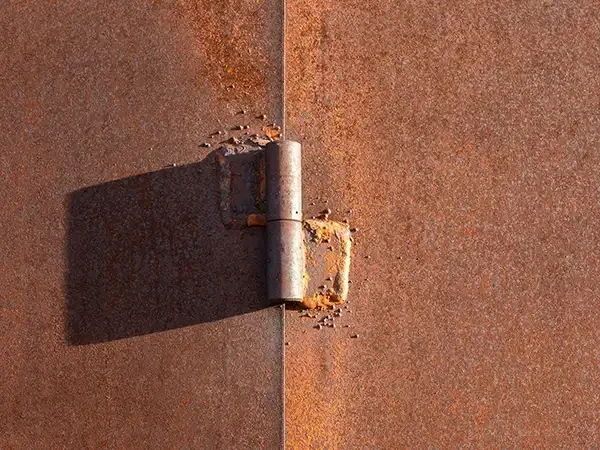
S355J0W is a weather-resistant structural steel specified in the European standard EN 10025-5, with the material number 1.8959. Its resistance to atmospheric corrosion is enhanced through the addition of alloying elements such as Cu and Cr. S355J0W weather-resistant steel plates are suitable for structural components—such as bridges, buildings, vehicles, steel structures, and outdoor equipment—that are subject to long-term exposure to the atmosphere.
Application Scenarios for S355J0WP Weathering Steel Plates in Outdoor Projects
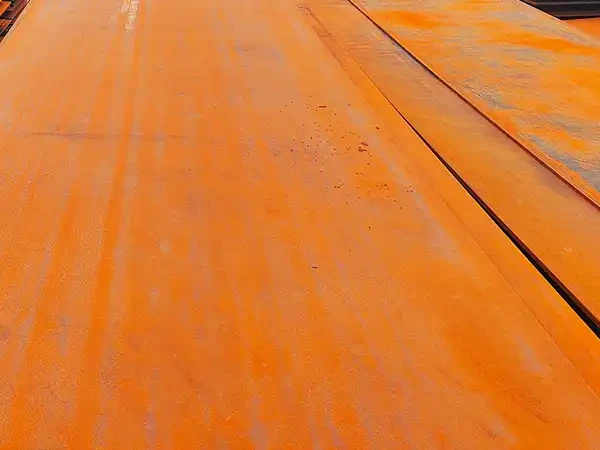
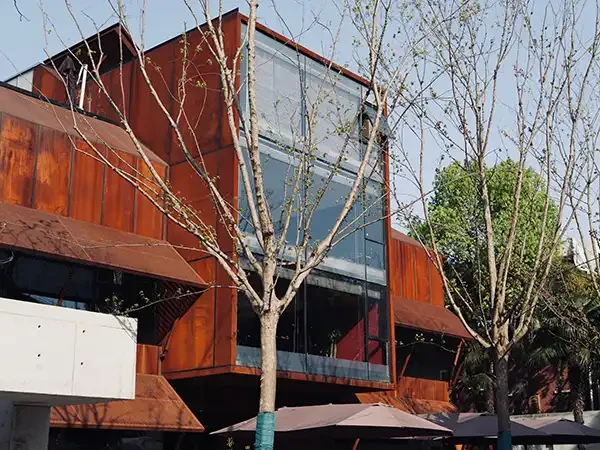
Thanks to its stable resistance to atmospheric corrosion, high load-bearing capacity of 355 MPa, and excellent weldability and formability, S355J0WP weathering steel plate has become one of the fundamental structural materials for outdoor construction projects in temperate regions worldwide. This article describes its specific applications and structural advantages in architecture, bridge construction, energy projects, and landscape engineering.
Characteristics and Advantages of S355J0WP Weathering Steel Plates
Outdoor structural engineering is constantly subjected to multiple environmental factors, including atmospheric oxidation and corrosion, alternating wet and dry conditions, seasonal temperature fluctuations, and wind loads. As a weathering steel grade recognized by European Union standards for combining cost-effectiveness with comprehensive performance, S355J0WP weathering steel plate features a yield strength of ≥355 MPa, excellent self-protective resistance to atmospheric corrosion, good formability, and low maintenance costs. It effectively addresses the durability shortcomings of traditional outdoor steel structures and is widely used in outdoor infrastructure and architectural structural engineering projects in temperate regions.
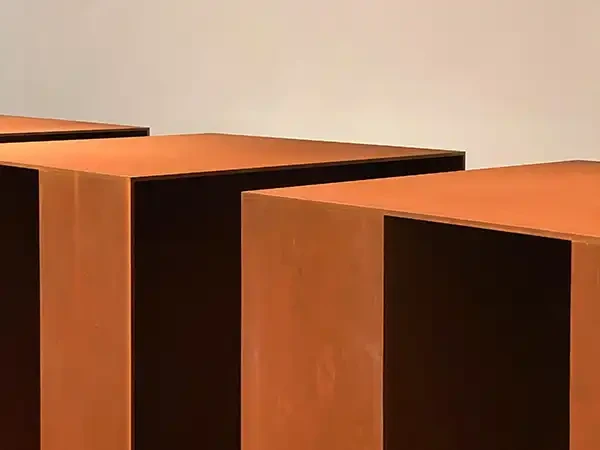
Technical Specifications for S355J0WP Weathering Steel Plate
S355J0WP is a high-strength, low-alloy structural steel resistant to atmospheric corrosion, conforming to the European standard EN 10025-5, with the material designation 1.8945. It is a cost-effective weathering steel for outdoor, uncoated structural projects. As a core grade in the EU weathering steel series, it combines high mechanical strength, stable low-temperature toughness at 0°C, and the ability to form a self-protective rust layer, distinguishing it from ordinary carbon structural steel and other lower-grade weathering steels.