
Knowledge
Complete Technical Specifications for BV Grade DH32 Shipbuilding Steel Plates
BV DH32 shipbuilding steel plates are widely used in commercial shipbuilding, coastal offshore platforms, and marine auxiliary engineering structures. They are the preferred cost-effective structural material for vessels and offshore platforms operating in waters with seasonal low temperatures. This article provides a detailed explanation of its complete technical specifications.

Characteristics of BV AH36 Shipbuilding Steel Plates
BV AH36 shipbuilding steel plates are widely used in the construction of large ocean-going vessels (such as bulk carriers, container ships, and oil tankers) and in critical structural components of offshore oil and gas platforms that are subject to high stress, such as hull plating, decks, main frames, bulkheads, and superstructures. The following are its key performance characteristics.

Marine Engineering Applications and Advantages of BV Grade AH36 Marine Steel Plates
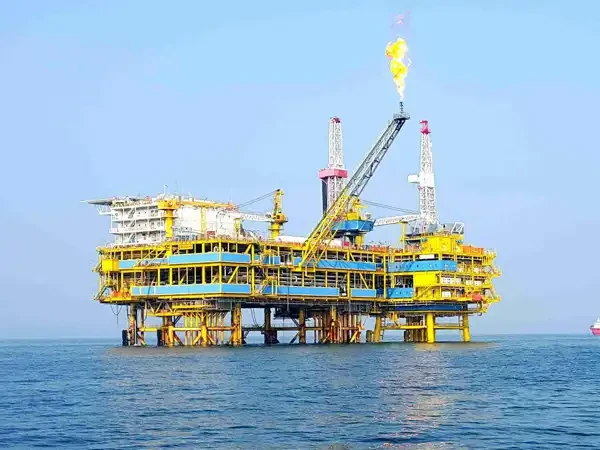
Thanks to its high strength, consistent low-temperature toughness, excellent weldability, and global BV certification, BV Grade AH36 shipbuilding steel plate has become a fundamental structural material for commercial shipbuilding and conventional offshore engineering worldwide, comprehensively covering various high-load offshore construction scenarios in temperate and mildly cold waters. The following outlines its typical application areas and advantages.
Complete Technical Specifications for BV Grade AH36 Shipbuilding Steel Plates
This article systematically outlines the complete technical specifications for BV Grade AH36 shipbuilding steel plates, including: product overview, applicable standards, chemical composition, mechanical properties, available dimensions, delivery condition, surface quality, weldability, and carbon equivalent.

Key Differences Between BV AH36, DH36, and EH36 Shipbuilding Steel Plates
BV AH36, DH36, and EH36 are all high-strength structural steels for shipbuilding, and their core mechanical properties (strength) are essentially the same. The fundamental difference among them lies in their minimum service temperature, a parameter that directly determines the sea and climatic conditions for which each is suitable.