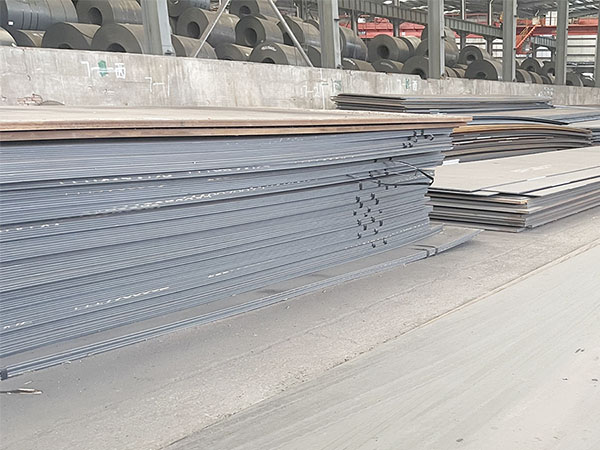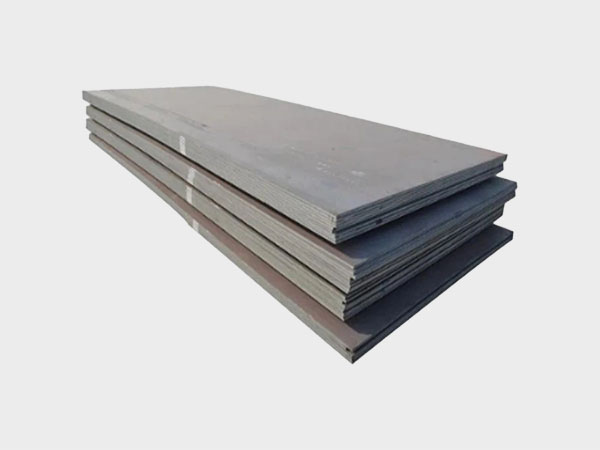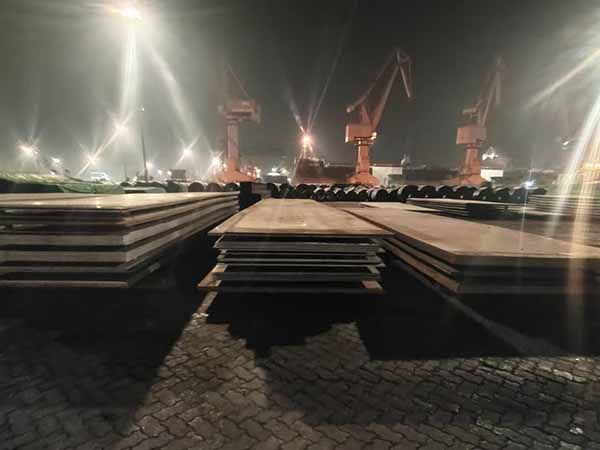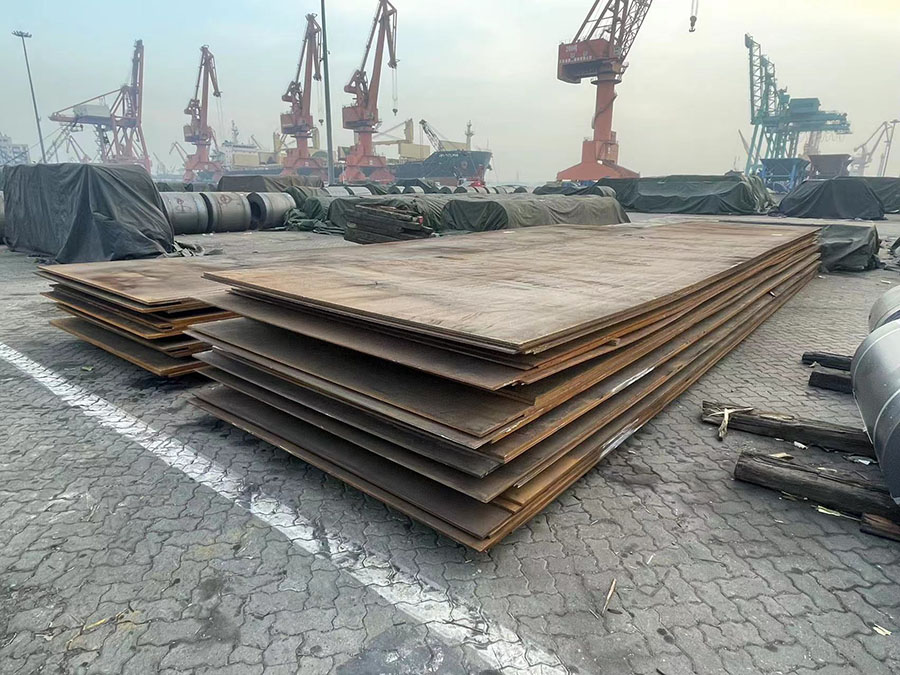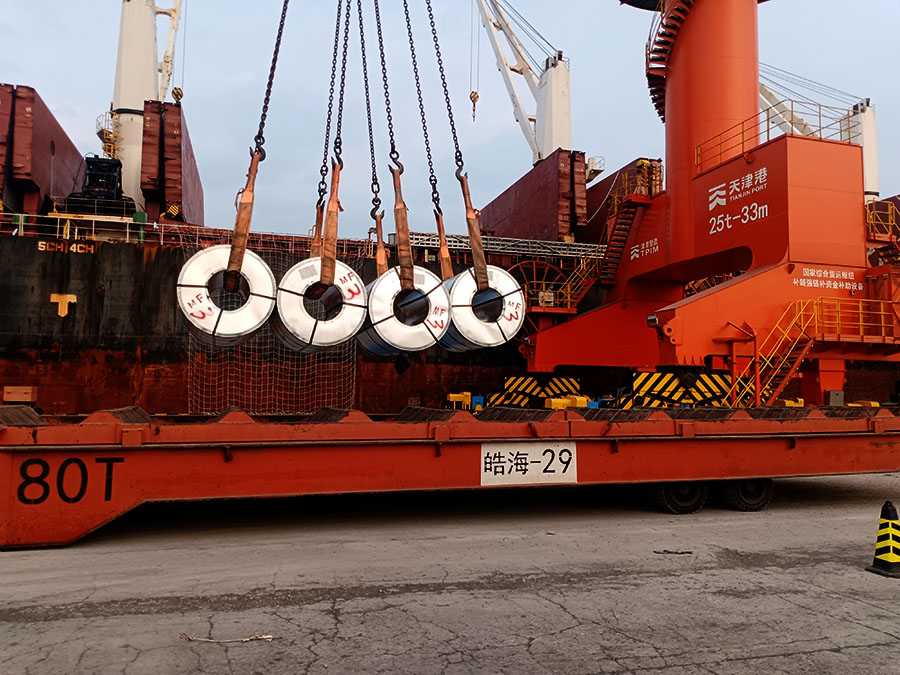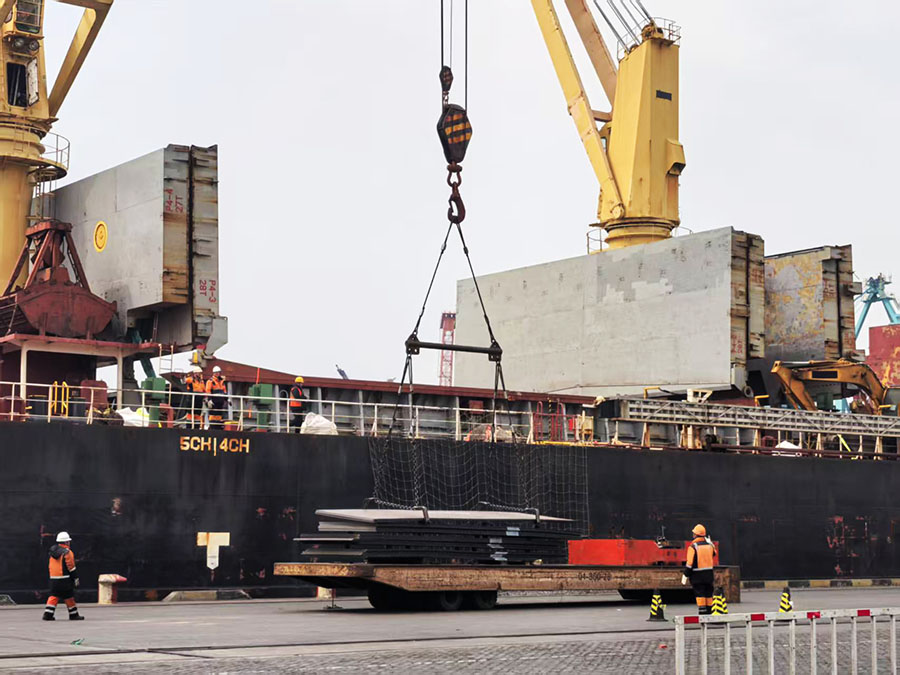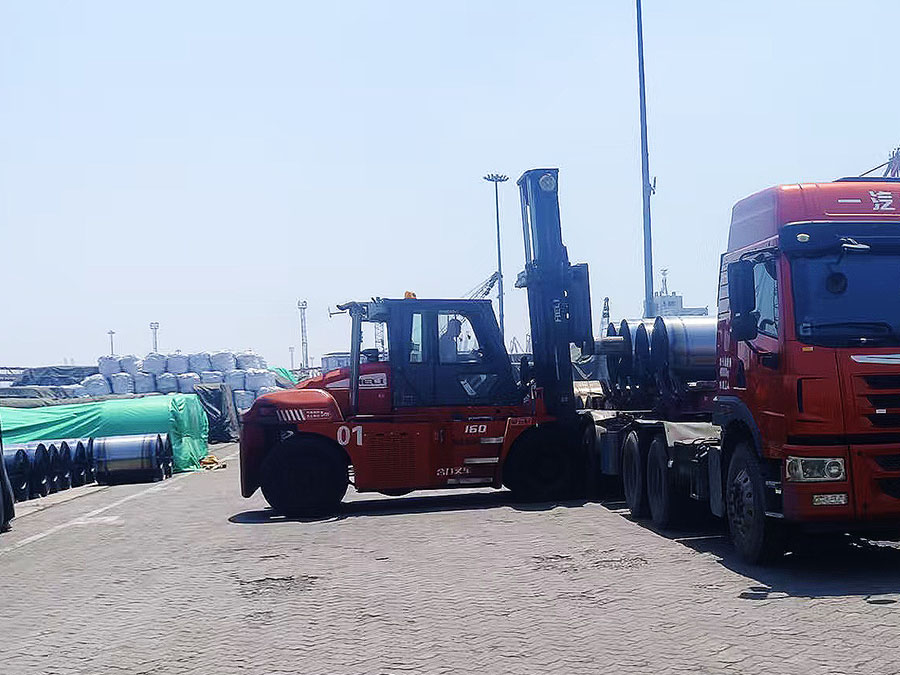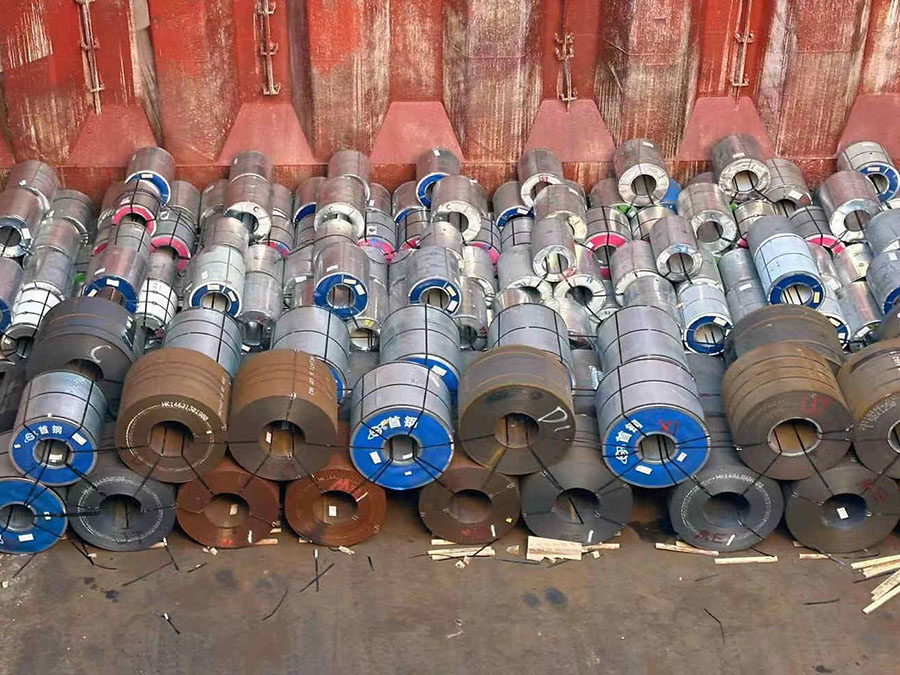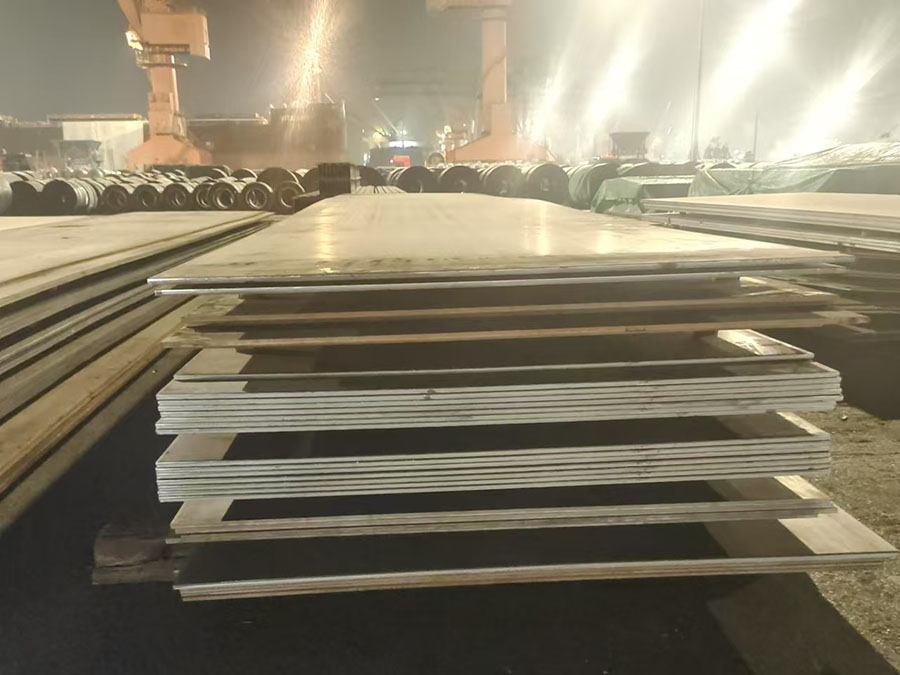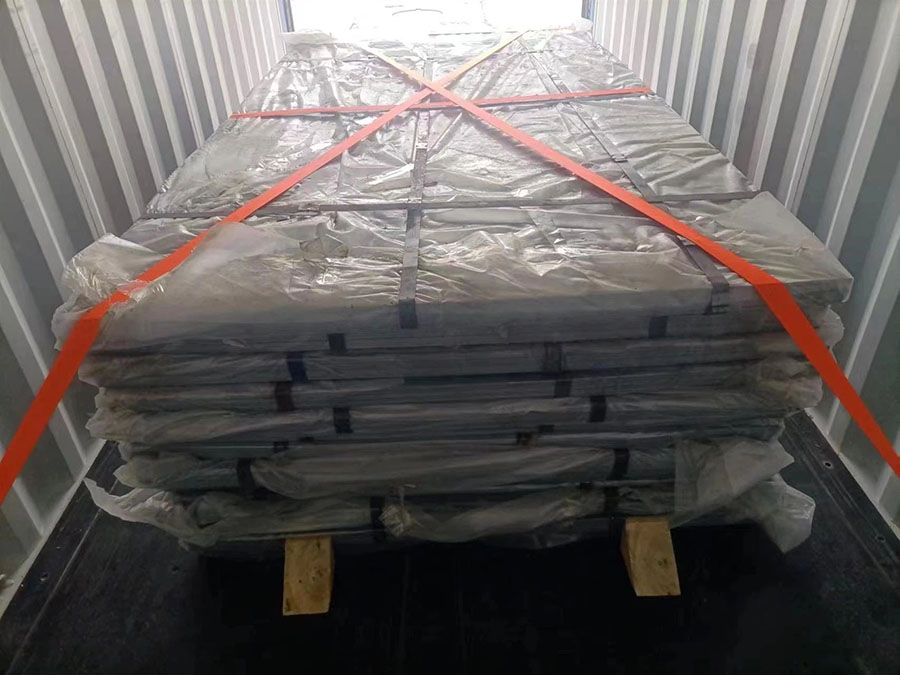
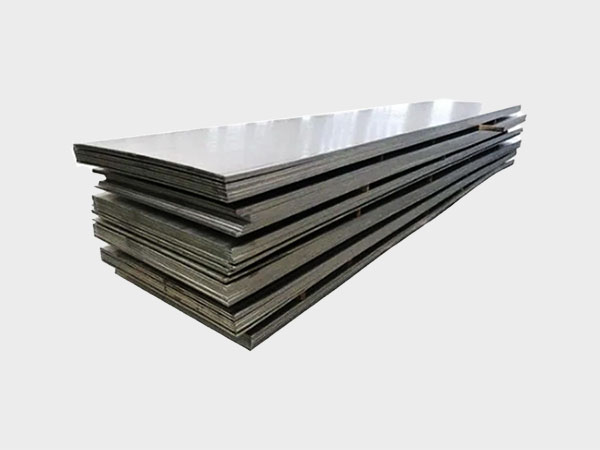
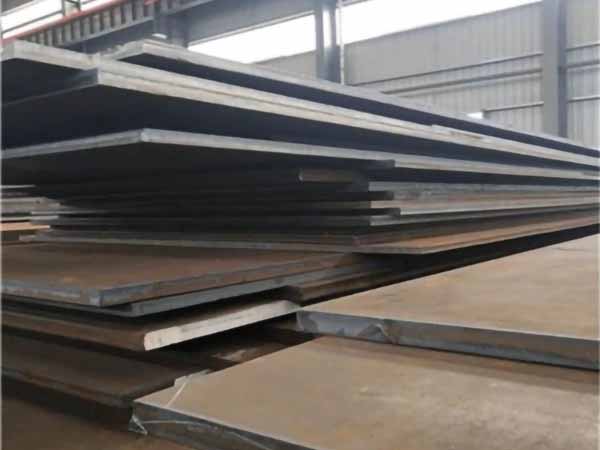
EN 10028-3 P275NL2 Boiler And Pressure Vessel Steel Plate is a fine-grained weldable structural steel specified in the European standard (EN) for boilers and pressure vessels, with good mechanical properties and weldability.
Standard :
EN 10028-3Grade :
P275NL2Thickness :
6.0-300.0 mmWidth :
1,500 - 4,050 mmLength :
3,000 - 15,000 mmSpecial thickness, width, and length can be negotiated separately.
We also provide customized processing services.If you have any questions, please contact us.
EN 10028-3 P275NL2 is a low-temperature fine-grained structural steel plate that complies with the European EN 10028-3 standard. It is specifically designed for boiler manufacturing, pressure vessel manufacturing, and low-temperature industrial pressure equipment. This steel grade features a low carbon equivalent, excellent low-temperature toughness, stable pressure resistance, and good weldability, formability, and fatigue resistance, with no risk of brittle fracture under low-temperature operating conditions.
The product is widely used in the chemical, energy, thermal power, and industrial manufacturing sectors and is an ideal material choice for industrial boilers, energy storage pressure vessels, heat exchangers, and cryogenic pressure equipment.
P: Pressure Vessel Steel
275: Minimum yield strength (ReH) ≥ 355 MPa (for plate thicknesses ≤ 16 mm)
N: Normalized delivery condition, fine grain steel
L2: Low-Temperature Toughness Grade 2 (≥ 27J at -50℃)
| Product Name | P275NL2 Boiler And Pressure Vessel Steel Plate |
|---|---|
| Standard | EN10028-3 (Flat products made of steels for pressure purposes - Part 3:Weldable fine grain steels, normalized) |
| Grade | P275NL2 |
| Classification | Pressure Vessel Steel |
| Thickness | 6.0 - 300.0 mm |
| Width | 1,500.0 - 4,050.0 mm |
| Length | 3,000.0 - 15,000.0 mm |
| Delivery Conditions | Normalized (N) |
| MOQ | 20 tons (small orders can be negotiated). |
| Delivery Time | 15 - 20 days after order confirmation (urgent orders accepted). |
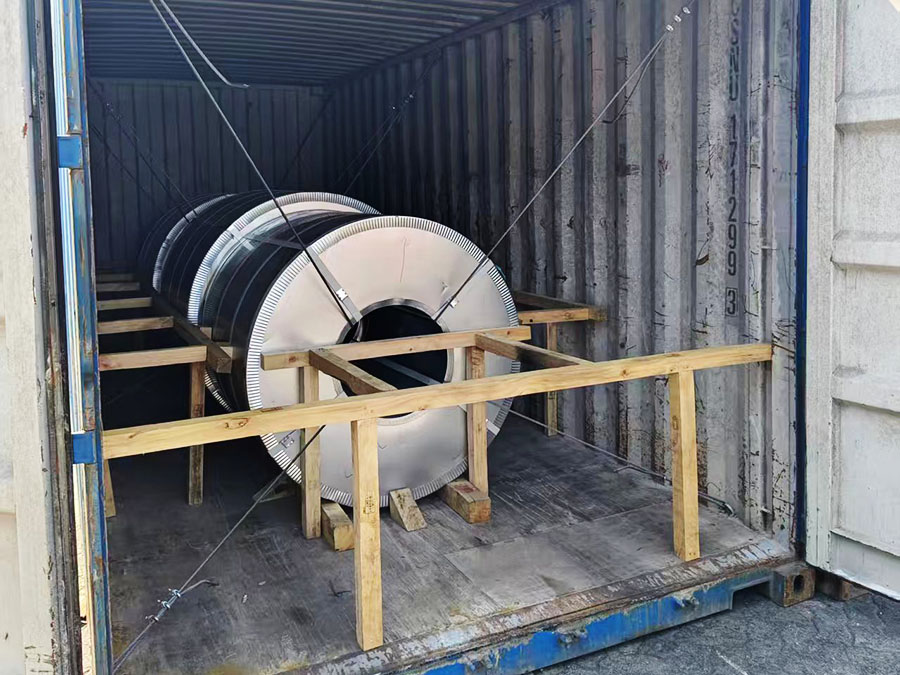
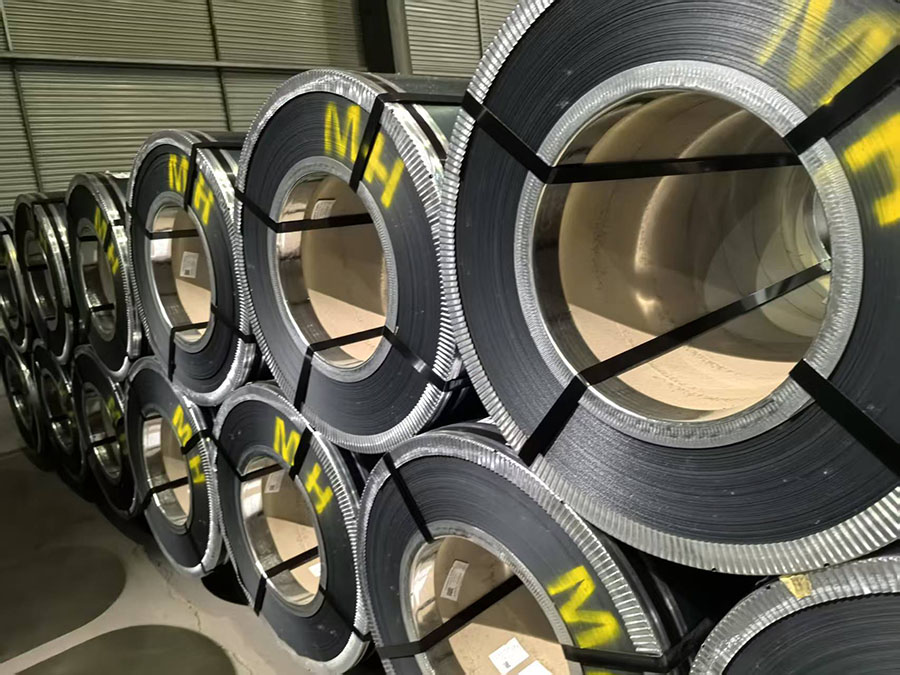
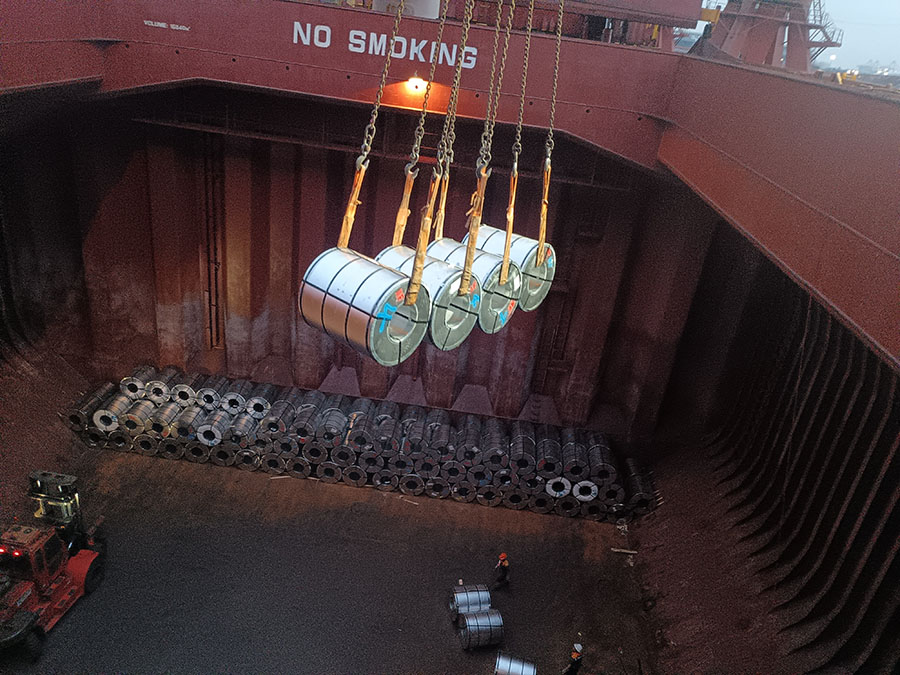
| Packaging | Standard export packaging for sea transport, or as required. |
| Country of origin | China |
| Element | C | Si | Mn | P | S | Al |
|---|---|---|---|---|---|---|
| Content(%) | ≤ 0.16 | ≤ 0.40 | 0.80 - 1.5 | ≤ 0.020 | ≤ 0.005 | ≥ 0.020 |
| Grade | Yield Strength(MPa) | Tensile Strength(MPa) | Elongation (%) |
| P275NL2 | ≥ 275 | 410 - 560 | ≥ 22 |
| Grade | Impact Test Temperature | Impact Energy (KV2) | |
|---|---|---|---|
| Longitudinal | Transverse | ||
| P275NL2 | - 50 ℃ | ≥ 42 J | ≥ 27 J |
| - 40 ℃ | ≥ 45 J | ≥ 30 J | |
| - 20 ℃ | ≥ 55 J | ≥ 40 J | |
| 0 ℃ | ≥ 75 J | ≥ 60 J | |
| + 20 ℃ | ≥ 85 J | ≥ 70 J | |
One of the core advantages of P275NL2 is its excellent low-temperature toughness, making it suitable for cold environments and low-temperature pressure equipment. Compared to standard pressure vessel steels, it meets more stringent low-temperature impact performance requirements and can be used in applications such as low-temperature storage tanks, LPG/LNG-related equipment, and pressure vessels in cold regions.
This steel grade features a fine-grained design, and its microstructural uniformity is enhanced through normalizing or normalized rolling. Aluminum and microalloying elements such as Nb, Ti, and V contribute to grain refinement and microstructural control, thereby improving the balance of strength and toughness in the steel plates.
The carbon content of P275NL2 is controlled at a low level, with the standard specifying C ≤ 0.16%. Limits are also set for elements such as Mn, Cr, Mo, Ni, and Cu, which help control the properties of the heat-affected zone during welding and mitigate the risk of cold cracking, making it suitable for the welded fabrication of pressure vessels.
Taking thinner gauges as an example, P275NL2 has a yield strength of ≥ 275 MPa, a tensile strength of 390–510 MPa, and an elongation after fracture typically not less than 24%; as plate thickness increases, the yield strength specified in the standard is adjusted accordingly.
P275NL2 features a low-carbon, low-alloy design. The standard specifies a negotiable maximum carbon equivalent (CEV ≤ 0.42%), which facilitates welding fabrication and on-site processing of large-scale pressure vessels.
(e.g., storage tanks, reactors)
(e.g., LNG tanks, cryogenic applications)
A:
The key differences between the two lie in their low-temperature impact properties and applicable standards:
P275NL1: Suitable for low-temperature operating conditions at -40°C;
P275NL2: Has stricter low-temperature toughness requirements; it must pass a -50°C impact test, offers a higher safety margin, and provides more stable low-temperature performance. It is suitable for harsh low-temperature environments and high-standard pressure equipment projects.
In addition, the production and inspection standards for P275NL2 are more stringent than those for the NL1 grade.
A:
EN 10028-3 P275NL2 steel plates are primarily used in the manufacture of industrial boilers, medium- and low-pressure pressure vessels, heat exchangers, chemical storage tanks, and cryogenic pressure equipment. They are suitable for low-temperature operating conditions down to -50°C as well as conventional medium- and low-pressure industrial environments, and serve as a core specialty steel grade in European standard pressure equipment manufacturing projects.
– We offer free samples and bespoke solutions. Please feel free to enquire about our latest prices and volume discounts.
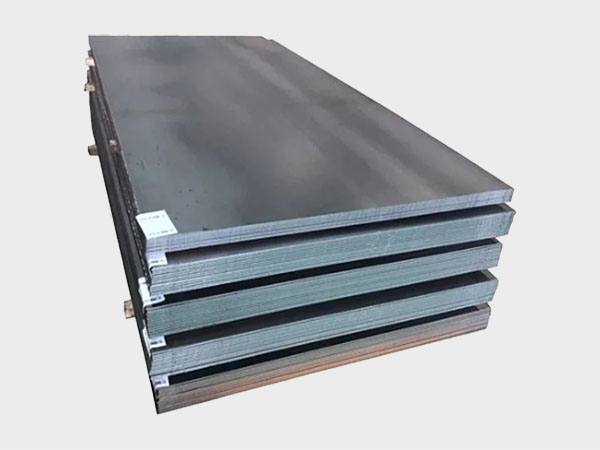
Yuxin Steel provides high-quality steel products to customers in more than 20 countries worldwide.
Contact Info
Would you like to know more about our offers? Please feel free to contact us.