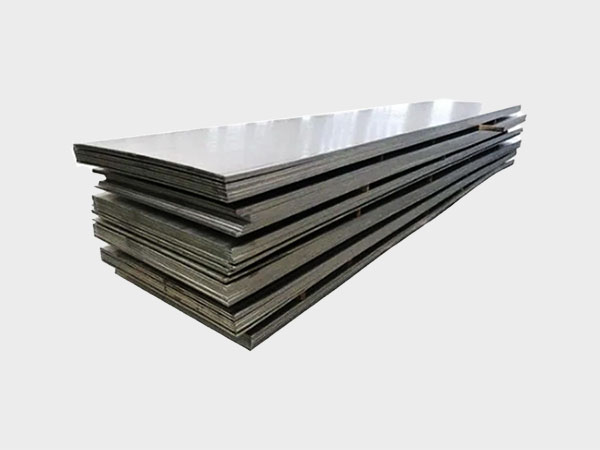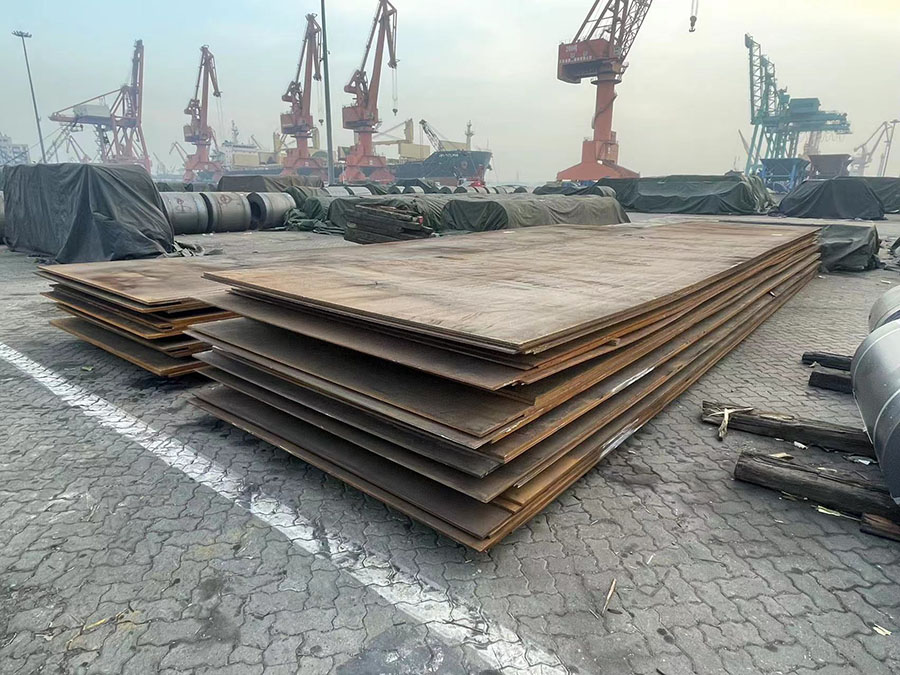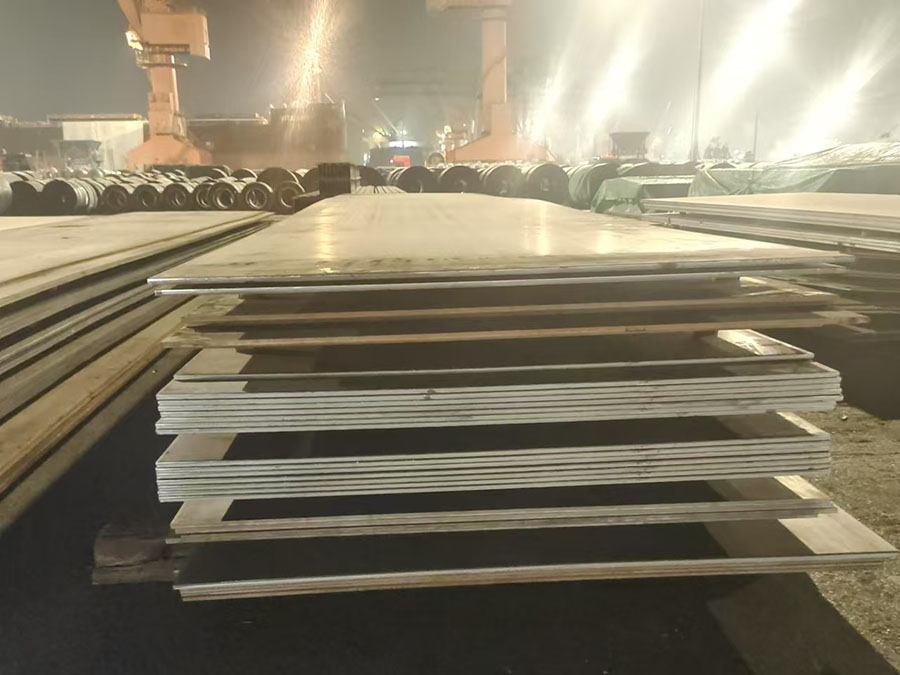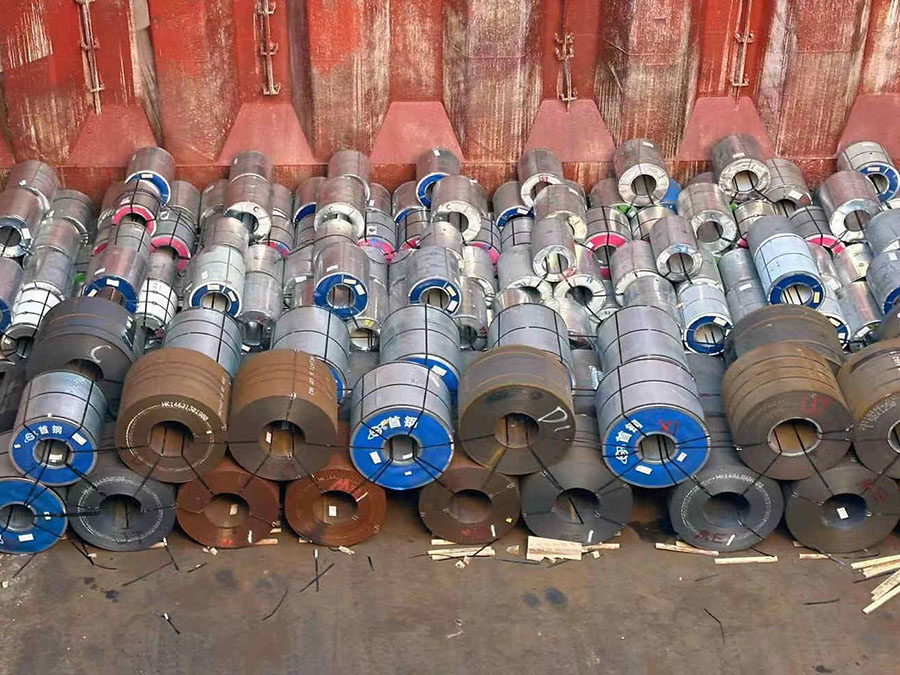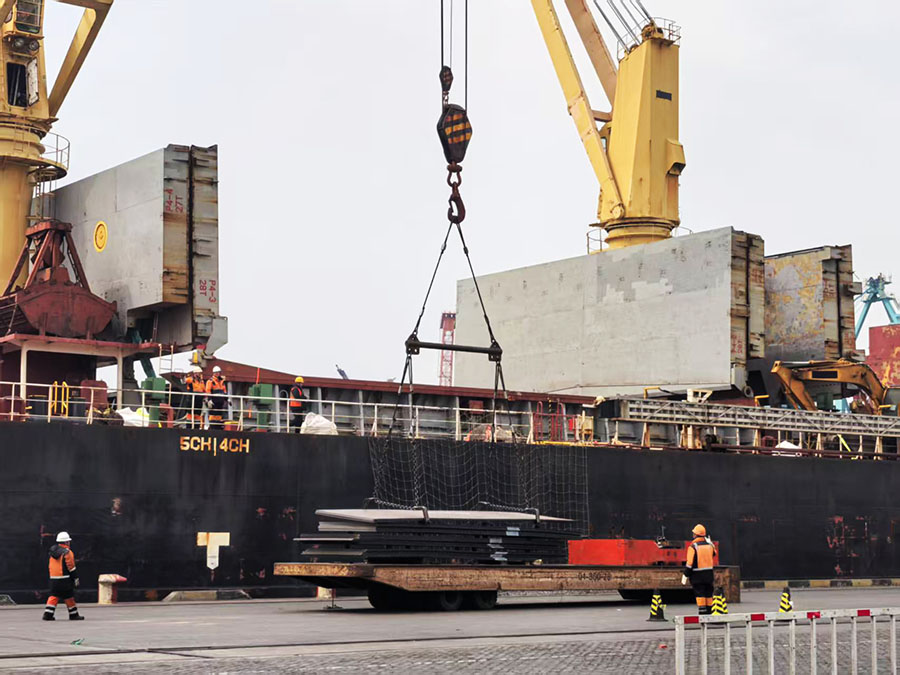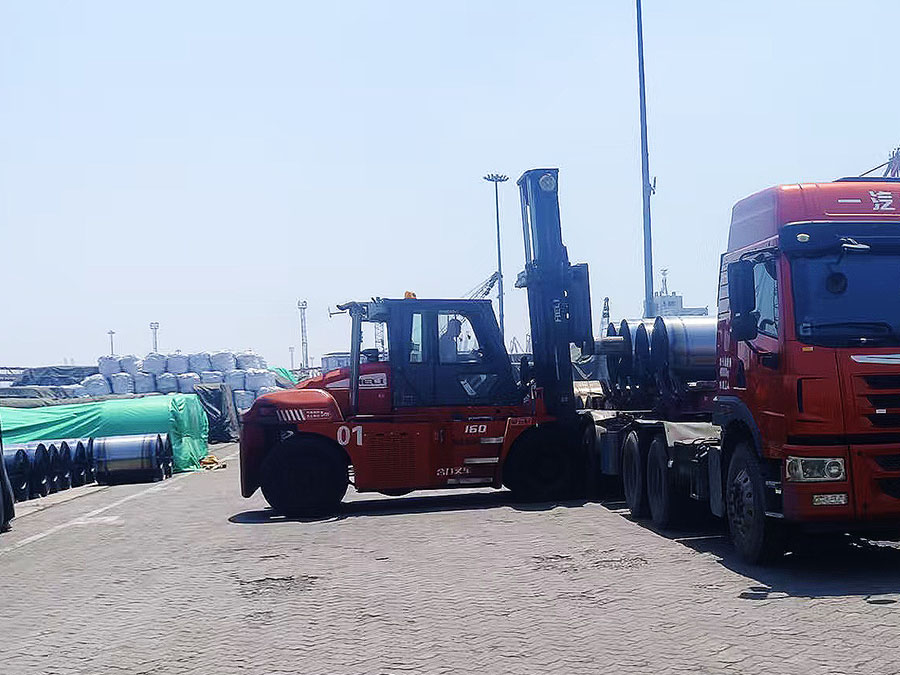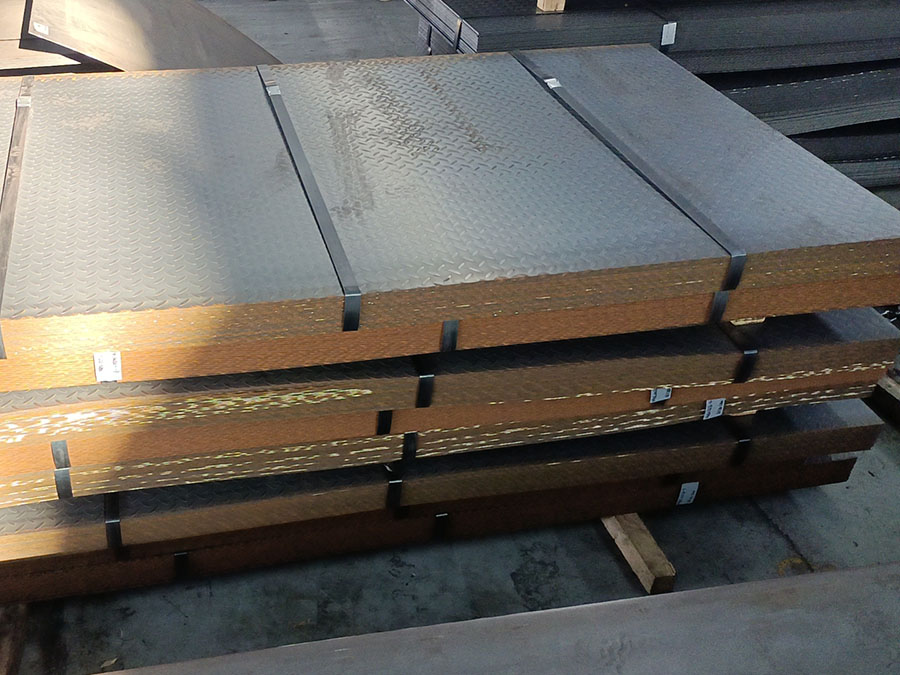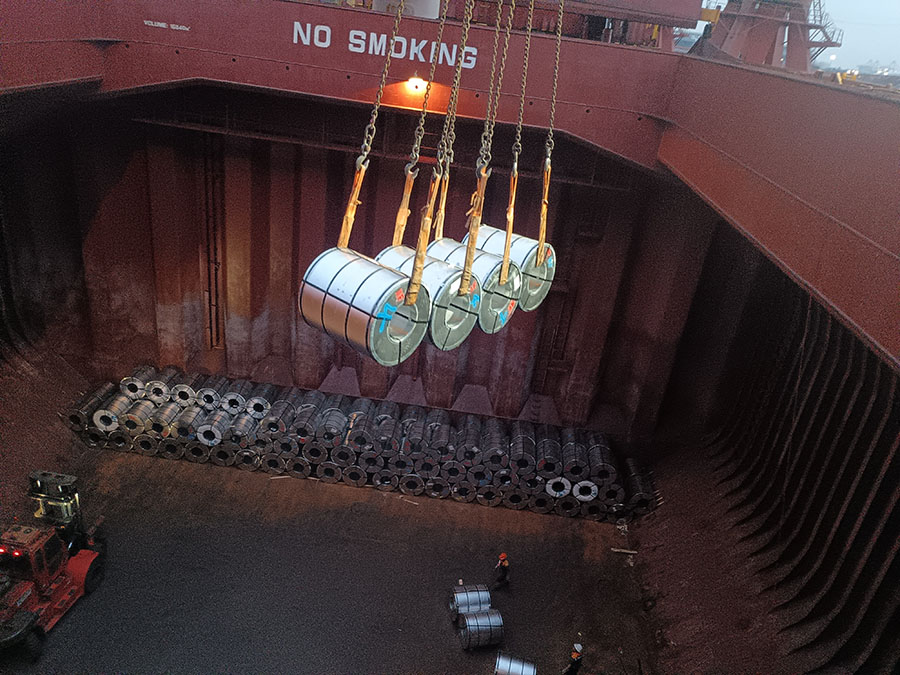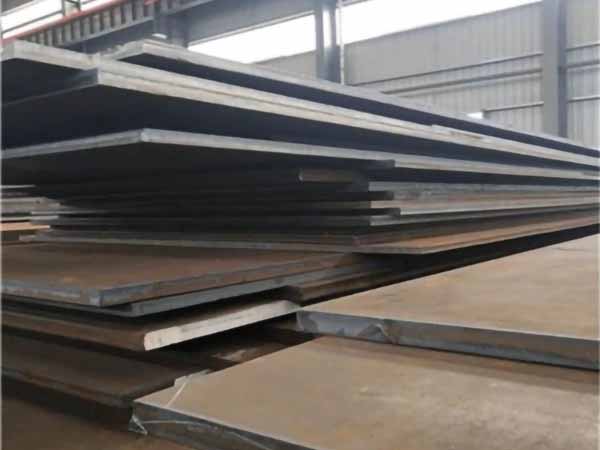
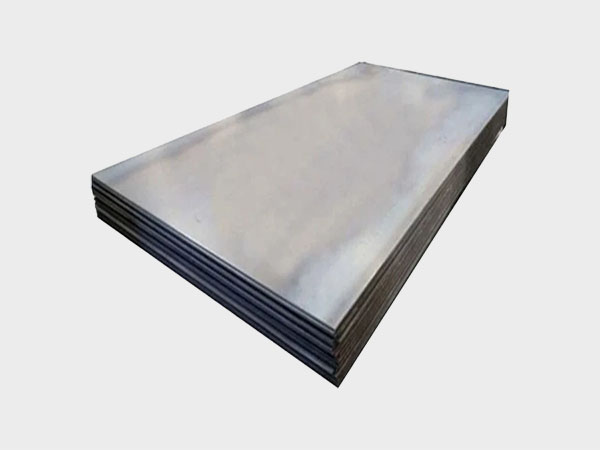
EN 10028-3 P275NL1 Boiler And Pressure Vessel Steel Plate is a steel plate specified by the European Standard (EN) for pressure vessels, characterized by excellent low-temperature toughness. It is primarily used in the manufacturing of pressure-bearing eq
Standard :
EN 10028-3Grade :
P275NL1Thickness :
6.0 - 300.0 mmWidth :
1,500 - 4,050 mmLength :
3,000 - 15,000 mmSpecial thickness, width, and length can be negotiated separately.
We also provide customized processing services.If you have any questions, please contact us.
EN 10028-3 P275NL1 is a normalized, fine-grained, non-alloy pressure vessel steel plate specified in the European standard EN 10028-3, designed specifically for the manufacture of industrial boiler systems, general-purpose pressure vessels, and cryogenic pressure equipment.
P275NL1 is a mainstream, cost-effective pressure vessel steel grade within the European Union standards system. It features stable mechanical properties, good weldability and formability, consistent low-temperature impact toughness, and excellent resistance to brittle fracture. It can withstand long-term alternating pressures, routine temperature fluctuations, and mild corrosion from industrial media, and is resistant to structural deformation, performance degradation, or crack defects during long-term service.
P275NL1 boiler and pressure vessel steel plates are widely used in boiler manufacturing, cryogenic pressure vessels, heat exchangers, and industrial storage tanks.
P: Pressure Vessel Steel
275: Minimum yield strength (ReH) ≥ 275 MPa (for plate thicknesses ≤ 16 mm)
N: Normalized delivery condition, fine grain steel
L1: Low-temperature toughness level 1 (≥ 27J at -40℃)
| Product Name | P275NL1 Boiler And Pressure Vessel Steel Plate |
|---|---|
| Standard | EN10028-3 (Flat products made of steels for pressure purposes - Part 3:Weldable fine grain steels, normalized) |
| Grade | P275NL1 |
| Steel Number | 1.0488 |
| Classification | Pressure Vessel Steel |
| Thickness | 6.0 - 300.0 mm |
| Width | 1,500.0 - 4,050.0 mm |
| Length | 3,000.0 - 15,000.0 mm |
| Delivery Conditions | Normalized (N) |
| MOQ | 20 tons (small orders can be negotiated). |
| Delivery Time | 15 - 20 days after order confirmation (urgent orders accepted). |
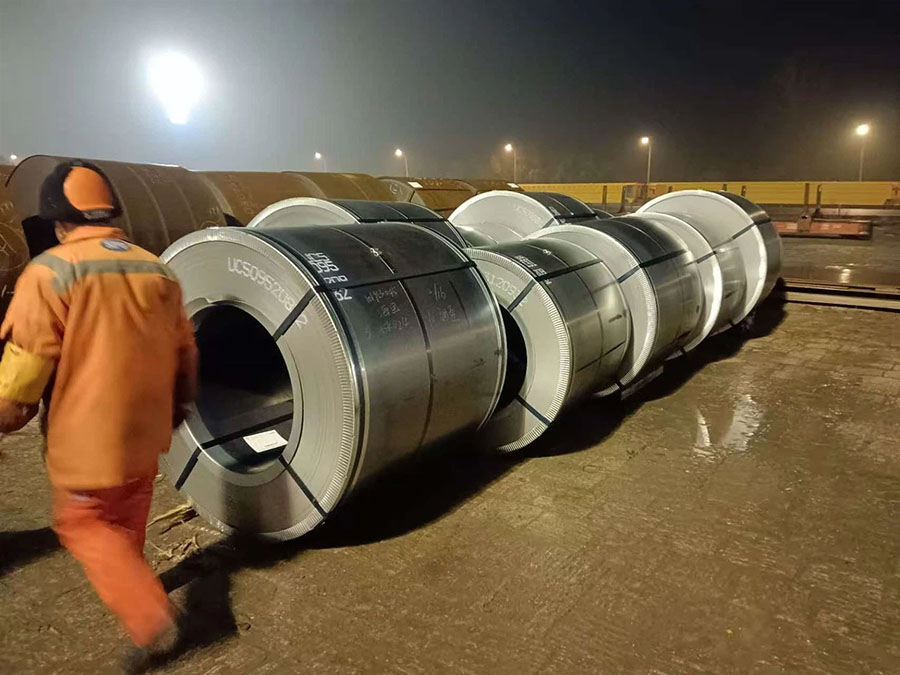
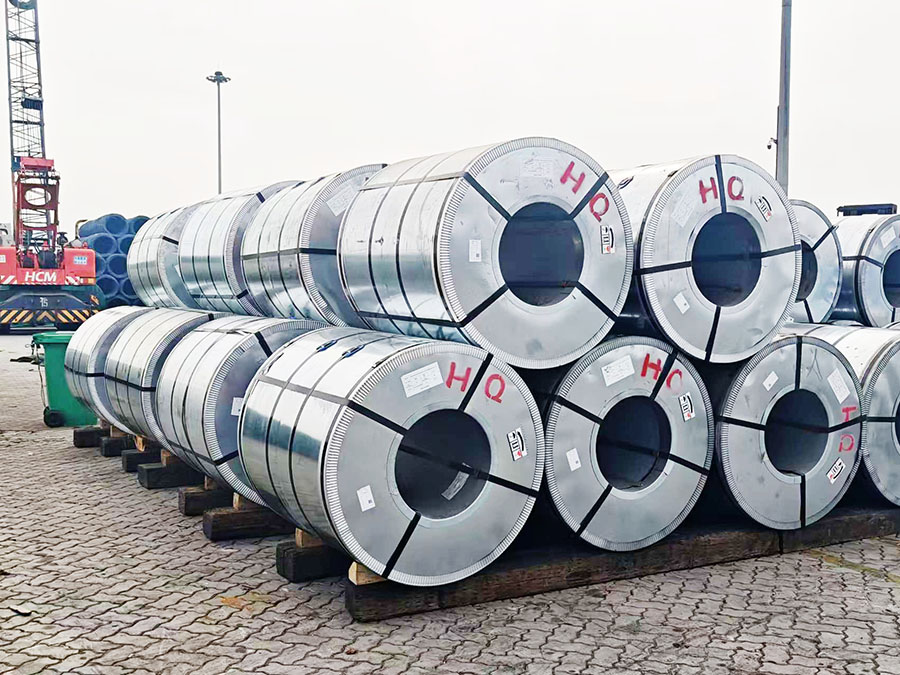
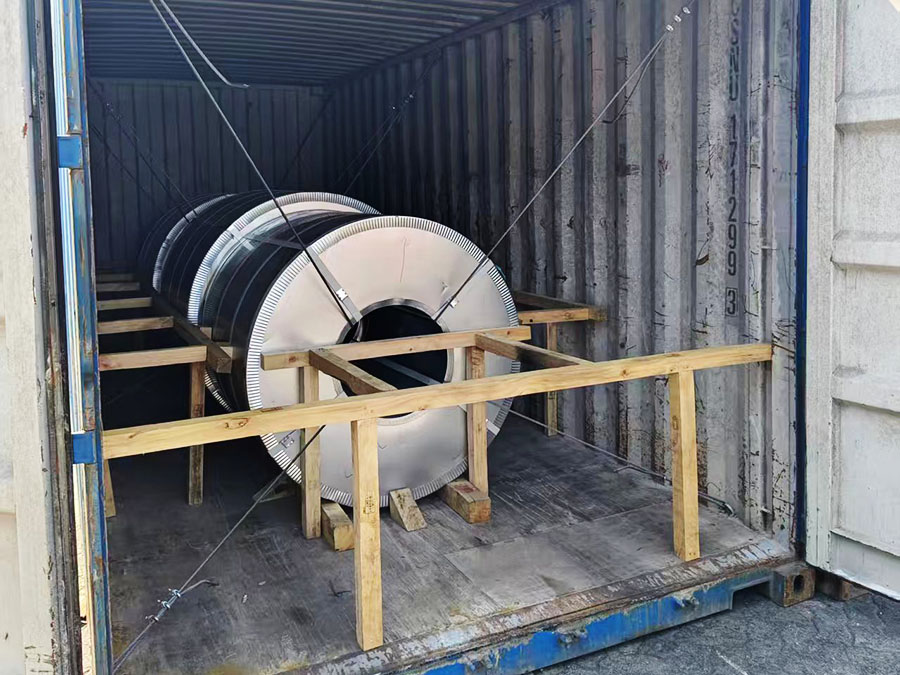
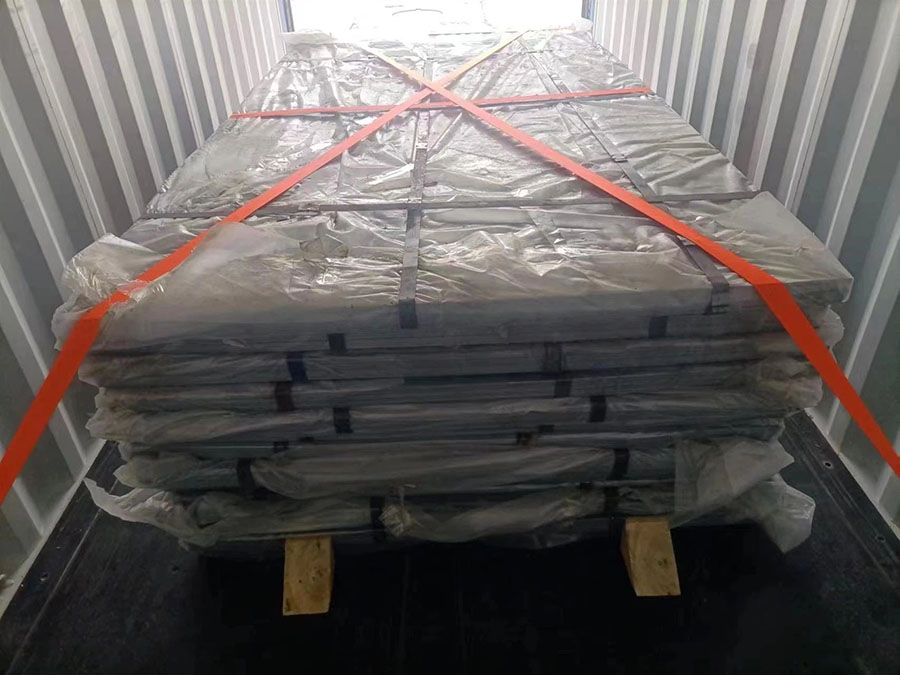
| Packaging | Standard export packaging for sea transport, or as required. |
| Country of origin | China |
| Element | C | Si | Mn | P | S | Al |
|---|---|---|---|---|---|---|
| Content(%) | ≤ 0.16 | ≤ 0.40 | 0.80 - 1.5 | ≤ 0.025 | ≤ 0.008 | ≥ 0.020 |
| Thickness (mm) | ≤ 60 | 60 < t ≤ 100 | 100 < t ≤ 250 |
|---|---|---|---|
| Typical CEV (wt %) | ≤ 0.40 | ≤ 0.40 | ≤ 0.42 |
| Grade | Yield Strength(MPa) | Tensile Strength(MPa) | Elongation (%) |
| P275NL2 | ≥ 275 | 410 - 560 | ≥ 22 |
| Impact Test Temperature | Impact Energy (KV2) | |
|---|---|---|
| Longitudinal | Transverse | |
| - 50 ℃ | ≥ 30 J | - |
| - 40 ℃ | ≥ 40 J | ≥ 27 J |
| - 20 ℃ | ≥ 50 J | ≥ 35 J |
| 0 ℃ | ≥ 70 J | ≥ 50 J |
| + 20 ℃ | ≥ 80 J | ≥ 60 J |
“L1” indicates that this steel grade is designed for low-temperature toughness. At -40°C, its transverse Charpy V-notch impact energy absorption meets the 27 J requirement, making it suitable for pressure vessels, storage tanks, and related equipment operating in low-temperature environments.
Yield strength varies with plate thickness, reaching up to 275 MPa for thin gauges; tensile strength typically ranges from 390 to 510 MPa and is adjusted accordingly with increasing thickness as specified by the standard. This strength level achieves a good balance between pressure-bearing capacity, structural safety, and material toughness.
This steel grade features a fine-grained design and achieves a uniform microstructure through normalizing or normalizing rolling. The fine-grained microstructure improves low-temperature toughness, giving the steel plate superior resistance to brittle fracture under the combined effects of low temperatures and pressure loads.
P275NL1 employs a low-carbon content and controlled alloying element system, with a maximum carbon content of 0.16%, which helps reduce the risk of cold cracking during welding and improves weldability during the manufacturing of pressure vessels.
Its mechanical properties are specified separately for different thickness ranges. For example, the yield strength gradually decreases from 275 MPa to 215 MPa as plate thickness increases, and the tensile strength range is adjusted accordingly. Therefore, pressure vessel designs can be based on clear design criteria specific to the actual plate thickness, rather than simply applying a uniform strength value.
Thanks to its low-temperature impact toughness, fine-grained microstructure, and good weldability, P275NL1 is suitable for pressure vessels, storage tanks, boilers, and related pressure equipment that require low-temperature safety. It is particularly well-suited for engineering applications that require a balance between pressure-bearing capacity and resistance to brittle fracture at low temperatures.
Storage tanks, reaction vessels, separators, pressure cylinders, etc., which withstand internal pressure and are suitable for cryogenic operating conditions.
Storage tanks for liquefied gases such as LPG, butane, and propane, which utilize the material’s excellent cryogenic impact toughness.
Chemical reactors, process vessels, gas-liquid separation equipment, etc., balancing strength, weldability, and low-temperature toughness.
Heat exchanger shells and pressure components, suitable for operating conditions involving fluctuations in pressure and temperature.
Boiler components, pressure vessels, and similar equipment used in pressure systems that comply with relevant design codes.
Storage containers for industrial gases and liquefied gases, suitable for pressure equipment requiring low-temperature toughness.
Pipes, fittings, and other components used in conjunction with pressure equipment must be selected in accordance with specific design codes and material certifications.
A:
The key differences between the two lie in their low-temperature impact properties and applicable standards:
P275NL1: Suitable for low-temperature operating conditions at -40°C;
P275NL2: Has stricter low-temperature toughness requirements; it must pass a -50°C impact test, offers a higher safety margin, and provides more stable low-temperature performance. It is suitable for harsh low-temperature environments and high-standard pressure equipment projects.
In addition, the production and inspection standards for P275NL2 are more stringent than those for the NL1 grade.
– We offer free samples and bespoke solutions. Please feel free to enquire about our latest prices and volume discounts.
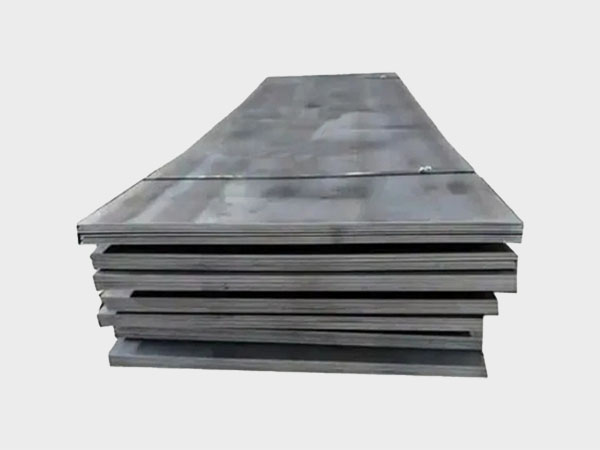
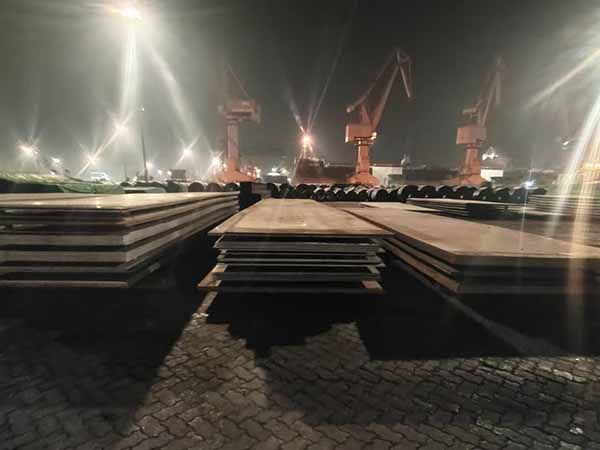
Yuxin Steel provides high-quality steel products to customers in more than 20 countries worldwide.
Contact Info
Would you like to know more about our offers? Please feel free to contact us.