Blog
Key Differences Between ABS Grade E and A/B/D Shipbuilding Plates: Low-Temperature Toughness
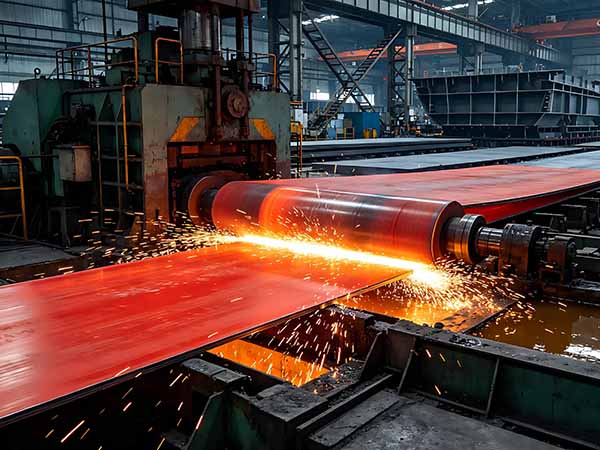
ABS Grade E shipbuilding steel plate is the highest quality grade within the standard-strength shipbuilding steel series (which includes Grades A, B, D and E). Its key advantages lie in its excellent low-temperature impact performance and stricter control over phosphorus and sulphur content, thereby reducing the risk of brittle fracture in cold environments.
- Tags:
- ABS Grade E
Welding Properties and Key Process Considerations for ABS Grade E Shipbuilding Steel Plates
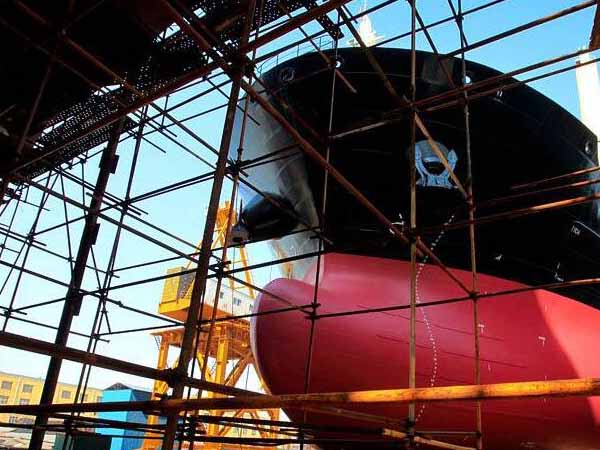
Summary of welding properties and key process considerations for ABS Grade E shipbuilding steel plates, covering advantages in weldability, key process considerations and prevention of common defects.
- Tags:
- ABS Grade E
Dimensional tolerances for ABS Grade D shipbuilding plates
The dimensional tolerances of ABS Grade D shipbuilding steel plates have a direct impact on assembly accuracy in shipbuilding and must strictly comply with ABS standards, including thickness tolerance, width tolerance, length tolerance, flatness tolerance.
- Tags:
- ABS Grade D
Welding Procedures and Precautions for ABS Grade D Marine Steel Plates
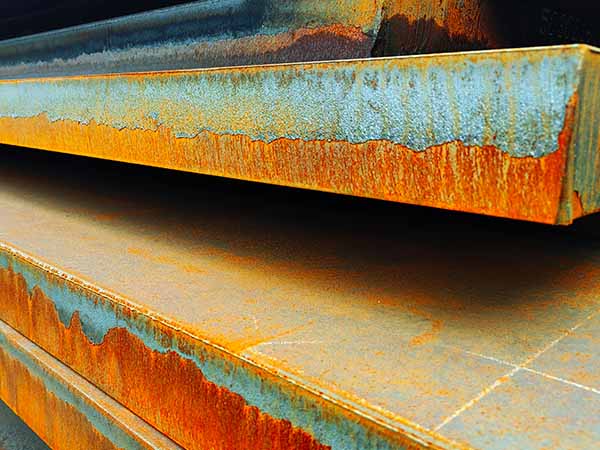
Welding is a core process in shipbuilding. As the primary material for ship hull structures, the welding quality of ABS Grade D marine steel plates directly affects the structural safety and service life of the vessel. This steel plate possesses specific chemical compositions and mechanical properties; welding processes must be adapted to these material characteristics to prevent defects such as cracks, lack of fusion and slag inclusions, and to ensure that the performance of the welded joint matches that of the base material. This article systematically introduces the applicable welding methods, process parameters, pre-treatment and post-welding treatment points for ABS Grade D marine steel plates. It also combines common welding defects with remedial measures to provide technical guidance for welding operations in shipbuilding.
- Tags:
- ABS Grade D
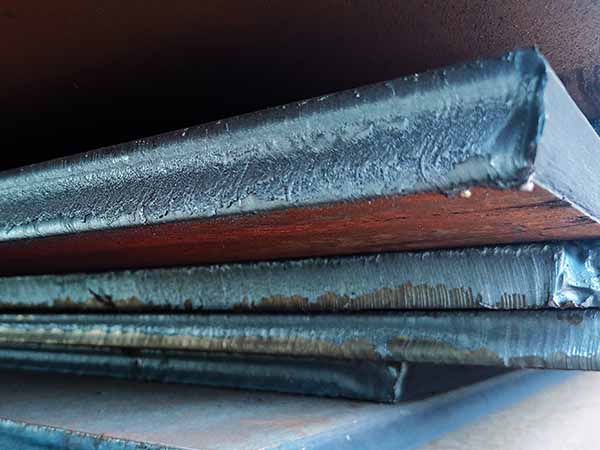
Production Process and Quality Control of ABS Grade D Marine Steel Plates
The production process of ABS Grade D marine steel plates directly determines their performance stability and quality reliability. As a key structural material in shipbuilding, the production process must strictly adhere to ABS specifications and relevant international standards. From raw material selection, smelting and rolling to heat treatment and inspection, every stage requires precise control to avoid issues such as compositional deviations, substandard performance and surface defects. This article systematically outlines the core production processes for ABS Grade D steel plates and breaks down the key quality control points at each stage, providing a technical reference for manufacturers and purchasers to ensure the material meets the stringent requirements of shipbuilding.
- Tags:
- ABS Grade D