
Blog
Detailed Analysis of the Chemical Composition and Mechanical Properties of ABS Grade D Marine Steel Plates
The performance advantages of ABS Grade D marine steel plates stem from precise control of chemical composition and stringent mechanical property requirements. As a key material for ship hull structures, its chemical composition determines its strength, toughness, weldability and corrosion resistance, whilst its mechanical properties ensure it can withstand complex operating conditions such as loads, low temperatures and impact during service. This paper analyses the chemical composition, mechanical property parameters and testing standards of this steel plate, providing a technical reference for material acceptance and performance evaluation.
- Tags:
- ABS Grade D
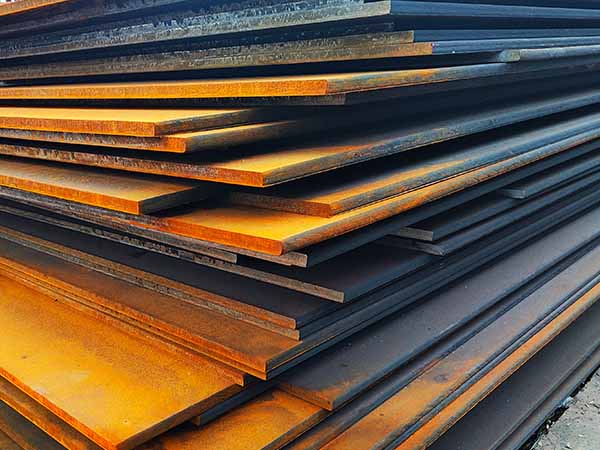
ABS Grade D Shipbuilding Steel Plate: Key Characteristics and Applications
ABS Grade D Shipbuilding Steel Plate is a general-strength hull structural steel certified by the American Bureau of Shipping (ABS), specifically designed for critical structural components of vessels operating in cold waters. Thanks to its excellent low-temperature impact toughness and comprehensive mechanical properties, this steel plate has become one of the mainstream materials of choice for the construction of ocean-going vessels and offshore support facilities. The following provides a systematic analysis from four perspectives: core material characteristics, mechanical properties, certification standards and applicable scenarios.
- Tags:
- ABS Grade D
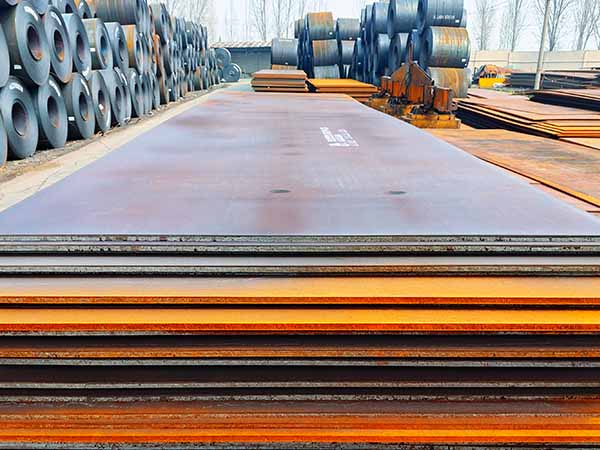
Heat treatment process and performance improvement of ABS Grade B shipbuilding steel plate
Heat treatment is a key method for optimising the properties of ABS Grade B shipbuilding steel plates. Through appropriate heat treatment, grain size can be refined, residual rolling stresses eliminated, and impact toughness and strength enhanced, thereby meeting the stringent requirements of shipbuilding.
- Tags:
- ABS Grade B
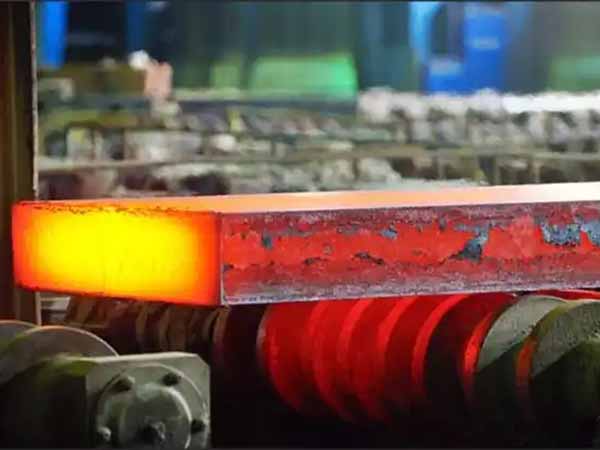
Comparison of ABS Grade B marine steel plates with equivalent-grade steel plates from BV, DNV and CCS
In shipbuilding, in addition to ABS Grade B marine steel plates certified by the American Bureau of Shipping (ABS), organisations such as Bureau Veritas (BV), Det Norske Veritas (DNV) and the China Classification Society (CCS) have also certified steel plates of the same grade. These steel plates are all classified as general-purpose shipbuilding steel plates, but there are subtle differences in their standard requirements, performance specifications and applications.
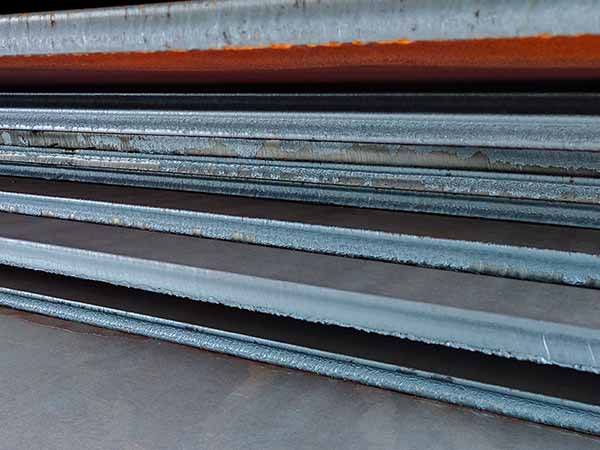
Corrosion Protection Technologies and Applications for ABS Grade B Marine Steel Plates
ABS Grade B marine steel plates, when in long-term service in a marine environment, face multiple risks including seawater corrosion, marine atmospheric corrosion and bio-corrosion. Corrosion can lead to a decline in the performance of the steel plates and structural damage, seriously affecting the service life and safety of the vessel. Therefore, the effective implementation of corrosion protection is a critical aspect of shipbuilding and maintenance. This article systematically introduces the principles, application methods and precautions of corrosion protection technology for ABS Grade B marine steel plates, providing comprehensive protection solutions for the shipping industry.
- Tags:
- ABS Grade B