Heat treatment process and performance improvement of ABS Gr...
- Apr 23, 2026

Knowledge
Primarily electrochemical in nature; the high salinity of seawater significantly accelerates the corrosion rate.
Oxidative corrosion triggered by salt and water vapour in the humid atmosphere.
Marine organisms attach to the steel plate surface, and their metabolic by-products accelerate the corrosion process.
As the mechanisms of these different corrosion types vary, targeted protection technologies must be employed.
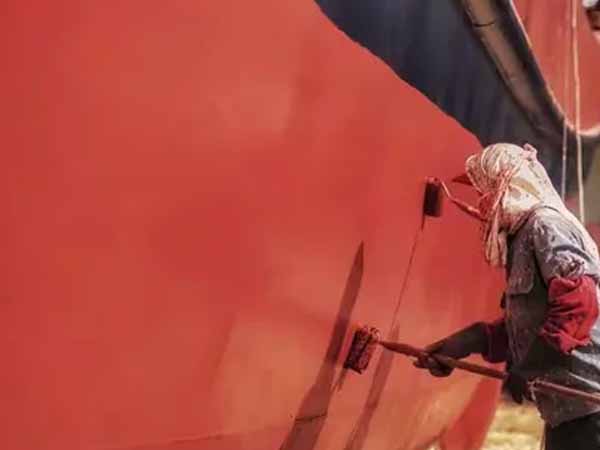
Coatings are the most widely used protective technology, typically comprising a three-layer structure consisting of a primer, intermediate coat and topcoat:
Primer: Primarily for rust prevention, using a zinc-rich epoxy primer. Zinc powder acts as a sacrificial anode to protect the steel substrate.
Intermediate Coat: Increases coating thickness and enhances protective performance. Epoxy micaceous iron oxide intermediate coats are commonly used to improve adhesion and abrasion resistance.
Topcoat: Combines decorative and anti-corrosion functions. Polyurethane or fluorocarbon topcoats are selected for their excellent weather resistance and seawater resistance.
Key Construction Points:
Surface Preparation: Prior to application, the steel plates must undergo shot blasting or sandblasting to remove scale, oil, rust, etc., ensuring a surface roughness of Sa2.5 grade to improve coating adhesion.
Thickness control: Primer 60–80 μm, intermediate coat 80–120 μm, topcoat 40–60 μm; total dry film thickness shall not be less than 200 μm.
Curing: Adequate curing must be carried out after application to prevent defects such as blistering, cracking and peeling.
Sacrificial Anode Method: Suitable for underwater sections of ships. Zinc or aluminium alloys are selected as sacrificial anodes, forming a galvanic cell with the steel plate to protect it.
Impressed Current Method: Suitable for large vessels or offshore platforms. An external power source is used to make the steel plate the cathode, thereby inhibiting corrosion.
Suitable for ship compartments such as oil tanks and water tanks. Rubber or fibreglass linings are used to isolate the steel plate from contact with seawater, thereby enhancing corrosion protection.
Regularly inspect and repair coatings, promptly replace failed sacrificial anodes, and periodically monitor the operational status of the impressed current cathodic protection system to ensure continuous and effective protection. This helps to extend the service life of ABS Grade B steel plates and reduce vessel maintenance costs.
Customers choose to engage in long-term cooperation with Yuxin Steel not only because of our high-quality products and services, as well as our strong reputation in the international market, but also due to our experienced one-stop raw material supply and further steel processing capabilities!