Key Differences Between ABS Grade E and A/B/D Shipbuilding P...
- Apr 25, 2026

Knowledge
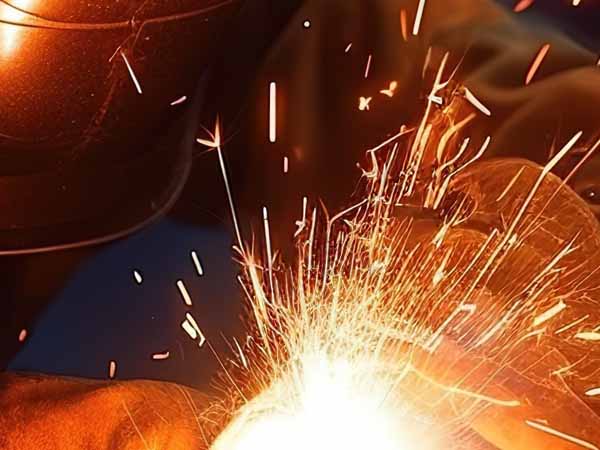
ABS Grade E is a low-carbon, low-alloy fine-grained steel with good weldability, but it is relatively sensitive to low-temperature toughness. To mitigate the risk of cold cracking and embrittlement, welding procedures must be strictly controlled.
Use E70 series low-hydrogen electrodes or compatible submerged arc welding wires to ensure the weld’s impact toughness at -40°C is ≥27 J.
Thickness ≤25 mm: Room temperature to 50°C
25–50 mm: 80–120°C
≥50 mm: 120–150°C (to prevent cold cracks)
Control at ≤200°C to prevent grain coarsening in the HAZ.
For thick plates or high-stress joints, hydrogen removal treatment at 200–250°C is recommended to reduce the risk of delayed cracking.
| Defect Type | Preventive Measures |
|---|---|
| Cold Crack | Preheating + Low-hydrogen electrode + Hydrogen removal treatment |
| Embrittlement | Control heat input at 15–30 kJ/cm, avoid overheating |
| Lamellar Tear | Use Z-direction steel (e.g., Z25/Z35) for thick plates, optimize joint design |
Customers choose to engage in long-term cooperation with Yuxin Steel not only because of our high-quality products and services, as well as our strong reputation in the international market, but also due to our experienced one-stop raw material supply and further steel processing capabilities!