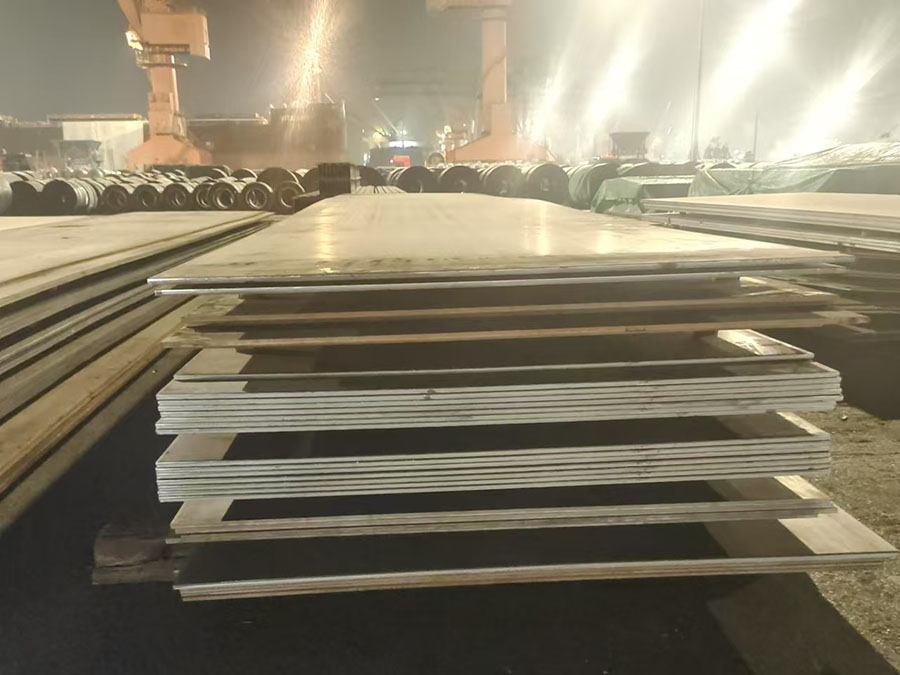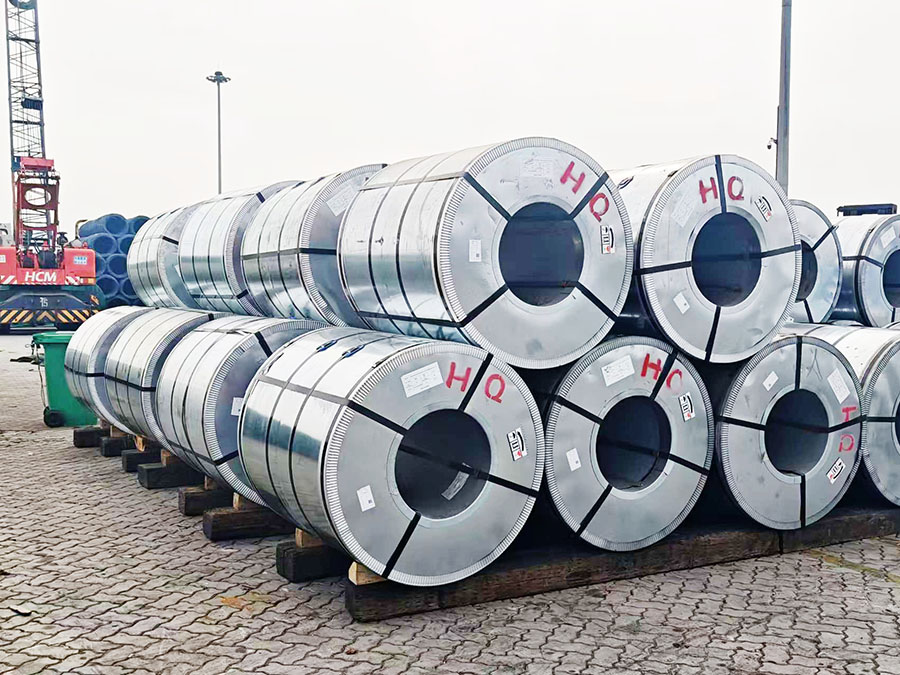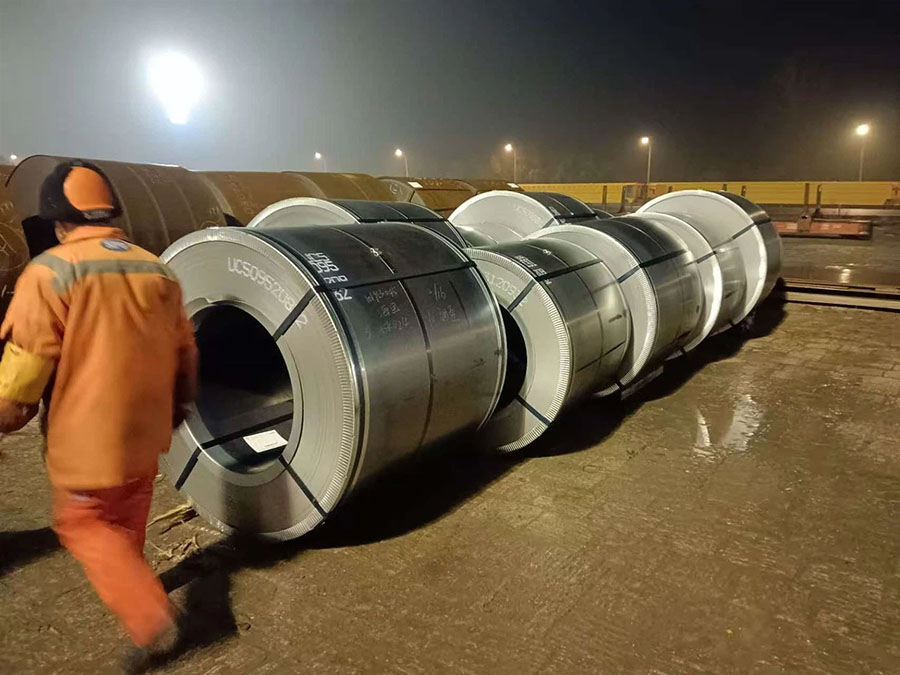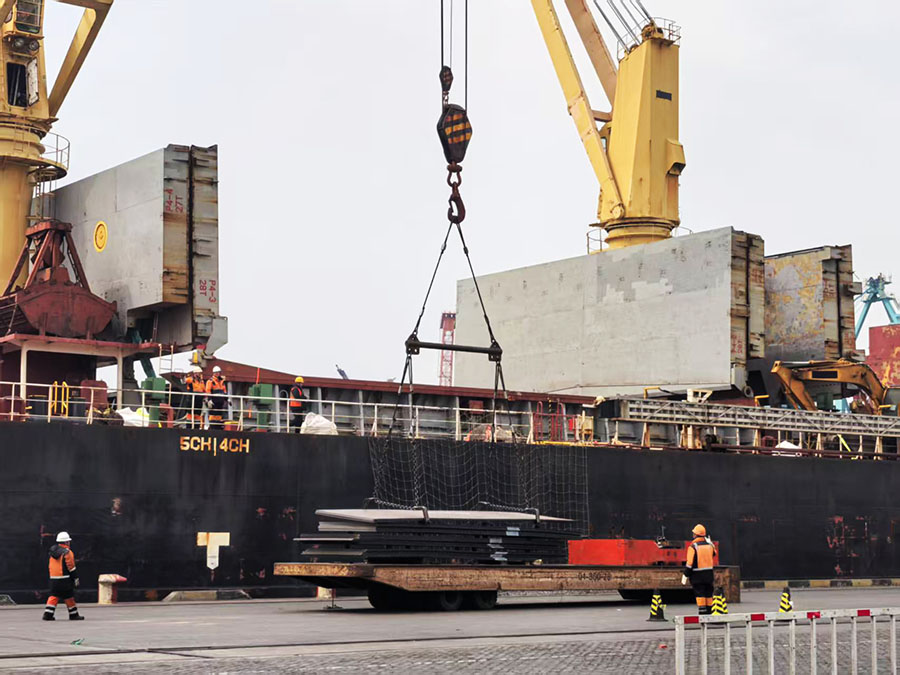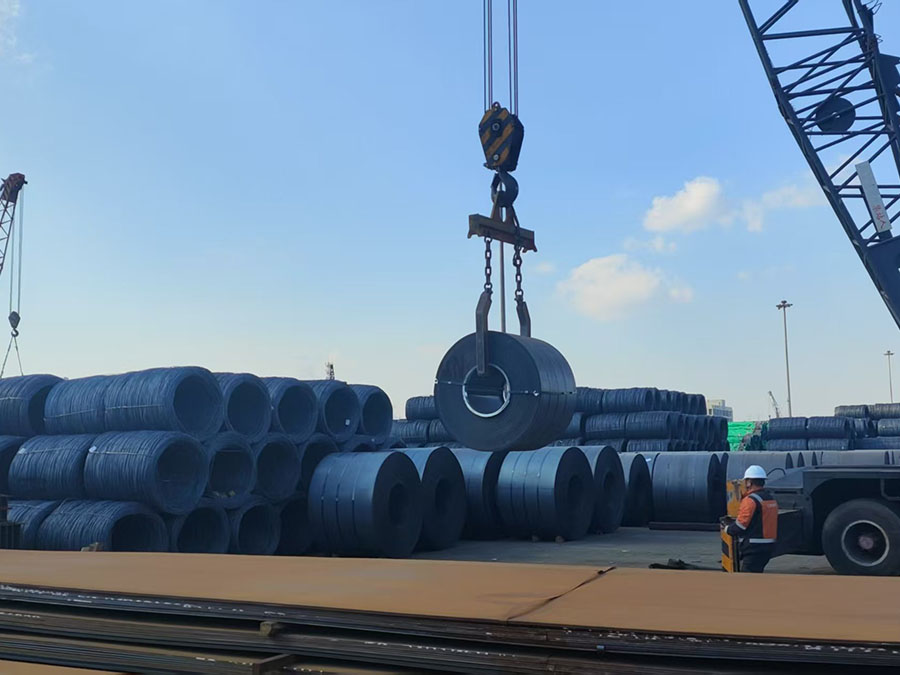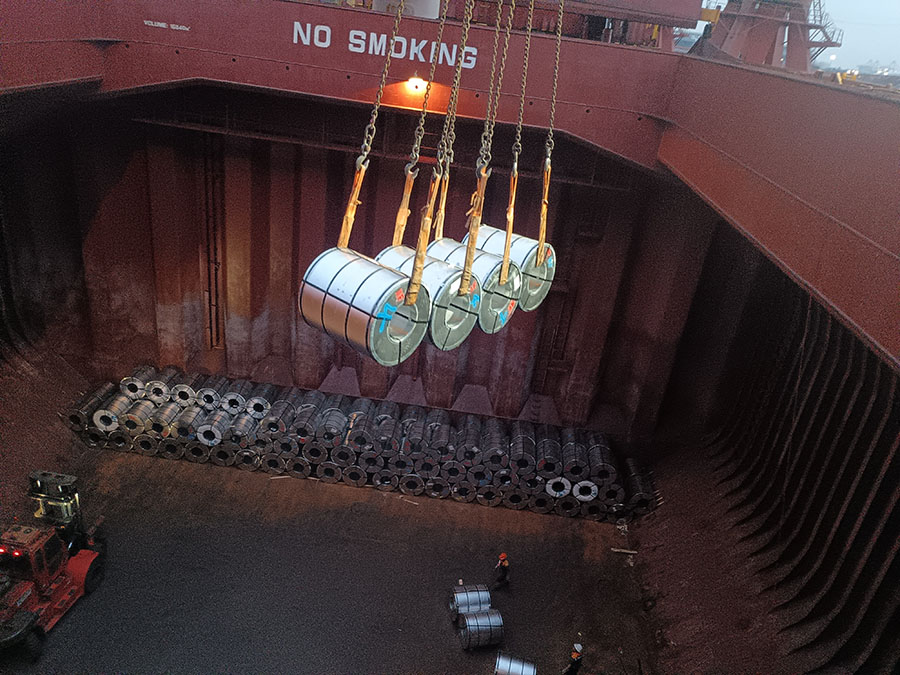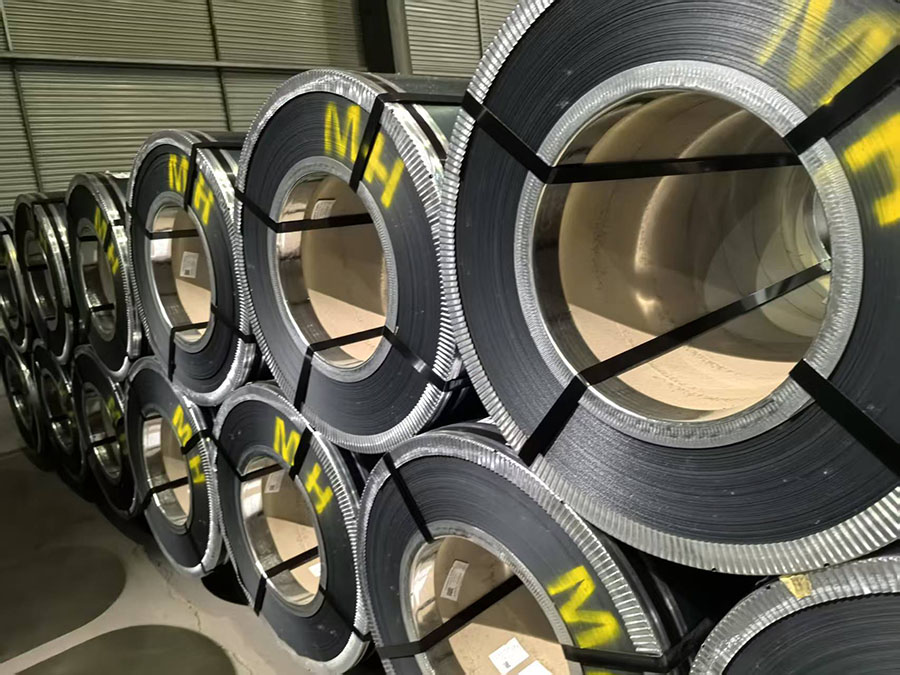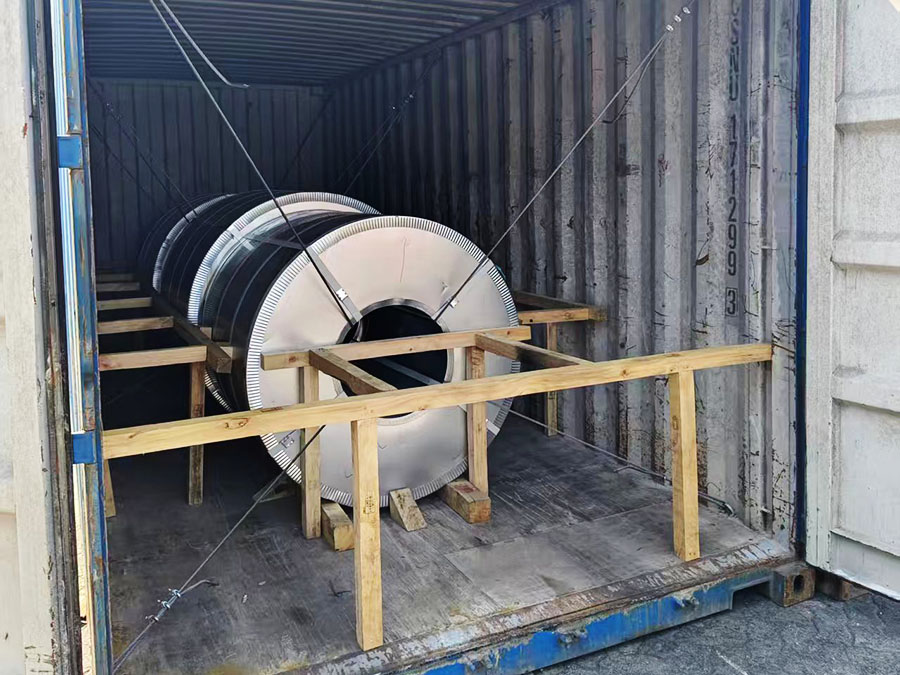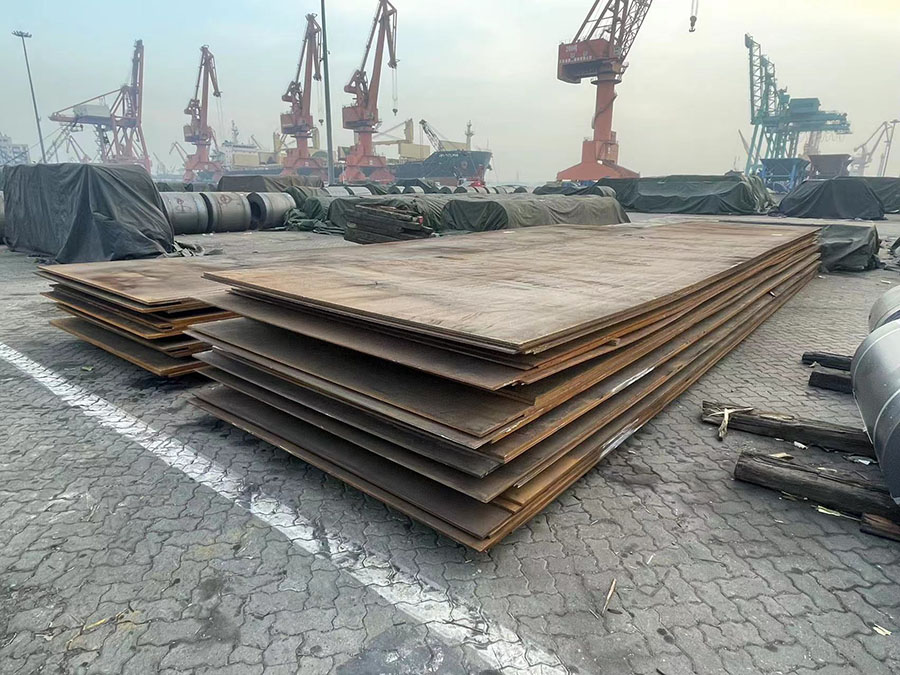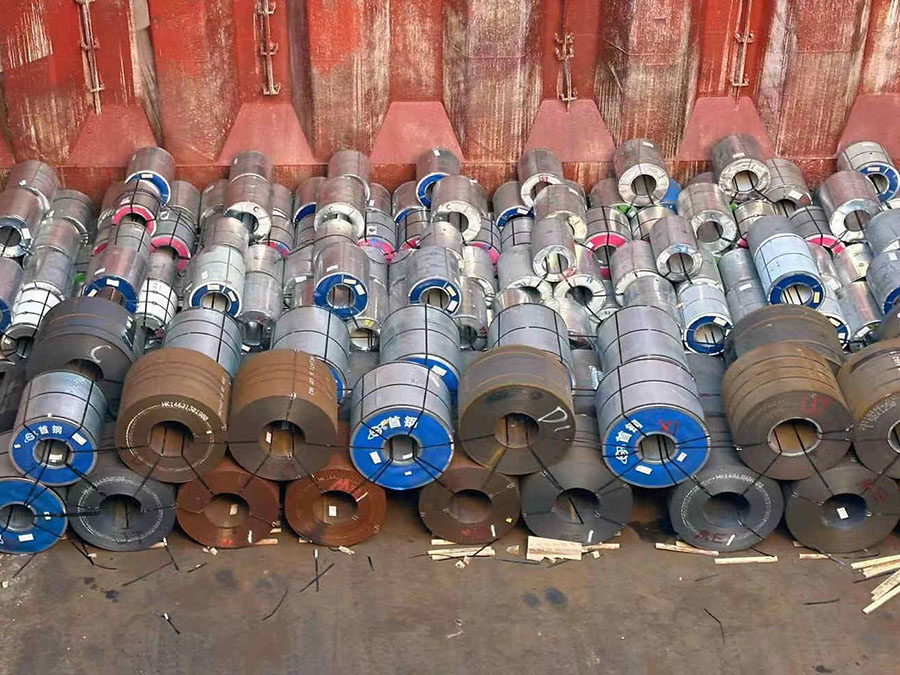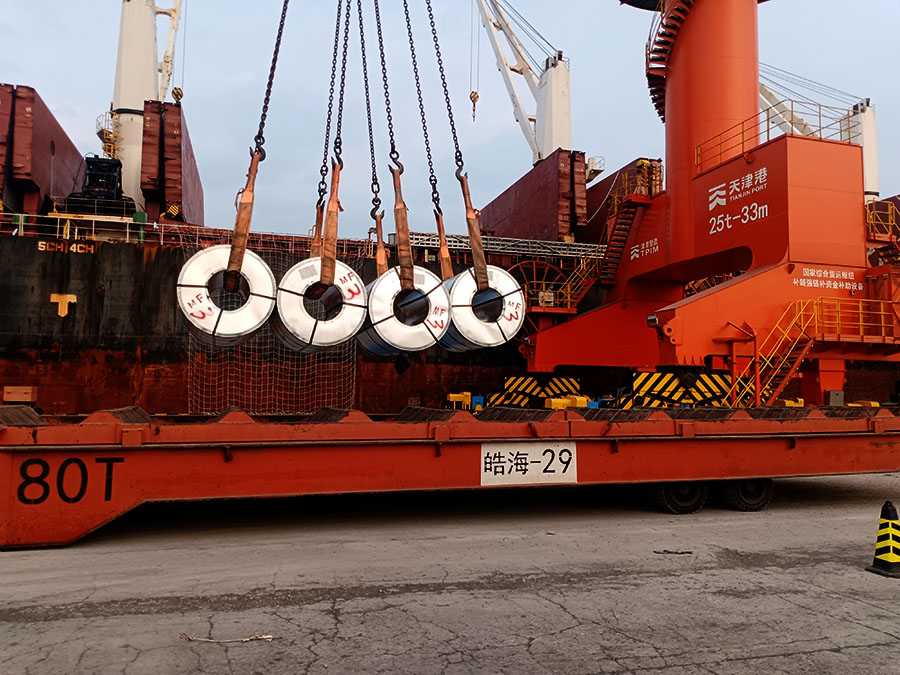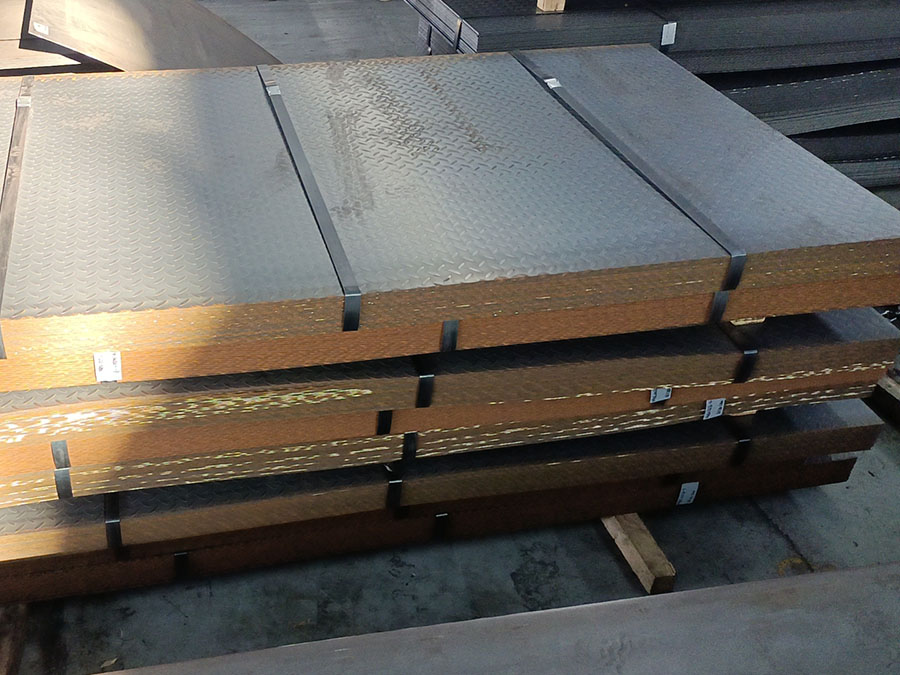
ASME SA588 Grade B (SA588GRB) is a high-strength low-alloy weathering steel (corten steel) standard from the American Society of Mechanical Engineers (ASME). Its core advantages include excellent atmospheric corrosion resistance, good weldability, and mechanical properties. It is widely used in outdoor structural components such as bridges, buildings, and towers, enabling long-term service without the need for complex anti-corrosion treatments.
Standard :
ASME SA588/SA588MGrade :
SA588 Grade B (SA588GRB)Thickness :
6.0 - 200.0 mmWidth :
1500.0 - 4050.0 mmLength :
3000.0 - 15000.0 mmSpecial thickness, width, and length can be negotiated separately.
We also provide customized processing services.If you have any questions, please contact us.
ASME SA588 Grade B (SA588GRB) is a high-performance structural steel plate that integrates high strength, excellent weathering resistance, and unique aesthetic value. It is an ideal choice for modern "maintenance-free" or "low-maintenance" steel structure designs, particularly in bridges and buildings. While ensuring structural safety, it significantly reduces lifecycle maintenance costs.
| Grade | SA588 Grade B (SA588GRB) |
|---|---|
| Standard | ASME SA588/SA588M: High-strength low-alloy structural steel plate, sheet, and strip with atmospheric corrosion resistance |
| Delivery Conditions | Hot Rolled (HR), Normalized (N), Thermo-Mechanical Control Process (TMCP). |
| Core Features | Excellent atmospheric corrosion resistance (4 - 6 times higher than ordinary carbon steel). |
| Weldability | Good weldability, use low hydrogen welding processes and matching welding materials (such as the AWS E7018 series) to prevent weld cracking and maintain corrosion resistance in the weld area. |
| Machinability | It can be processed by conventional methods such as flame cutting, plasma cutting, cold bending, and drilling. Cold work formability is good. |
| Quality Control | Provide the material certificate. If required, Charpy V-notch impact test, and Z-direction property test (Grades Z15/Z25/Z35) can be added. |
| Application Scenarios | Bridges, building structures, towers, containers, outdoor mechanical components (requiring atmospheric corrosion resistance without the need for painting). |
1. High Strength:
Minimum yield strength of 50 ksi (345 MPa) and minimum tensile strength of 70 ksi (485 MPa).
Under the same load conditions, compared to ordinary A36 steel (yield strength of 36 ksi), it allows for the use of less material, enabling lighter and more streamlined structural designs.
2. Excellent Weathering Resistance:
In rural, urban, and most industrial atmospheric environments, its corrosion resistance is 4 to 6 times that of ordinary carbon steel (such as A36).
This makes it highly suitable for painting-free structural applications, reducing long-term maintenance costs (no need for repeated painting) while offering a unique and aesthetically pleasing appearance.
3. Good Weldability and Workability:
It exhibits excellent weldability and can be processed using most common welding methods. However, attention must be paid to using matching welding materials and appropriate welding techniques to maintain the corrosion resistance of the welded areas.
| Grade | SA588 Grade B (SA588GRB) | ||||||||||
|---|---|---|---|---|---|---|---|---|---|---|---|
| Element | C | Si | Mn | P | S | Ni | Cr | Cu | V | Mo | Nb |
| Content (max, %) | 0.20 | 0.15 - 0.50 | 0.80 - 1.25 | 0.040 | 0.050 | 0.50 | 0.40 - 0.65 | 0.25 - 0.40 | 0.01 - 0.10 | - | - |
Carbon Equivalent: CEV ≤ 0.47%
Calculate using the International Institute of Welding (IIW) formula: CEV = C + Mn/6 + (Cr+Mo+V)/5 + (Ni+Cu)/15
| Grade | Thickness (t) [mm] | Tensile Strength [min, MPa] | Yield Point [min, MPa] | Elongation in 200mm [min, %] | Elongation in 50mm [min, %] |
|---|---|---|---|---|---|
| SA588 Grade B (SA588GRB) | t ≤ 100 | 485 | 345 | 18 | 21 |
| 100 < t ≤ 125 | 460 | 315 | - | 21 | |
| 125 < t ≤ 200 | 435 | 290 | - | 21 |
Due to its high strength and excellent corrosion resistance, SA588 Grade B (SA588GRB) Weathering Steel Plate (Corten Steel Plate) is widely used in:
1. Bridge Structures: Box girders, trusses, bridge piers, pedestrian overpasses, etc., particularly for landscape bridges that aim for maintenance-free or low-maintenance solutions.
2. Building Structures: Exposed building frames, roof structures, building facades, decorative elements, etc. Its distinctive rust-colored appearance is highly favored by architects.
3. Transmission Towers and Steel Structures: Reduces maintenance requirements in highly corrosive environments.
4. Heavy Equipment and Machinery: Chemical equipment, port machinery, construction machinery, etc., where high strength and certain weather resistance are required.
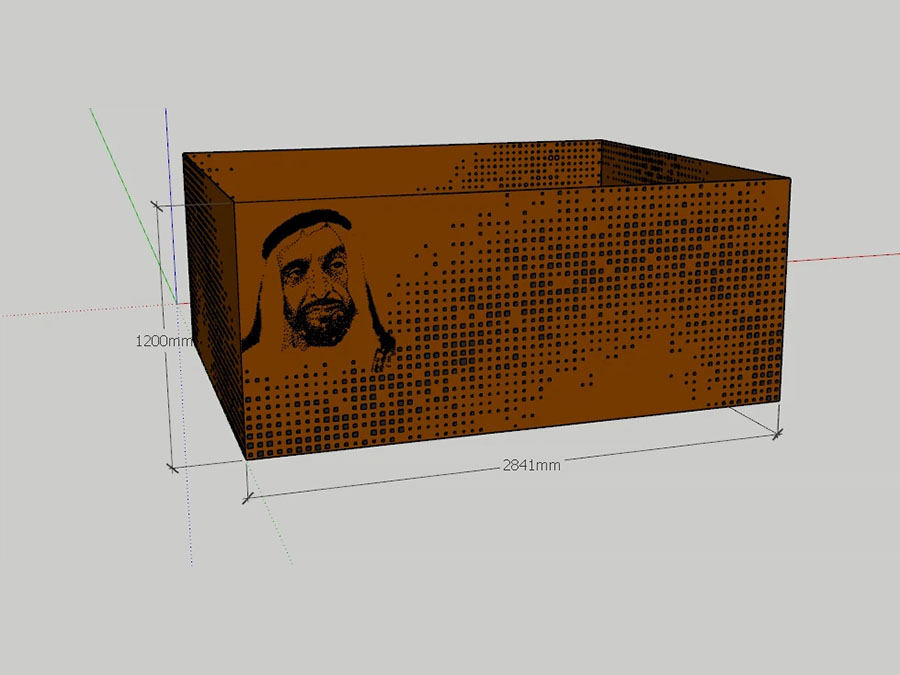
5. Landscape Design: Outdoor art and sculptures, etc., utilizing the unique rust color to create aesthetic effects.
6. Others: Storage tanks, exhaust systems, marine facilities (additional anti-corrosion treatment required).
1. Initial run-off rust: Before the rust layer stabilizes (typically requiring several wet-dry cycles, approximately 1-3 years), liquid containing rust may run off the steel surface, potentially staining surrounding walls, pavements, etc. Drainage or protective measures should be considered during design.
2. Unsuitable for specific environments: In persistently humid, high-salt (e.g., the spray zone of coastlines), or heavily chemically polluted environments, its weathering advantages may be significantly reduced, and protective coating may even be necessary.
3. Welding process: Low-hydrogen welding processes and compatible welding materials (such as the AWS E7018 series) must be used to prevent weld cracking and maintain the corrosion resistance of the welded area.
| Feature | Grade A | Grade B | Grade C | Grade K |
|---|---|---|---|---|
| Core Features | Cost-effective weathering steel | Vanadium/Niobium micro-alloyed | Easy welding | High toughness, easy welding |
| Carbon Content | ≤0.19% | ≤0.20% | ≤0.15% | ≤0.17% |
| Key Elements | No V/Nb requirement | Contains V, (Nb) | Low C, Contains V, (Nb) | Low C, contains Mo and Nb |
| Strength Level | ≥345 MPa | ≥345 MPa | ≥345 MPa | ≥345 MPa |
| Toughness | Moderate | Good | Good | Excellent (especially at low temperatures) |
| Weldability | Good | Good | Excellent (low or no preheat required) | Excellent (low or no preheat required) |
| Main Applications | General weathering structures | Common bridges or buildings | Large bridges or buildings | Low-temperature, seismic, critical structures |
| Cost | Low | Medium | Medium | High |
* Approximate correspondence, verification with specific technical requirements is necessary.
| Standard | Grade | Difference Description |
|---|---|---|
| GB/T 4171 (China) | Q355NH | Corrosion resistance and mechanical properties are similar; Q355NH has a slightly lower carbon equivalent, offering better weldability. |
| EN 10025-5 (Europe) | S355J2W | Weathering grade corresponds; S355J2W has an impact test temperature of -20°C, consistent with SA588 Grade B. |
| JIS G 3114 (Japan) | SM490AW | Mechanical properties match; SM490AW has slightly lower corrosion-resistant element content, suitable for mild corrosive environments. |
| ASTM A588/A588M (USA) | A588 Grade B | Fully equivalent to ASME SA588 Grade B (ASME standard originates from ASTM, applicable for pressure equipment scenarios). |
A:
Inland, dry environments: 50+ years (maintenance-free); industrial/suburban environments: 30–50 years; coastal areas with low salt spray: 15–25 years (additional corrosion protection required in areas with high salt spray).
A:
Use with caution. In environments with high salt spray levels or high chloride ion concentrations, the rust layer on standard weathering steel is easily penetrated, accelerating corrosion and potentially leading to pitting or perforation.
A:
It has good welding properties and can be welded using conventional processes such as manual arc welding and gas shielded arc welding.
A:
In normal atmospheric conditions (urban or rural), painting is not required; a stable passivation layer will form after 6–18 months of exposure, providing a corrosion resistance lifespan of 80–100 years.
High-humidity / highly corrosive environments (coastal areas, industrial acid rain, salt spray zones): It is recommended to apply a thin coat of weathering primer initially or to carry out regular maintenance to prevent the early loss of the rust layer.
Concealed / damp, poorly ventilated areas: Waterproofing and anti-corrosion coating must be applied to prevent localised rusting from worsening.
A:
The rate at which the oxidation layer forms depends on climatic conditions. In outdoor environments with significant fluctuations between dry and wet conditions, it typically takes between six months and two years for a stable, dark brown protective layer to form. During the initial stage, rust streaks may form, so care should be taken to protect the surrounding building surfaces.
– We offer free samples and bespoke solutions. Please feel free to enquire about our latest prices and volume discounts.
Yuxin Steel provides high-quality steel products to customers in more than 20 countries worldwide.
Contact Info
Would you like to know more about our offers? Please feel free to contact us.