Knowledge
The Application Value of LR DH36 Shipbuilding Steel Plates in Offshore Engineering Equipment
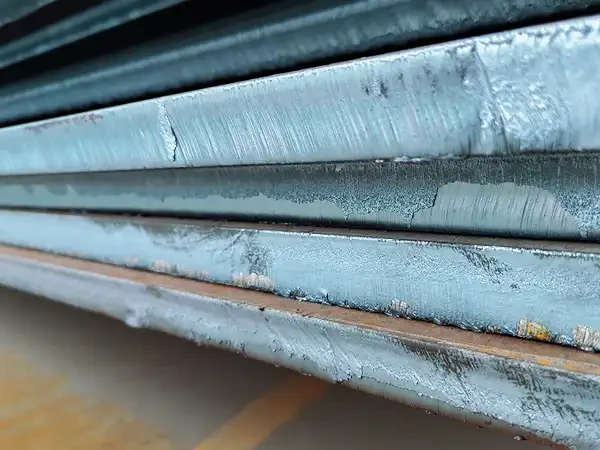
As the development of marine resources moves toward deeper waters and larger-scale operations, offshore engineering equipment is constantly exposed to harsh conditions such as wave impact, low temperatures, corrosive media, and cyclic loads, placing higher demands on structural steel. Thanks to its comprehensive performance characteristics, LR DH36 shipbuilding steel plate offers significant value for application in the offshore engineering sector.
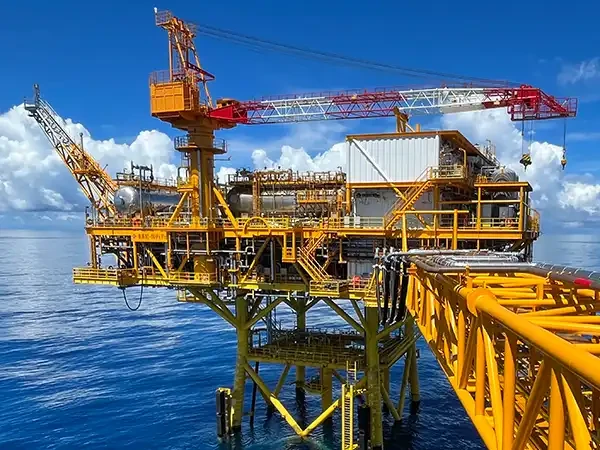
Analysis of the Core Technical Advantages of LR Grade DH32 Marine Steel
Marine engineering projects operating in cold-temperate and seasonally ice-covered waters must balance moderate strength, low-temperature toughness, constructability, and cost-effectiveness. With its impact toughness at -20°C, balanced strength-to-ductility ratio, excellent weldability, and LR certification, LR Grade DH32 has become a structurally superior material offering outstanding value for money in cold-temperate shipbuilding and engineering projects along seasonally ice-covered coasts.

Technical Specifications for LR DH32 Shipbuilding Steel Plates
LR DH32 is a low-temperature-resistant, high-strength marine structural steel certified by Lloyd’s Register (LR). It belongs to the Grade 32 series of high-strength marine steels and is specifically designed for cold-temperate marine environments with seasonal low temperatures. This steel grade offers stable low-temperature toughness at -20°C, balanced structural strength, excellent weldability, and strict dimensional accuracy. It is widely used in ocean-going vessels, coastal engineering vessels, and offshore auxiliary structures in cold regions, providing a cost-effective material solution for medium- to heavy-duty low-temperature marine engineering projects.
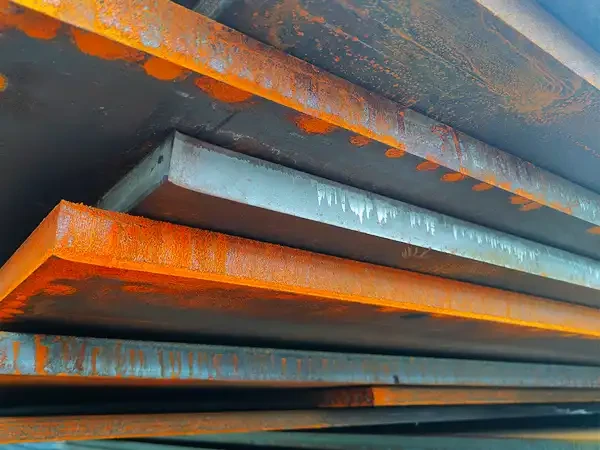
Cost-Effectiveness of LR DH32 Shipbuilding Steel Plates in Low-Temperature Offshore Engineering
When procuring materials for offshore engineering projects in cold-temperate and seasonally frozen regions, it is necessary to comprehensively balance low-temperature safety, construction efficiency, and full life-cycle costs. Compared to the standard-temperature AH32 and ultra-low-temperature EH32 grades, LR DH32 offers outstanding value for money in typical cold-region offshore applications, effectively balancing low-temperature service safety, structural performance, and overall project costs.
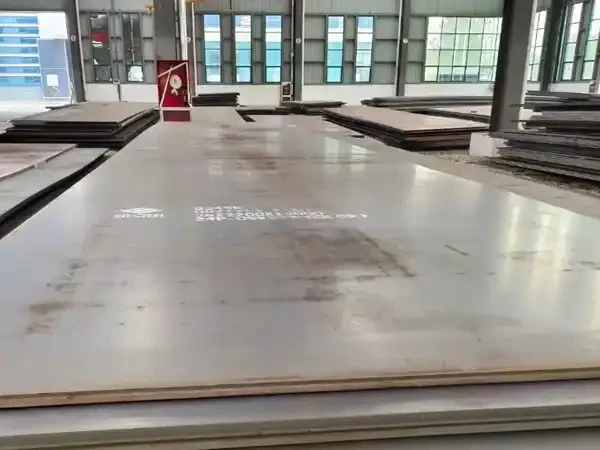
Differences Between LR Grades AH36, DH36, and EH36
The basic strength parameters for the three grades—LR Grade AH36, DH36, and EH36—are consistent, but there are distinct gradations in low-temperature impact toughness, production process control, steel purity, and adaptability to extreme environments.