Knowledge
Differences Between LR Grades AH36, DH36, and EH36
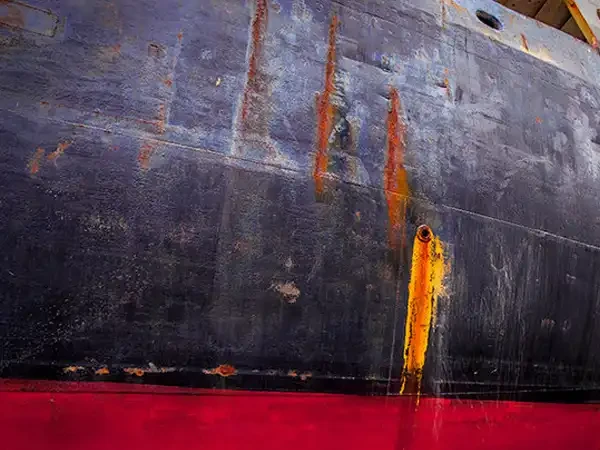
The basic strength parameters for the three grades—LR Grade AH36, DH36, and EH36—are consistent, but there are distinct gradations in low-temperature impact toughness, production process control, steel purity, and adaptability to extreme environments.
Applications of LR AH36 Shipbuilding Steel Plates in Offshore Engineering
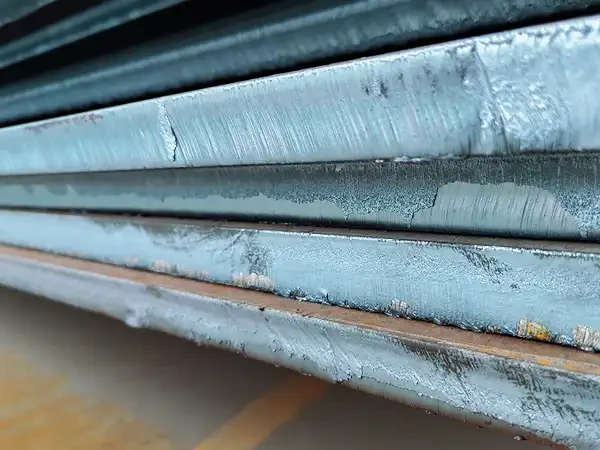
LR AH36 shipbuilding steel plates combine high strength, stable structural performance, and excellent weldability, and have become one of the preferred high-strength structural steels for large-scale shipbuilding and heavy offshore engineering projects worldwide. The product is widely used in critical load-bearing structures such as ultra-large ocean-going vessels, heavy-duty engineering vessels, and conventional offshore platforms, striking a good balance between structural adaptability and cost-effectiveness.
Corrosion Resistance Mechanisms and Maintenance Strategies for LR Grade AH36 Marine Steel
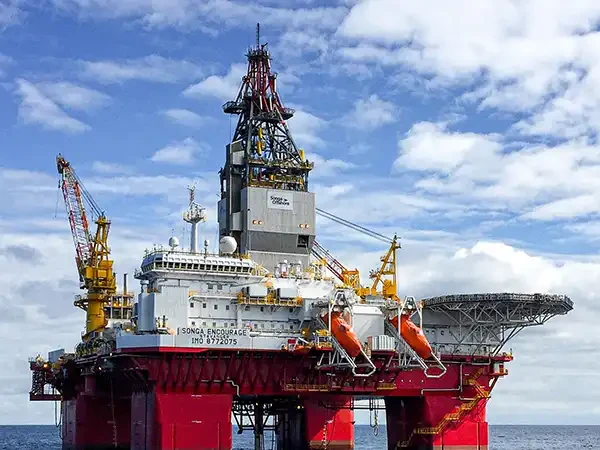
Prolonged exposure to seawater, high salt fog corrosion, and seasonal temperature fluctuations pose significant risks of corrosion and fatigue aging to marine structural steel. LR Grade AH36 shipbuilding steel plates enhance their inherent corrosion resistance and fatigue performance through optimized alloy composition and refined microstructure. Combined with factory-applied anti-corrosion pretreatment, multi-layer coating protection, and standardized full-lifecycle maintenance, these plates can achieve long-term, stable service under heavy loads in typical marine environments.