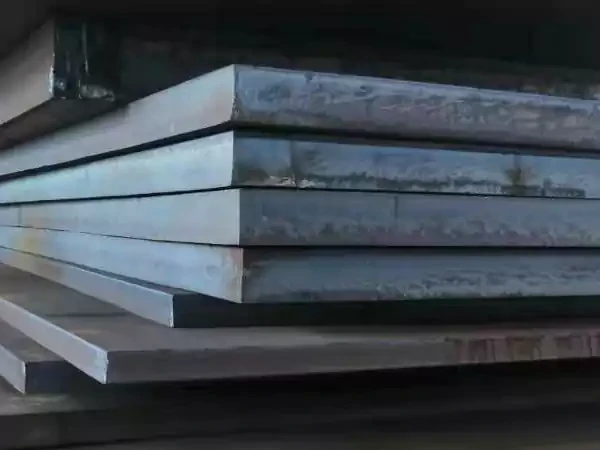
S690QL Material Properties
- Oct 15, 2026

Knowledge
LR Grade AH36 marine steel features an ultra-low-impurity design and an optimized high-manganese alloy ratio, with strictly controlled sulfur and phosphorus content to reduce the risk of intergranular corrosion and pitting corrosion.
Its uniform, refined ferritic-pearlitic microstructure helps form a more dense and stable passivation oxide film in seawater and salt spray environments compared to ordinary steels, effectively isolating corrosive media and suppressing electrochemical corrosion.
At the same time, the refined grain size enhances fatigue resistance under alternating marine loads, slowing the propagation of fatigue cracks and structural failure caused by heavy wave impacts.
Under heavy-duty marine service conditions, LR Grade AH36 steel structures primarily face four typical failure modes:
a) Uniform corrosion caused by long-term immersion in seawater;
b) Corrosion in coastal atmospheres with high salt fog;
c) Corrosion caused by alternating wet and dry cycles in the intertidal zone;
d) Crack initiation and propagation under heavy fatigue loads.
The long-term combined effects of corrosion and alternating loads can cause microscopic structural defects to gradually expand, becoming the primary hidden hazards leading to structural aging and failure. Timely inspection and maintenance targeting the aforementioned failure modes are central to full-lifecycle structural protection.
Prior to shipment, LR Grade AH36 shipbuilding steel plates must undergo specialized, enhanced anti-corrosion pretreatment:
a) High-pressure precision shot blasting to remove surface scale, rust layers, and residual stresses, thereby enhancing coating adhesion and durability;
b) Uniform application of a high-adhesion marine epoxy anti-corrosion primer to ensure stable protective performance in heavy-duty marine environments, effectively resisting initial salt spray and seawater corrosion, and laying the foundation for long-term corrosion protection.
For LR Grade AH36 heavy-duty ship hulls and coastal structures, a three-layer, high-strength marine anti-corrosion coating system is recommended:
a) High-adhesion epoxy anti-corrosion primer;
b) Thickened marine intermediate anti-corrosion paint;
c) Weather-resistant anti-fouling topcoat.
This system is suitable for high-salt-fog, heavy-duty marine environments and offers excellent adhesion, weather resistance, impact resistance, and antifouling properties, effectively slowing corrosion and erosion caused by marine organism fouling. Compared to uncoated steel plates, the service life of AH36 heavy-duty structures is extended by more than 55% after coating.
During long-term, heavy-duty service, LR Grade AH36 structures require enhanced periodic inspection and maintenance:
a) Monthly inspections: Focus on the intertidal zone, surfaces exposed to salt spray, and high-stress, high-wear areas; promptly repair coating peeling and localized corrosion spots;
b) Annual Comprehensive Inspections: Conduct structural fatigue assessments and non-destructive testing (UT/MT) to screen for subtle fatigue cracks and internal defects;
c) Routine Maintenance: Periodically remove surface marine fouling and salt deposits to reduce corrosion triggers.
These measures ensure the long-term structural stability and operational safety of heavy-load marine facilities.
Customers choose to engage in long-term cooperation with Yuxin Steel not only because of our high-quality products and services, as well as our strong reputation in the international market, but also due to our experienced one-stop raw material supply and further steel processing capabilities!