Knowledge
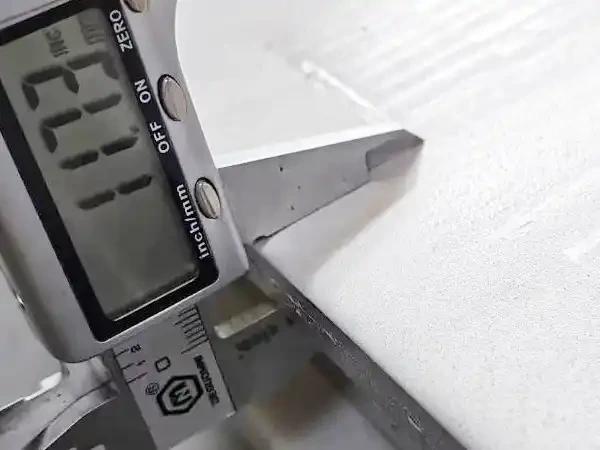
Comparison of the Properties of BV Grade A, Grade B, Grade D, and Grade E Marine Steels
The BV ordinary-strength marine steel series comprises four core grades: A, B, D, and E. These four grades share the same basic strength parameters but exhibit distinct gradations in terms of low-temperature impact toughness, impurity control levels, process control precision, and environmental adaptability.

Equivalent Materials to BV Grade A Marine Structural Steel Plates
BV Grade A is a general-strength shipbuilding structural steel certified by Bureau Veritas (BV) and falls under the category of general-strength shipbuilding steel as defined by the International Association of Classification Societies (IACS) Unified Technical Specifications. General-strength shipbuilding steels of corresponding grades from each member classification society are essentially identical in terms of chemical composition and mechanical properties; the main difference lies solely in the classification society’s certification mark.
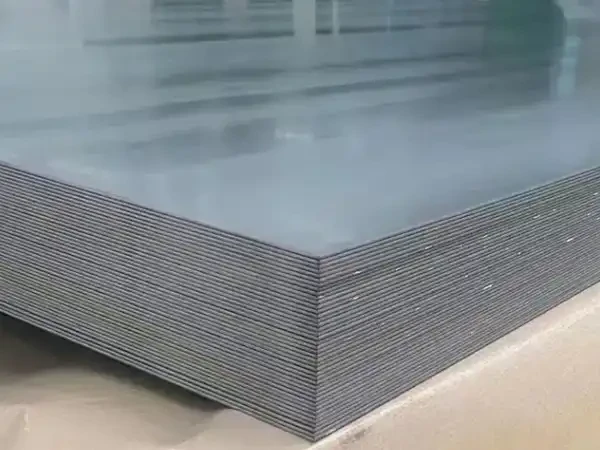
Applications and Advantages of LR EH36 Marine Steel for Cryogenic, High-Load Offshore Engineering
With its low-temperature toughness at -40°C, high tensile strength of 355 MPa, excellent low-temperature weldability and fatigue resistance, as well as authoritative certification from LR, LR EH36 marine steel has become the core structural material for large, high-load vessels operating in polar and subpolar extreme cold regions, as well as for deep-sea heavy-duty engineering projects. The following outlines its specific application areas and structural advantages.

Characteristics of LR Grade EH36 Marine Steel
LR EH36 is a high-strength, cryogenic marine structural steel certified by Lloyd’s Register, specifically designed for large polar vessels and offshore engineering projects in ice-covered waters. The following provides a systematic overview of its technical characteristics, covering chemical composition, mechanical properties, microstructure, delivery conditions, welding and fabrication processes, corrosion resistance, and typical applications.
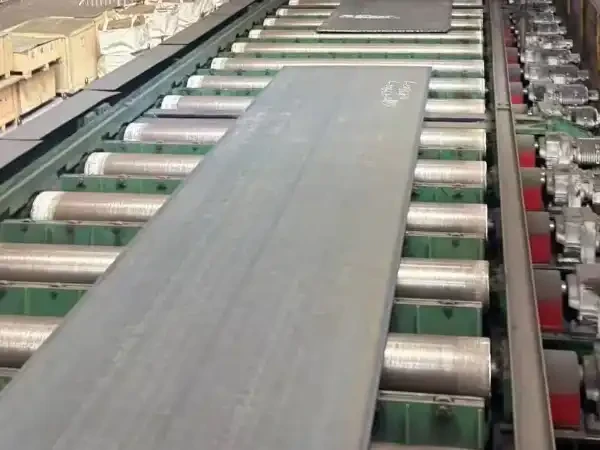
LR EH36 Shipbuilding Steel Plate Specifications and Dimensions
We supply LR EH36 shipbuilding steel plates in a full range of specifications and sizes. All products are sourced from high-quality domestic steel mills approved by LR. Each batch of steel plates is traceable by production furnace number and comes with a Mill Test Certificate (MTC) for ship registration, hull inspection, and third-party certification inspections.