Knowledge
Storage, Transport and Inventory Management of CCS Grade B Shipbuilding Steel Plates
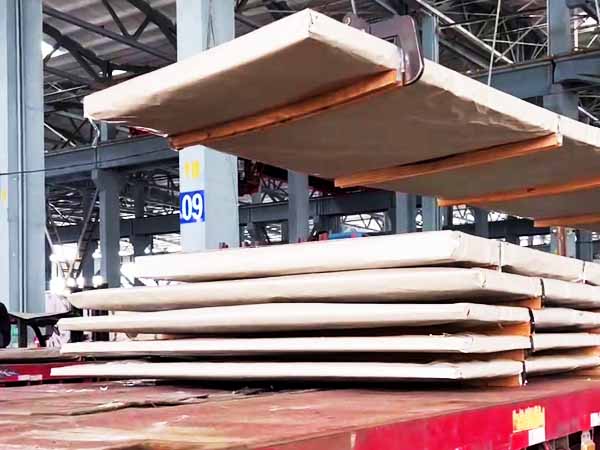
Improper storage and transport may cause surface rust, deformation and stress damage to CCS Grade B shipbuilding steel plates, thereby reducing their workability and potentially rendering them unfit for acceptance by the shipyard. Therefore, implementing scientific and standardised inventory management is crucial to maintaining the inherent properties of marine steel.
- Tags:
- CCS Grade B
Optimisation of the Corrosion Resistance and Surface Anti-Corrosion Treatment of CCS Grade B Shipbuilding Steel Plates
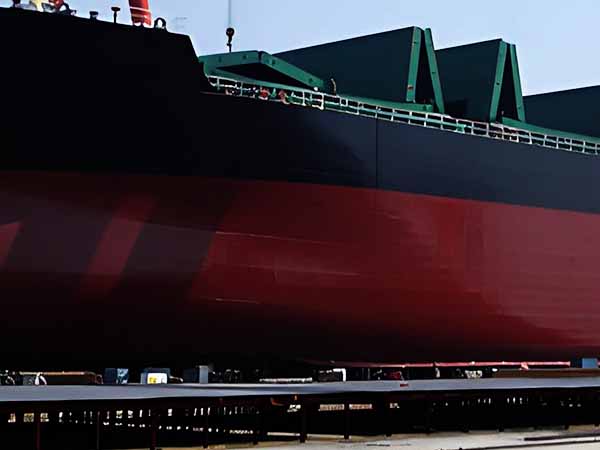
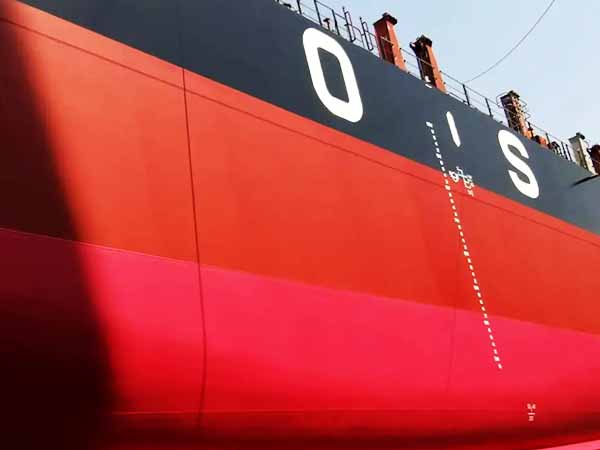
Marine salt spray, seawater erosion and microbial corrosion are the primary factors causing corrosion of ship hull steel. Like standard carbon steel used in shipbuilding, CCS Grade B steel does not possess inherent corrosion resistance; standardised surface treatment and anti-corrosion coating techniques are therefore essential to extend its service life.
- Tags:
- CCS Grade B
Key Applications of CCS Grade B Shipbuilding Steel Plates: Hull Structures and Offshore Engineering
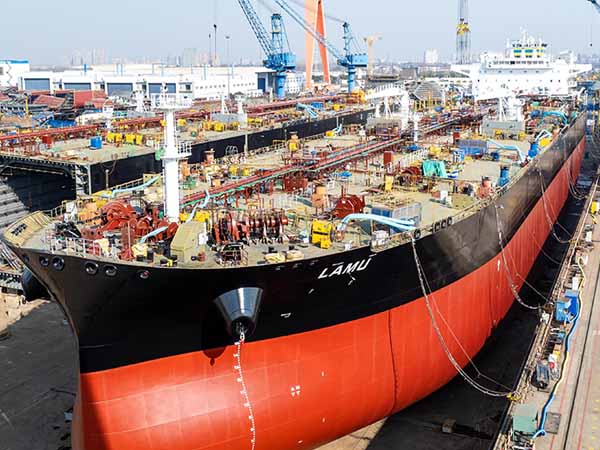
Although CCS B shipbuilding steel plates are not commonly used in areas of shipbuilding that require high-strength steel, they are a general-purpose material in the shipbuilding and offshore engineering sectors. We have summarised the typical applications of CCS B shipbuilding steel plates in hull structures and offshore engineering for your reference.
- Tags:
- CCS Grade B
Weldability of CCS Grade B Shipbuilding Steel Plates
CCS Grade B shipbuilding steel plates are highly suited to the requirements of shipyards thanks to their excellent weldability. Standardised welding procedures and construction management can effectively reduce defect rates and extend the service life of the hull structure. It is recommended that shipbuilders develop tailored welding plans based on plate thickness and the operating conditions of the waters in which the vessel will be deployed, in order to maximise the material’s engineering value.
- Tags:
- CCS Grade B
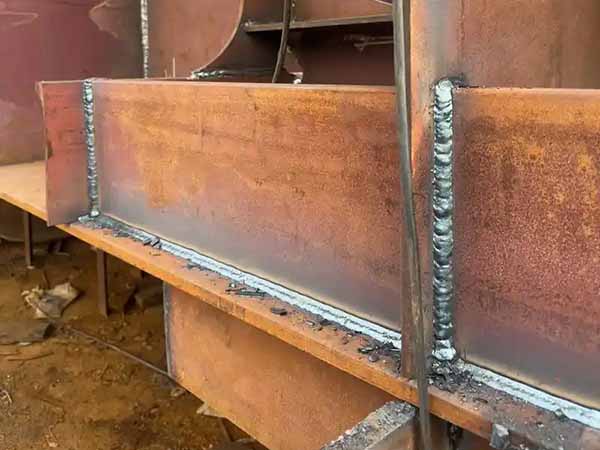
Corrosion Resistance of CCS Grade A Shipbuilding Steel Plates in Marine Environments and Coating Solutions
CCS Grade A is a normal-strength structural steel plate for ship hulls. It possesses only moderate resistance to seawater corrosion, with a corrosion rate significantly higher than that of weathering steel and high-strength marine steel plates. Consequently, in marine environments, this steel grade must rely on a combined protective system comprising coatings and cathodic protection to ensure long-term, reliable service. This paper analyses the corrosion resistance of CCS Grade A shipbuilding steel plates in marine environments and systematically reviews the corresponding coating protection solutions.
- Tags:
- CCS Grade A