Knowledge
Main Applications of CCS Grade AH36 Shipbuilding Steel Plates in the Shipbuilding and Offshore Engineering Industries
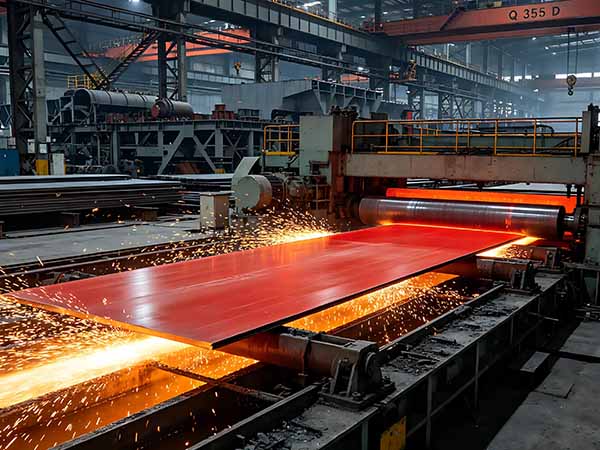
CCS Grade AH36 shipbuilding plate is a high-strength steel certified by the China Classification Society (CCS) for use in shipbuilding and offshore engineering. It is widely used in hull construction, offshore oil and gas platforms, offshore support facilities and port engineering. Thanks to its excellent strength, toughness and suitability for marine environments, CCS Grade AH36 shipbuilding plate has become one of the key steels used in large and medium-sized offshore engineering projects.
- Tags:
- CCS Grade AH36
Welding Process for CCS Grade AH32 Shipbuilding Steel Plates
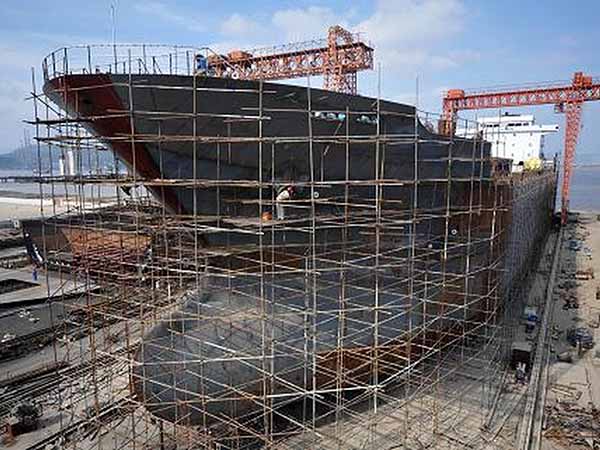
CCS AH32 is a high-strength, low-alloy structural steel for shipbuilding and offshore engineering, with a yield strength of ≥315 MPa and a carbon equivalent of ≤0.40%, offering good weldability. Key welding points: low-hydrogen welding consumables, appropriate preheating and interpass temperature control, multi-pass welding, strict control of heat input, and post-weld inspection to prevent cold cracks and embrittlement.
- Tags:
- CCS Grade AH32

The differences between the CCS AH32, DH32 and EH32
CCS AH32, DH32 and EH32 are all high-strength marine structural steels with a yield strength of ≥315 MPa; the key differences between them lie in their alloy composition, low-temperature impact toughness and delivery condition.
What Makes CCS Grade E shipbuilding Steel Plates the Ideal Choice for Low-Temperature Marine Environments?
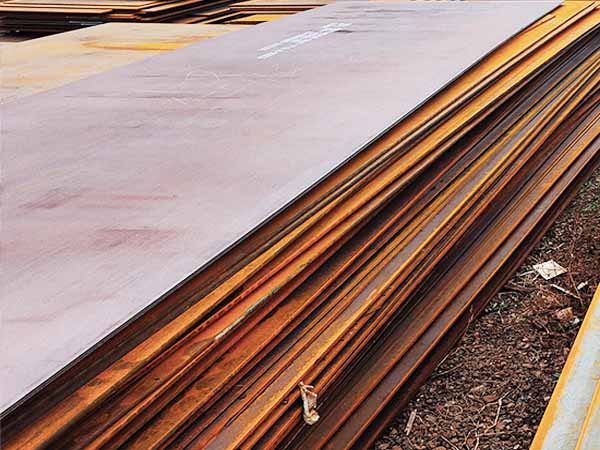
As the low-temperature-resistant grade within the CCS standard-strength marine structural steel series, CCS Grade E shipbuilding steel plates effectively address the issue of cold brittleness in marine steel under low-temperature conditions, making them the ideal choice for low-temperature marine environments where structural safety and cost-effectiveness must be balanced.
- Tags:
- CCS Grade E
Heat Treatment and Rolling Processes for CCS Grade E Shipbuilding Steel Plates
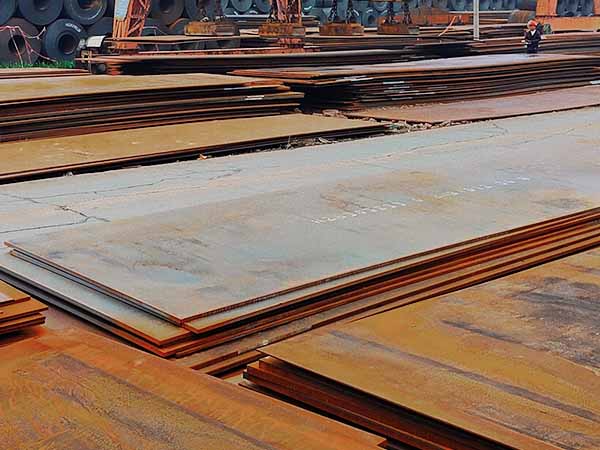
The performance of high-quality shipbuilding steel depends not only on its chemical composition; thermomechanical processing is equally crucial. For CCS Grade E shipbuilding steel plates, the rolling and heat treatment schemes determine whether they ultimately meet the impact toughness requirements at -40°C.
- Tags:
- CCS Grade E