S690QL Material Properties
- Oct 15, 2026

Knowledge
LR EH32 shipbuilding steel employs ultra-low sulfur and phosphorus content control, along with an aluminum-manganese composite microalloying design, to achieve a uniform, fine-grained, and dense microstructure that effectively suppresses intergranular corrosion and cryogenic stress corrosion in high-load polar environments.
In seawater at -40°C and high-salt-fog environments, the surface forms a passivation oxide film that is denser, more stable, and has better adhesion than that of standard AH32/DH32 steels, effectively blocking the intrusion of corrosive media and slowing the corrosion process.
At the same time, the optimized microstructure significantly enhances low-temperature fatigue resistance, preventing crack propagation caused by the synergistic effects of low-temperature stress, cyclic ice loading, and corrosion.
LR EH32 polar high-load structures primarily face four types of composite failure modes:
1) Uniform corrosion in ultra-low-temperature seawater;
2) Atmospheric corrosion in high-salt-fog polar environments;
3) Alternating freeze-thaw corrosion in the intertidal zone;
4) Fatigue crack propagation under ultra-low-temperature, heavy-load conditions.
The long-term combination of extreme freezing, corrosive media, and periodic heavy ice loads accelerates structural aging and enlarges microscopic defects, threatening the overall safety of large-scale polar offshore engineering structures.
Targeted inspection and maintenance addressing the aforementioned failure modes are central to the full-lifecycle protection of LR EH32 structures operating in extremely cold, high-load environments.
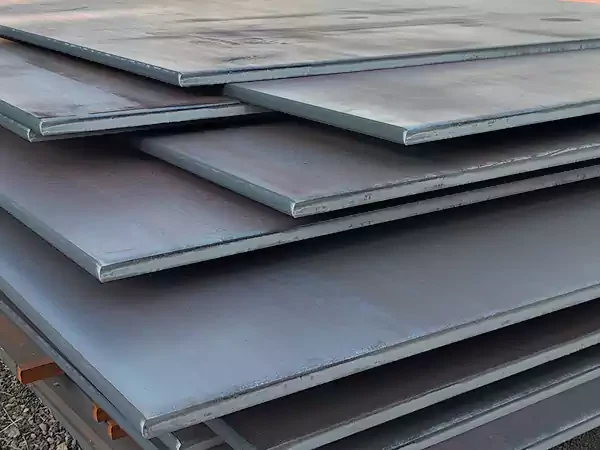
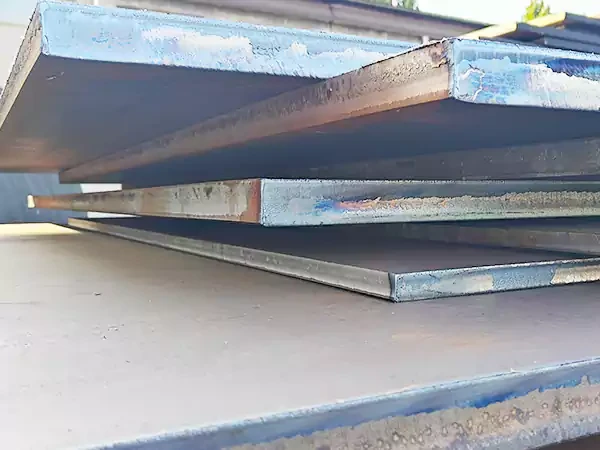
Prior to shipment, LR EH32 shipbuilding steel plates must undergo specialized cryogenic, high-load adaptive anti-corrosion pretreatment.
High-pressure precision shot blasting is used to remove surface scale, residual rust, and stress concentration points, thereby enhancing coating adhesion and durability.
Subsequently, a high-adhesion, ultra-low-temperature marine epoxy primer is uniformly applied. This coating maintains stable protective performance and toughness even at -40°C, effectively resisting initial salt spray corrosion and freeze-thaw damage, thereby laying the foundation for long-term polar service.
For LR EH32 polar hulls and platform facilities in extremely cold regions, a three-layer anti-corrosion coating system specifically designed for extreme cold is recommended:
1) Ultra-low-temperature epoxy anti-rust primer;
2) Toughened polar intermediate anti-corrosion paint;
3) Weather-resistant anti-fouling topcoat.
This system is specifically designed for ultra-low-temperature, high-load marine environments. It features excellent low-temperature toughness, strong adhesion, and resistance to aging, preventing cracking, peeling, and aging-related failure of the coating under the combined effects of temperatures as low as -40°C and heavy loads.
When this system is applied, the service life of LR EH32 polar high-load structures can be extended by more than 60% compared to uncoated conditions.
During long-term service in polar, ultra-low-temperature, high-load conditions, LR EH32 structures should follow the following targeted maintenance plan:
1) Monthly specialized inspections: Focus on tidal freeze-thaw zones, salt spray-exposed surfaces, and high-load vulnerable areas; promptly repair coating peeling and localized corrosion spots;
2) Annual Comprehensive Inspection: Conduct sub-zero temperature fatigue testing and full-coverage non-destructive testing (UT/MT) to screen for microcracks and internal fatigue defects;
3) Regular Cleaning: Remove surface salt deposits and marine fouling to reduce corrosion initiation points and stress concentration sources, ensuring the long-term stability and safety of the structure.
Customers choose to engage in long-term cooperation with Yuxin Steel not only because of our high-quality products and services, as well as our strong reputation in the international market, but also due to our experienced one-stop raw material supply and further steel processing capabilities!